

 1 hour ago
3
1 hour ago
3
ARTICLE AD BOX
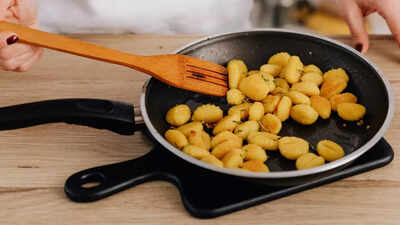
Non-stick utensils promise effortless cooking with minimal oil, but choosing and caring for the right one ensures years of reliable use without peeling or pitting. From PTFE classics to ceramic innovations, these pans suit Indian homes frying dosas or sautéing spices, blending convenience with durability when selected wisely.
This guide covers types, buying tips, top picks, and maintenance secrets for lasting performance.Types of CoatingsPTFE-based non-stick, like Teflon, offers superior food release for eggs and rotis but degrades above 260°C, requiring low-medium heat. Ceramic coatings provide eco-friendly slickness without PFAS chemicals, ideal for high-heat stir-fries, though they wear faster on anodized aluminum bases.
Hybrid options combine both for balanced durability, suiting induction stoves common in modern Delhi kitchens.Key Buying FactorsPrioritize thickness—2-3mm aluminum cores ensure even heating without hotspots, vital for tadka tempering. Check induction compatibility via a magnet test on the base, and opt for PFOA-free labels to avoid health risks. Ergonomic riveted handles stay cool; sets with 8-12 inch skillets and lids offer versatility for family meals.
Top RecommendationsAnolon Advanced excels in food release and even cooking, pairing affordability with sturdy handles for daily use. GreenPan Spectra shines for ceramic durability up to 850°F oven-safe, perfect for baking naan alongside stovetop tasks. Le Creuset Toughened PRO withstands metal utensils, ideal for robust Indian curries without scratching.Usage Best PracticesPreheat on low with a drop of ghee to activate the coating, avoiding sprays that degrade it prematurely.
Use wooden or silicone utensils to prevent scratches; never sear steaks or empty hot pans into cold water to avert warping. Medium heat suffices for 90% of cooking, preserving the slick surface longer.Cleaning and StorageCool completely before gentle hand-washing with soft sponges and mild soap—no abrasives or dishwashers unless specified. Dry thoroughly to block moisture buildup, then stack with protectors or hang to dodge dents.
Re-season lightly with oil if stickiness emerges, extending life to 3-5 years.Longevity ExtensionsRotate pans weekly to even wear; replace if coating flakes, signaled by food sticking despite oil. Store away from heat sources; annual deep cleans with baking soda paste revive performance. Pair with quality oils like cold-pressed mustard for optimal non-stick synergy in traditional recipes.








 English (US) ·