

 1 hour ago
5
1 hour ago
5
ARTICLE AD BOX
Last Updated:April 17, 2026, 16:44 IST
Amid US-Israel-Iran war, which impacted the global economy, four sectors saw record growth. Which are they? News18 explains


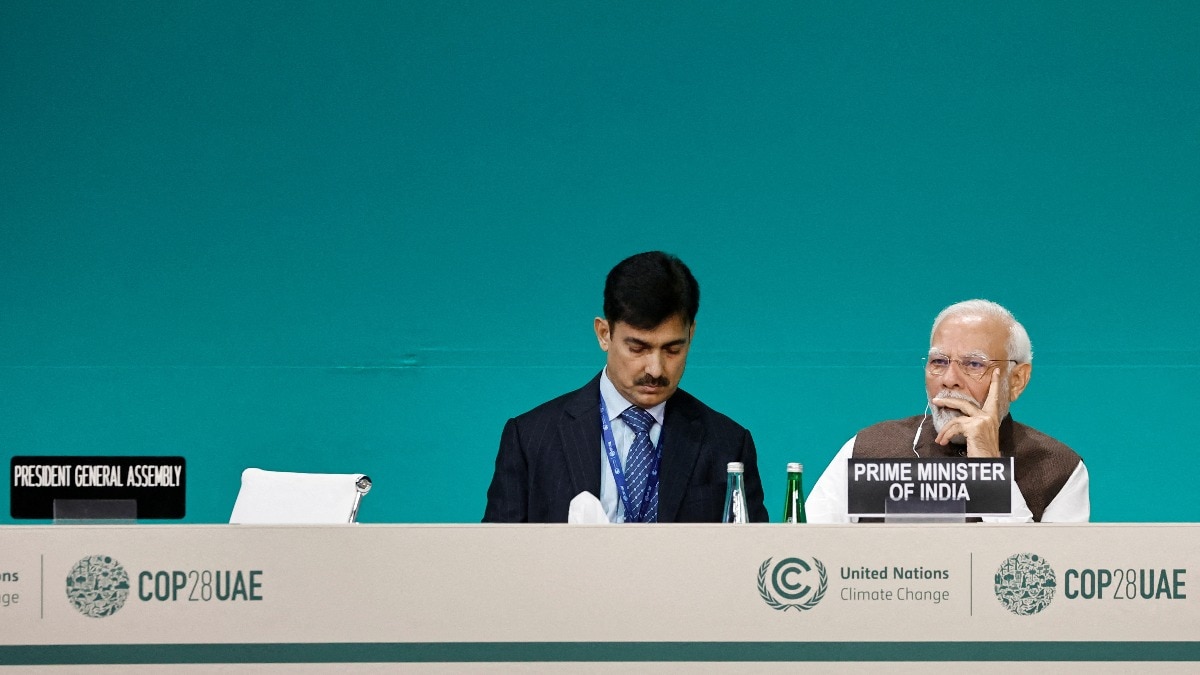
US President Donald Trump and Iran's new Supreme leader Mojtaba Khamenei (Photos: AFP)
The ongoing conflict involving the United States, Israel, and Iran caused significant global economic friction, including a downgrade of the IMF’s global growth forecast to 3.1%. However, four sectors experienced record-breaking growth.
Which are they? News18 explains.
How the US-Israel-Iran war hit global economy
The ongoing conflict has significantly strained the global economy, primarily through energy shocks and trade disruptions. While the International Monetary Fund (IMF) has recently downgraded its global growth forecast for 2026 to 3.1% (down from 3.3%), the full extent of the damage is still unfolding.
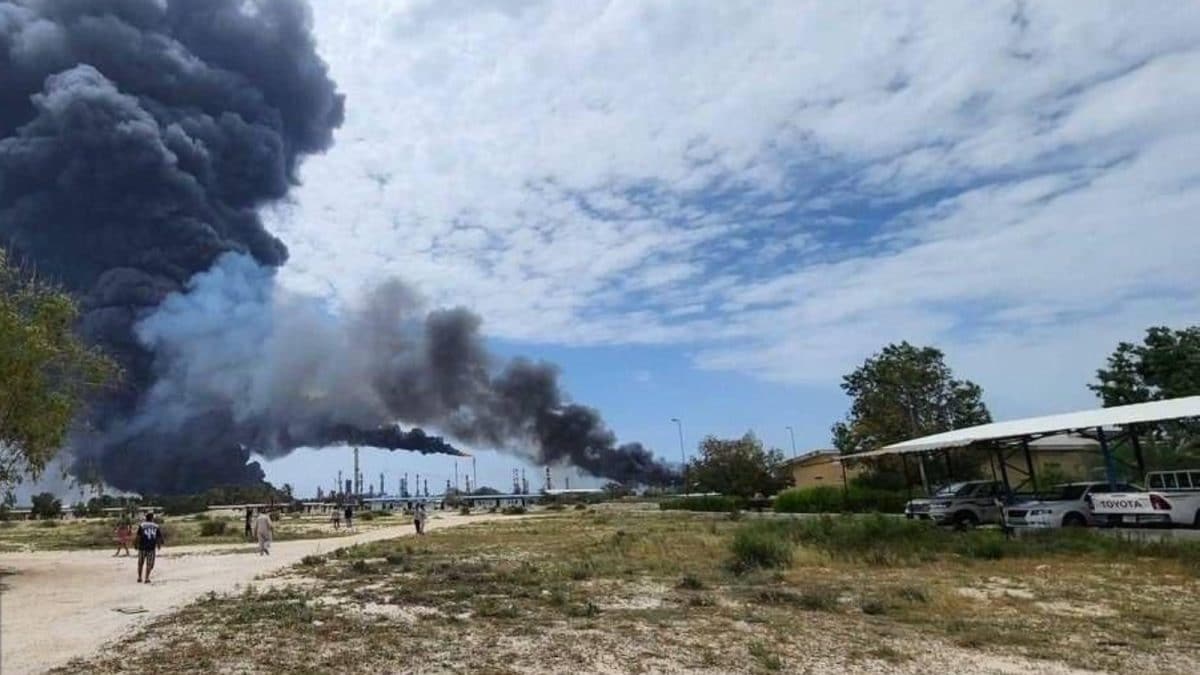
Energy: The war is being called the “greatest global energy security challenge in history" due to the disruption of nearly 20% of the world’s oil and gas. The closure of Strait of Hormuz on March 4, 2026, led to the largest supply disruption in history. Brent crude oil prices surged over 55% within a month, peaking near $119–$126 per barrel. In the U.S., prices at the pump hit $4 per gallon for the first time since 2022, while some regions expect spikes up to $5 if blockades persist. The suspension of Qatari LNG and low storage levels have caused gas benchmarks to double, threatening a technical recession in energy-intensive economies like Germany, according to reports.
Inflation and market volatility: Rising energy costs have acted as a sudden “tax" on global income, driving up the prices of almost all goods. The IMF raised its 2026 global inflation forecast to 4.4%, driven by surging oil, gas, and fertiliser costs. Because the Gulf exports 30% of global urea, prices for nitrogen fertilisers have doubled, sparking fears of a long-term global food crisis. Major global indices saw sharp declines in March, including a record 12% single-day crash in South Korea’s KOSPI. Central banks, including the European Central Bank (ECB), have postponed planned interest rate cuts due to persistent price pressures, said Al Jazeera and other reports.
Logistics and supply chain: The conflict has forced a massive rerouting of global trade, increasing costs and journey times, according to the IMF.
Aviation: Airspace closures in the Middle East have led to 4,000 daily flight cancellations, costing airlines billions and stranding thousands of passengers.
Shipping: Vessels avoiding the region are rerouting around the Cape of Good Hope, leading to higher freight and insurance premiums.
Industrial shortages: Disruptions in helium and aluminium supply from the Gulf are impacting semiconductor manufacturing and the automotive industry globally, said reports.
Which 4 sectors emerged winners of the US-Israel-Iran war and why
While the war threatens global growth and increases inflation (expected to hit 4.4% in 2026), it has acted as a catalyst for a “defense and technology" economy. Amid the war, four sectors benefited immensely, according to an Al Jazeera analysis.
1. Weapons Firms: The aerospace and defense sectors are booming due to a surge in global military spending and direct usage in the conflict. The MSCI World Aerospace and Defence Index reported net returns of 32% year-over-year at the end of March 2026.
Major contractors have seen significant stock price jumps, including Northrop Grumman (up 5%), RTX (up 4.5%), and Lockheed Martin (up 3%). Lockheed Martin reported a record $194 billion backlog by the end of 2025.
Demand is particularly high in Europe, where NATO countries are committed to raising defence spending to 5% of GDP by 2035, stated the report.
2. Wall Street: While broad markets have been volatile, specific financial institutions and niche platforms are cashing in. Polymarket has emerged as a standout winner, netting over $21 million in fees in April 2026 alone by allowing users to bet on war outcomes.
Large investment banks like Goldman Sachs reported a rise in profits despite the broader economic slowdown.
Shell and other major energy firms have seen a boost in oil trading profits as Brent crude prices surged, peaking near $110–$120 per barrel during blockades, said the report.
3. Artificial Intelligence: The conflict is being characterized by some as the ‘First AI War’, accelerating both military and commercial AI adoption, according to a Forbes report. AI is being used for drone swarms, autonomous vehicles, and high-speed decision-making.
Taiwan’s TSMC reported record merchandise exports of $80.2 billion in March 2026, with net income up 58% year-over-year. Major AI players like Anthropic and OpenAI are moving forward with IPO plans this year despite regional instability, said Al Jazeera.
4. Green Energy: The shutdown of the Strait of Hormuz (vital for 20% of global oil) has forced a rapid pivot toward renewables.
The S&P Global Clean Energy Transition Index is up 70.9% year-over-year as of March 2026. Countries like South Korea, India, and Vietnam are deploying tax breaks for solar and restarting nuclear reactors to reduce dependence on Middle Eastern oil.
China, which controls roughly 80% of solar-tech manufacturing, has become a primary beneficiary of the global shift toward green energy security, according to reports.
What is the current state of the US-Israel-Iran war?
The US-Iran war has entered a critical phase defined by a strategic stalemate and a new naval blockade. While a fragile ceasefire is technically in effect, hostilities remain high and negotiations have largely stalled. On April 16, a separate 10-day ceasefire between Israel and Lebanon went into effect, providing a temporary pause in the parallel northern front.
KEY FAQs
Which sectors are the biggest winners?
Defence, energy (oil & gas), commodities (metals, fertilizers), renewables / clean energy
Why does the energy sector benefit the most?
War disrupts oil supply (especially via Strait of Hormuz), causing price spikes and higher profits for producers.
How do defence companies gain?
Increased military spending and demand for weapons boost defence manufacturers
Why are renewables also winners?
Countries try to reduce dependence on risky oil routes, increasing investment in clean energy.
With agency inputs
Handpicked stories, in your inbox
A newsletter with the best of our journalism
First Published:
April 17, 2026, 16:43 IST
News explainers Not US, Israel Or Iran, These 4 Sectors Are The Winners Of The War That Hit Global Economy
Disclaimer: Comments reflect users’ views, not News18’s. Please keep discussions respectful and constructive. Abusive, defamatory, or illegal comments will be removed. News18 may disable any comment at its discretion. By posting, you agree to our Terms of Use and Privacy Policy.
Read More






 English (US) ·