

 1 hour ago
4
1 hour ago
4
ARTICLE AD BOX
Last Updated:April 03, 2026, 16:47 IST
US Israel strikes on Iran disrupt Strait of Hormuz, stranding over 180 million barrels and cutting Gulf output, driving oil above 120 dollars and causing global fuel shortages


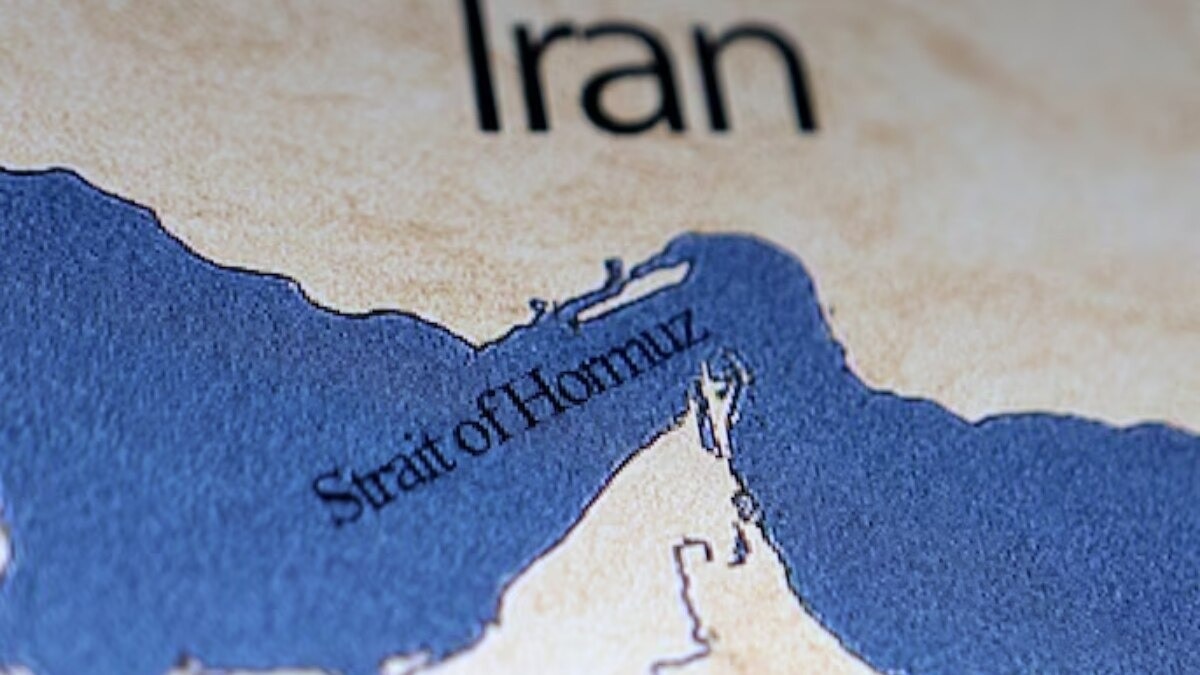
Today, the Strait of Hormuz includes eight major islands, most of which are controlled by Iran. Ongoing disputes remain over the islands of Abu Musa, Greater Tunb, and Lesser Tunb. With naval bases along Iran’s southern coast, including Bandar Abbas and Bushehr, control of these waters continues to influence geopolitical dynamics in the region. (Image: Canva)
The passage of vessels through the Strait of Hormuz has been severely affected since February 28, 2026, following US–Israel strikes on Iran, which triggered a broader regional conflict and led to major disruptions in shipping traffic. Over a month of disruption has significantly impacted global oil and LPG supplies, forcing several countries, including India, to take corrective measures such as increasing petrol, diesel, and LPG prices amid tightening supply and rising costs.
The impact is so severe that even if the Strait of Hormuz were to reopen fully tomorrow, global oil markets would not return to normal immediately. Analysts and global agencies warn that the crisis has already triggered a deep physical and logistical disruption, one that could take weeks or even months to unwind, according to a report by HFI Research.
According to HFI Research, over 180 million barrels of crude are currently sitting in tankers, all of which must first be unloaded, something that could take 35–45 days. Once emptied, these vessels would require another 25–30 days to return to the Middle East, while fresh tankers en route to key producers such as Saudi Arabia, the UAE, Kuwait and Iraq would take an additional 25–30 days to load. This delay means that even in the best-case scenario, global oil supply chains could take weeks, if not months, to return to normal.
Data from MarineTraffic and Kpler show that vessel movement through the Strait of Hormuz in March remained limited and uneven, with a total of 220 ships crossing the route across segments such as dry bulk, liquid cargo, LPG, and LNG. Liquid tankers dominated traffic, accounting for 111 crossings (51%), followed by 82 dry bulk vessels (37%) and 27 LPG carriers (12%), while no LNG shipments were recorded during the month.
The data also highlights a clear directional imbalance: west-to-east outbound traffic from the Gulf made up the majority with 149 crossings (68%), compared to 71 east-to-west inbound transits (32%), underscoring disrupted and uneven flow patterns through one of the world’s most critical energy chokepoints.
Why Strait Of Hormuz Matters?
The Strait of Hormuz is one of the most critical arteries of global energy supply, typically carrying around 20 million barrels of oil per day, which accounts for nearly 20% of global oil trade, according to the International Energy Agency. The agency has described the current situation as the “largest supply disruption in history." Even a partial disruption has had immediate consequences: crude oil prices have surged to nearly $120 per barrel, while Gulf producers have been forced to cut output by nearly 10 million barrels per day due to storage constraints and logistical bottlenecks caused by restricted tanker movement.
What Happens If It Opens Tomorrow?
There are millions of barrels already stranded in tankers or storage. Ships are stuck, rerouted, or delayed. The International Energy Agency and market analysts warn that even after reopening, “full supply recovery is expected to take months" due to logistical constraints.
What Has Happened Since Its Closure?
Ever since the passage has been disrupted, the oil prices have surged above $100–120 per barrel amid supply fears. Global stockpiles are heading toward critical minimum levels
More than 250 million barrels of supply disruption have already been recorded and fuel shortages and price spikes are emerging across regions, including Asia and Europe.
First Published:
April 03, 2026, 16:46 IST
News world Oil Flows May Take Months To Restore To Normal Even If Strait Of Hormuz Reopens Tomorrow: Report
Disclaimer: Comments reflect users’ views, not News18’s. Please keep discussions respectful and constructive. Abusive, defamatory, or illegal comments will be removed. News18 may disable any comment at its discretion. By posting, you agree to our Terms of Use and Privacy Policy.
Read More







 English (US) ·