

 55 minutes ago
6
55 minutes ago
6
ARTICLE AD BOX
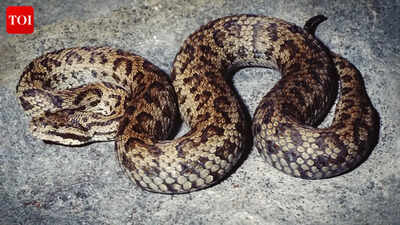
You’d think scientists would have the Himalayan pit viper figured out by now. For more than 160 years, the story was simple: one short, chunky, venomous snake sliding across the chilly slopes of the Himalayas.Turns out, it’s anything but simple.A new study in ZooKeys uncovered something unexpected and wild: what everyone had been calling a single species is actually five totally separate ones. Two were known, but three are new to science.Of course, researchers had all hands on deck, grabbing DNA from the original museum specimen, which is 160 years old, and discovered that the name “Himalayan pit viper” actually covers five distinct snakes.Still sounds unbelievable? Let’s unpack the findings one by one, then.
These snakes hid in plain sight
According to Earth, led by Daniel Jablonski at Comenius University in Slovakia, the team used fresh tissue, preserved museum samples, body and skull measurements, and, frankly, every trick in the book. The genetic break between these groups was clear — they’re separate species.But what’s the reason behind these snakes staying hidden for so long? They all look pretty much the same: stocky bodies, triangle heads, dark patterns, and a love for rugged, cold mountain slopes.
Even closely related mountain snakes splitting into new species often keep their familiar look because they share the same rough environment.The first description came from 19th-century explorers hauling specimens to Britain. From then on, anything that looked like that original snake got the same name.
Old bones, new answers
Sequencing DNA from museum snakes preserved in alcohol for more than a century is no picnic. The DNA is shredded, making the job tough.
The team managed to pull it off, threading together fragments from ancient specimens and comparing them to fresh samples.Among them was a snake studied by Albert Günther in the 1860s. The DNA tied the original species name to a specific genetic fingerprint, which didn’t match snakes from other regions.Sylvia Hofmann at Museum Koenig in Germany summed it up: these collections aren’t just dusty artifacts — they’re essential for today’s science.
Meet the new vipers
Three new species in the genus Gloydius live in remote mountain pockets. Gloydius hindukushensis crawls through the Hindu Kush in northwestern Pakistan, G. hazarensis is found in northeastern Pakistan, and G. nepalensis is found in central Nepal.Their geography is baked right into their names. The team also locked down a lectotype, a reference specimen to anchor the original Himalayan species name firmly.Besides DNA, these new snakes differ in the exact number of scales, body proportions, and skull shapes.
Differences are subtle, but they’re consistent and match up with genetic findings.All five have that classic pit viper look: fat bodies, triangle heads, sneaky camouflage, and a talent for surviving rough, cold mountains. They’re so nearly impossible to tell apart by eye that even experts struggle without genetic clues.
New evidence and long-kept secrets
Researchers analyzed seven genes. Some showed over 14% genetic difference, well into the “separate species” territory.
They measured bodies, scanned skulls, checked scale patterns, and mapped habitats. Not one test decided the case alone, but altogether they hammered the point home.But the museum drawers held the real secrets.Some of the biggest clues weren’t on windswept peaks, but quietly waiting in museums. That original specimen from over 160 years ago nailed down the “true” Gloydius himalayanus and showed others belonged to totally different species.The Himalayas and nearby ranges are still a mystery zone for scientists. Brutal weather, high elevations, remote locations, and political issues have slowed surveys for decades. There's a good chance many more species wait to be discovered.
Why does it matter?
The simplest answer is: conservation and medicine.Each species has a tiny home turf. Isolated valleys helped split populations, and now their small ranges leave them vulnerable.
If mining, road-building, climate change, or heavy grazing move in, these snakes don’t have many places to go.Venomous snakes aren’t just a concern for biologists — they’re a public health issue. South Asia sees tens of thousands of bites a year, and knowing which snake did the biting makes a huge difference for medical treatment. Studies show that’s crucial for saving lives.Antivenom lists and field guides will need an update. What was once one widespread species is now five, with three hiding in jars and mountains for decades. Conservation teams have some work ahead—each group needs separate protection.Doctors and health workers in northern Pakistan and Nepal can also do a better job now, knowing which species is behind a bite.









 English (US) ·