

 1 week ago
7
1 week ago
7
ARTICLE AD BOX

Freshly applied paint can off-gas volatile organic compounds (VOCs), releasing them into indoor air and triggering respiratory irritation such as coughing and a tight throat. Repeated exposure, especially for children, the elderly, or people with asthma, may heighten airway sensitivity and increase the risk of chronic bronchitis.
A freshly painted room often feels like a new beginning. Clean walls. Bright light. A sense of order. But that sharp, chemical smell that lingers in the air is not just a harmless sign of renovation.
It signals the release of volatile organic compounds, or VOCs, into the indoor air.Many people notice coughing, throat irritation, or chest tightness after repainting. These symptoms are often brushed aside as minor. Yet doctors are increasingly urging caution. The lungs do not always forget repeated exposure.
What exactly are VOCs: And why do they matter?
Volatile Organic Compounds are chemicals that easily evaporate into the air at room temperature. Paints, varnishes, thinners, adhesives, and many cleaning agents release them.Common VOCs in paint include:
- Formaldehyde
- Benzene
- Toluene
These compounds irritate the lining of the respiratory tract. When inhaled, they can inflame the bronchial tubes and increase mucus production. In simple terms, the airways swell and become narrower.According to the United States Environmental Protection Agency (EPA), indoor VOC levels can be up to ten times higher than outdoor levels, especially during activities like painting. The EPA’s overview on indoor air pollutants explains how building materials contribute significantly to indoor chemical exposure.
The risk rises sharply in poorly ventilated homes.
When “just a cough” isn’t just a cough
Dr Aakash Shah, Vice President – Technical, Neuberg Diagnostics, highlights that exposure is not always as harmless as assumed.He notes, “VOCs like formaldehyde, benzene, and toluene are some chemicals that can irritate the respiratory system, and if they are inhaled, a person may experience bronchial lining inflammation, increased production of mucus, and a temporary narrowing of the airways (bronchoconstriction).”That narrowing can feel like:
- Persistent dry cough
- Wheezing
- Scratchy throat
- Shortness of breath
These reactions may appear within hours. In most healthy adults, they settle once exposure stops. But repeated exposure can trigger more lasting airway sensitivity. Children, older adults, smokers, and people with asthma face higher risk. In these groups, inflammation may accelerate early airflow obstruction.
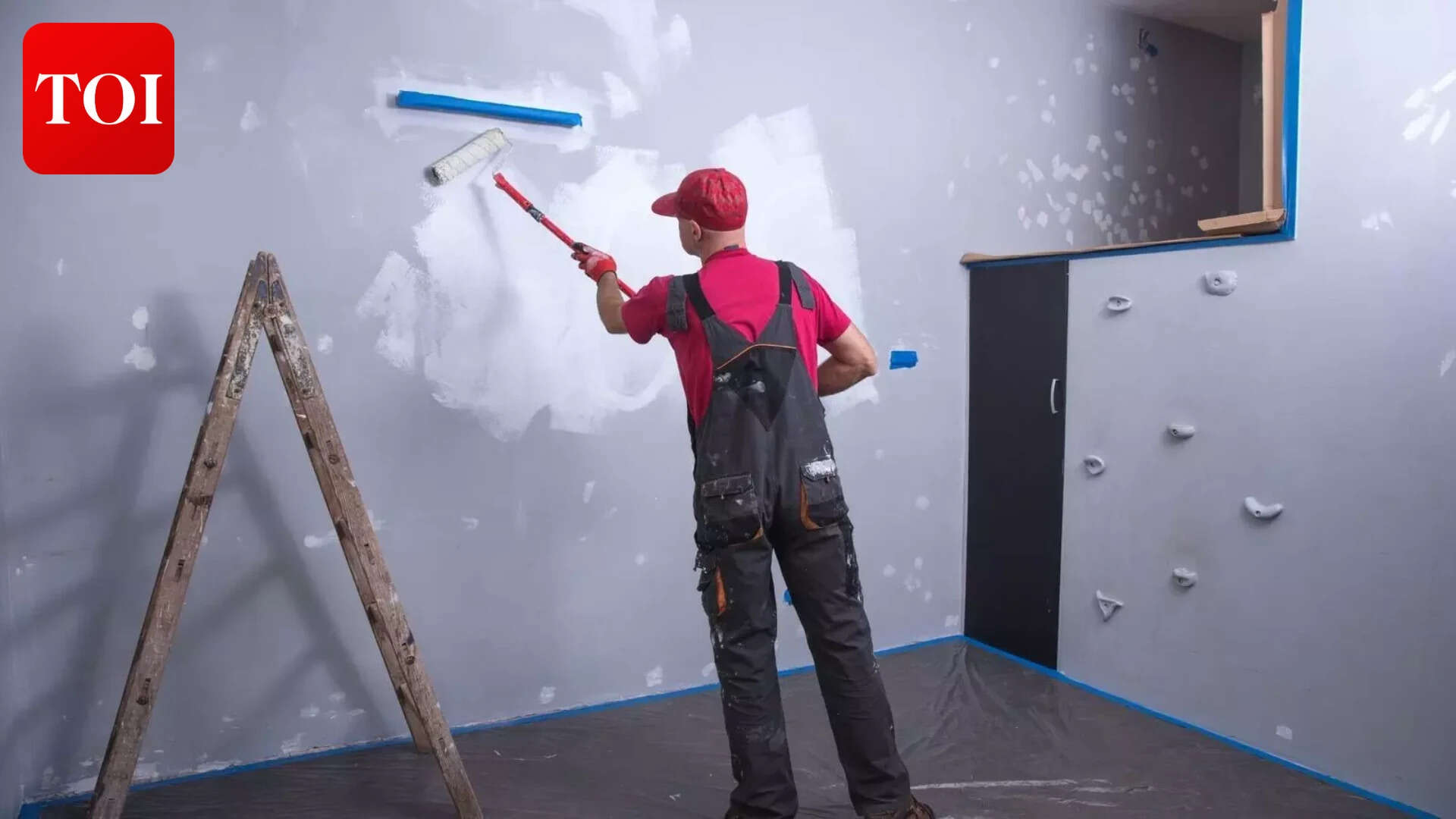
When inhaled, they can inflame the bronchial tubes and increase mucus production. In simple terms, the airways swell and become narrower.
The silent shift toward chronic bronchitis
Chronic bronchitis is defined medically as a productive cough lasting at least three months in two consecutive years.
It falls under the umbrella of Chronic Obstructive Pulmonary Disease (COPD).The connection between chemical inhalation and chronic airway inflammation is not new. Occupational health studies have long shown higher respiratory disease rates among painters and industrial workers exposed to solvents.Dr Shah explains that even when symptoms seem mild, measurable airway changes may already be present. He emphasizes that inflammation can lead to early airflow obstruction that becomes detectable through testing.Inflammation today can become structural change tomorrow.
Why testing matters more than guesswork
When a cough lasts beyond three to four weeks after renovation, doctors recommend objective evaluation.Dr Shah notes, “Spirometry is indispensable for recognizing declines in FEV1 and distorted FEV1/FVC ratios even when the symptoms are quite mild.”Spirometry measures:
- FEV1 (Forced Expiratory Volume in one second)
- FVC (Forced Vital Capacity)
- The ratio between the two
Distorted values may signal obstructive lung patterns.Pulmonary Function Testing (PFT) provides deeper insight into lung volumes and can detect subtle airflow obstruction before structural damage becomes obvious.This is critical. Minor airflow problems may exist even before long-term damage appears on imaging.The Centers for Disease Control and Prevention (CDC) outlines how lung function tests help detect early COPD patterns, especially in high-risk groups.Objective numbers tell a clearer story than symptoms alone.
Why ventilation is the unsung hero
Dr Harsha Jain, Consultant Pulmonologist at Sahyadri Super Specialty Hospital, Deccan, often sees patients unaware that their homes may be contributing to their breathing issues.She explains, “The newly painted ‘clean’ smell that we associate with a room that has just been painted is not harmless, but a signal that there are VOCs in the freshly painted room and over time (prolonged) exposure could be a factor that creates chronic respiratory diseases.”Poor ventilation traps VOCs indoors. Closed windows, air-conditioning without fresh air exchange, and painting during humid weather all worsen indoor accumulation.Dr Jain adds, “Breathing in VOCs can irritate lungs and make them more likely to react abnormally and have decreased functioning capabilities.”Opening windows and doors during and after painting dramatically lowers indoor chemical concentration. Cross-ventilation works better than a single open window.Sometimes the simplest step carries the greatest protection.
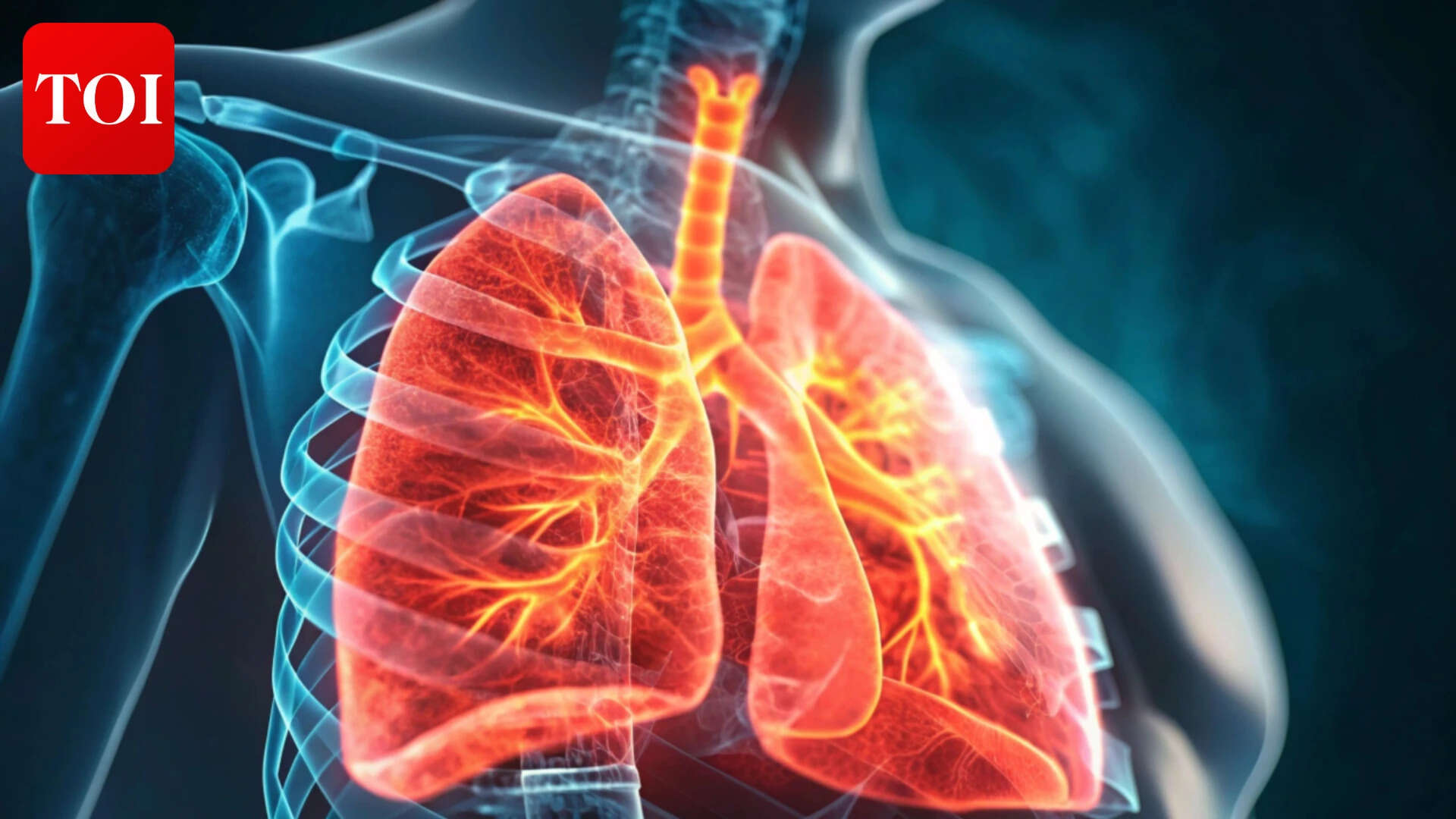
Chronic bronchitis is defined medically as a productive cough lasting at least three months in two consecutive years.
Who should be extra careful?
Certain groups experience stronger inflammatory responses:
- People with asthma
- Smokers
- Children under 5
- Elderly individuals
- Those with existing COPD
In these individuals, short-term irritation can trigger prolonged airway hyper-responsiveness.Dr Jain stresses, “Coughing, sore throat, and chest tightness could all occur after a short period of being exposed to these chemicals.”For families planning renovation, timing matters. Avoid repainting when young children or elderly members cannot temporarily relocate. Aesthetic upgrades should never cost respiratory health.
Practical ways to protect lung health during renovation
Protection does not mean avoiding painting altogether. It means choosing safer methods.Dr Jain recommends:
- Using low-VOC or no-VOC paints
- Ensuring adequate ventilation
- Limiting time spent in newly painted rooms
- Wearing a mask while painting
Water-based paints generally emit fewer VOCs than oil-based alternatives. Allow at least 48 to 72 hours of ventilation before full room use.Air purifiers with activated carbon filters may help reduce indoor VOC levels, though ventilation remains primary.The home should feel refreshed, not chemically heavy.Medical experts consulted This article includes expert inputs shared with TOI Health by: Dr Aakash Shah, Vice President – Technical, Neuberg Diagnostics.Dr Harsha Jain, Consultant - Pulmonologist, Sahyadri Super Speciality, Deccan.Inputs were used to explain how paint fumes in the house can cause health issues.







 English (US) ·