

 1 hour ago
4
1 hour ago
4
ARTICLE AD BOX
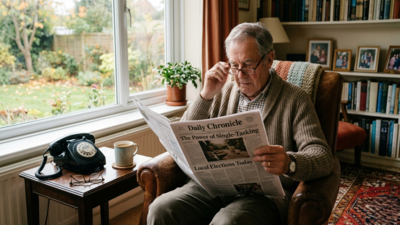
Older generations' seemingly old-fashioned habits like phone calls, single-tasking, and reading print media offer surprising cognitive benefits. Image Credits: Gemini
The pace of daily life seems to have increased significantly. Society relentlessly pressures us to embrace the latest technological upgrades, shortcuts for multitasking and modern digital ways of communicating, making us assume that innovation always trumps tradition.
Anyone who strays outside this fast-moving flow may be seen as behind the times.However, the fact remains that people in their 60s and 70s adhere to certain analogue routines they often find difficult to break: making a phone call as opposed to texting, reading the daily paper rather than a tablet, working on a single task at a time as opposed to trying to fit as much into their day as possible. While younger generations may think that this attitude is backward and stubborn, the research in psychology and neuroscience begs to differ.By maintaining certain intentional routines focused on individual tasks, older people may be supporting their sharpness, happiness and cognitive ability. Their old-fashioned approach is the epitome of the ultimate strategy for a sharp mind and a long, healthy brain.The unexpected power of phone callsIn this age of rapid text messaging, automated computer responses and constant notifications, it is not unusual that individuals in older age groups rely heavily on telephone calls.
They may prefer to hear another person's voice, catch up in conversation and feel more connected through spoken interaction. What seems like an inconvenient or time-consuming phone call, which younger generations often wish to avoid, has tremendous psychological benefits.The study published in the Journal of Experimental Psychology examined the way people connect via different media of communication. It was revealed that people severely underestimate how socially awkward it will be to speak over the phone to someone in favour of communication such as email or text messages.
However, when communicating with each other over voice, the participants felt a significantly stronger connection, more intimacy and more rapport in a real-time verbal interaction with no negative psychological consequences.Older people's continued use of verbal communication may help them maintain social bonds and reduce the risk of isolation. While other generations are not afraid to embrace technology, older people use simple voice communication in a way that bolsters the importance of existing relations and safeguards them against the detrimental effects of chronic loneliness.
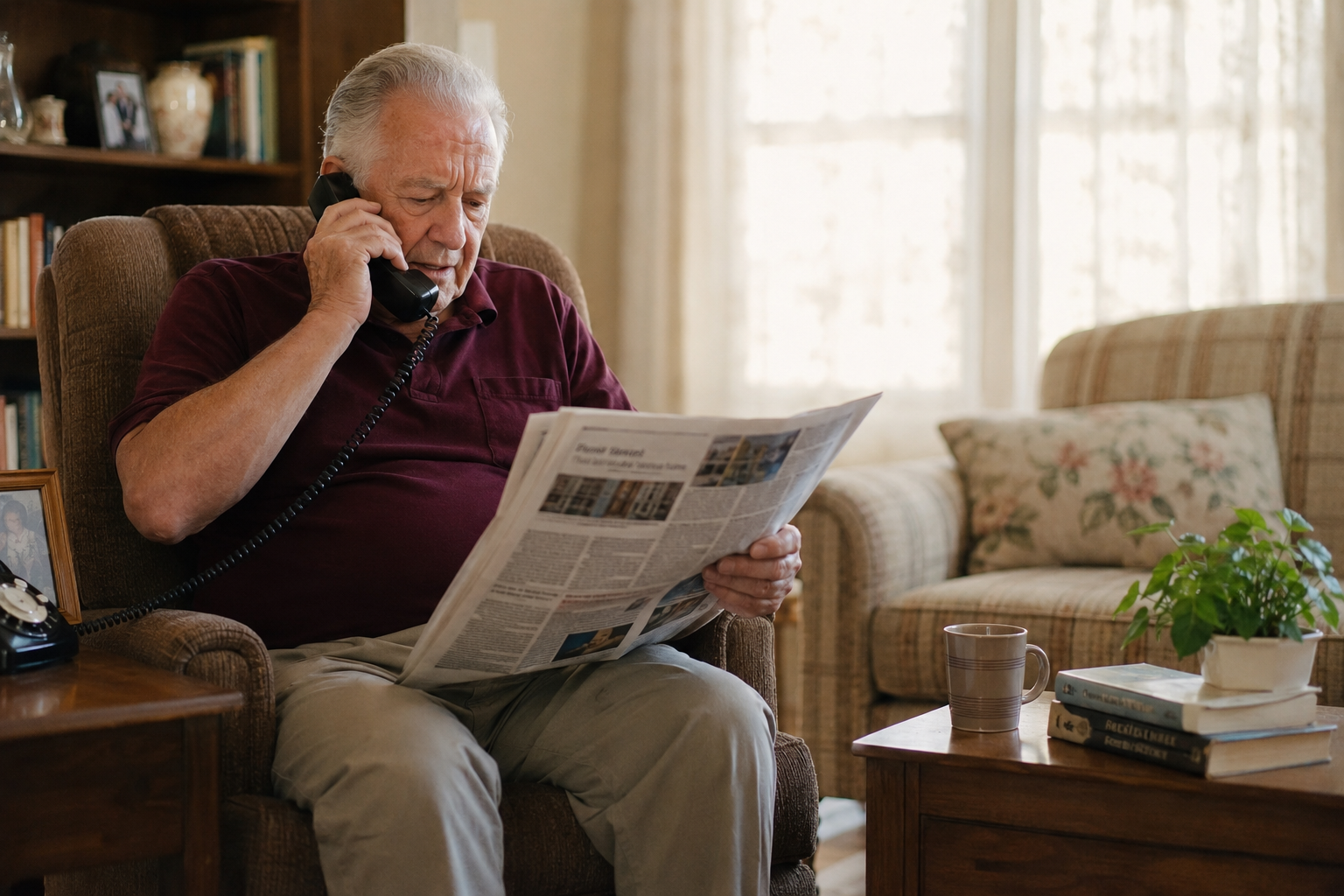
Focusing on one task at a time sharpens the mind, unlike constant multitasking. Reading printed materials aids memory better than screens. These analogue routines are key to maintaining a sharp mind and a healthy brain for a better quality of life. Image Credits: ChatGPT
How single-tasking preserves the ageing mindIn this era of technology and multitasking, it is no wonder that the younger generations take great pride in their ability to multitask when they feel as though this allows them to efficiently accomplish the many tasks in their day-to-day lives. A common habit among older people, though, is serial single-tasking. By reading one book fully before picking up the next, or cooking one meal at a time before starting dinner, older individuals allow their minds to function more efficiently.
This helps a person's attention span stay strong and gives the brain a better chance to absorb and process the information and skills required for each task before moving on.The study titled Cognitive control in media multitaskers found that in media multitaskers, multitasking is consistently associated with diminished attention capacity, the inability to filter environmental stimuli and poorer control over working memory.
It is often argued that people do not truly process multiple complex streams at once; instead, they switch rapidly between tasks, and that switching can take a toll on attention.Single-tasking may help reduce mental overload and support concentration and information retention.The cognitive advantages of reading printed textSome older people, upon waking, would no doubt claim that the true start to their day only occurs when they pick up their physical book or printed newspaper.
The tactile pleasure of holding paper, of turning pages without a background glow, and of physically following lines of text, represents the last stand against a rapidly growing world of electronic books and endless news feeds. This practice may improve reading comprehension compared with screen reading.A large-scale meta-analysis published by the Educational Research Review regarding reading on physical screens versus electronic screens proved "that information from print pages results in better memory performance than from screen pages".
This may be because print provides tactile and spatial cues that can help readers retain and recall information.This simple, tactile approach to learning and information retention may be one way to support a sharper mind. The habit is far more than simply a nostalgic way of living; instead, it's a profoundly important decision that influences more than just the mind. It can affect people's relationships and social lives and may influence the quality of life over time.









 English (US) ·