

 1 hour ago
4
1 hour ago
4
ARTICLE AD BOX
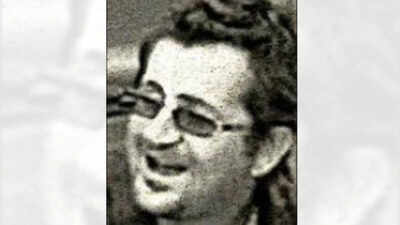
The identity of Banksy, one of the world's most popular and enigmatic artists, has been debated and closely guarded for decades. Once an annoyance to authorities who viewed him as a vandal, he has become a British national treasure.
Many tried to uncover his identity but Banksy and his inner circle won't talk about it. Some have signed non-disclosure agreements. Others keep quiet out of loyalty, or fear of crossing the artist, his fans and his influential company, Pest Control Office, which authenticates his work. "Working anonymously or under a pseudonym serves vital societal interests," says his lawyer.Reuters interviewed a dozen Banksy-world insiders and experts, examined photos of the artist, most of which obscured his face but contained critical information.
The investigation uncovered US court records from a 2000 arrest in New York for vandalising a billboard. The handwritten confession and police documents clearly identified the culprit as Robin Gunningham. The Bristol native had been "unmasked" as Banksy in 2008 by The Mail on Sunday, and the Reuters investigation too directs to him.Court files, bail records and the signed statement repeatedly carried Gunningham's name, providing the clearest documentary link yet between the elusive street artist and a real identity.
The incident had occurred before Banksy became globally famous.Gunningham's presence in Manhattan appears to have been part of his early travels as a young street artist seeking wider exposure for his work. In the late 1990s and early 2000s he spent periods in New York, staying at the Carlton Arms Hotel, a Manhattan establishment known for hosting artists in exchange for decorating rooms and walls. Banksy painted murals there, including an entire room.
Gunningham's transformation into Banksy appears to have unfolded gradually during the 1990s as he moved through the graffiti scene of Bristol, a city known for its street-art culture.
Early acquaintances say he experimented with different signatures before settling on the name, first using variations such as "Robin Banks"-a pun on "robbing banks"-which evolved into Banksy. After his rise to global fame, Gunningham largely disappeared from public records, prompting speculation that he had changed his identity to preserve Banksy's anonymity. Former manager Steve Lazarides told investigators that a legal name change was arranged around 2008, allowing the artist to operate under a new identity while keeping the Banksy persona hidden.
Reuters



 English (US) ·