

 1 hour ago
4
1 hour ago
4
ARTICLE AD BOX
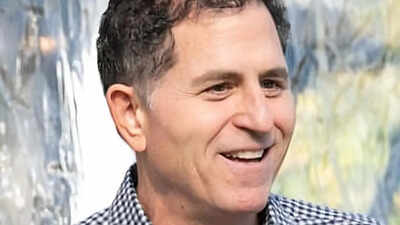
Michael Dell (Image source: Wikipedia)
Most of the time, success stories talk about goals, growth, and achievements. Many leaders and innovators, on the other hand, have always said that failure is just as important as success.
Michael Dell's quote of the day, “How successful you are is really a function of how well you deal with failure—and how much you learn from it,” makes this point in a clear and useful way. It says that success isn't just about winning or reaching your goals; it's also about how people act when things don't go as planned.Michael Dell is known for starting one of the world's biggest technology companies - Dell Technologies. Throughout his career, he has had both quick growth and big problems.
His story shows that setbacks can be chances to learn if you know how to deal with them. This quote makes a simple but important point: failure is not the opposite of success; it is a step along the way to success. This message is still important in today's world, where careers and businesses are always changing.
Quote of the day by Michael Dell
“How successful you are is really a function of how well you deal with failure—and how much you learn from it.”
Meaning of the quote by Michael Dell
It's not too hard to figure out what this quote means. Michael Dell is talking about two important things that determine success.
The first is how someone acts when they fail. The second is what they take away from that experience.In this case, failure is not seen as the end. People treat it as a situation that gives them information instead. When something doesn't work, it often shows what needs to be fixed or changed. People who can think about these things and make changes are more likely to do well in the long run.
Why failure is part of success
Failure is a normal part of the process in many areas, such as business, science, and education.
It often takes several tries for new ideas, products, or methods to work well.Michael Dell's statement makes it clear that failure is not uncommon. The answer to it is what matters. Some individuals may stop trying after facing difficulties, while others analyse what went wrong and try again with a better approach.A lot of successful people and businesses go through this process of trying, failing, learning, and getting better.
It helps you get better at making decisions and gain experience over time.
Lessons from Michael Dell’s journey
Michael Dell's company started with the simple idea of selling computers directly to customers. This method eventually worked, but it wasn't easy.His company had to deal with competition, changes in the market, and strategic decisions that didn't always work out as planned over the years. One of the most important things that happened was when Dell went private in 2013 because its market share was falling and competition was growing in the personal computer industry.This decision let the business reorganise, focus on long-term plans, and eventually grow into new areas like cloud computing and business solutions. The experience shows that careful planning and learning can help you get through tough times and grow.
Understanding how people deal with failure
There are many ways that people deal with failure. Some people might see it as a bad thing and not want to take any more risks. Some people might see it as feedback that can help them get better.Michael Dell's quote is about the second way. It says that being able to stay calm, look at the situation, and keep working toward your goals is a sign of success.To deal with failure well, you usually need to understand what went wrong, find ways to do better, and use what you learned next time.
The importance of learning from mistakes
Learning is an ongoing process, particularly in terms of personal and professional growth. You can't always learn everything you need to know from theory alone; mistakes give you real-world information.People get better at making decisions and solving problems when they learn from their mistakes. This is why a lot of businesses tell their employees to look back at past decisions and see how they turned out.Michael Dell's quote links success directly to learning. It says that failure doesn't mean anything if you don't learn from it. But if you learn from your mistakes, they can be helpful.
How this idea applies in everyday life
Learning from failure isn't just for business or leadership.
You can use it in your everyday life, like when you're making decisions about school, work, or your own goals.For example, students might not do well on a test or an assignment. They don't have to think of it as a permanent setback. Instead, they can look over how they prepared and do better next time.In the same way, employees at work may have trouble with projects or deadlines. Looking at these situations can help you come up with better plans for future tasks.
A closer look at long-term success
People often measure success over a long period of time instead of just one event. This quote from Michael Dell shows this long-term view.There may be short-term failures at different points in time, but they do not determine the final result. What matters is how often a person learns and changes.These little changes can add up to big changes over time. This is why a lot of successful people stress the importance of never giving up and always learning.
The role of resilience in handling failure
Resilience means being able to bounce back from problems and keep going. It is a key part of dealing with failure.Michael Dell's quote indirectly points out that being strong is an important trait. To deal with failure, you need to be patient, clear-headed, and able to keep your mind on your long-term goals.Resilient people are more likely to stay committed even when they face the same problems over and over again. This raises their chances of succeeding in the long run.
Why this quote is relevant today
Uncertainty is common in today's world, where industries are changing quickly and new technologies are coming out all the time. People and businesses often need to change quickly.Market changes or other outside factors that can't be controlled can cause failure. In these kinds of situations, it's important to be able to respond well.Michael Dell's message gives a useful way to think about things. Instead of avoiding failure, it teaches people to understand and learn from it.
Famous quotes by Michael Dell
- “A corporation is a living organism. It has to continue to shed its skin. Methods have to change. Focus has to change. Values have to change. The sum total of those changes is transformation.”
- “Sometimes it's better not to ask-or to listen-when tell you something can't be done. I didn't ask for permission or approval. I just went ahead and did it.”
- “Only when the tide goes out do you discover who’s been swimming naked.”
- “You have almost no chance to succeed, even in a meritocracy, if you don’t have access to good schools or health insurance, cannot afford nutritious meals, fear for your physical safety, or lack broadband connectivity or devices for doing homework or participating in the economy.”
Final takeaway from the quote
Michael Dell's quote gives a simple and useful definition of success. It says that success isn't just about what you do, but also how you deal with problems and what you learn from them.In this case, failure is not the result but a step toward growth. Individuals can enhance their prospects for enduring success by concentrating on learning and adaptation.Michael Dell's words are still important because they talk about something that many people in different fields have in common. They are a clear reminder that the road to success is often full of bumps, and how those bumps are handled is a big part of what happens in the end.









 English (US) ·