

 1 hour ago
3
1 hour ago
3
ARTICLE AD BOX

Ramadan 2026: Are You Ready to Fast Safely? Expert Tips for Wellbeing
As Ramadan 2026 nears, millions around the world are preparing not only spiritually but physically for a month of dawn-to-sunset fasting. While fasting is a beloved religious observance, health experts emphasise that preparation and smart nutrition are crucial to maintaining wellbeing throughout the month.
Combining insights from local doctors and reputable global health organisations, here is a trusted guide to help you fast safely and comfortably.
Hydrate wisely during Ramadan 2026 non-fasting hours
Adequate hydration is one of the most important components of a successful fast. The World Health Organization (WHO) Eastern Mediterranean Regional Office specifically recommends drinking plenty of water (at least around 10 glasses) and eating hydrating foods such as soups and fresh fruits like watermelon and salads during non-fasting hours to compensate for fluids lost during the day.
They also advise avoiding caffeinated drinks such as coffee, tea and cola because caffeine increases urination and can lead to dehydration.Cornell Health, the health and wellbeing service of Cornell University, echoes this and adds that one should drink fluids at regular intervals through the night and avoid consuming too much at once, as over-hydration in one go can dilute electrolytes.
Eat balanced suhoor (pre-dawn meal) for sustained energy during Ramadan 2026
Skipping the pre-dawn meal (suhoor) can make fasting significantly harder.
Nutrition experts from Cornell Health advise that suhoor should include a mix of whole grains, protein, healthy fats and fruits or vegetables to help sustain energy and keep blood sugar stable throughout the long fast. Examples include whole-grain cereals or toast with eggs, yogurt with fruit and nuts, or brown rice with vegetables.The WHO also recommends that suhoor be light but nutritious, particularly for groups who may be more vulnerable during fasting such as elderly adults, adolescents, pregnant or nursing women.
Break your Ramadan 2026 fast with water and dates
Both WHO and international dietary guides emphasise the benefits of starting iftar (the evening meal that breaks the fast) with water and dates, a longstanding tradition rooted in health as well as faith. Dates provide natural sugars and a small energy boost while water immediately begins rehydrating the body after prolonged abstinence.

Ramadan 2026 Health Guide: Fasting Safely and Smart Nutrition Tips
This approach is supported by general Ramadan nutrition advice from organisations such as Fraser Health in Canada, which notes that dates and low-fat milk are a healthy way to break the fast and can help prevent abrupt blood sugar fluctuations that contribute to fatigue.
Focus on nutrient-dense foods at Ramadan 2026 iftar
Healthline, a respected medical and nutrition information site, recommends leaning into whole foods rich in fiber, lean proteins and healthy carbohydrates during iftar to replenish nutrients lost during the day and provide lasting energy through the night and into the next fast. Examples include vegetables, whole grains, lean meats, eggs, legumes and dairy.Their registered dietitians also emphasise moderation, eating mindfully at iftar and avoiding heavy, sugary, or high-fat foods that can cause indigestion and fatigue.
Starting with water and a small date or fruit before main dishes helps control appetite and prevent overeating.
Avoid caffeine close to fasting hours during Ramadan 2026
Several health authorities recommend reducing caffeine intake in the week leading up to Ramadan. Research and expert advice from wellness organisations suggest that sudden withdrawal from habitual caffeine can lead to headaches and fatigue, symptoms many people misattribute to fasting itself. Gradually tapering coffee and tea before Ramadan can help your body avoid these issues once fasting begins.Moreover, WHO guidance clearly states avoiding caffeine during suhoor and non-fasting periods because it increases urine output and can exacerbate dehydration, something you want to minimise before long fasting hours.
Keep your Ramadan 2026 meals balanced and avoid fried or sugary foods
WHO and other health organisations encourage a balanced diet throughout Ramadan, composed of fruits, vegetables, whole grains, lean proteins and sufficient fluids, while limiting deep-fried, processed or high-sugar foods that contribute little nutrition and can lead to discomfort or weight gain.This aligns with Cornell Health’s advice on maintaining good nutrition: including vegetables, whole grains and healthy proteins at both suhoor and iftar to help manage hunger, energy levels, and overall health during the fast.
Move smartly, rest well during Ramadan 2026
While Ramadan is not usually a time for intense workouts during fasting hours, light movement and gentle exercise in the evening, such as walking or stretching, can support digestion and circulation, according to health advisors.
Framing this within a balanced lifestyle helps preserve energy without risking dehydration or exhaustion.
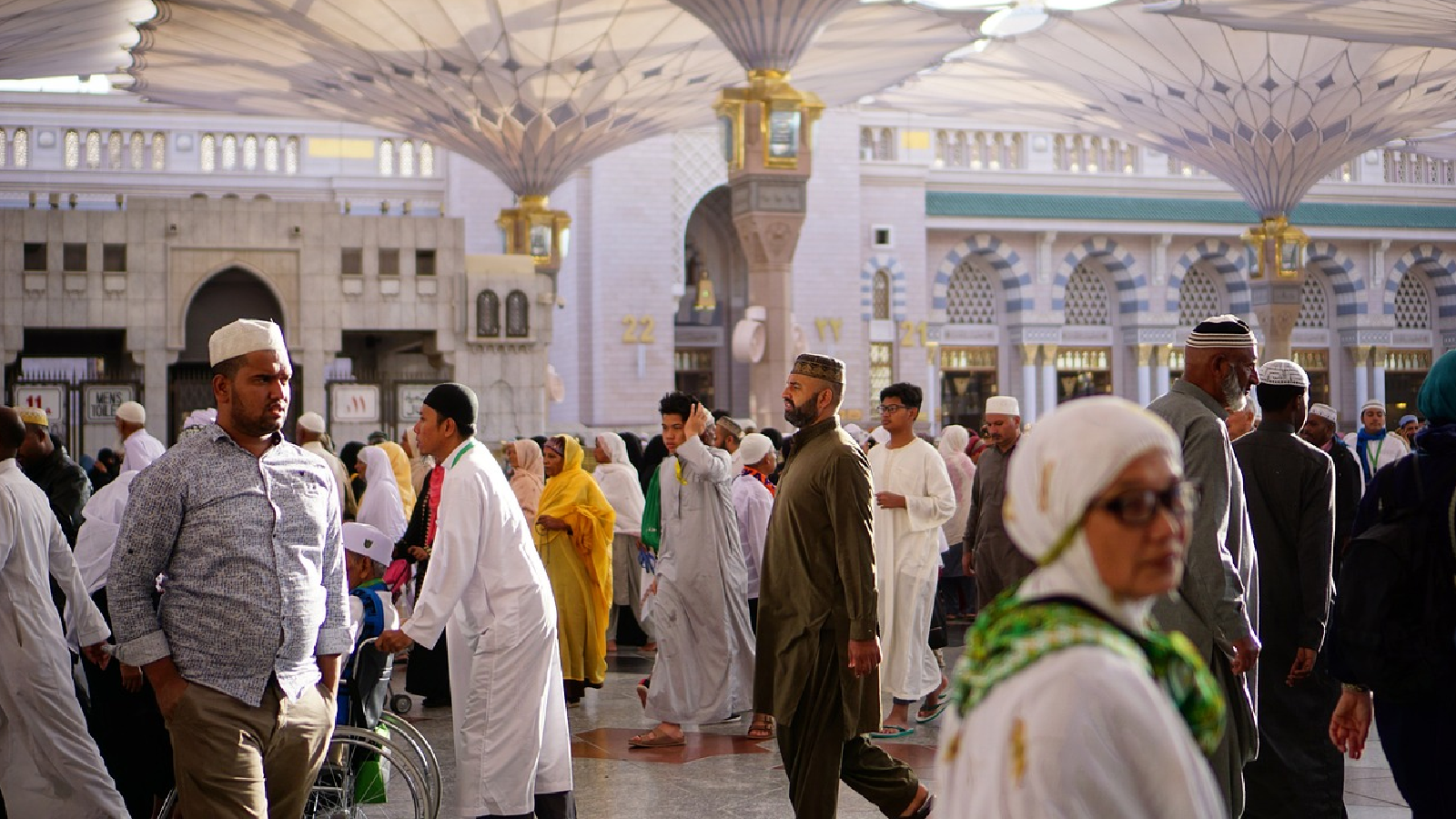
Light physical activity and rest during Ramadan 2026: Fasting is not the time for intense workouts in the middle of the day, your energy is naturally lower.
Sleep hygiene is also important because altered timetables can disrupt normal sleep cycles during Ramadan. Experts advise aiming for adequate rest (7–8 hours if possible) by incorporating naps and consistent sleeping schedules into your routine, which supports physical recovery throughout the fasting month.
Special medical considerations for Ramadan 2026
International health bodies like the Centers for Disease Control and Prevention (CDC) and dietetics professionals often emphasise that people with chronic conditions such as diabetes, heart disease or those on specific medications should consult a healthcare provider before fasting. Adjustments to meal timing, medication schedules and monitoring plans ensure safety and prevent complications.This is particularly relevant for individuals whose medical treatments require food or water intake at specific times and cannot be adjusted without professional supervision.
Bottom line: Opt for a balanced, informed approach this Ramadan 2026
Preparing your body for Ramadan fasting is not just about abstaining from food and drink during daylight hours. It is about planning smartly, hydrating fully, eating nutrient-dense meals and respecting your body’s needs. Strategies backed by the World Health Organization, Cornell Health and other recognised health authorities affirm that with proper preparation, most people can experience a safe, comfortable and fulfilling Ramadan.By following these evidence-based tips, from hydration and meal composition to rest and medical consultation, you can approach the holy month with both spiritual intention and physical wellbeing.








 English (US) ·