

 4 days ago
15
4 days ago
15
ARTICLE AD BOX
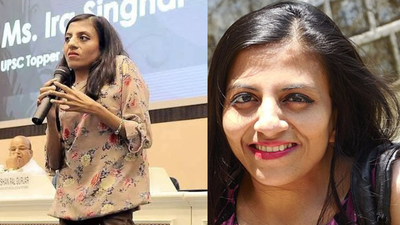
There are moments in life when rejection feels final, like a verdict stamped in ink. For Ira Singhal, one such moment arrived not in failure, but in success. She had cleared the Civil Services Examination.
For millions in India, that sentence alone carries the weight of sleepless nights, abandoned comforts, and years of discipline. But when Ira was allotted a post in the Indian Revenue Service, the offer came with a cruel caveat. Because of scoliosis, a spinal condition that limited the movement of her arms, she was deemed “unfit” for the role. The system that had judged her capable on paper suddenly found her body inconvenient.
It would have been understandable to retreat. To take the rejection as a sign. To choose a safer path. Instead, she chose to fight. Scroll down to read more.
A dream that refused to leave
Ira had grown up in Delhi in a family that treated education as empowerment, not ornament. She was bright, curious, and determined long before the world began defining her by her disability. She studied engineering, built a corporate career, and lived the steady life of a professional who had done everything “right.”
But somewhere beneath that stability, the desire to serve through the civil services never left her.
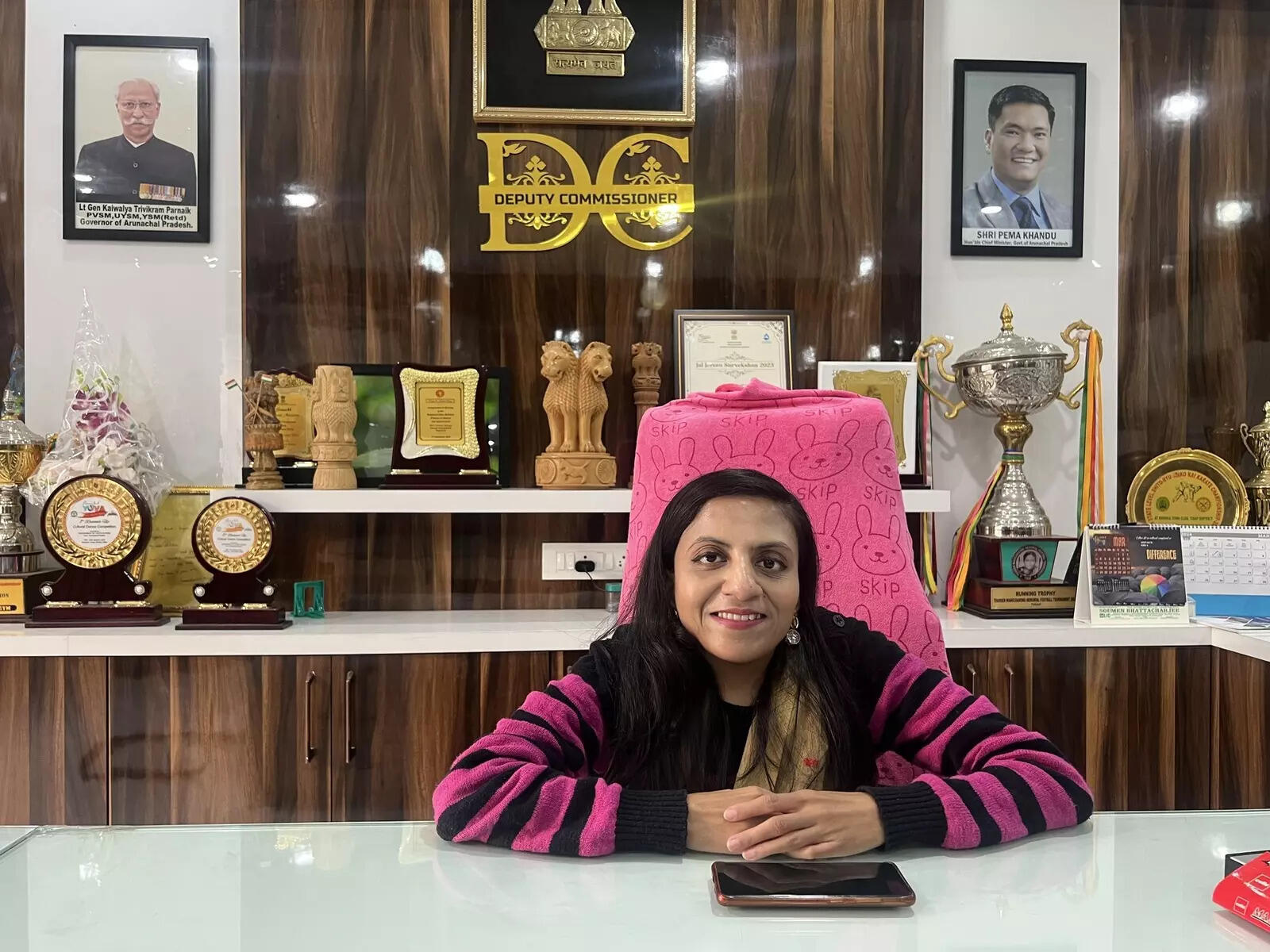
When she first prepared for the UPSC, it was not with the drama of defiance but with quiet ambition. The Civil Services Examination is famously unforgiving, a marathon disguised as a test. Months stretch into years. Notes pile up. Doubt becomes a companion. Yet Ira persisted. When she cleared it, she believed merit would be enough.The rejection from the revenue department was more than administrative. It was personal. It told her, in effect, that no matter how hard she worked, her body would always be the headline.
Taking the system to court
So she went to court.Challenging a government decision is not a small act, especially for someone aspiring to work within that very system. But Ira understood something essential: if she accepted this quietly, countless others with disabilities would face the same invisible wall.
The fight was no longer just hers.The legal battle stretched on. Bureaucracy rarely moves with urgency, and prejudice rarely announces itself loudly. It hides in procedures, in medical clauses, in the language of “fitness.” But Ira stayed the course. She continued studying. She continued preparing. She refused to let the pause define her.

The year everything changed
And then came the year that changed everything.In 2014, Ira Singhal appeared for the Civil Services Examination again.
This time, she did not just clear it. She topped it. All India Rank 1.In a country where the UPSC results dominate headlines for days, her name stood at the very top. The same system that once questioned her capability now had to acknowledge her excellence. Merit was no longer debatable. It was undeniable. But what makes her story powerful is not the rank alone. It is the steadiness beneath it.
Beyond rank one
Ira has often spoken about not wanting sympathy. She does not frame herself as a victim of circumstances.
Instead, she speaks about accessibility, fairness, and the quiet confidence that disability does not diminish intellect. Her victory was not loud or theatrical. It was measured, composed, almost matter-of-fact. As if to say: this is what was always possible.In a society where physical difference is often met with discomfort, her achievement unsettled assumptions. It challenged the casual bias that equates physical ability with leadership.
It forced institutions to reconsider what “fit for service” truly means. And for thousands of aspirants watching from small towns and big cities alike, her story redrew the boundaries of what could be imagined.
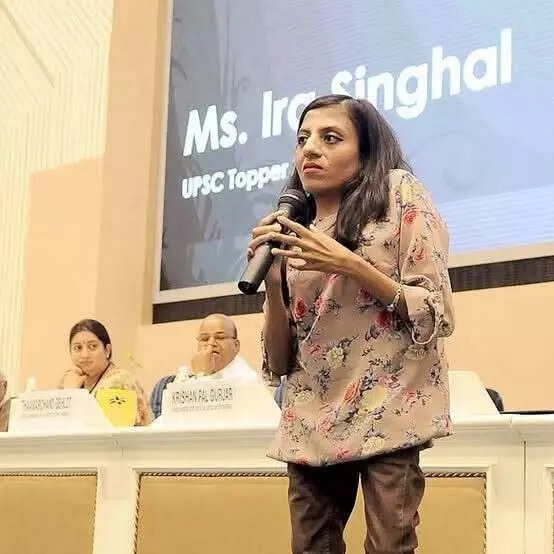
The UPSC examination is often described as a test of endurance. But endurance is not only about studying long hours. It is about absorbing disappointment without internalising it. It is about facing systems that are not built for you and insisting on entry anyway.
Ira’s journey reminds us that resilience is rarely glamorous. It looks like paperwork. Court hearings. Revisions at midnight. It looks like choosing not to shrink.Today, as a civil servant, she represents more than administrative authority. She represents possibility, for young women told they are “too fragile," for students with disabilities navigating inaccessible classrooms, for anyone who has been evaluated first by limitation and only later by talent.
Her story does not end with a rank list. It continues in the everyday work of governance, in decisions made, policies shaped, and rooms entered where people like her were once absent.
Rejection tried to reduce her to a medical condition. She responded by becoming a benchmark. In topping the UPSC, Ira Singhal did more than secure a prestigious position. She altered a narrative, from “not fit” to first. And sometimes, that shift in narrative is the most powerful victory of all.







 English (US) ·