

 1 hour ago
4
1 hour ago
4
ARTICLE AD BOX
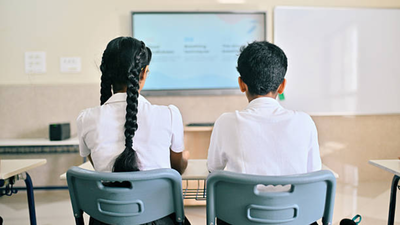
There’s a familiar scene in many homes. A student sits at a desk with a laptop open, books stacked nearby, tabs multiplying quietly at the top of the screen. One tab holds an online lecture, another a research article, a messaging app, and somewhere in between, a short video that wasn’t part of the plan but felt harmless at the time.
Nothing dramatic happens, no big rule is broken, and yet something slips. Focus thins out, time bends. Screen time rarely announces what it is. It doesn’t walk in wearing a sign that says “learning” or “distraction.” It just shows up and settles in.
When screens feel like a doorway, not a distraction
Screens can actually teach well, and that’s hard to ignore. A math problem that felt impossible can suddenly click after watching someone explain it slowly, twice maybe.
History feels less dry when faces, voices, and old photos show up. For some kids, screens explain things that textbooks never quite managed to.
Everyday strategies that will transform your child's personality
Kids who are curious by nature often use screens to chase questions down rabbit holes, sometimes starting with homework and ending up learning something unexpected but meaningful. Coding tutorials, language apps, art lessons, even quiet study playlists, all live inside those glowing rectangles.
For some students, screens feel less like pressure and more like permission to learn at their own pace.And honestly, it’s hard to ignore how normal this has become. Education itself now lives partly online. Assignments arrive through portals, classes happen on video calls, and even notes are shared digitally. Asking students to avoid screens completely would feel like asking them to avoid pencils in another era.
When “just five minutes” turns into much more
But screens are also very good at pulling attention sideways. Not loudly, not rudely, just gently enough that it doesn’t feel dangerous. A notification buzzes, and suddenly a five-minute break stretches into half an hour. A quick check turns into scrolling without memory of when it started.Unlike older distractions, screens don’t require students to leave their seats. Everything happens in the same place, on the same device, often within the same window.
That makes it harder to notice when learning slips into something else. There’s no clear line between studying and not studying, just a blur.Parents notice this tension too. A child might insist that screen time is for school, and sometimes that’s true, but sometimes it’s not entirely true either. The difference is subtle, and calling it out can feel like nitpicking or mistrust, which nobody enjoys.
Students stuck in the middle
Many students feel caught between two truths. Screens help, but screens also exhaust.
After hours of staring, eyes ache, minds feel foggy, and motivation dips. Some kids feel oddly restless after long screen sessions, like the body knows it has been still for too long, even if the brain was busy.There’s also pressure always to be available to receive messages from classmates about assignments, reminders from teachers, updates from apps, all arriving at once. Learning starts to feel less like thinking and more like responding.And yet, taking a break from screens can feel impossible, even scary. What if something important is missed? What if falling behind happens quietly? These doubts don’t always get spoken out loud, but they sit there.
Why does this debate go beyond devices?
At some point, it becomes clear that the debate isn’t truly about screens. It’s about attention. About how easily it fractures, and how hard it is to gather back once it scatters.Screens simply make that struggle more visible. They reflect habits that already exist, impatience, curiosity, boredom, and pressure to perform.
Blaming technology alone feels too easy, and maybe a little unfair. A distracted student isn’t created by a device, but the device certainly doesn’t help.Screens also carry feelings. Comfort, distraction, a sense of control. When school feels heavy, scrolling can feel like breathing space. When boredom hits, it fills the silence. These needs are human, not technical.
An answer that changes from day to day
Is screen time an educational tool or a distraction for students? The honest answer shifts depending on the day, the child, the subject, and even the mood.
Some days it’s a bridge to understanding. Other days, it’s a fog that rolls in quietly and stays longer than expected.Maybe the more interesting question isn’t about choosing sides, but about noticing patterns. When screens help, they feel purposeful and grounded. When they distract, they feel restless and hollow. That difference matters, even if it’s hard to define.And that’s where things are left for now, not with rules carved in stone or clear verdicts, but with a shared awareness that learning, like attention, is fragile. Screens are part of the landscape students move through every day, neither heroes nor villains, just tools carrying the weight of how they’re used, and how students feel while using them.









 English (US) ·