

 2 days ago
5
2 days ago
5
ARTICLE AD BOX
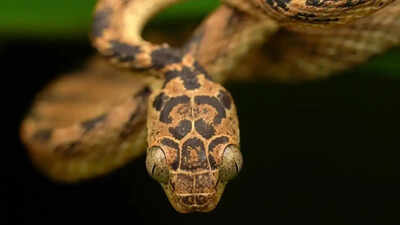
(Photos from Shutterstock)
The Western Ghats are a series of green ranges located along the western side of India, which encompasses areas of Gujarat, Maharashtra, Goa, Karnataka, Kerala, and Tamil Nadu. These ranges are considered as one of the eight hottest biodiversity hot spots on earth, with a great variety of flora and fauna.
Along with the lush forests, hills, streams, and plantations, there lies yet another group of residents: the snakes.Though many may fear snakes, in the Western Ghats, they play a critical role in the ecological system, controlling the population of rodents, providing food for other predators, and keeping the delicate balance of nature intact. Though some species of snakes are venomous and require precautions, most of them are shy animals that avoid humans.
A land of extraordinary snake diversity
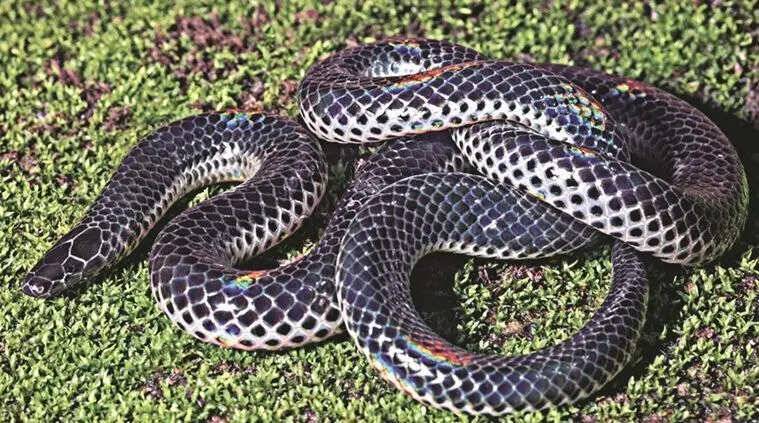
The interesting feature about the snakes from the Western Ghats is their diversity. According to estimates, there are at least 90 different species of snakes in the region, and most of these species cannot be found anywhere else in the world. Studies by the Indian Institute of Science as well as various environmental organizations have emphasized the fact that the Western Ghats are important due to their reptilian endemics.
The venomous snakes of the Western Ghats
According to a study available in Science Direct, one of the most recognizable snakes from the area is the King Cobra. Reaching up to 15 feet long, this is the longest venomous snake in the world. The king cobra is considered a symbol of power and is sometimes referred to as the king of the jungle. This animal differs from the rest because it only eats snakes. It is intelligent, quick, and one of the apex predators in the forest ecosystem.
Contrary to common belief, the king cobra does not attack people and will run away if given a chance.Yet another snake which excites the minds of those who love wildlife is the Malabar Pit Viper. It is unique to the Western Ghats and known for the vibrant colors that characterize it. A Malabar Pit Viper could be green, yellow, brown, orange or even red in color, helping it blend easily in with moss-covered branches or a wet floor of the forest.
The rainy season in the forests sees many photographers looking out for the snake.
A recent review in 2023 mentioned how very little is still known about the species.
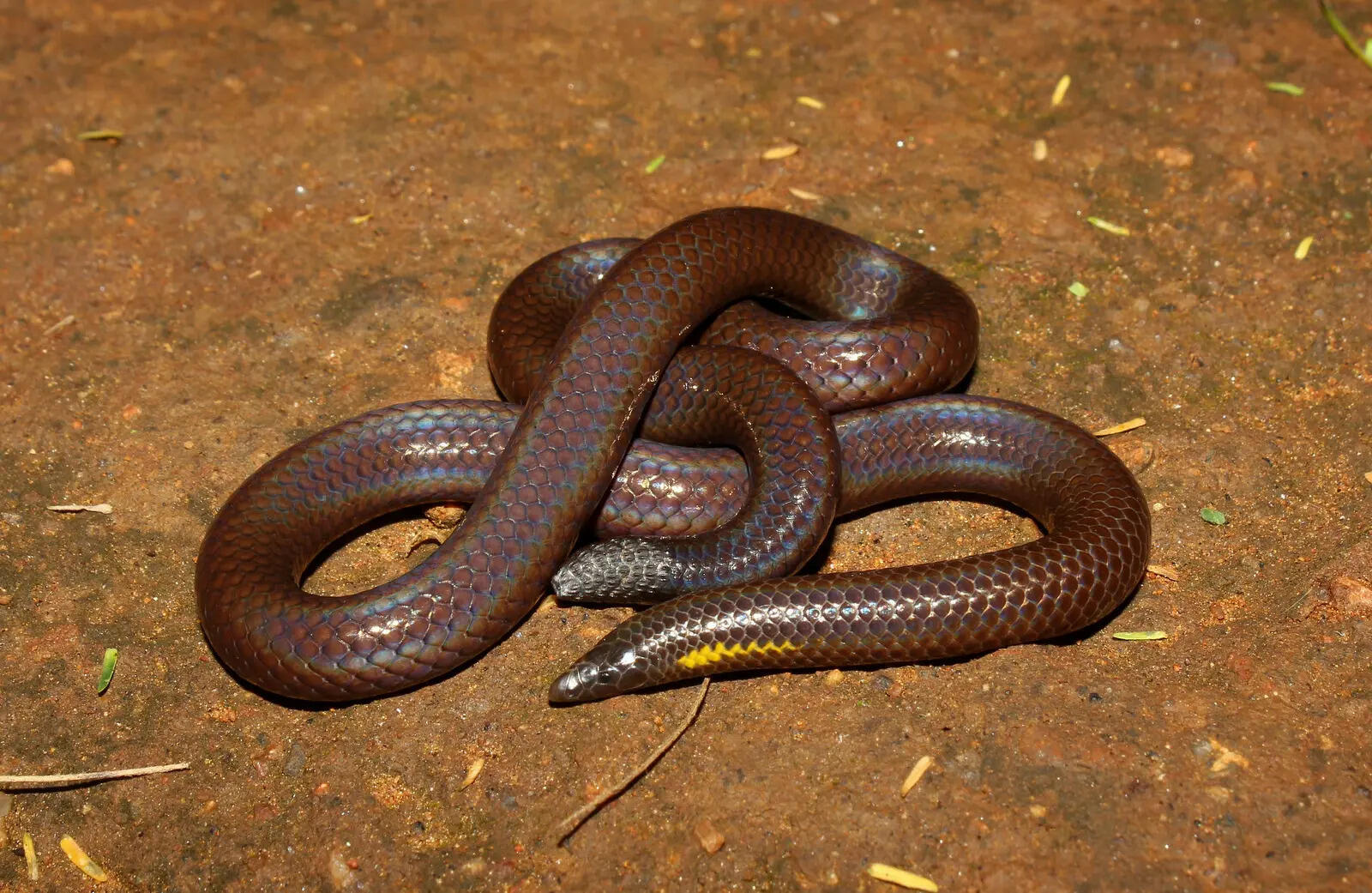
Related in nature to the Bamboo Pit Viper is another excellent example of camouflage: the Hump-nosed Pit Viper. Known for its habit of resting on low shrubbery, this snake uses its stealth tactics more than speed when it comes to avoiding discovery. Studies conducted into pit vipers in Goa in Western Ghats showed that species like the Bamboo Pit Viper and Malabar Pit Viper are very specific about their choice of habitat, becoming highly prevalent during the monsoon months.There is also the Hump-nosed Pit Viper, a small yet medically important snake. Easy to identify by its raised snout, this snake prefers to be among the leaf litter and underbrush. Not known as the cobra or other Indian pit vipers, however, the scientific community has started recognizing the importance of the Hump-nosed Pit Viper. Research has highlighted the risks of pit vipers biting people and the medical hazards associated with such bites.
All famous snakes found in the Western Ghats do not have the potential to kill anyone by injecting venom into the victim’s body. For example, the Green Vine Snake deserves special attention since its long body covered with green skin blends perfectly with green vegetation. Thanks to its beautiful color and the structure of the body, including a pointed snout, this animal looks like a masterpiece of creation.Another great reptile found in the Western Ghats is the Indian Rock Python.
In contrast to poisonous snakes, pythons are able to kill the prey by squeezing it very tight with their bodies. They can grow pretty big and are usually able to swallow large creatures. Pythons are generally very secretive animals and hide in grassland, forests and wet areas.
Why these snakes need protection
Endemicity remains one of the least appreciated facets of the Western Ghats snake fauna. Endemic reptiles like Beddome’s Cat Snake and the Malabar Pit Viper have been evolving over the course of millions of years within these hills.
These snakes’ survival is heavily dependent on the local climatic conditions. If the localities where these snakes live are gone, the snakes themselves may also disappear. It is because of this that conservation biologists consider snakes as an indicator of the ecosystem’s well-being.
An abundant snake fauna indicates a healthy forest with plenty of prey, vegetation and water bodies.
The Science Direct report also mentioned that the Western Ghats snakes are increasingly threatened.
Agricultural and developmental activities like road-building, increasing urbanisation, and deforestation are all leading to the loss of their habitat. The roadkills are becoming a significant problem among these snakes as well, especially in the rainy season when they become more active. Even climate change poses new threats in the form of changing rainfalls and habitat viability for several reptilian species.
In a computer modelling exercise predicting the future of the endemic reptiles in the Western Ghats, scientists predict changes in the suitable habitat for several species.Public perception is another issue. Many snakes have been killed due to fear despite posing no harm to humans at all. However, the experts always say that most of the cases of snake bite occur due to attempts of handling, catching, or killing snakes.
Guardians of a hidden world
While tigers, elephants and beautiful birds are the names that come first while talking about the Western Ghats, snakes too must get their recognition. They are the ancient creatures who are well adapted to life in the most complex ecosystem in the world. From the intimidating King Cobra, the beautiful Malabar Pit Viper to the nearly invisible Green Vine Snake, snakes are the perfect example of the magnificence of the Western Ghats.While thinking of the Western Ghats next time, keep in mind that apart from the dense greenery and waterfalls, the Western Ghats have another secret world that snakes have developed after millions of years of evolution.









 English (US) ·