

 1 hour ago
4
1 hour ago
4
ARTICLE AD BOX
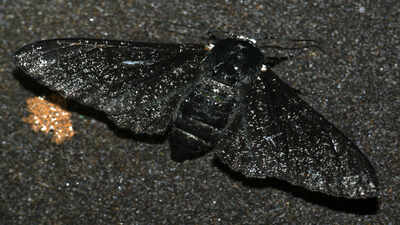
A remarkable genetic shift in the peppered moth, triggered by a 'jumping gene,' allowed it to adapt rapidly to industrial pollution. As soot darkened trees, a mutation increased dark pigmentation, saving moths from predators. Image Credits: Wikimedia Commons
A walk through the calm forests of the English countryside can make it seem as if there is nothing more to the clear air and tree moss than what is visible. Nature can seem timeless and tranquil, far removed from the bustle of city life.
But these woods also hold one of the best-known examples of rapid biological adaptation. It is a story where an unassuming bug was able to change its form entirely in order to survive in an artificial environment.Before the nineteenth century, the common peppered moth was known for its light-coloured wings speckled with tiny dark spots. This pattern helped the moths blend in with pale lichens on birch trunks. Clinging to the bark during the daytime, they were virtually invisible to hungry birds.
However, as the Industrial Revolution began to sweep across Great Britain, thousands of factory smokestacks started pouring thick, oily coal soot into the atmosphere, fundamentally altering the local landscape.The heavy soot quickly killed the delicate lichens and stained the tree trunks charcoal black. This dramatic environmental shift was documented in a study published in the journal Nature, under the title The industrial melanism mutation in British peppered moths is a transposable element. Led by a dedicated team of evolutionary biologists from the University of Liverpool, including principal investigator Dr Ilik Saccheri, the genomic analysis identified the likely genetic mechanism behind the moth’s colour change.
The researchers found that a single genetic event likely helped the moth population shift colour to match the blackened trees and avoid local decline.A jumping gene becomes a lifesaver in the darkTo appreciate how this incredible transformation occurred so quickly, we have to look past simple cosmetic changes and dive deep into the architecture of the insect's DNA. As coal soot covered the forests, the traditional pale moths suddenly lost their protective camouflage.
Standing out starkly against the blackened bark, they became easy pickings for predatory birds, causing their numbers to plummet. Meanwhile, a previously unseen, all-black variation of the moth suddenly began to thrive, rapidly spreading through industrial regions until they made up nearly 99 per cent of the local population by the late twentieth century.The research paper in Nature found that this protective colour shift was triggered by a transposable element, or jumping gene.
This specific piece of mobile DNA had physically duplicated and inserted itself directly into a gene called cortex, which regulates cell growth and wing development. By using advanced statistical simulation models, the scientific team was able to build an evolutionary time machine, tracing the original genetic insertion back to approximately eighteen nineteen, which perfectly aligns with the historical rise of coal-powered factories in Manchester.This jumping gene did not alter the protein structure itself, but increased cortex expression during early wing development. This biological change increased the production of dark pigmentation scales, turning the wings a darker colour. It took roughly 30 generations for this mutation to become common enough to be noticed by Victorian naturalists, showing how quickly a wild population can adapt to environmental change.
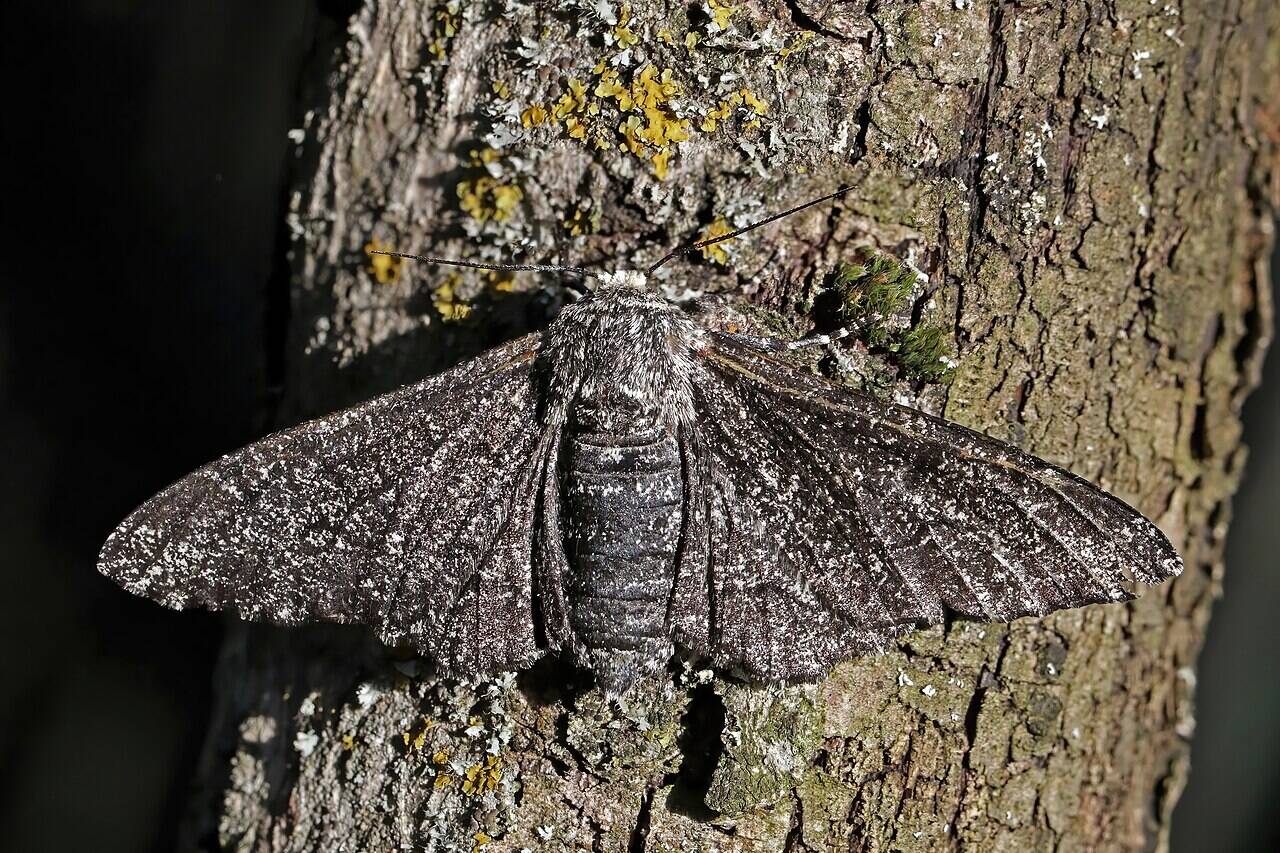
With cleaner air, the pale form has now returned, showcasing nature's incredible adaptability and the delicate balance of ecosystems. Image Credits: Wikimedia Commons
The environmental recoveryFollowing the passage of strict clean air legislation in Britain, factories began cleaning up their emissions, and coal soot stopped blanketing the countryside. Within a few short decades, the dark soot washed away from the woodlands, and the pale lichens gradually returned to the birch trees. As the trees lightened, the selective pressure shifted, making the dark moths more visible and allowing the speckled form to return.This example shows that a trait can be beneficial or harmful depending on the surrounding environment. As a result of the changes in the woods brought upon them by human interference, the genome of the moth had the necessary adaptability to overcome the problem by regulating its defences according to its surroundings.Studying the moth’s genome offers a clearer view of how delicate the balance of nature can be. Saving our planet requires the recognition of our intimate relationship with nature and the fast pace of the evolutionary process.









 English (US) ·