

 4 days ago
13
4 days ago
13
ARTICLE AD BOX

Veteran journalist Sudhir Chaudhary reflected on Indian television's evolution at the DNPA Conclave 2026, contrasting its nascent days in the mid-90s with today's digital and AI-driven landscape. He emphasized that while technology advances, human oversight remains crucial for news accuracy, as AI can only provide a partial picture, leaving a vital gap for human judgment.
The DNPA Conclave 2026 was recently held, where veteran journalist Sudhir Chaudhary talked about the remarkable transformation of Indian television journalism. He addressed the rapid rise of digital news platforms and the evolving role of artificial intelligence in media.
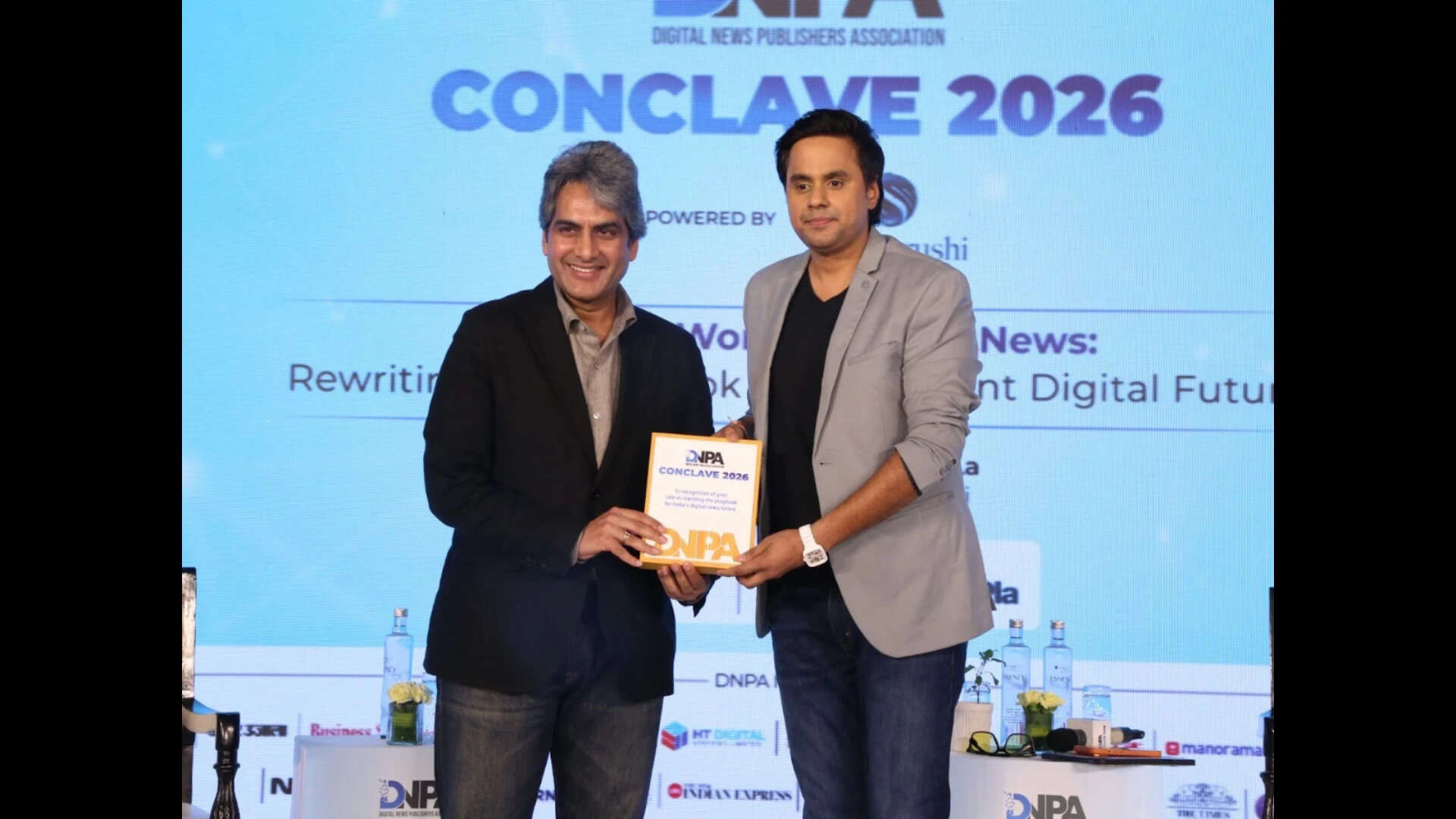
Looking back at these early days in the profession, Sudhir Chaudhary spoke about how different it was in the mid 1990s. "When I began my career in 1994–95, television was just taking off in India. There was only one news bulletin a day, aired around 9 or 10 pm. People would wait eagerly for that slot, believing it marked the dawn of a new era in broadcasting. It was truly just the beginning," he said.
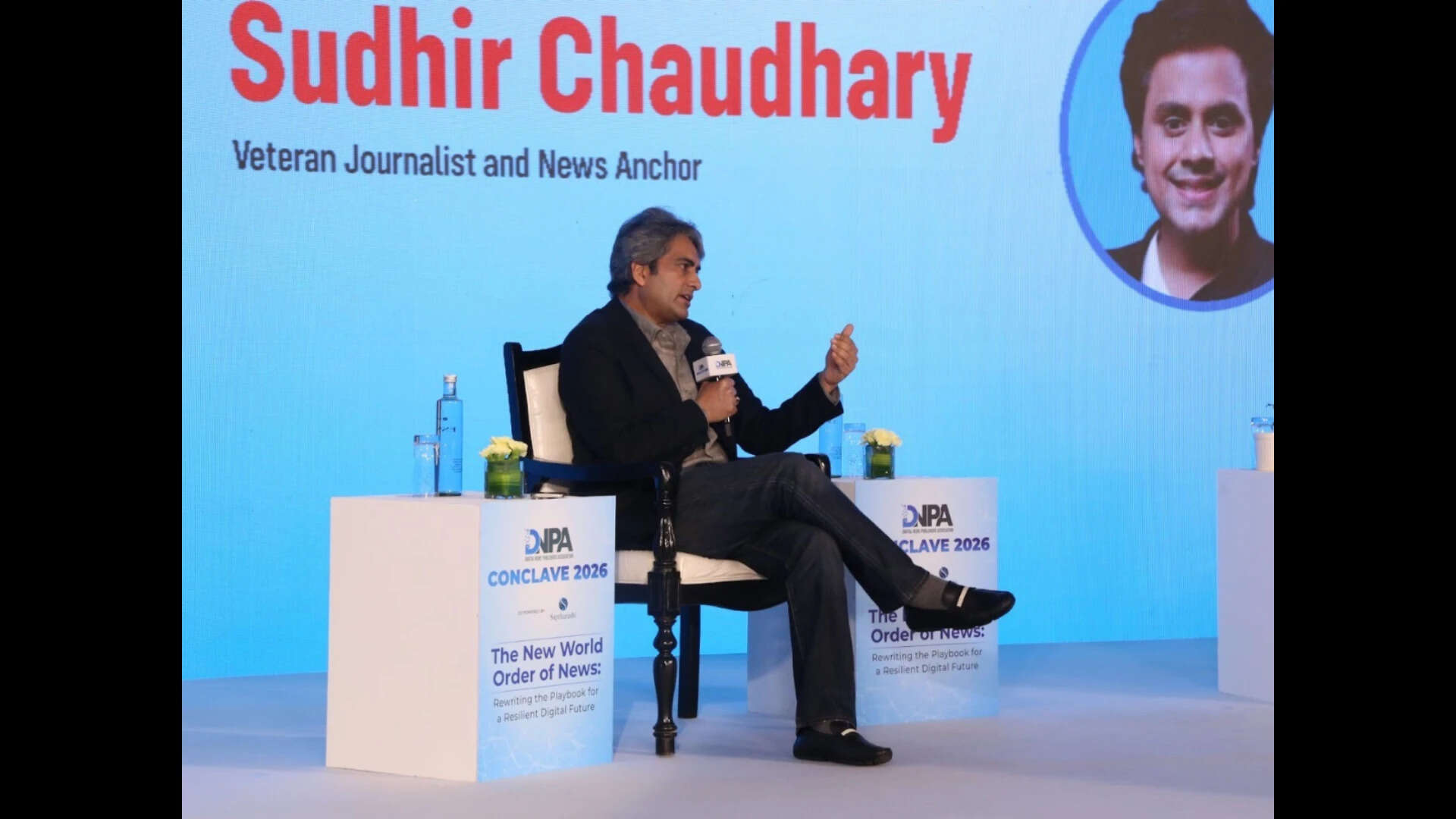
He also mentioned the ongoing debate about the future of television.
He said, "People say TV is dying now since it’s being taken over by social media, which is also being challenged by AI. But I feel certain things have not changed."
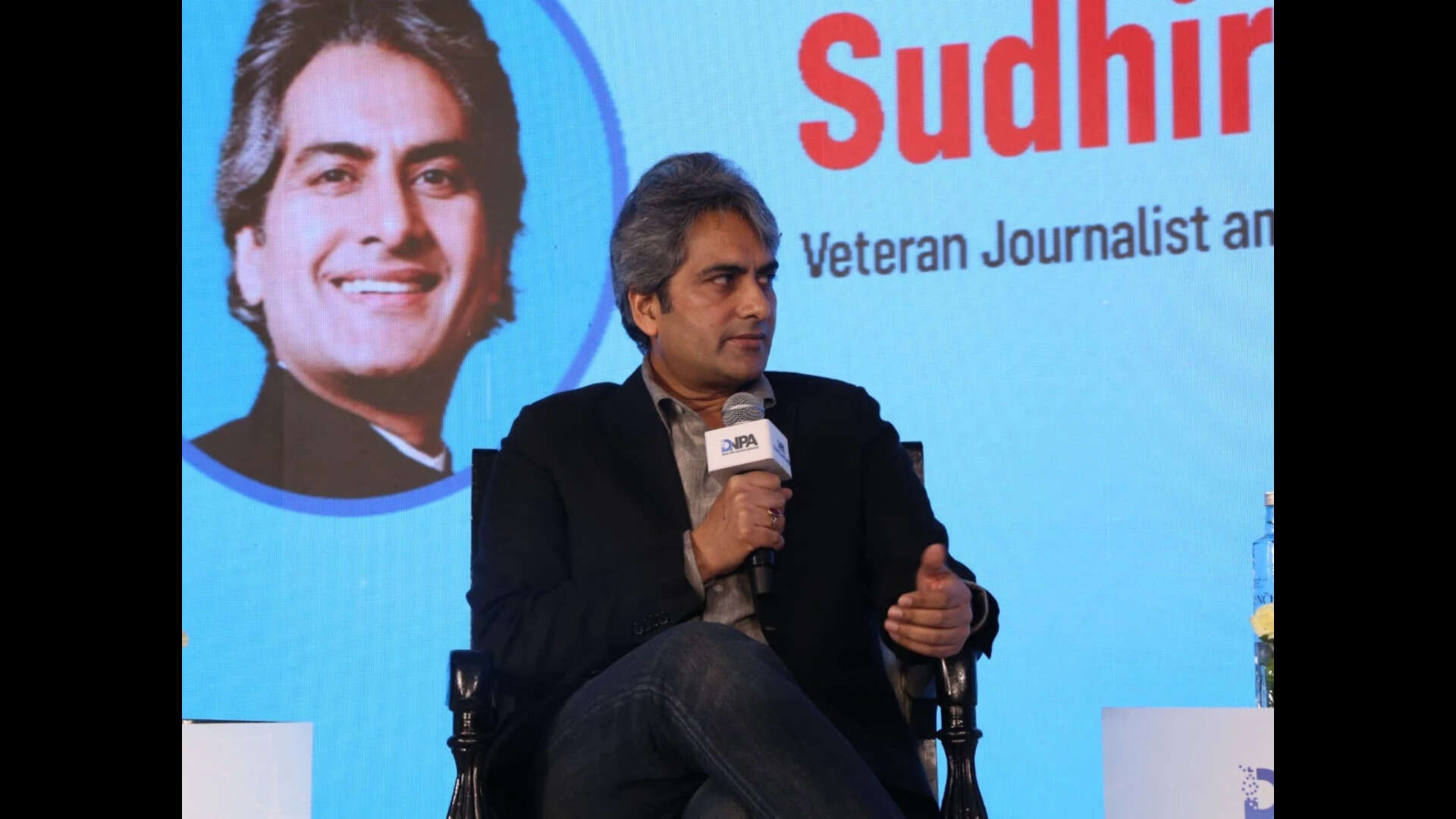
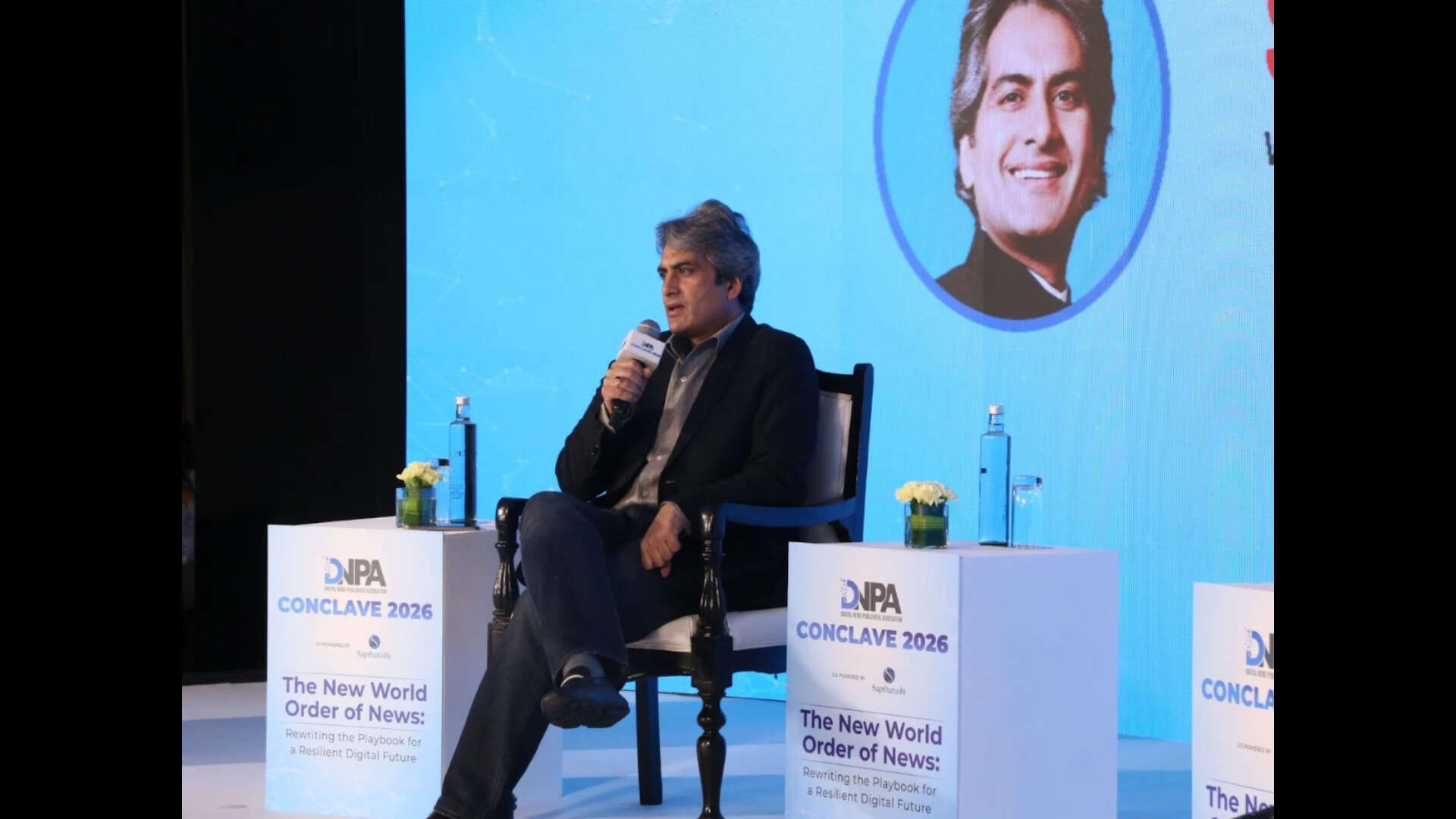
He also talked about the growing role of artificial intelligence in news production and the need of human touch. “It’s very important to supervise the content generated by AI. AI gives 60–70% accurate content. But the remaining 30% gap is a gamechanger. AI will never be able to fill this gap. It will require human supervision,” he said.






 English (US) ·