

 1 hour ago
5
1 hour ago
5

The Tamil Nadu government has revised the District Mineral Foundation (DMF) Rules regarding the use of funds from the District Mineral Trust for the benefit of people and areas affected by mining-related operations.
The Tamil Nadu District Mineral Foundation Rules, 2025, notified a few days ago, will supersede the Tamil Nadu District Mineral Foundation Rules, 2017.
As per the revised rules, if the holder of a mining lease, composite license, quarry lease, or permit contravenes the norms regarding contributions to the fund, they will be penalised with an amount equivalent to a one-time payment of the contribution, in addition to the contribution that must be paid, along with 12% of interest, for the period of contravention.
Earlier, as per the Tamil Nadu District Mineral Foundation Rules, 2017, such contravention was punishable with imprisonment up to two years, or fine extending to ₹5 lakh, or both. In case of continuing contravention, the penalty included additional fine that may extend to ₹50,000 for each day during which contravention continued after the first conviction.
The District Collector concerned would be the chairperson of the District Mineral Foundation Trust, Managing Committee, as well as the Governing Council of the DMF.
All payments of royalty or seigniorage fee must be collected with the Trust Fund component, and no royalty or seigniorage fee shall be accepted without mandatory contribution towards the Trust Fund.
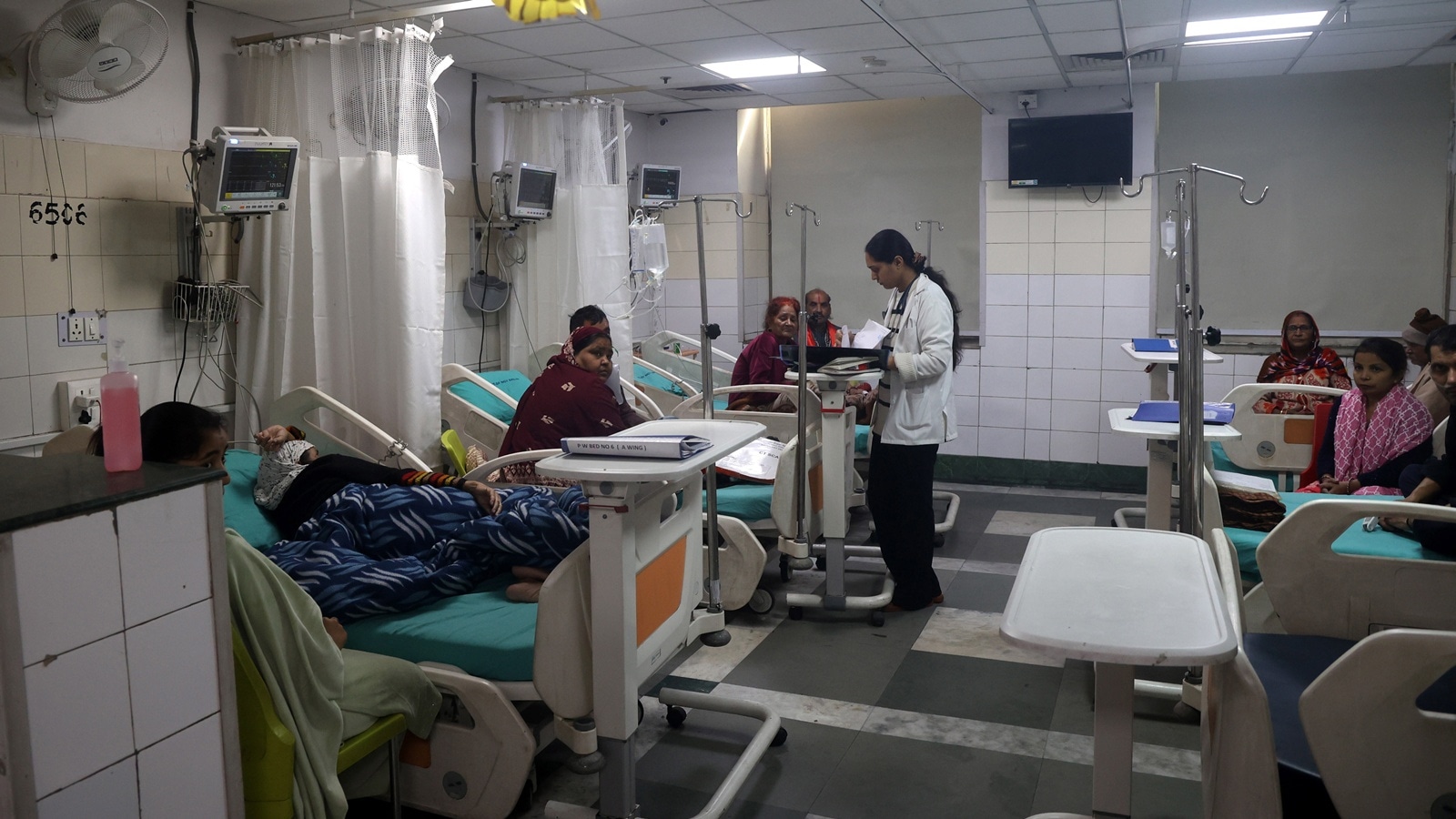
The rules specify that a minimum of 70% of the Trust Fund must be spent only on the directly affected area, as well as for high-priority sectors such as drinking water supply, environment preservation, health care, education, and welfare of women.
The districts having an annual collection of ₹10 crore or more shall maintain an endowment fund, with a reasonable amount not exceeding 10% of the annual receipts, for providing sustainable livelihoods. This fund shall be used to create and sustain livelihoods in areas where mining activity has been halted.


 English (US) ·