

 1 hour ago
5
1 hour ago
5
ARTICLE AD BOX
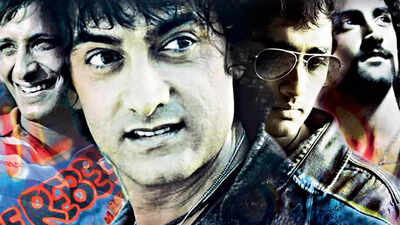
Rang De Basanti completes 20 years on Jan 26
Rang De Basanti ’s tagline was ‘A generation awakens.’ And when it was released in 2006, the movie truly became a movement. Director Rakeysh Omprakash Mehra and writer Kamlesh Pandey had always wanted to make a film that would inspire the youth of the nation by telling the stories of freedom fighters.
When they first discussed the script with college students, it was outright rejected.However, after the film was released, the director says, a generation did indeed awaken – and the echoes of the film can still be heard in citizen movements today.‘Young Indian professionals left their jobs to do social work’To find if the youngsters of 2000s could relate to Bhagat Singh’s story, Pandey and Mehra surveyed youngsters. They invited 30-40 college-goers in Mumbai to discuss the script The Young Guns of India , but the group rejected it.
Mehra was shocked to find that the young generation was not interested in revolutions – they were more interested in fashion, going to the US to study, working for a multinational, and settling abroad. Mehra believed that the sample was wrong, and tried another focus group in Delhi.Students in Delhi expressed similar aspirations and rejected the idea within five minutes. Both the writer and the director realised it was not going to work.
Yet, when Rang De Basanti was released, one of its after-effects was that young professionals from abroad began leaving their jobs to open NGOs and work for change in India.‘Change was positive’“There is a documentary on the after-effects of Rang De Basanti where people from all walks of life – then Chief Justice of India, senior officials, thought leaders, students talk about the impact of the film,” Mehra says, adding, “A group of students from Pune tore their passports and started their own Rang De movement.
Youngsters started NGOs in Ahmedabad, and people came back from America to start social work.”“The change (the film brought about) was not angry. The change was positive. I saw so many youngsters and mentored them.”‘Journalism played an integral part in the film’Mehra shares, “I took the film to Delhi on the 26th (in 2006), and I had a screening at 9 am with some very senior journalists and two of them broke down. I knew that something special was happening.
There were only eight of them in the whole theatre. I must say that the press played an integral part in the movie becoming a movement. And not just the film press, but the journalism of India played an integral part in what the film became.
”The RDB effectWhen Manu Sharma was acquitted on the grounds of insufficient evidence in February 2006, four weeks after the release of Rang De Basanti , Times of India ran the headline No One Killed Jessica . The verdict brought 2,500 people – many of them students – to gather for a candlelight rally at India Gate. Mehra felt that the protest was a replica of the candlelight vigil scene from the film. Students joined the protest wearing RDB T-shirts and quoting lines from the film.
He recalls, “The media called it the Rang De Basanti effect.” Candlelit protests inspired by RDB became a symbolic method to raise issues.


 English (US) ·