

 1 hour ago
5
1 hour ago
5
ARTICLE AD BOX
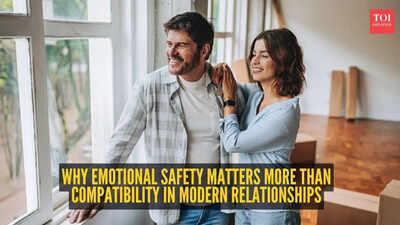
Modern relationships seem pretty obsessed with this whole idea of compatibility. Like we ask couples if they sort of enjoy the same food, if they have the same hobbies, watch the same shows, or basically want the same kind of lifestyle.
Dating apps are built to match interests, preferences, and personalities, too. But somewhere along the way, we kind of shrank compatibility down to similarity only, instead of seeing it as more nuanced.But real compatibility is like, much deeper than just same playlists or matching travel goals, you know.One of the biggest misunderstandings about relationships right now is that compatibility, by itself, automatically brings emotional security.
Yet in truth, emotional safety is often the highest kind of compatibility, really, not the other way around.You can like all the same things as someone and still feel, like, deeply anxious around them. You might enjoy the same music, go to the same cafés, laugh at the same jokes, and yet feel judged, dismissed, emotionally ignored, or unsafe when you actually try to express your real feelings. Shared interests can make attraction happen, but emotional safety is the real thing that decides whether a relationship can hold up once vulnerability shows up.
Emotional safety is when you can just be there, fully in front of someone, without this constant dread of humiliation or being cast out, and also without fearing punishment or that little emotional pull away. It's basically the chance to say what you really think without tiptoeing around like you are on eggshells all the time. You know, disagreement doesn’t have to turn into disrespect by itself; it’s not an automatic thing.
And it feels more like being emotionally supported, held in place, rather than having your feelings constantly managed.

And maybe even more importantly, it’s about being able to show the less polished parts of yourself without feeling shamed for them. People kind of assume relationships move in this neat order: first love, then trust, then safety. But psychologically, it’s often the other way around. You tend to feel emotionally safe first.
That safety builds up trust. Trust then grows into respect, and over time, that respect becomes the ground from which deeper love can really rise.Love without emotional safety often turns out unstable, in a way that almost sneaks up on you. It can slide into possessive habits, anxious loops, very performative behaviors, or just… emotionally draining, constantly. A lot of folks end up staying anyway, because love is there, but safety is not, and it’s hard to name that difference.
They’re adored, but not truly heard. Wanted, yet not understood. Needed, but somehow not emotionally guarded or sheltered.So it makes sense that some relationships feel lonely, even while two people are physically right together.In a lot of relationships, people aren’t scared of conflict, exactly. It’s more like they fear what it’s going to take from them emotionally. Like, will they get mocked, will they be pushed aside? maybe even gaslit, or hit with that long-punished silence.
Or they get labeled “too sensitive” and made to feel small for having feelings. When vulnerability keeps getting answered with defensiveness instead of understanding, emotional safety kind of vanishes, and fast.In a lot of relationships, people aren’t scared of conflict, exactly. It’s more like they fear what it’s going to take from them emotionally. Like, will they get mocked, will they be pushed aside? maybe even gaslit, or hit with that long-punished silence.
Or they get labeled “too sensitive” and made to feel small for having feelings. When vulnerability keeps getting answered with defensiveness instead of understanding, emotional safety kind of vanishes, and fast.In today’s fast-moving digital culture, a lot of relationships turn into this kind of high-performative thing. It looks like couples are connected online, but then they sort of stumble when it comes to emotional closeness offline.
We’re learning how to curate attraction, sure, but not really how to build safety, or that feeling of it being steady. And without that emotional safety, compatibility ends up being kinda fragile, eventually.Long-term relationships aren’t kept alive just by shared hobbies or those easy common interests alone. It’s more like emotional reliability, yes. Like, you notice it when even hard talks happen, and you still feel respected.
You feel safe enough inside, psychologically, to grow, to stumble, to say what’s true, and then to keep changing together.In its healthiest form, love is not only about meeting someone who simply likes what you like. It’s also about finding a person whose presence lets your nervous system exhale. That’s the genuine kind of compatibility, the real deal.By Deepak Kashyap, Counselling Psychologist








 English (US) ·