

 1 hour ago
3
1 hour ago
3
ARTICLE AD BOX
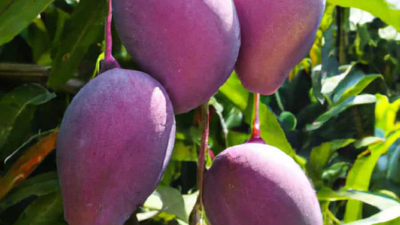
Image: https://x.com/WorldlyHQ
There's a mango in Japan that costs more per kilogram than a car payment. We're talking Rs 2.5 lakh, roughly $3,000, for a single kilogram of fruit that most people will never taste.
It's called the Miyazaki mango, and it's become something of a status symbol in Japan, the kind of thing you buy when you want to prove you've truly made it. But here's where it gets interesting: this ultra-premium fruit, considered the world's most expensive mango, now grows in an orchard in Bihar, belonging to a farmer who's managed to do what seemed impossible just a few years ago.His name is Ranvijay Kumar, and he's a living example of how obsession with perfection can actually pay off.
When he first decided to attempt growing Miyazaki mangoes, it wasn’t easy for him. The variety requires specific conditions: a particular kind of soil, precise temperature ranges, careful water management, and protection from pests that could ruin the delicate fruit. The journey started with getting saplings. This was harder than it sounds. Japan doesn't exactly export Miyazaki mango trees like they're selling them at a nursery.
Ranvijay had to work through agricultural channels, bringing in the saplings legally, and then figure out how to make them actually grow in Indian soil. The first few years were rough. Some trees didn't survive. Others grew but didn't produce fruit that met the standards.
When they finally did get mangoes, they weren't quite right, the color wasn't perfect, the texture was slightly off, the taste wasn't hitting that elusive balance of sweetness and acidity that makes a Miyazaki special.And it worked. By year five, Ranvijay was producing Miyazaki mangoes that actually competed with the Japanese originals. The Rs 2.5 lakh per kilogram price tag might sound absolutely insane. A single Miyazaki mango can weigh around 400 grams, meaning you're looking at Rs 1 lakh for one fruit. For many Japanese consumers, though, buying one of these mangoes for a special occasion, a gift, or a personal indulgence is worth it.
It's the luxury experience of tasting something genuinely rare and exceptional.
Growing Miyazaki mangoes: What these fruits actually need
If you want to grow Miyazaki mangoes, you're basically signing up for the most high-maintenance fruit tree you've ever encountered. These aren't mangoes that'll just happen if you plant them and hope for the best. They demand specific conditions, and if you're not willing to give them what they want, they'll let you know by producing mediocre fruit or nothing at all.Temperature is the first big thing. Miyazaki mangoes love warmth, but not too much of it. They thrive in temperatures between 20 and 30 degrees Celsius, with ideally no freezing at all. If your region gets frost, forget about it, these trees won't survive hard freezes. The Miyazaki prefecture in Japan sits in this sweet spot naturally, which is why the mangoes got so good there in the first place. So if you're thinking about growing them somewhere with cold winters, you're already fighting an uphill battle.
The fruit also needs hot, dry conditions during the flowering season, which triggers better fruit set and development.The soil matters just as much as the temperature. Miyazaki mangoes prefer slightly acidic to neutral soil with good drainage. They hate waterlogging. If water sits around the roots, you're inviting root rot, and that's basically game over. The soil needs to be rich in organic matter but still loose enough that water moves through it.
Clay-heavy soils are a problem. Sandy soils need amendments. You're looking at soil that's almost custom-built for mango cultivation, which is why farmers often spend months preparing the ground before even planting a single tree.Water management is another tricky balance. The trees need consistent moisture during the growing season, but they also need a dry spell to trigger flowering. Too much water year-round and you get leaves but no fruit.
Too little and the fruit won't develop properly. Experienced Miyazaki growers know exactly when to water and when to hold back. Drip irrigation helps because it delivers water directly to the roots without wasting it, and it gives you precise control over how much the tree gets.Sun exposure is non-negotiable. These trees need full sun—at least six to eight hours daily. And they need air circulation to prevent fungal diseases.
Plant them too close together or in a spot where air gets stagnant, and you'll be fighting disease constantly. Spacing matters. Most Miyazaki orchards give each tree plenty of room to breathe.Then there's the pollination thing. Miyazaki flowers need bees or manual hand-pollination to set fruit properly. Some growers actually hand-pollinate their flowers with small brushes because they want to control exactly which flowers develop into fruit. The reality is that growing world-class Miyazaki mangoes requires attention to detail that goes beyond normal farming.








 English (US) ·