

 1 day ago
3
1 day ago
3
ARTICLE AD BOX
Bird nests are often seen as temporary structures, built quickly and abandoned once young birds leave. Yet some species produce homes that are so unusual they have attracted attention from wildlife writers, birdwatchers and researchers alike.
From giant communal constructions in southern Africa to carefully stitched leaves in tropical Asia, these nests reveal a surprising variety of approaches to raising the next generation.According to BirdSpot, several species have nests that are particularly distinctive. While the birds themselves differ greatly in size, habitat and behaviour, each has developed a nesting strategy that sets it apart from the majority of the world's bird species.
Weirdest bird nests on the planet
1. Sociable Weaver

pc: BBC
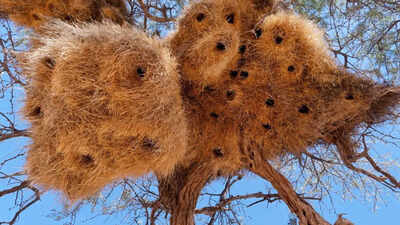
As per the San Diego Zoo, the sociable weaver is one of the most remarkable nest builders in the bird world. Found in southern Africa, this small bird creates enormous communal nests that can house large numbers of individuals at the same time.The structures contain multiple chambers and may accommodate more than a hundred pairs of birds. It is one of the largest communal nests known, with certain examples weighing hundreds of kilograms and lasting for decades.
Together, these accounts present a species that treats nest-building as a long-term communal effort rather than a seasonal task.2. Oropendola

pc:BBC
The hanging nests of the oropendola appear in both source lists. As per the BBC, notes that the birds construct long pouch-like nests suspended high in rainforest trees, while Bird Spot describes colonies where dozens of nests may hang from a single location.These woven structures can reach impressive lengths and are generally built by females using natural fibres gathered from the surrounding forest.
Their elevated position places them well above the ground, creating a striking sight when several nests are clustered together beneath a tree canopy.3. Hamerkop
PC: BBC
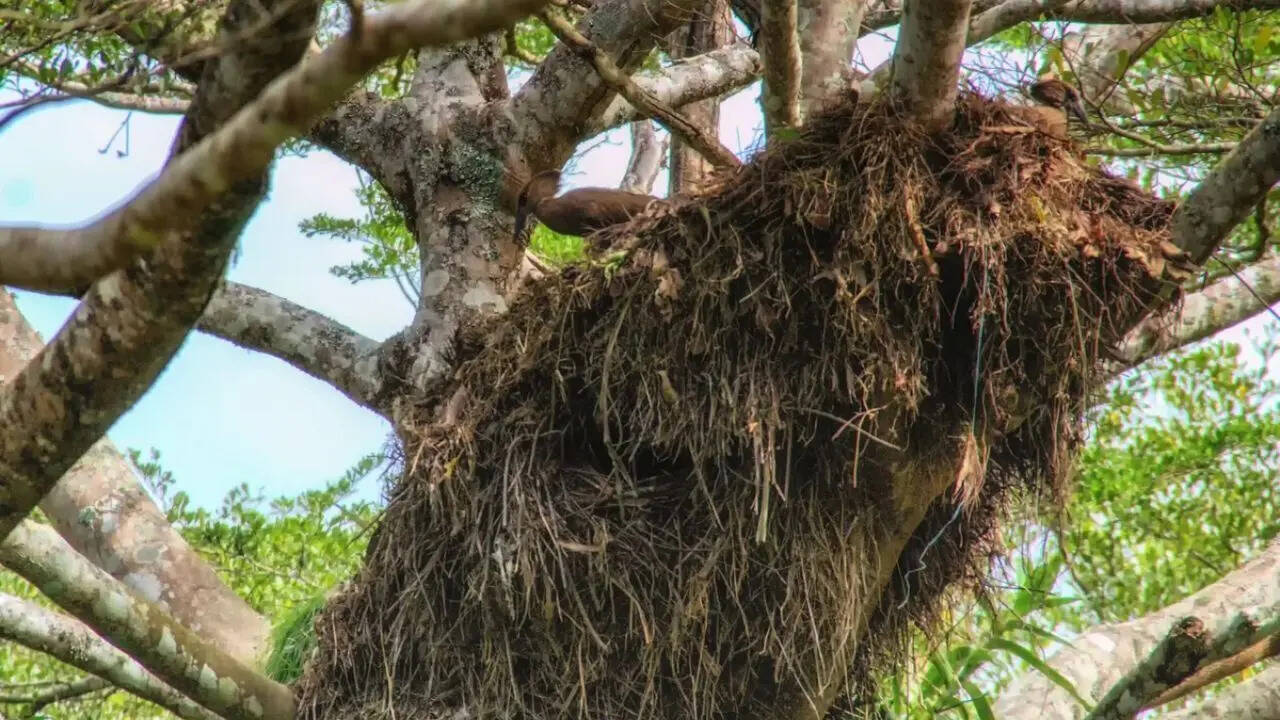
The hamerkop's nest earns a place in both articles because of its size relative to the bird that builds it. Bird Spot reports that some nests contain more than 10,000 sticks and may exceed 1.5 metres in width.The species is the builder of some of Africa's largest nests.
One of the more unusual aspects of the bird's behaviour is that nest construction often continues even when breeding is not taking place, meaning the structures can become increasingly elaborate over time.4. Common tailorbird
PC: BBC
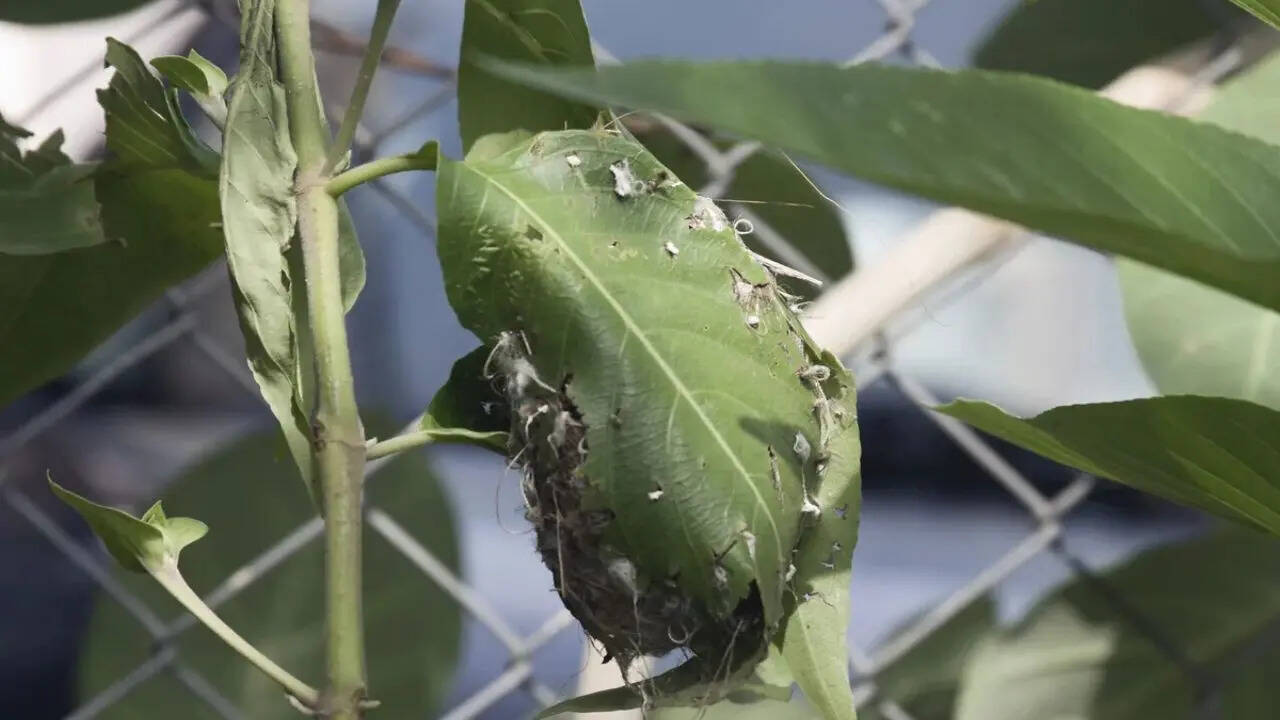
Among the most delicate nest builders featured by both sources is the common tailorbird. According to the Natural History Museum, the species uses fibres to stitch leaves together, creating a concealed cradle for its nest.The tailorbird is among the world's most unusual nest builders. The finished structure blends naturally into the surrounding vegetation, making it difficult to detect despite the skill involved in its construction.5. Rufous hornero
PC: BBC
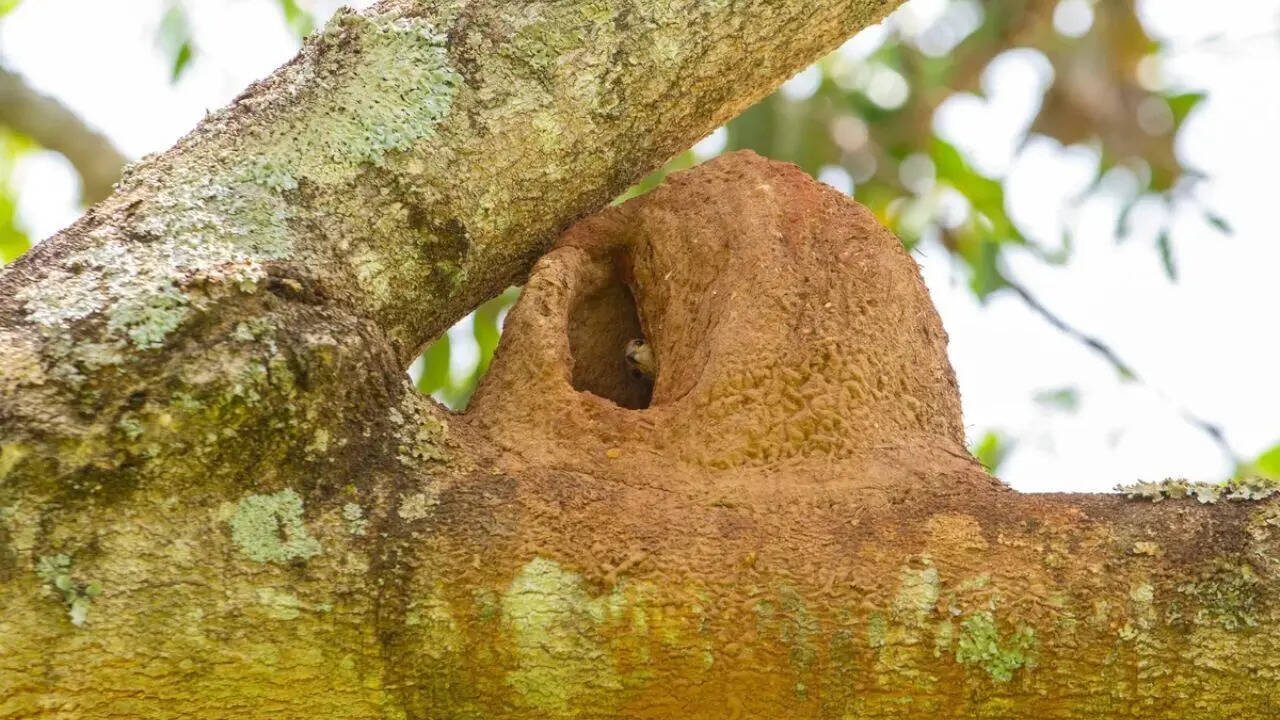
Known widely as the ovenbird, the rufous hornero appears in both lists because of its distinctive mud-built nest. Bird Spot describes these structures as resembling traditional clay ovens, a feature that inspired the bird's common name.The species for its unusual architectural style. Rather than relying on sticks or grasses, the bird gradually moulds mud into a hardened shelter that can remain visible long after it has been abandoned.6. Bald Eagle
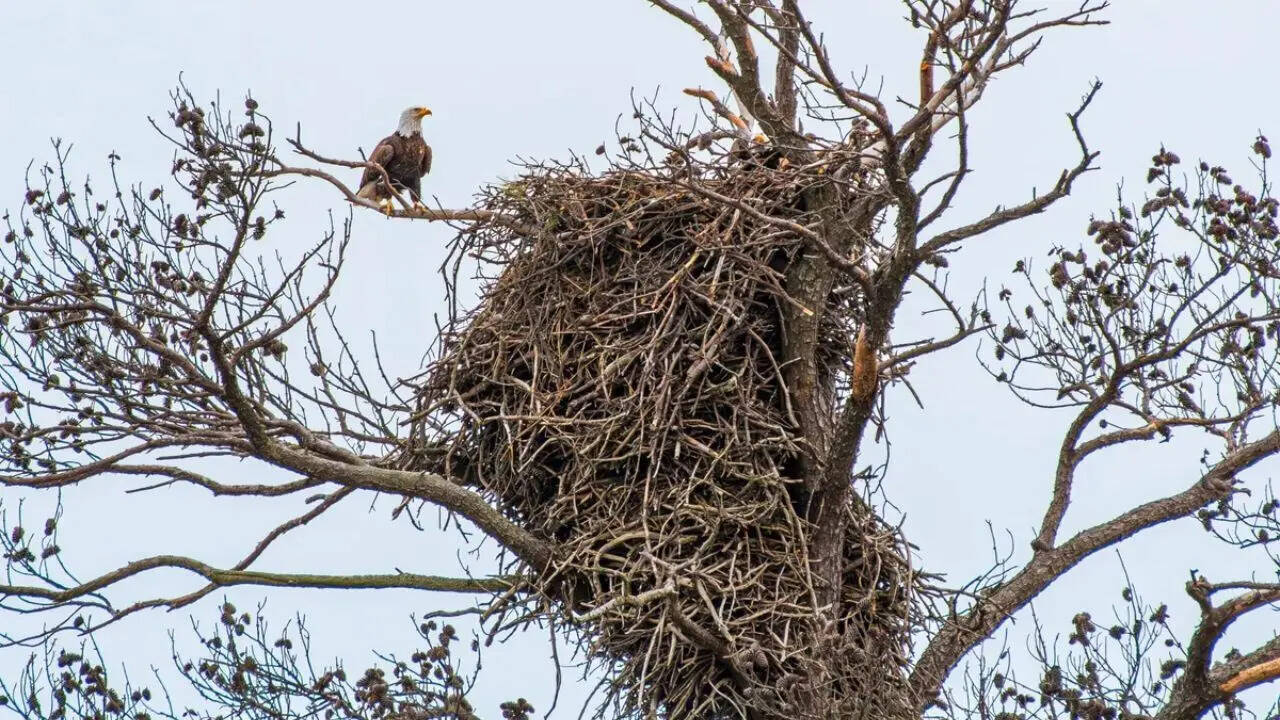
PC: BBC
As per Audubon, the Bald Eagle nest is one of the largest bird nests, reaching up to 2 metric tons; tree nests are most often 1.5-2m in diameter and 0.7-1.2m tall. The bald eagle completes the overlap between the two articles.
The species is responsible for some of the largest nests ever recorded, including examples weighing several tonnes.The extraordinary scale of these structures explaining that breeding pairs often return to the same nest year after year, adding fresh material each season. Over time, what begins as a platform of sticks can develop into a structure measuring several metres across.









 English (US) ·