

 4 days ago
12
4 days ago
12
ARTICLE AD BOX
Last Updated:March 10, 2026, 13:00 IST
The global energy landscape remains dominated by a few nations that hold the vast majority of the world's "proven reserves" oil, technically and economically possible to extract.
Venezuela
Reserves: 303 Billion Barrels
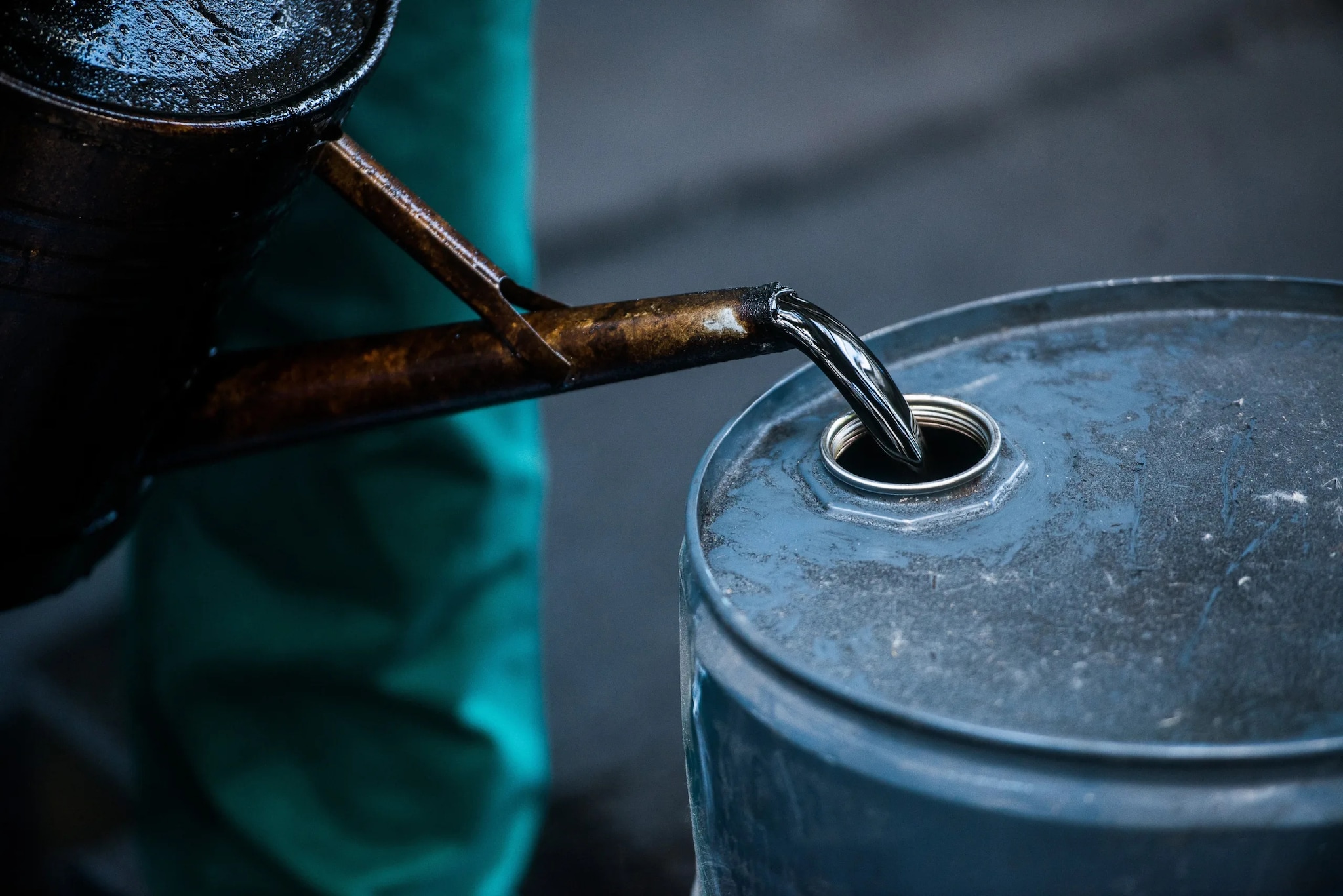
Venezuela sits on the world’s largest "treasure chest," but much of it is locked away. Most of its oil is extra-heavy crude found in the Orinoco Belt. This oil is thick like molasses, making it expensive to extract and refine. Despite its massive reserves, political instability and international sanctions have caused its actual production to drop significantly over the last decade.
Saudi Arabia
Reserves: 267 Billion Barrels
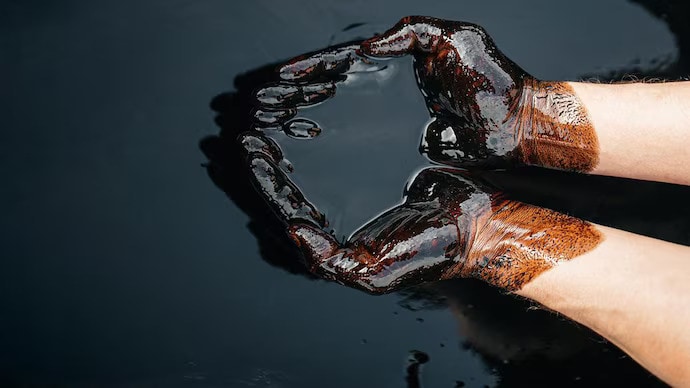
If oil is gold, Saudi Arabia has the "purest" kind. Unlike Venezuela, Saudi oil is mostly light crude, which is easy to pump and cheap to refine. As their extraction costs are among the lowest in the world (often under $10 per barrel), they remain the most influential player in the global market and the leader of OPEC.
Iran
Reserves: 209 Billion Barrels
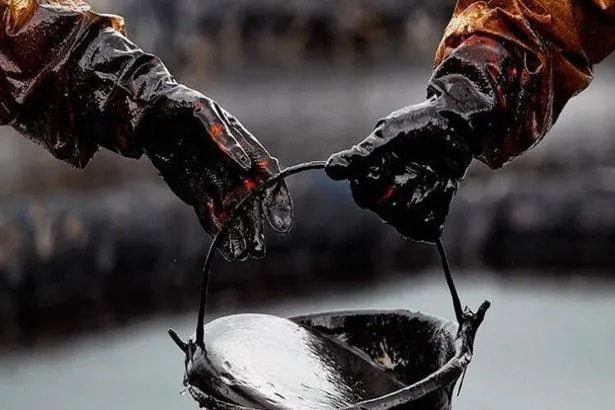
Iran has massive reserves located both on land and offshore in the Persian Gulf. Like Venezuela, Iran’s ability to sell its oil has been heavily restricted by international sanctions. However, they remain a sleeping giant that could drastically shift global prices if trade restrictions were fully lifted.
Canada
Reserves: 163 Billion Barrels
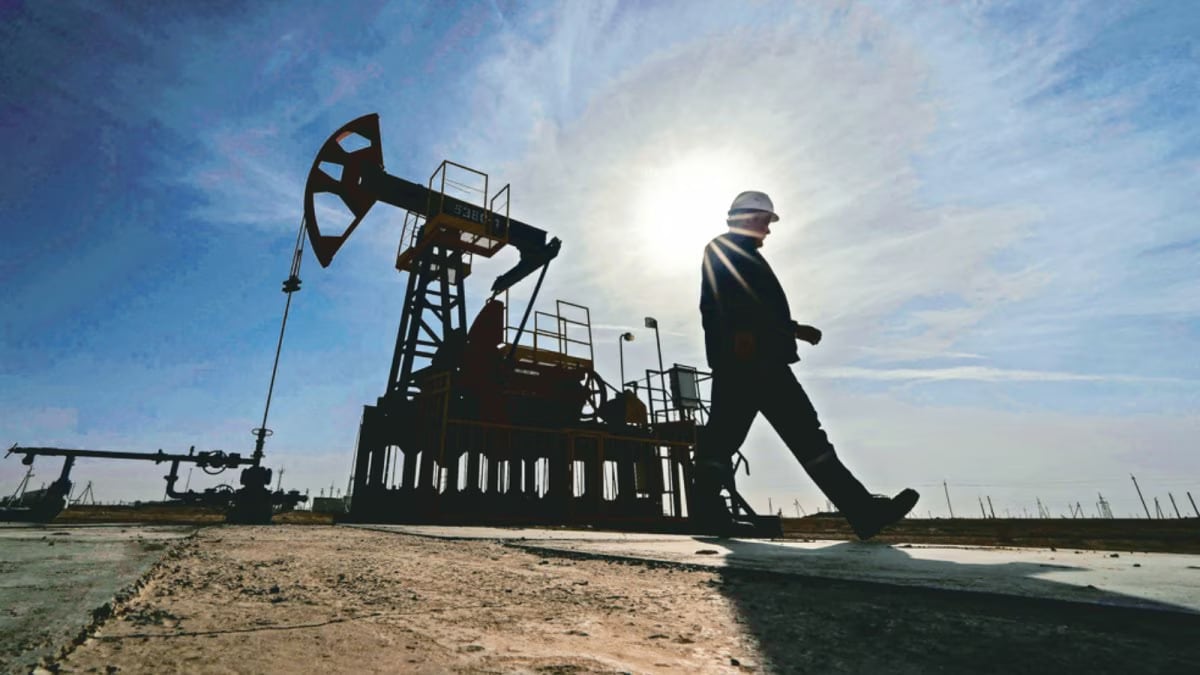
Almost all of Canada's oil is found in the Alberta Oil Sands. This isn't liquid oil; it’s a mixture of sand, water, and bitumen (clay-like oil). Canada is a stable, democratic neighbor to the U.S., making it a very reliable supplier. However, extracting oil from sand is energy-intensive and faces more environmental scrutiny than traditional drilling.
Iraq
Reserves: 145 Billion Barrels
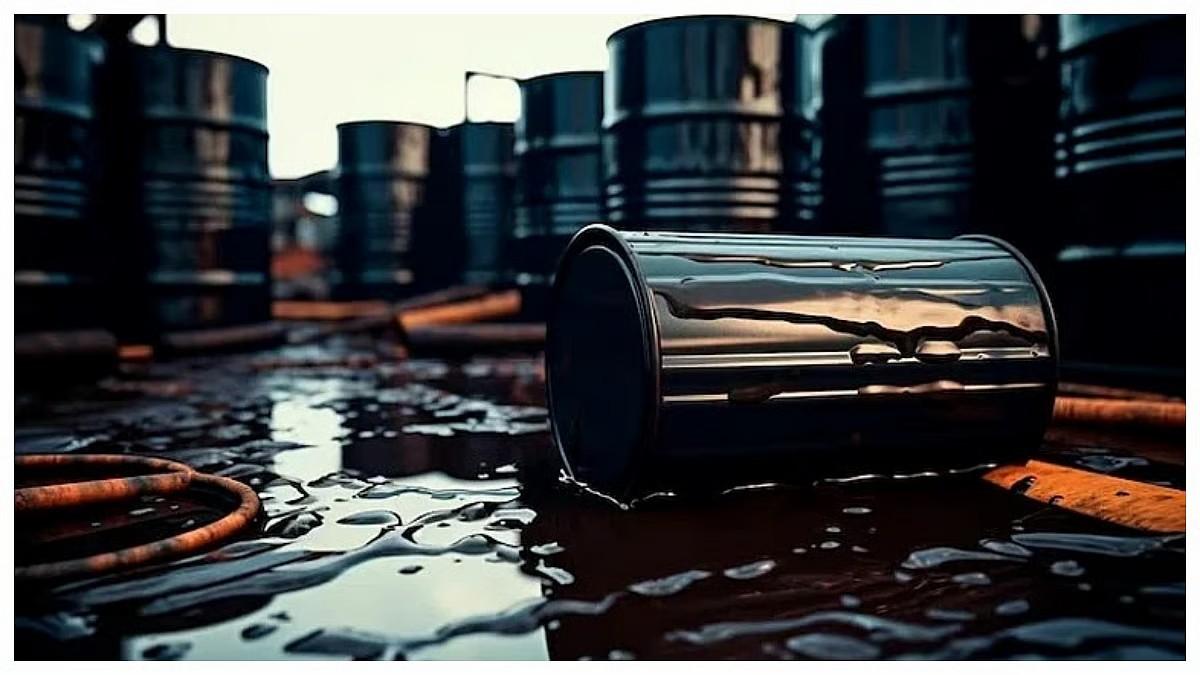
Iraq’s oil is some of the easiest to reach in the world. Much of it is located in super-giant fields in the south near Basra. While the oil is there and easy to get, decades of conflict have hindered the country from building the modern infrastructure needed to reach its full potential.
United Arab Emirates (UAE)
Reserves: 113 Billion Barrels
Most of the UAE's oil is located in the Emirate of Abu Dhabi. The UAE is famous for using its oil wealth to diversify its economy into tourism, finance, and tech (think Dubai), ensuring they are ready for a future that relies less on fossil fuels.
Kuwait
Reserves: 102 Billion Barrels
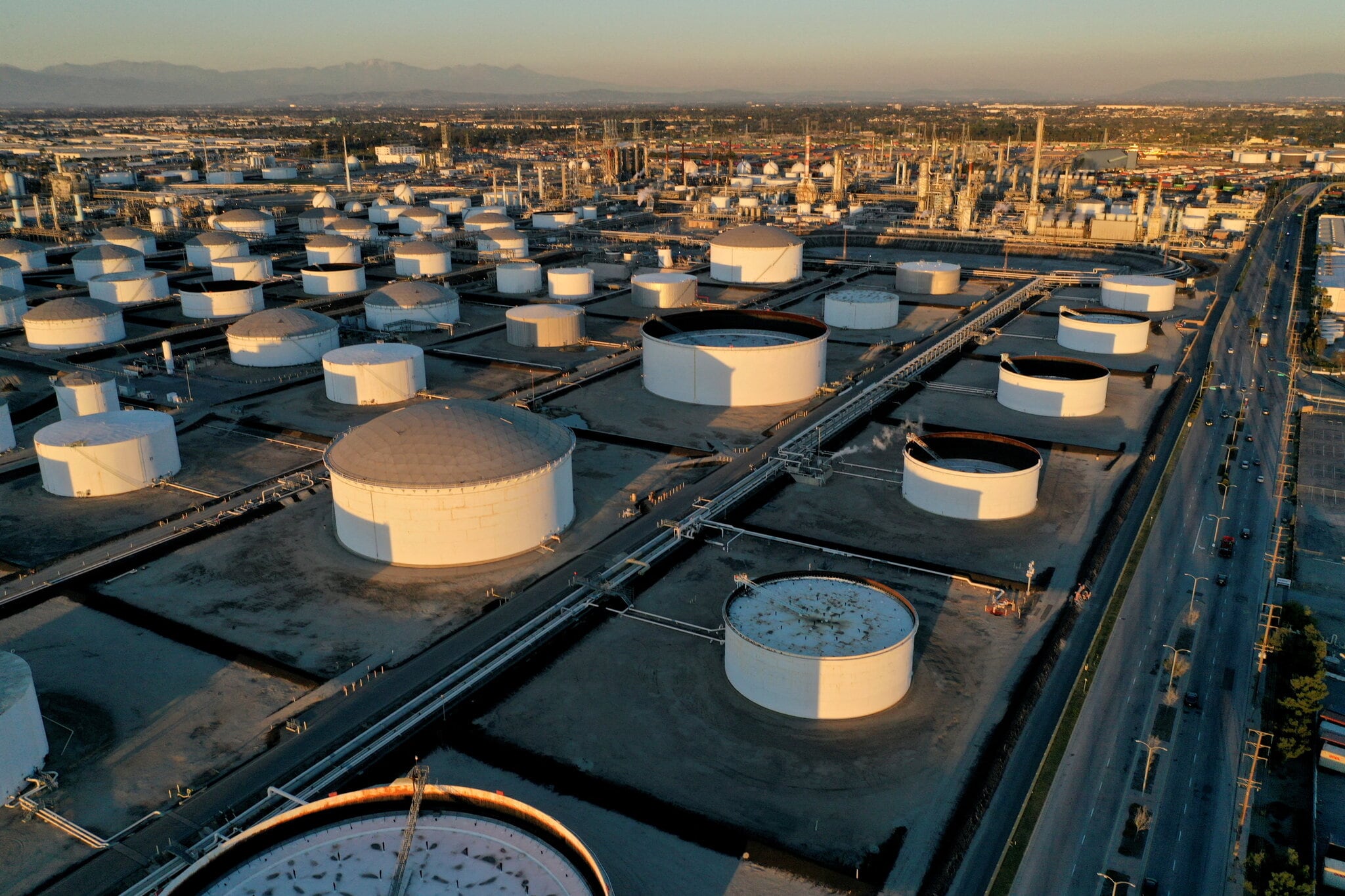
For such a tiny country, Kuwait’s oil reserves are staggering. Over half of its reserves are located in a single field, the Greater Burgan field, which is the second-largest in the world. Oil accounts for nearly 90% of Kuwait’s government export revenue.
Russia
Reserves: 80 Billion Barrels
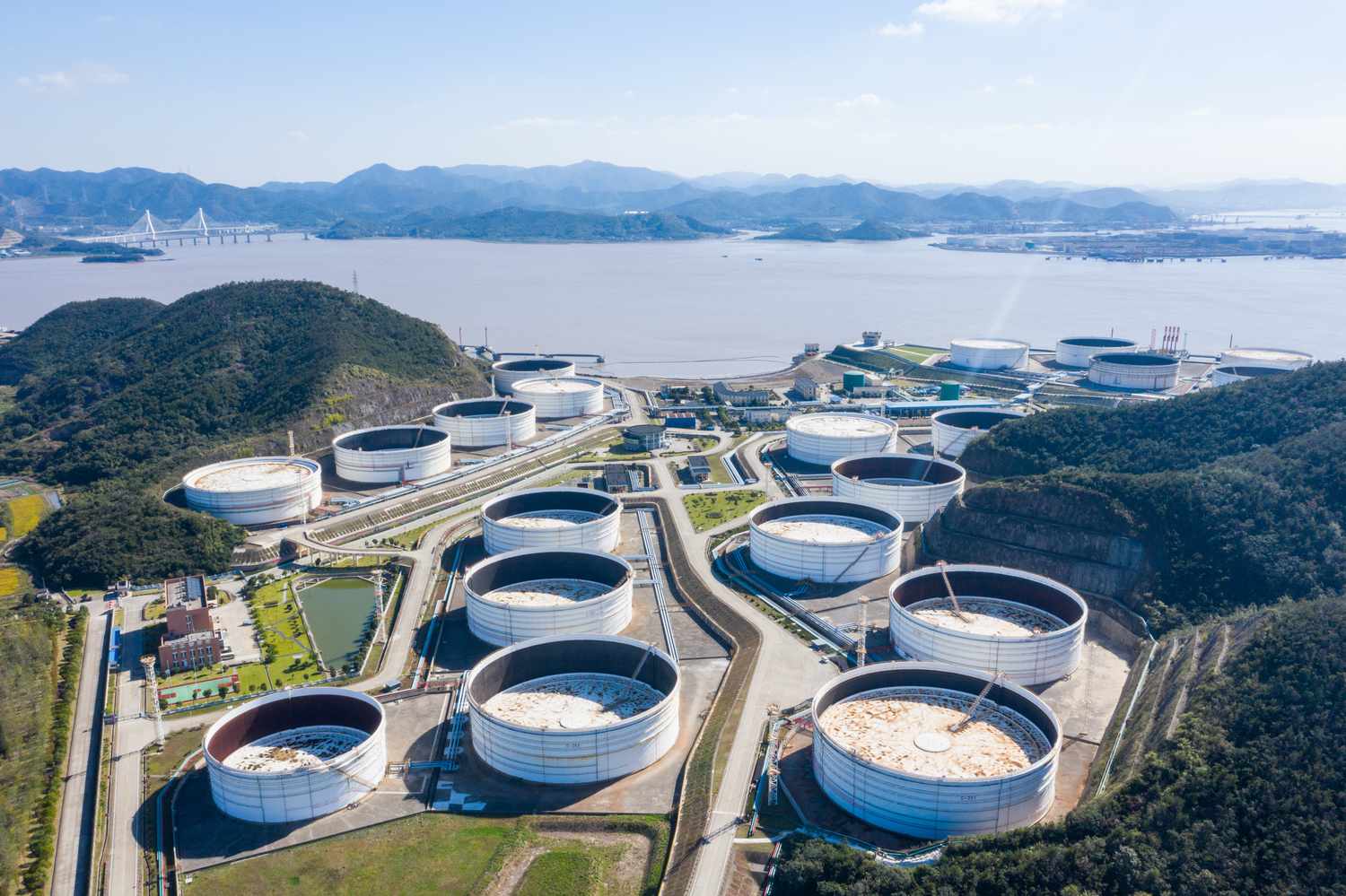
Russia’s reserves are spread across the vast, frozen wilderness of Siberia and the Arctic. While it ranks 8th in reserves, it is often the 1st or 2nd largest producer in the world. They pump oil much faster than many countries above them on this list to fuel their economy and military.
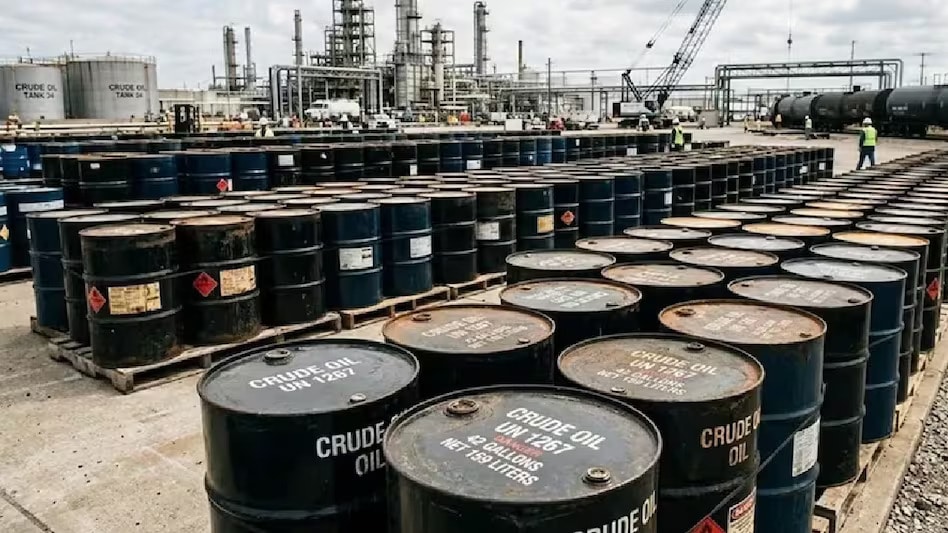
United States
Reserves: 74 Billion Barrels
The US has seen a massive jump in proven reserves over the last 15 years due to fracking and horizontal drilling, which unlocked oil from shale rock. It is currently the world's top oil producer. Even though it has fewer reserves than Saudi Arabia, its advanced technology allows it to extract oil at an incredible pace.
Libya
Reserves: 48 Billion Barrels
Libya holds the largest oil reserves in Africa. Its oil is highly prized because it is "sweet" (low sulfur), which is much easier to process into gasoline. Constant internal political shifts mean that Libya's oil production often starts and stops unexpectedly.








 English (US) ·