

 6 hours ago
6
6 hours ago
6
ARTICLE AD BOX
Last Updated:June 15, 2026, 13:40 IST
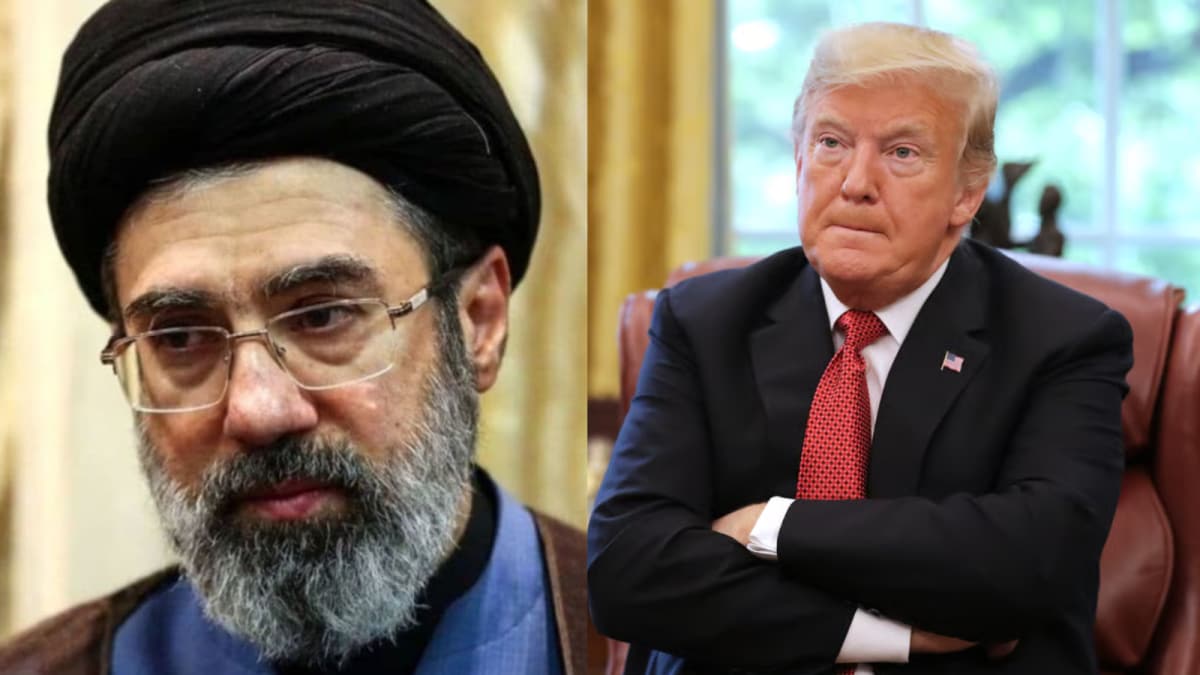
After more than 100 days of war, the proposed US-Iran peace deal has raised a key question: did Tehran gain more than Washington and Israel?


A woman walks past an anti-American mural on the wall of the former US Embassy, now a museum, in Tehran on June 12, 2026. (AP Photo/Vahid Salemi)
When the United States and Israel launched the first strikes on Iran on February 28, the assumption was their combined military strength would bulldoze Tehran into a weaker negotiating position. And for a while, the plan worked. But a 100 days later, as Washington and Tehran move towards signing a peace agreement, a growing number of analysts are asking: did the war end up strengthening Iran’s hand instead?
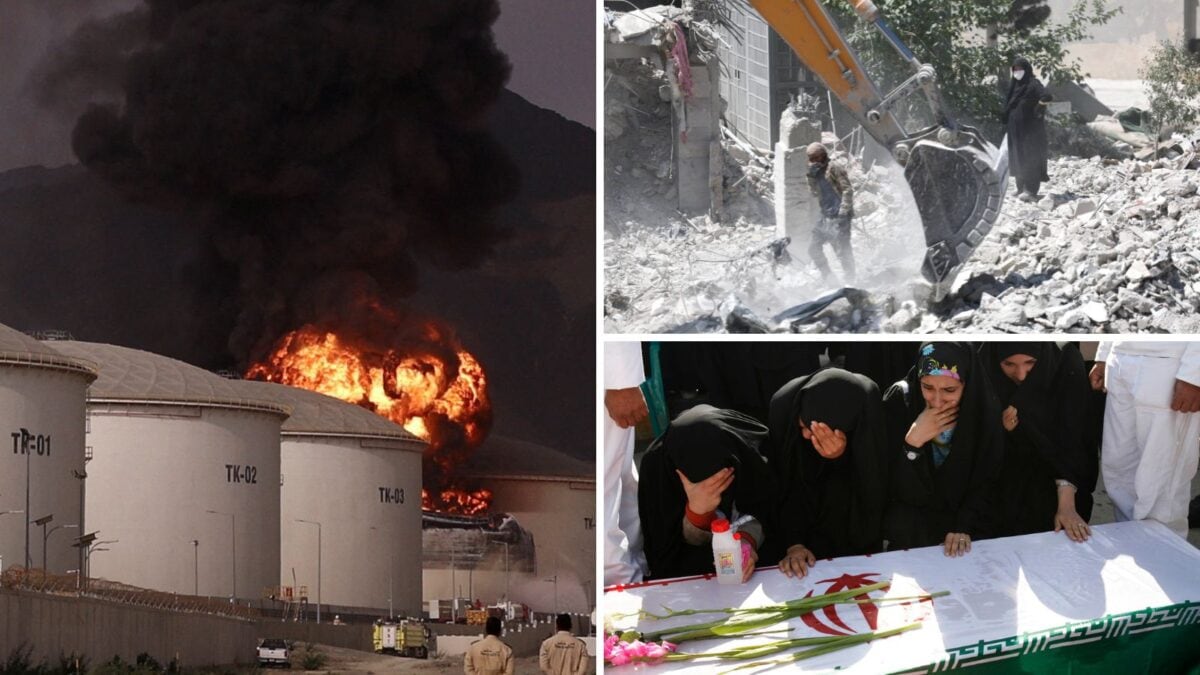
The answer is complicated. Iran suffered significant military losses. Its nuclear facilities at Natanz, Isfahan and Fordow were damaged. Its senior commanders are dead and the country’s economy remains severely strained.
But the agreement announced on Monday suggests that Tehran may have achieved something many thought was impossible at the start of the conflict: it survived the combined pressure of the US and Israel without abandoning its core positions, while extracting economic and diplomatic concessions that were not on the table before the war.
What The Proposed Deal Appears To Offer Iran
Although neither US nor Iran – Israel is not a signatory to the agreement — has released the full text, reports from international media indicate that the draft memorandum of understanding would reopen the Strait of Hormuz, end the US naval blockade of Iranian ports, provide sanctions relief and unlock billions of dollars in frozen Iranian assets. It would also launch a 60-day negotiation process on Iran’s nuclear programme rather than force immediate concessions.
Iran would also pause expansion of its nuclear activities but retain the basic status of its programme while broader negotiations continue. Questions surrounding Tehran’s enriched uranium stockpile, verification mechanisms and the future of its nuclear infrastructure have been left for later talks.
ALSO READ | ‘Netanyahu Standing Firm…’: Israel Ready To Defy US Pressure Over Lebanon After Iran Deal
That is a far cry from the maximalist goals voiced by some Israeli and American officials when the conflict began.
The War’s Original Objectives Remain Largely Unresolved
When the US-Israel military campaign started, the stated goal was to curb Iran’s nuclear ambitions and reduce the alleged threat posed by its missile programme.
Yet the latest agreement does not appear to settle any of those issues.
According to an analysis in The Week, the agreement deliberately postpones the most contentious questions, including Iran’s enriched uranium stockpile, ballistic missile programme and support for regional groups such as Hezbollah, Hamas and the Houthis. Instead, those issues are now the problem of future negotiations and negotiators.
That has prompted criticism from both US Democrats and Israeli commentators, who argue that the war’s central objectives remain unmet despite months of fighting.
How Iran Created Leverage Despite Military Setbacks
One reason Iran managed to avoid a more adverse deal was its ability to hold the world’s energy supply hostage.
The Strait of Hormuz remains one of the world’s most important maritime chokepoints, carrying roughly one-fifth of global oil and liquefied natural gas supplies before the conflict. The prolonged disruption to shipping created pressure not just on Washington and Tehran, but on energy-importing economies around the world, including India.
ALSO READ | One Deal, Two Versions: Where The US And Iran Differ On Their Peace Agreement
Reopening the strait became one of the central pillars of the negotiations, alongside sanctions relief and access to frozen Iranian assets.
Analysts say this was one of Iran’s key wartime achievements. While US strikes damaged its nuclear facilities and disrupted parts of Tehran’s nuclear infrastructure, Iran retained the ability to threaten shipping through Hormuz. Those capabilities blunted Washington’s leverage and strengthened Tehran’s position.
Why Israel Appears Unhappy
The strongest criticism of the deal has come from Israel.
Israeli analysts and former security officials have argued that the proposed deal leaves Iran’s nuclear programme essentially intact while offering Tehran economic benefits and diplomatic heft. Several Israeli commentators have described the proposed agreement as falling short of the goals that justified the war.
There is also reportedly a growing frustration in Israeli political circles over what is seen as a widening gap between US and Israeli priorities. While the Trump administration increasingly focused on ending the conflict and reopening energy routes, many in Israel favoured maintaining military pressure.
The Obama Complex: Trump’s Main Challenge
The politics is equally complicated in Washington.
Trump spent years attacking Barack Obama’s 2015 nuclear agreement, arguing that it provided sanctions relief without permanently preventing Iran from advancing its nuclear capabilities. He even pulled the US out of the deal in 2018.
Now critics are asking how the agreement his administration has drawn up differs.
Democratic lawmakers say the new deal simply restores many of the benefits Tehran received under the Obama-era agreement, while lacking the broad international architecture that supported the original pact.
ALSO READ | Nuclear Programme To Sanctions: What The US-Iran Peace Deal Leaves Unresolved
“For all his critique of (the Obama deal), we had international observers, we actually had an alliance there that included the Europeans, and Russia and China were all signatories," Senator Mark Warner, the top Democrat on the Senate Intelligence Committee, told CBS. “Now it is America going alone or going with Israel only, and that does not make us safer."
Republican Senator Lindsey Graham, a close ally of Trump and an Iran hawk, expressed skepticism, saying that Congress will need to review and vote on any nuclear deal with Iran, and said he expects Vice President JD Vance — “the architect of the deal" — to present it.
“I am somewhat concerned that Iran’s view of the agreement seems different than what the American negotiating team is claiming," Graham said on social media.
Whether Trump’s deal is a winner will depend now on the much-touted 60-day negotiations. For now, many of the hardest issues remain unresolved.
So Who Really Came Out Ahead?
Measured purely in military terms, Iran paid a heavy price. But wars are not judged solely by battlefield damage, they are also judged by political outcomes.
The new proposed deal suggests Iran managed to retain leverage over key nuclear questions, secure a pathway to sanctions relief and force Washington back into negotiations despite months of military pressure.
ALSO READ | Hormuz Reopening, Frozen Funds, Nuclear Talks: What’s Inside The 14-Point US-Iran Peace Deal
As several analysts have observed, that is not the outcome many expected when the conflict began.
Whether Tehran ultimately converts those gains into a lasting strategic advantage will depend on what happens during the next 60 days of negotiations. But Iran enters now enters those talks in a stronger position than many believed possible at the start of the war.
Handpicked stories, in your inbox
A newsletter with the best of our journalism
About the Author
Nitya Thirumalai, News Editor at News18.com, writes on Indian and global politics as well as Formula 1. She was Google News Initiative-Columbia Journalism School Fellow in the inaugural Newsroom Leade...Read More
Location :
United States of America (USA)
News world Trump Calls It A Peace Deal. So Why Does Iran Look Like The Bigger Winner? | Explained
Disclaimer: Comments reflect users’ views, not News18’s. Please keep discussions respectful and constructive. Abusive, defamatory, or illegal comments will be removed. News18 may disable any comment at its discretion. By posting, you agree to our Terms of Use and Privacy Policy.
Read More






 English (US) ·