

 2 days ago
8
2 days ago
8
ARTICLE AD BOX
Last Updated:April 13, 2026, 19:15 IST
Trump on Sunday said he had ordered the US Navy to begin blocking vessels entering or leaving the strait following failed peace talks with Iran.


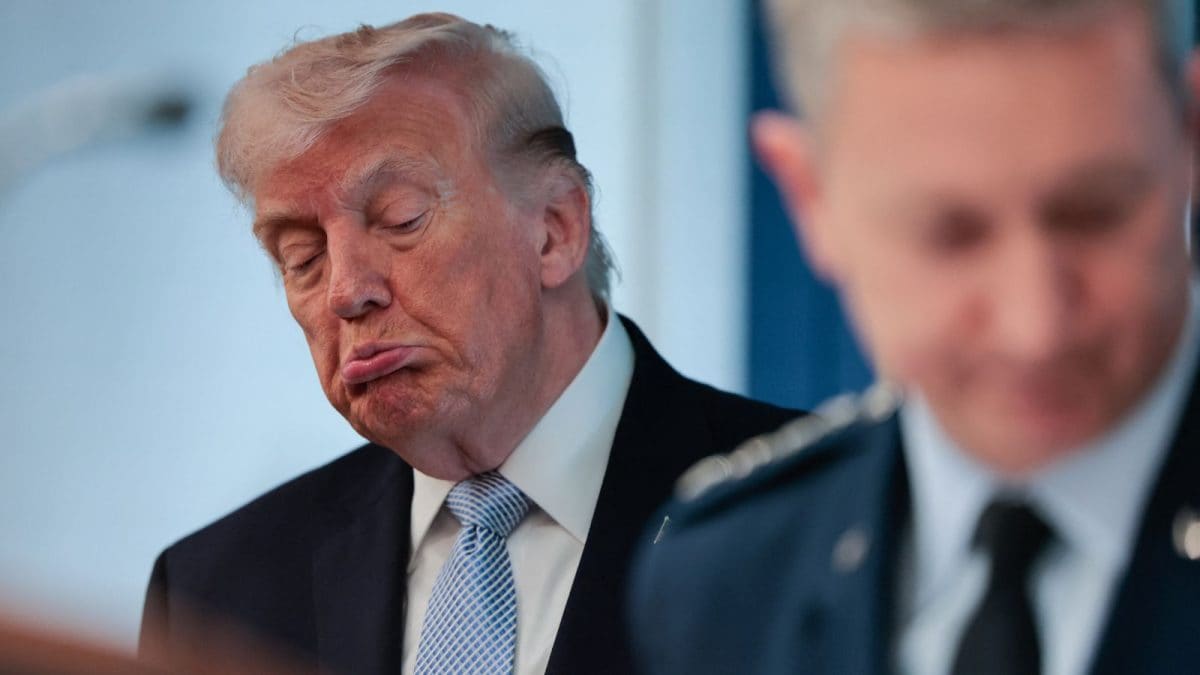
US President Donald Trump. (AP File)
US President Donald Trump has threatened to impose a naval blockade on the Strait of Hormuz, escalating tensions over one of the world’s most critical oil routes, even as Iran is already restricting movement through the waterway.
Trump on Sunday said he had ordered the US Navy to begin blocking vessels entering or leaving the strait following failed peace talks with Iran. Posting on Truth Social, he said the move would begin “immediately", while insisting the long-term goal remained full freedom of navigation.
“Effective immediately, the United States Navy, the Finest in the World, will begin the process of BLOCKADING any and all Ships trying to enter, or leave, the Strait of Hormuz," Trump wrote. He added that Iran had failed to allow what he described as a return to unrestricted passage. He also warned, “Any Iranian who fires at us, or at peaceful vessels, will be BLOWN TO HELL!"
Iran has effectively disrupted tanker traffic in the Strait for weeks amid ongoing conflict following a joint US-Israel bombing campaign. The disruption has already triggered sharp spikes in global oil prices and heightened concerns about energy security.
ALSO READ: ‘We Have Common Interest’: Iran Says It Is In Touch With India For Safe Passage Through Hormuz
Iran’s partial control of the Strait
According to an analysis by CNN, the Strait of Hormuz is not fully closed. Iran has reportedly allowed selected tankers to pass, often in exchange for heavy fees of up to $2 million per vessel. At the same time, it has continued exporting its own crude oil, maintaining a key revenue stream even during the conflict.
Data cited by energy analysts shows Iran exported an average of 1.85 million barrels of crude per day through March, slightly higher than previous months, suggesting that its oil trade has not been fully disrupted.
Why the US move matters
The analysis notes that a full blockade could cut off a major source of funding for Iran’s government and military operations. However, it also carries significant risks, including a sharp rise in global oil prices.
This explains why, despite tensions, US naval forces have at times allowed Iranian tankers to pass. Officials have been concerned that restricting all flows could destabilise global energy markets further.
ALSO READ: ‘Alter Course, Or You Will Be Targeted’: Iran’s Warning To US Warship In Strait Of Hormuz | Video
The oil price dilemma
The US has previously granted temporary permissions allowing Iran to sell oil stored on tankers, even as broader sanctions remain in place. Washington has long targeted Iranian crude exports, especially after withdrawing from the Iran nuclear deal in 2018.
However, Iran has continued selling oil at discounted but profitable rates, largely to Asian buyers. Analysts say the revenue has helped fund its wartime operations.
At the same time, the Trump administration has also taken steps to manage global prices, including releasing emergency oil reserves and adjusting sanctions on other producers.
Experts say the current strategy reflects a difficult balance: applying pressure on Iran without triggering a global energy shock. According to CNN’s analysis, Trump administration now risks pushing oil and gas prices higher while trying to maximise leverage over Tehran and end the war.
(With inputs from CNN)
Handpicked stories, in your inbox
A newsletter with the best of our journalism
Location :
Washington D.C., United States of America (USA)
First Published:
April 13, 2026, 19:15 IST
News world Trump's Strait Gamble: Why He Wants To Block Hormuz Despite Iran's Existing Restrictions
Disclaimer: Comments reflect users’ views, not News18’s. Please keep discussions respectful and constructive. Abusive, defamatory, or illegal comments will be removed. News18 may disable any comment at its discretion. By posting, you agree to our Terms of Use and Privacy Policy.
Read More





 English (US) ·