

 1 week ago
14
1 week ago
14
ARTICLE AD BOX
Last Updated:April 11, 2026, 17:26 IST
The most significant obstacle remains the fundamental disagreement over Iran’s nuclear programme


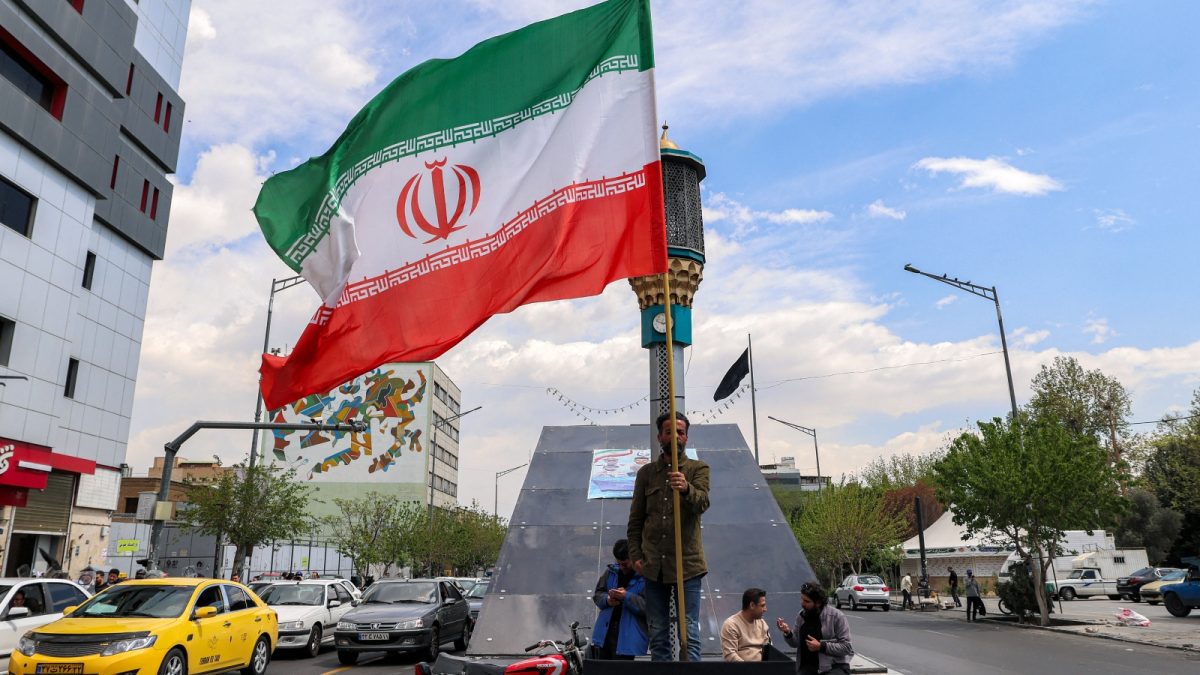
Despite the tireless efforts of the Pakistani leadership, the process is plagued by 'deep mistrust and external pressures'. (Image/AFP)
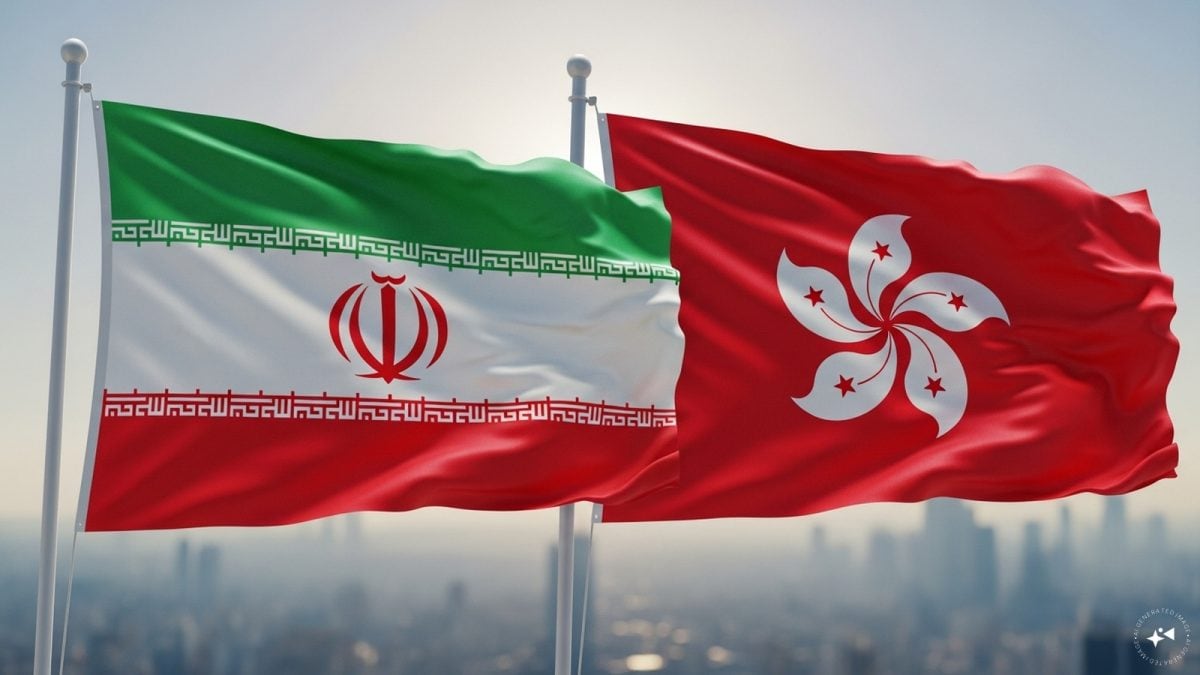
CNN-News18 has accessed the inside track of the high-stakes negotiations in Islamabad, revealing a diplomatic process pushed to the brink by irreconcilable red lines and deep-seated mistrust. While the world watches the Serena Hotel with bated breath, the advance parties for the United States and Iran have reportedly “hit a wall", with Pakistani mediators struggling to bridge a gap that is as much about national dignity as it is about regional security.
Why has the ‘nuclear red line’ brought talks to a standstill?
The most significant obstacle remains the fundamental disagreement over Iran’s nuclear programme. According to sources, the Iranian delegation has categorised any demand for “zero-enrichment" or the full dismantlement of their nuclear infrastructure as a non-starter. Tehran insists on retaining the sovereign right to enrich uranium, even at limited levels for civilian purposes, viewing the programme as a cornerstone of their national dignity.
Conversely, the American advance team has laid down an absolute red line: no enrichment of any kind. Washington is demanding the total removal of existing highly enriched uranium stockpiles and a full surrender of enrichment capabilities. This “all or nothing" approach from the US has left little room for the “face-saving solution" that Pakistani Prime Minister Shehbaz Sharif and Foreign Minister Ishaq Dar have been frantically trying to craft.
What is Field Marshal Asim Munir’s assessment of the process?
The “architect" of the ceasefire, Army Chief Asim Munir, has reportedly delivered a sobering assessment to both the civilian government and Chinese intermediaries. Munir has characterised the negotiations as a “tricky process" that requires a level of patience currently missing from the American side. His private counsel suggests that while Pakistan is doing the heavy lifting, the external pressures—specifically from a hawkish US administration—are making the roadmap for peace increasingly narrow.
The Army Chief’s involvement is critical, as he manages the delicate balance of keeping the Iranians at the table while convincing Washington that concessions are not merely a sign of weakness. However, with the US demanding the immediate dismantling of Iran’s proxy networks across five countries, the complexity of the task is unprecedented. Critics point out the irony that Pakistan, often accused of its own complex history with non-state actors, is now tasked with convincing another nation to abandon its strategic “proxies"—a feat easier said than done.
How is the ‘China Factor’ complicating Pakistan’s mediation?
A major behind-the-scenes hurdle is China’s quiet but firm backing of the Iranian position. Beijing’s support has emboldened Tehran’s hardliners, making it extremely difficult for Pakistan to convince Washington that Iranian concessions will be forthcoming. The US view is that any leniency shown to Iran will ultimately benefit Beijing’s broader regional interests, further stiffening the American resolve to demand a “total surrender" on enrichment and missile programmes.
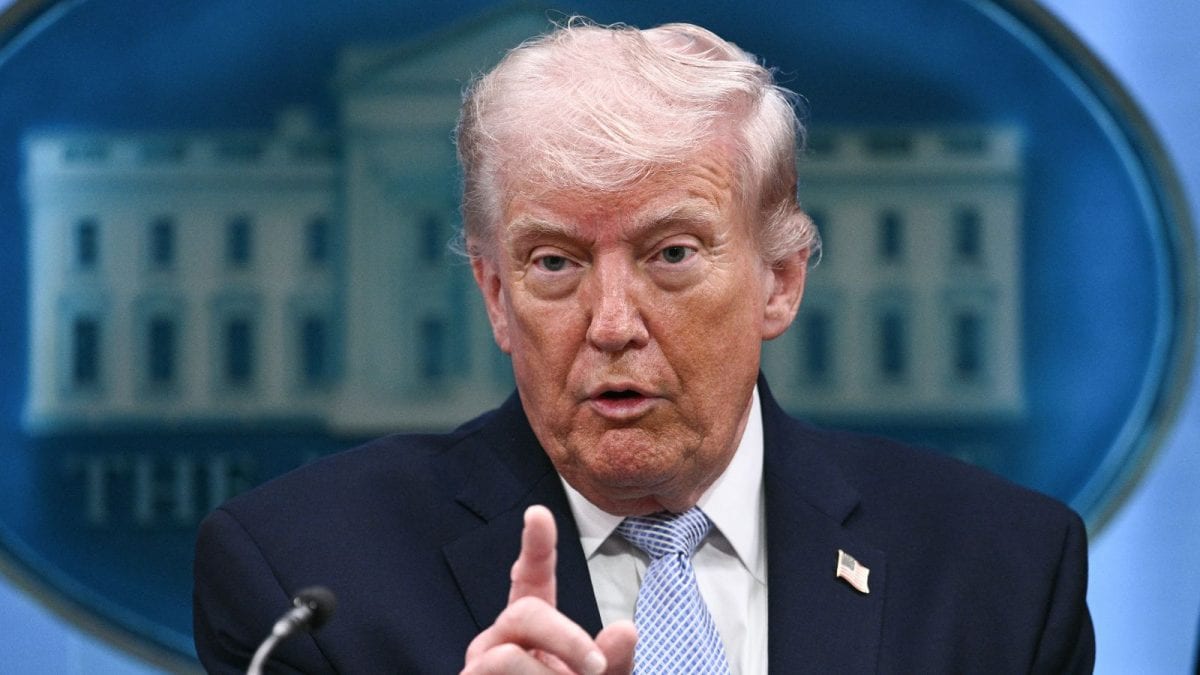
Iran’s list of demands remains equally steep: the immediate unfreezing of billions in assets, a formal no-strike guarantee, and effective control over the Strait of Hormuz for the purpose of collecting transit fees. These are terms the US currently views as “short-term extortion", as noted in President Trump’s recent public warnings.
Can the Islamabad talks survive this level of mistrust?
Despite the tireless efforts of the Pakistani leadership, the process is plagued by “deep mistrust and external pressures". The two-week ceasefire provides the time, but the “Islamabad Accord" lacks the common ground necessary for a signature. With Iran refusing to budge on uranium and the US refusing to budge on “maximum pressure", the summit is currently a test of who will blink first.
Handpicked stories, in your inbox
A newsletter with the best of our journalism
First Published:
April 11, 2026, 17:26 IST
News world US-Iran Peace Talks: How Pakistan Is Fighting To Save A Summit Hitting The Wall | Exclusive Details
Disclaimer: Comments reflect users’ views, not News18’s. Please keep discussions respectful and constructive. Abusive, defamatory, or illegal comments will be removed. News18 may disable any comment at its discretion. By posting, you agree to our Terms of Use and Privacy Policy.
Read More




 English (US) ·