

ARTICLE AD BOX
New Delhi: Central banks have become more risk-management-oriented than confidence-building, amid geopolitical tensions, fluctuating energy prices, and doubts about global market growth. In this context, the RBI Governor Sanjay Malhotra’s assessment of the Indian economy was very interesting.
Malhotra, commenting on global developments and how they’ll affect the Indian economy, said the economy was in much better shape, citing the Reserve Bank of India’s latest monetary policy decision.
The comments followed India’s higher-than-anticipated economic growth report. According to official data, the country’s GDP grew by 7.8% in the 1st quarter of FY26, and the FY26 GDP growth is 7.7%. The showcase coincided with several advanced economies, such as the United States and Europe, having weaker growth.
But, RBI’s confidence is not resting on the recent GDP numbers alone. The central bank has attributed this to healthy domestic demand, uninterrupted public investment, low financial volatility, and stronger private-sector activity.
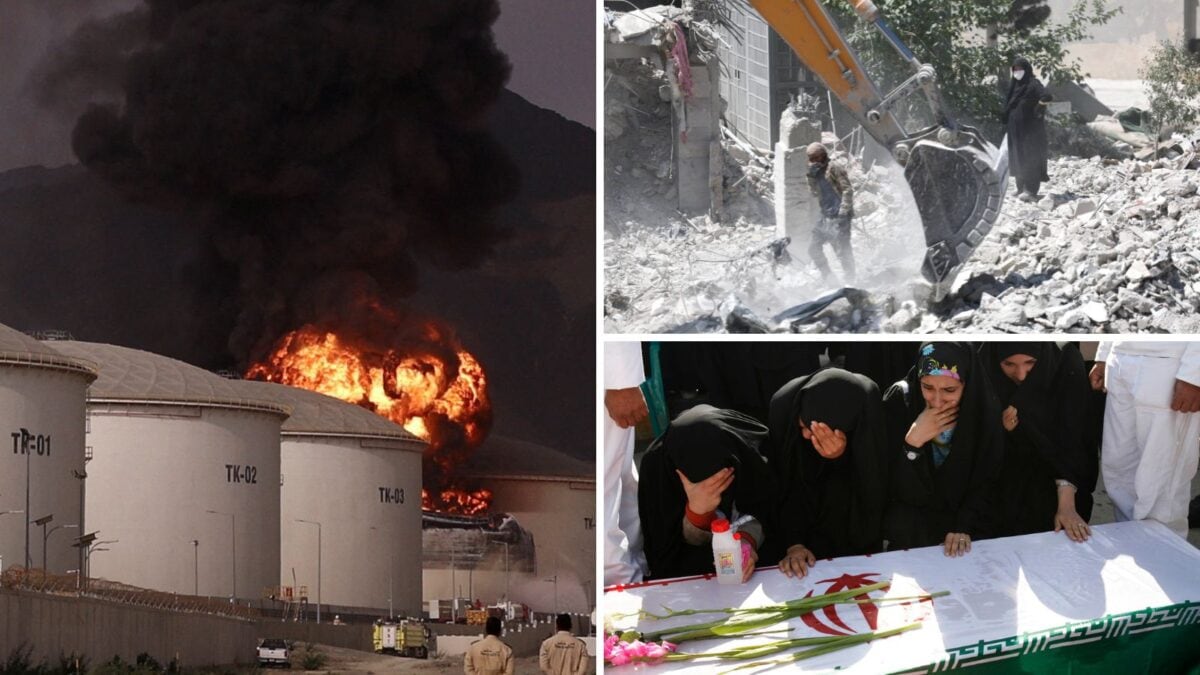
Meanwhile, policymakers remain attuned to the emerging challenges. In a cautious policy move, the RBI‘s Monetary Policy Committee (MPC) decided to keep the repo rate unchanged at 5.25%, given heightened global economic uncertainty. The move comes amid ongoing worries in West Asia over high crude oil prices, which have raised new inflation concerns in several importing countries, such as India.
In the face of these challenges, Malhotra highlighted India’s strength in macroeconomic fundamentals. The foreign exchange reserve position is one of the important factors the central bank considers when making its announcement. Currently, India’s forex reserves are nearly $682 billion, sufficient to buffer against external shocks and enable policymakers to manage currency volatility.
The RBI has also taken steps to welcome foreign capital and ensure stability in the external sector. The central bank has refrained from setting a specific exchange rate, but in recent policy moves has aimed to bolster investor liquidity and confidence amid uncertainty.
The RBI’s message is all about confidence and caution. Authorities state that the economy is well-positioned to withstand external shocks but doesn’t rule out risks on the horizon.
The central bank has raised its inflation forecast, citing worries about energy prices and international developments. It has also cut its growth forecast for the current fiscal year, following a decline in external factors in the months ahead.
Another point of interest is the weather. A below-average monsoon would impact production, rural incomes, and consumption, all of which are major determinants of India’s overall development story.
RBI’s stance provides comfort to businesses and investors. India is entering this period of uncertainty in a strong position, with GDP growth, significant foreign exchange reserves, and a relatively stable banking system.
Malhotra’s comments also echo the overall trend in India’s economic management over the past few years. Policymakers have become more willing to prioritize macroeconomic stability and promote long-term growth through investment, infrastructure development, and financial-sector reforms.
It is hard to guess if global dangers will increase to a greater degree. The global economic situation will remain subject to the impact of oil prices, geopolitical developments, and international capital flows. But the RBI’s recent estimate suggests India feels it has done more to deal with these challenges than many of its neighbours.
At this point, the central bank is saying loud and clear. Growth continues to be robust, buffers are fairly intact, and although risks are being closely monitored, policymakers feel the Indian economy is relatively well placed despite the uncertain global environment.





 English (US) ·