

 54 minutes ago
4
54 minutes ago
4
ARTICLE AD BOX

Epoxy flooring is a type of floor system coating formed from epoxy resin and hardener. When these components undergo a chemical reaction on the concrete surface, they form a strong and even surface coating.
Epoxy flooring can withstand spills, chemical stains, and wear and tear, making it ideal for use in areas such as garages, warehouses, workshops, hospitals and commercial buildings. In addition to its stain-resistant qualities; epoxy flooring is also selected for domestic use due to its attractive glossiness. Epoxy flooring is mostly used in industrial and commercial buildings because it is durable enough to tolerate chemical resistance, spills, and high traffic.
Over time, epoxy flooring has found increasing popularity in domestic settings such as kitchens, garages and basements for its aesthetics and maintenance-free properties. There are different types of epoxy floor systems, ranging from water-based and solvent-based, to 100% solid epoxy flooring. Certain epoxy flooring coatings feature decorative flakes and metallic coatings to enhance their aesthetics.
Why epoxy flooring became popular
One of the biggest advantages of epoxy flooring is its durability.
Epoxy flooring that is correctly installed is capable of withstanding wear, grease spots, chemicals and even impacts. Another feature worth mentioning is that it is non-porous, making it easier to maintain when compared to concrete. Yet another feature associated with epoxy flooring is its beauty. Due to the shiny coating, it looks sleek and contemporary, appealing to both residential and commercial customers.
Also, there are a lot of epoxy floor colour options to choose from.
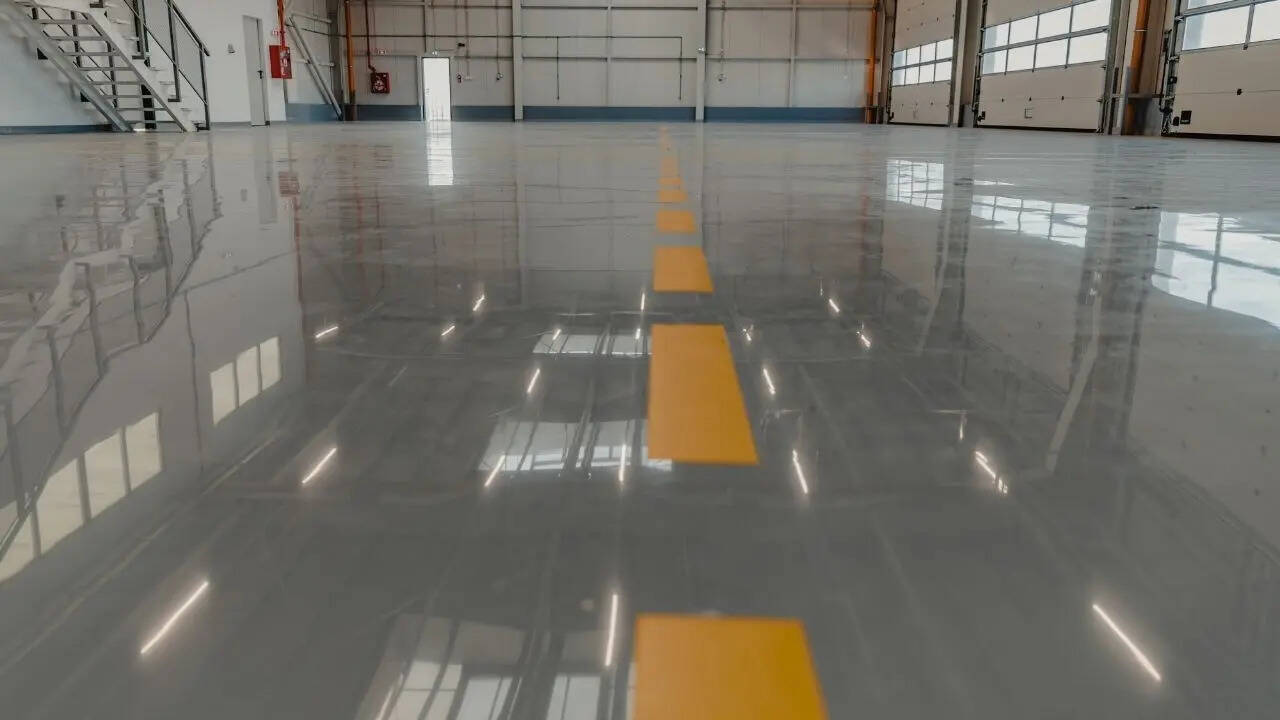
Image Credit: Canva
Why some experts suggest avoiding epoxy flooring
Despite these advantages, many flooring professionals point out that epoxy flooring also comes with several drawbacks. These concerns are the reason why some experts advise homeowners to avoid epoxy flooring in certain environments. Here are some of the reasons:Complicated installation processOne of the most common problems associated with epoxy flooring is that the installation process is quite delicate and needs proper preparation.
To apply the epoxy coating, the concrete surface needs to be clean and properly prepared.If the installation procedure is done incorrectly, the flooring might peel off, bubble or crack shortly after application. In some cases, the floor fails due to incorrect installation rather than any problems with the epoxy material. Slippery surfaceThe main characteristic of epoxy flooring is that it is always very smooth and glossy, but this can pose dangers when the flooring gets wet, becoming very slippery, which makes slips and accidents possible. While certain ingredients can be added to make it safer from this perspective, it is still advised not to use these floorings in kitchens or bathrooms. Moisture problemsAnother significant problem that can be related to epoxy flooring is moisture. It means that any moisture coming up through the concrete can lead to such issues as blistering or peeling off of the epoxy coating.In general, problems with moisture may occur in humid places or in old buildings.
In any case, moisture needs to be checked carefully before epoxy installation.Strong odour and chemical fumesDuring installation and curing, epoxy flooring can release strong chemical odours and fumes, especially solvent-based epoxy systems. These fumes may cause discomfort for some individuals and require proper ventilation during installation. For households with children, elderly people or individuals sensitive to chemicals, this can become an important concern.Yellowing and discolourationMany epoxy coatings are sensitive to ultraviolet (UV) light. Continuous exposure to sunlight may cause the flooring to turn yellow or lose its original appearance over time.Because of this, experts often advise against using epoxy flooring in areas with heavy direct sunlight unless UV-resistant coatings are added.Difficult repairsWhile epoxy floors are durable, repairing damaged sections can be difficult. Cracks, peeling or chipped areas often require professional repair work and matching the original colour and finish may not always be easy.In some cases, replacing the entire coating becomes necessary which can increase maintenance costs over time.
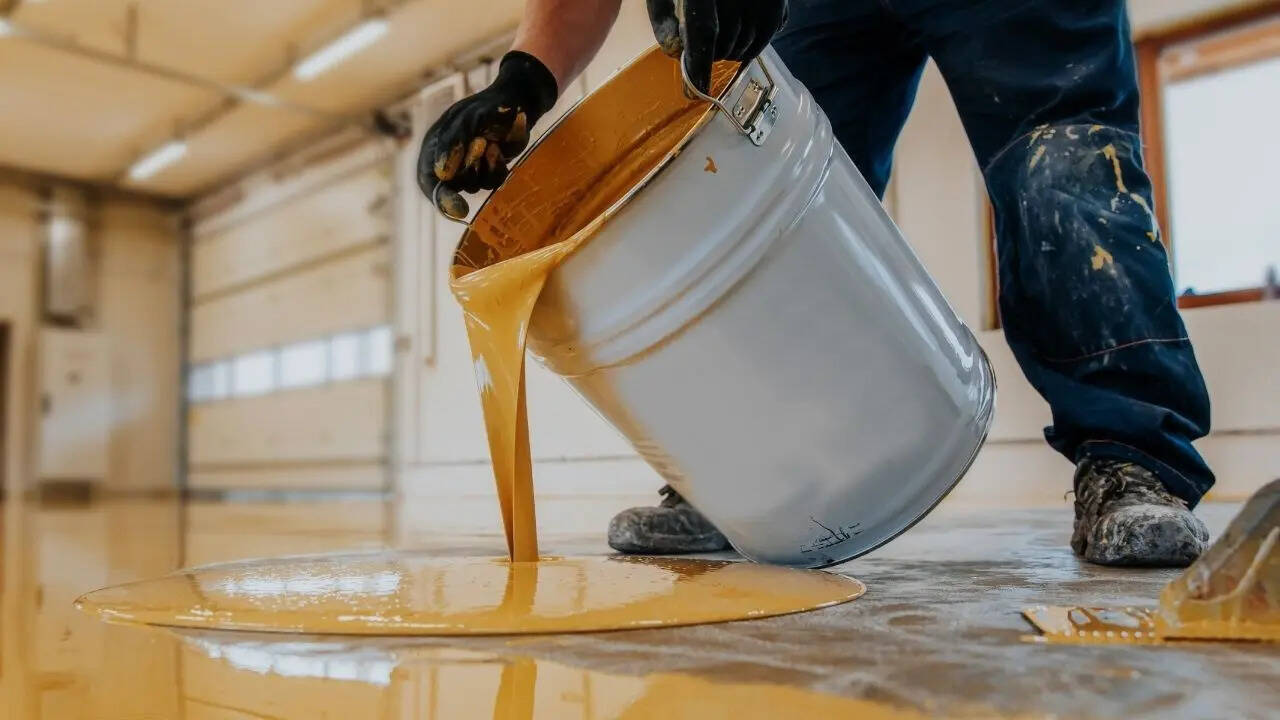
Image Credit: Canva
Epoxy flooring is popular because it is durable, looks good, and requires minimal maintenance. Moreover, it is an excellent choice for industrial, garage, or commercial buildings where the need to resist chemicals and heavy traffic is present. At the same time, specialists advise against using epoxy flooring when there might be issues with moisture, a slippery surface, exposure to direct sunlight or difficulties during installation. The effectiveness of epoxy flooring mainly depends on its installation and the correct choice of environment. To ensure this flooring is the best choice, you must consider not only its advantages but also its drawbacks.








 English (US) ·