

 1 hour ago
5
1 hour ago
5
ARTICLE AD BOX
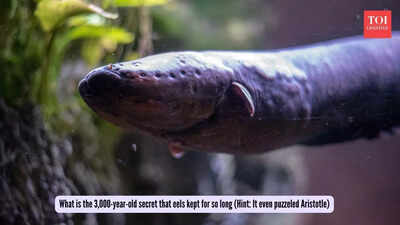
For millennia, the reproduction of European eels remained an enigma, baffling thinkers from Aristotle to Freud. Danish scientist Johannes Schmidt finally pinpointed the Sargasso Sea as their breeding ground in the 1920s, a theory confirmed by modern tracking. Understanding this ancient mystery is now crucial for the critically endangered eels' conservation.
Nature is full of mysteries, and some of them are such that linger for ages, hooking scientists across generations with questions that feel just out of reach and unreal.One such mystery that remained unclear for thousands of years was around eels, as these elusive swimmers held the world in suspense longer than most.
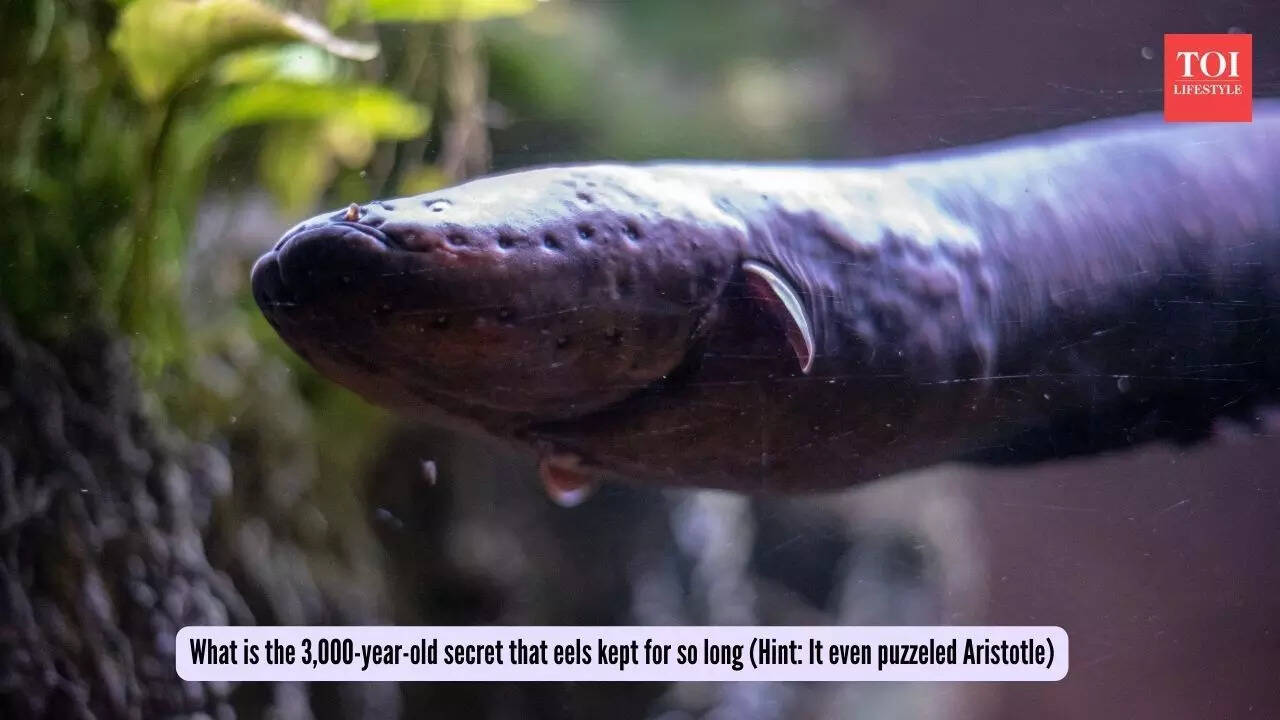
What is the 3,000-year-old secret that eels kept for so long (Hint It even puzzeled Aristotle)
What is the eel mystery that confused even Aristotle
For thousands of years, no one knew how European eels reproduced. Eaten since Roman times and famous in Britain's Thames during the 17th–18th centuries, these snake-like fish appeared in freshwater without clear origins. Scientists couldn't spot reproductive organs in adults, leading to wild ideas like spontaneous generation.Aristotle, around the 4th century BCE, thought eels sprang from "the entrails of the earth."
Ancient Egyptians linked them to the sun-warmed Nile. Other tales claimed they grew from horse hairs or shed skin. In the late 18th century, anatomist Carlo Mondini found gonads in a mature female, beginning the hunt.
Freud also failed in the eel quest
Young Sigmund Freud joined in 1876 at a Trieste lab, dissecting 400 male eels for testes, finding none. He shifted to psychoanalysis, leaving the puzzle unsolved.
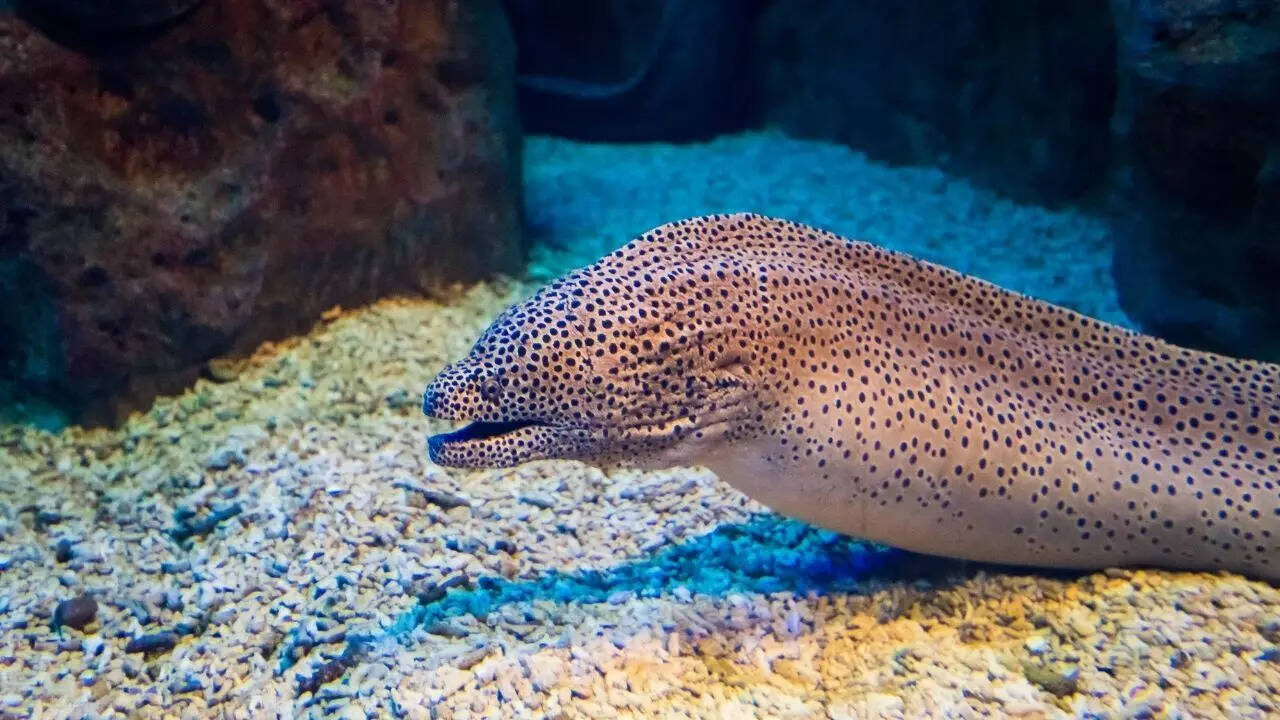
Representative image
Eels reach sexual maturity only when ready to breed, after which they embark on a one-way journey across the Atlantic and die.
Their life cycle involves several metamorphoses that were once mistaken for distinct species. The leptocephalus larvae transform into glass eels, which then develop into the familiar yellow eels.
Schmidt solves the puzzle
Starting in 1904, Danish scientist Johannes Schmidt explored the Mediterranean and North Atlantic. He observed that larvae grew smaller westward, concluding they drifted from the Sargasso Sea. "Years of research rich in excitement and suspense: disappointment alternating with encouraging discoveries and periods of rapid progress with others during which the solution of the problem seemed wrapped in deeper darkness than ever," he noted, according to a Discover Wildlife article.His 1920s idea held firmly, but confirmation came in 2022 when UK Environment Agency teams tagged Azores eels, tracking them to the Sargasso Sea.
Why are eels important today
Now critically endangered from overfishing and barriers, European eels need protection. Solving their 3,000-year-old riddle aids conservation, mapping routes to safeguard this ancient wanderer.This tale, from Aristotle to satellites, shows science thrives on dogged wonder. Eels teach us: even "impossible" answers emerge with time.








 English (US) ·