

 1 day ago
10
1 day ago
10
ARTICLE AD BOX
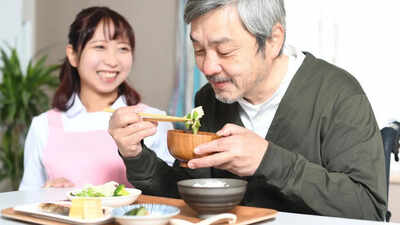
The desire to live a long and healthy life has paved the way for modern science to experiment with expensive supplements, trendy biohacking routines, or high-tech tools and even gym memberships.
Yet, reversing aging with these things is mostly temporary. Interestingly, the world is keen to know the Japanese secret of longevity, which is why people in Japan live beyond 90! Here’s all you need to know about the age-old secret of people and their way of living a happy, long and disease-free life.The Japanese secretThe world is paying close attention to Japan’s oldest seniors because they don't just live longer; they age better, maintaining their cognitive sharpness and physical mobility deep into their nineties.
Western researchers and nutritionists are studying their habits intensely to decode how their daily food choices prevent the chronic inflammation, heart disease, and cognitive decline that so often plague aging populations elsewhere.
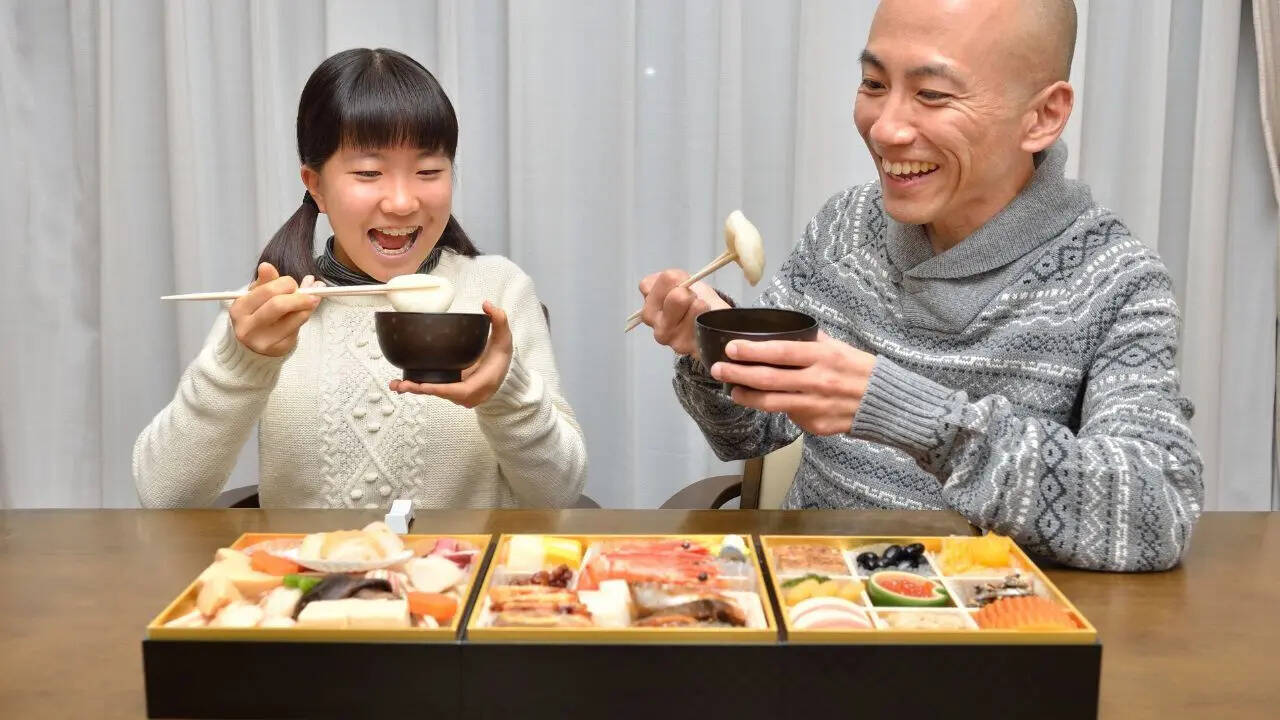
The morning ritualA typical breakfast for a Japanese nonagenarian looks nothing like the sugar-laden cereals or heavy pastries found in Western countries. In Japanese households the morning often begins with a warm bowl of savory miso soup, packed with gut-healthy fermented soy paste, seaweed like wakame, and cubes of soft tofu.
Apart from that, it is believed that accompanying the soup is a small portion of steamed rice—often brown rice or rice mixed with barley—and a piece of grilled fish, usually salmon or mackerel, providing an early dose of brain-boosting omega-3 fatty acids.
This combination delivers steady, slow-burning energy and essential protein without causing the sharp blood sugar spikes that drain vitality.Power of fermentation and portion controlLunch is traditionally a beautifully arranged spread of multiple small dishes, a style known as Washoku.
As per the daily ritual, it is believed that rather than eating one massive main course, seniors consume tiny portions of various nutrient-dense foods, ensuring a massive variety of vitamins and minerals in a single sitting. A staple of the midday meal is Natto, which is basically sticky, fermented soybeans famous for their pungent aroma and powerful health benefits.
Rich in vitamin K2 and an enzyme called nattokinase, this single superfood is highly credited by scientists for cleaning out arteries, preventing blood clots, and keeping the bones of Japanese seniors remarkably strong.
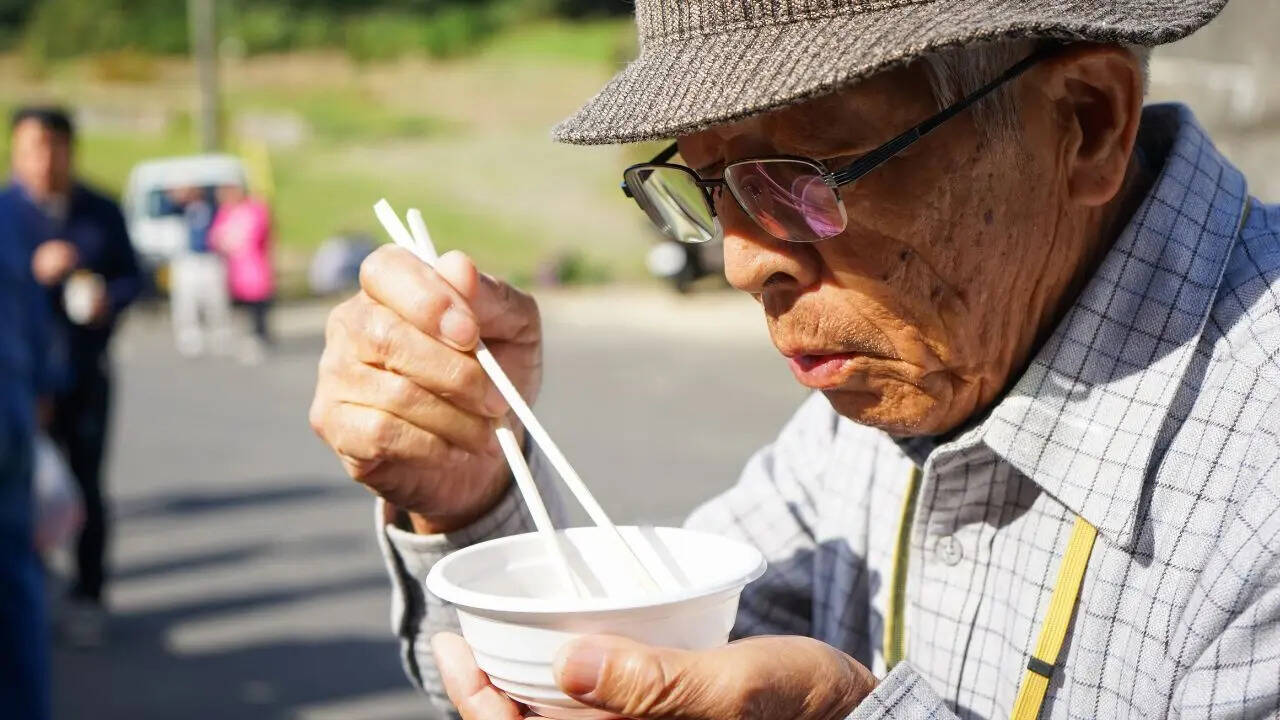
Light proteins and basic staplesAs the day winds down, the evening meal remains light and incredibly easy on the digestive system. Dinner often features gently simmered root vegetables like daikon radish, lotus root, or the iconic purple sweet potato, which is a famous antioxidant powerhouse in regions like Okinawa. Protein is kept minimal and lean, frequently sourced from delicate white fish or dynamic soy products rather than heavy portions of red meat.
Meals are typically seasoned with mineral-rich sea salt, ginger, and antioxidant-loaded green tea, avoiding the heavy, processed sauces that add hidden sugars and bad fats to Western dinners.Why is the world keen to know the Japanese hackGlobal health organizations are fixated on this diet because it targets the root cause of aging: cellular stress and inflammation. By filling their plates with deep-sea vegetables, medicinal mushrooms like shiitake, and constant infusions of green tea, Japan's elderly ingest an overwhelming amount of polyphenols and clean fiber daily.
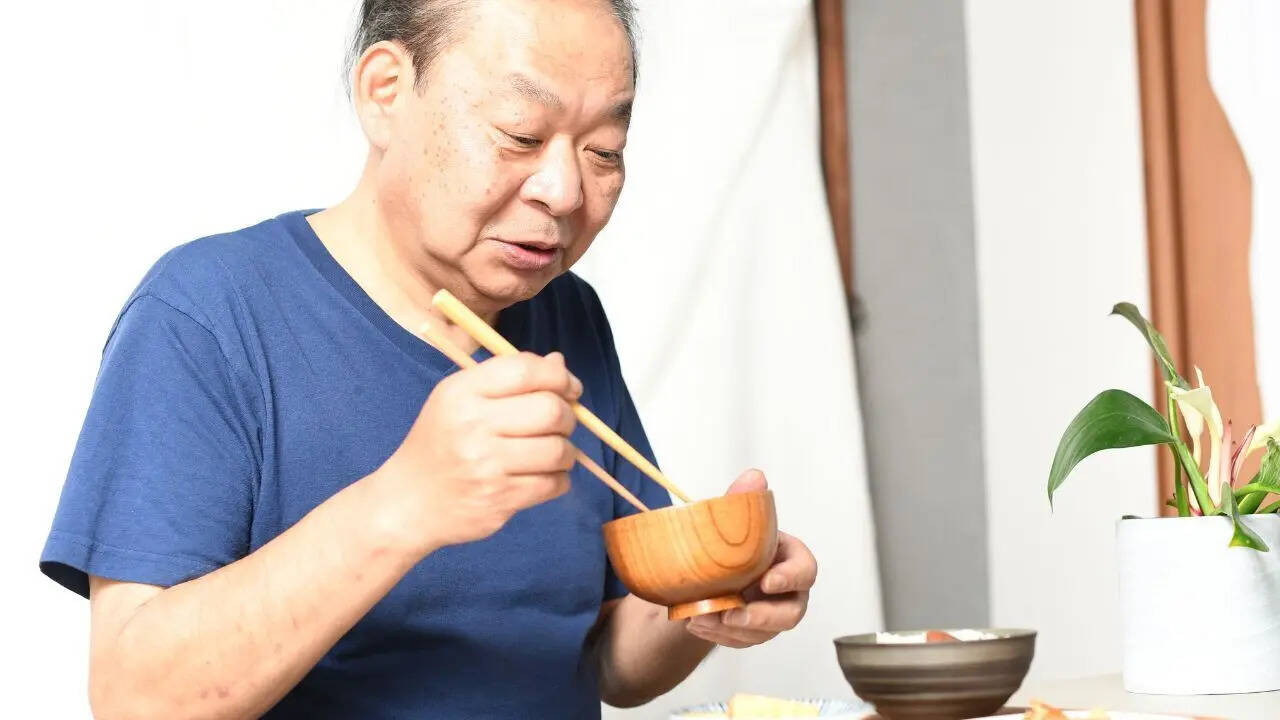
What do they eat? How do they eat?Perhaps the greatest lesson the world is learning from Japan's over-90 community lies in their cultural relationship with food. They practice Hara Hachi Bu, a Confucian teaching that instructs people to deliberately stop eating when they are exactly 80% full.What is the 80% rule?When Japanese seniors get up from the table before they feel really full they are doing something for their bodies. They are not eating much food so their bodies do not have to work too hard to digest it. This helps them stay healthy and strong. Japanese seniors also think about what they're thankful for before they eat. This makes eating an experience. It is not about filling their stomachs. Eating becomes a way to take care of themselves every day.
The rest of the world wants to learn from seniors and do the same thing. They want to make eating a habit. The 80% Rule is a way to eat and people all over the world want to try it.









 English (US) ·