

 1 week ago
6
1 week ago
6
ARTICLE AD BOX
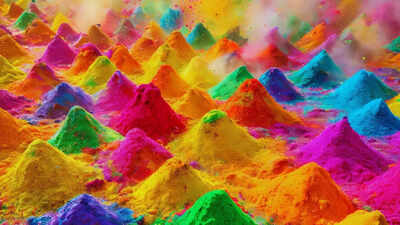
Like every year, this year too there is a slight confusion regarding the date of Holi celebrations. Is the festival being celebrated on March 3 or March 4? When is Holika Dahana, and why is it that there is so much confusion regarding the dates? One of the most beautiful festivals of India, Holi is celebrated every year in the Hindu month of Falgun, which celebrates the onset of spring. Colours play a significant role in this festival. From gulal to 'pucca rang,' people play with colours and smear it on each other's faces. The best thing about Holi is that this playfulness and childlike fervour is not confined to any particular group. It is the festival of letting loose, it is the festival of reliving one's childhood, it is the festival of playfulness, and it is the festival of forgetting all enmity and becoming one again!
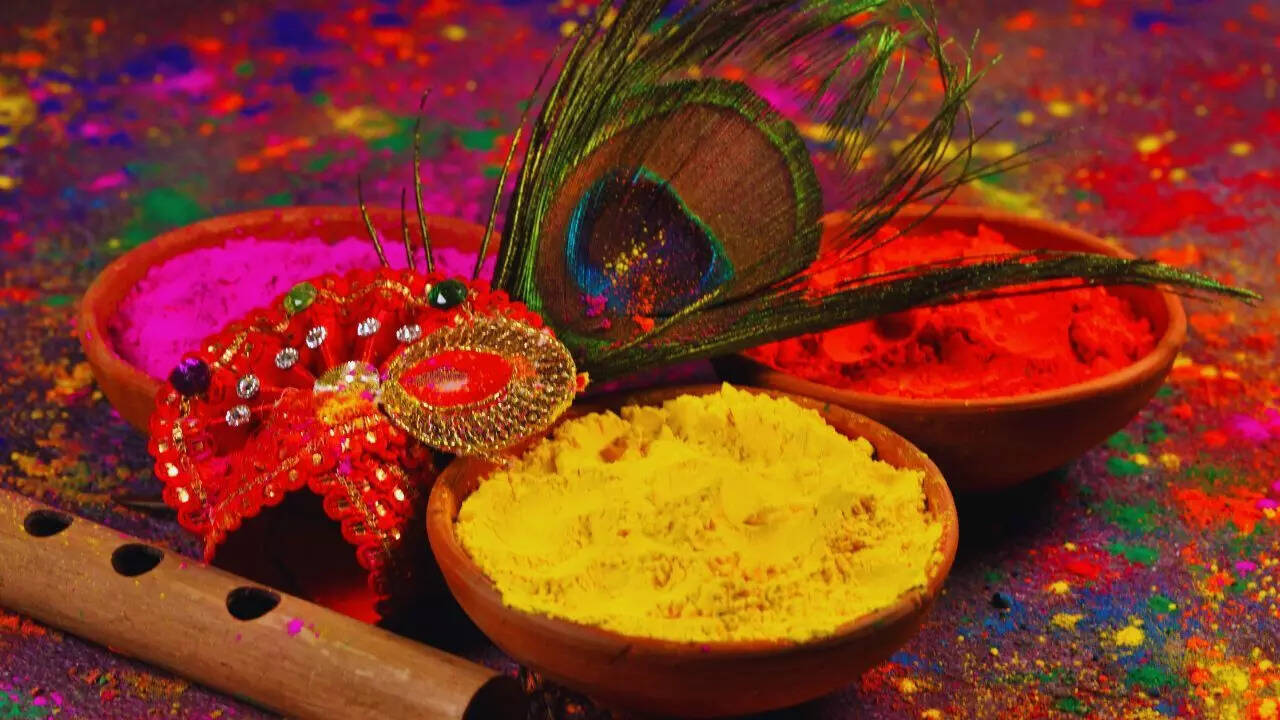
The colourful origins of HoliThere are certain schools of thoughts who believe that Holi began as a simple spring fire rituals in Vedic times.
The Rigveda and other texts reference "Holaka" or purification bonfires during Phalguna (Feb-March) to celebrate harvest, banish winter evils, and honor spring (Vasanta). These weren't the full festival yet—just agrarian communities lighting pyres for renewal.By the Puranic period, stories added drama.
First, Prahlad's tale- Demon king Hiranyakashipu's son Prahlad defied him by worshipping Vishnu. Sister Holika, fireproof by boon, tried burning Prahlad on a pyre but died herself and divine justice was rendered.
This birthed Holika Dahan bonfires. Lord Kishna's Holi is what most of the legends around Holi are made of. His playfulness and revelry during the festival gave birth to several folk tales.Bhakti poets like Surdas (16th century) wove Holi into Krishna bhajans. In courts, Mughal rulers like Akbar and Shah Jahan celebrated Holi with Hindus. There are paintings that show mixed revelry.
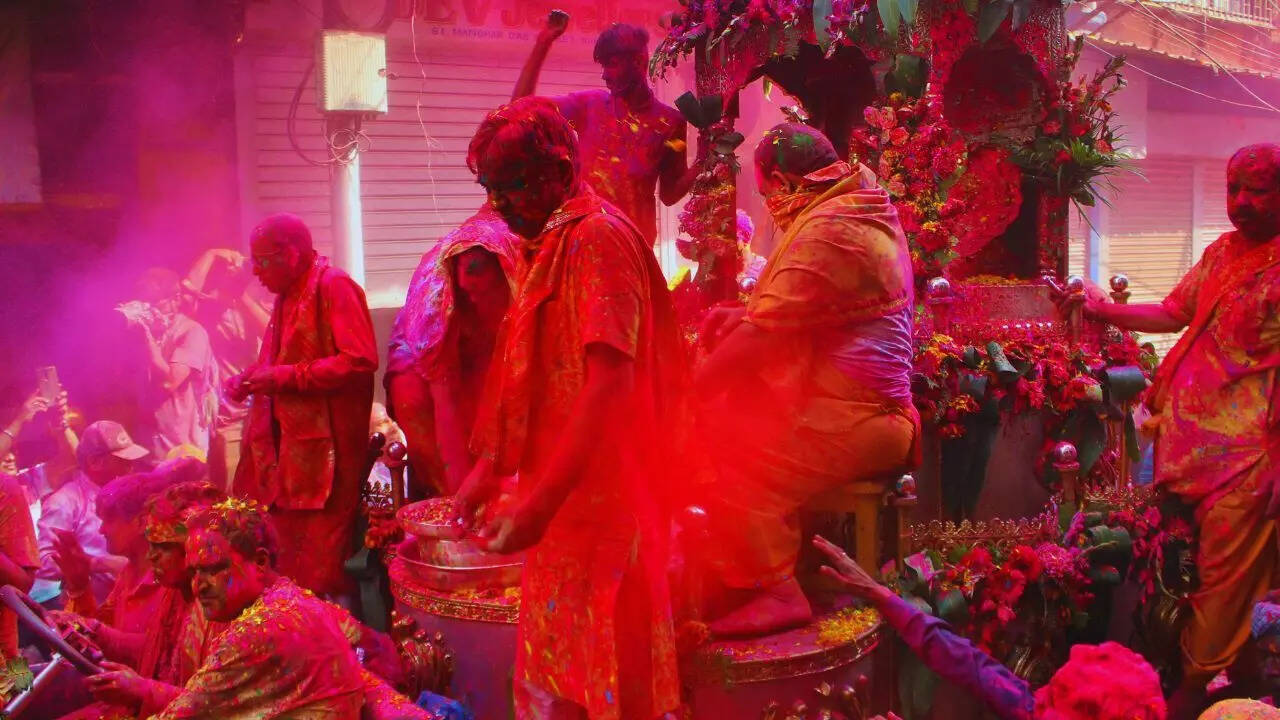
There are several regional variations of Holi-from Bengal's rice-flinging Basanta Utsav to Braj's Lathmar Holi (women hitting men with sticks).
What happens in Holi?Holi is celebrated with slight variations across India but the main celebrations remain common-Holi Dahan is performed a day prior to Holi when a pyre is lit, is offered ghee, cow dung cakes, coconut etc and prayers are offered for the protection of the family. Next day the festival of Holi is celebrated. On Holi, the day begins by playing colours with idols in home or temple, offering prasad to Kul Devta and then going out to play colours with friends and relatives.
In many parts of India familes meet up in the evening, seek blessings and good will and exchange good food.
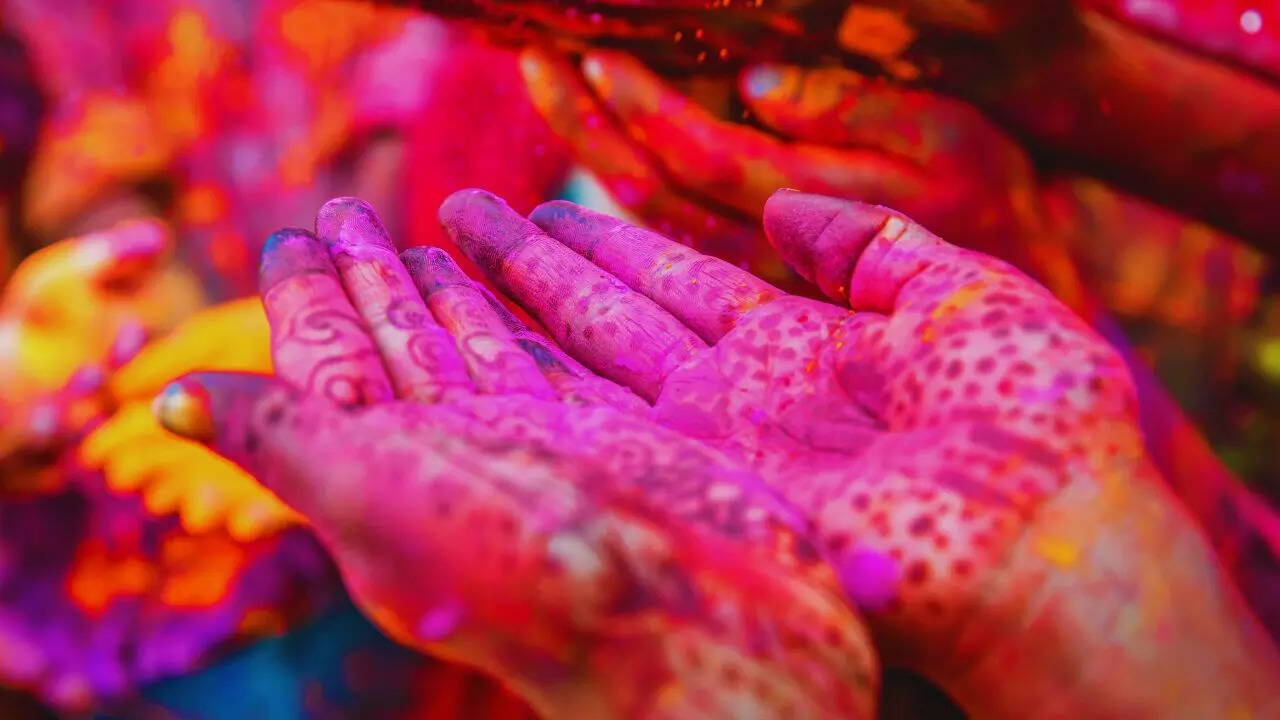
When is Holi being celebrated this year? On March 3rd or 4th?
- This year Holi will be celebrated on Wednesday, March 4, 2026 and Holika Dahan on Tuesday, March 3, 2026.
- Purnima Tithi Begins - 05:55 PM on Mar 02, 2026 and Purnima Tithi Ends - 05:07 PM on Mar 03, 2026
- Holika Dahan Muhurta - 06:22 PM to 08:50 PM, Duration - 02 Hours 28 Mins
- Bhadra Punchha - 01:25 AM to 02:35 AM,
- Bhadra Mukha - 02:35 AM to 04:30 AM
- Holika Dahan during Pradosh without Udaya Vyapini Purnima
- Purnima Tithi Begins - 05:55 PM on Mar 02, 2026
- Purnima Tithi Ends - 05:07 PM on Mar 03, 2026
As mentioned in Drik Panchang, as per Hindu scriptures, Holika Dahan, which is also known as Holika Deepak or Chhoti Holi, should be done during Pradosh Kaal (which starts after sunset) while Purnimasi Tithi is prevailing. Bhadra prevails during first half of Purnimasi Tithi and all good work should be avoided when Bhadra prevails.





 English (US) ·