

 1 hour ago
4
1 hour ago
4
ARTICLE AD BOX
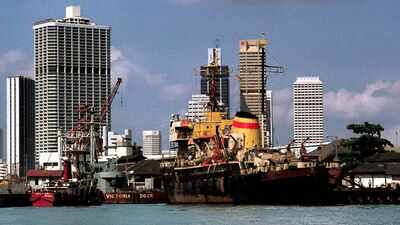
At first glance, the question sounds like a geography puzzle. Most cities belong to countries, and most countries contain many cities. Yet there is one place in Asia where those boundaries overlap completely.
Singapore is both a sovereign nation and a city at the same time, making it one of the world's most unusual political and geographical entities.The distinction often surprises people because Singapore is frequently described in different ways. It is called a country, a city-state and an island nation, depending on the context. All three descriptions are accurate. Unlike larger nations with multiple major urban centres, Singapore's entire territory functions as a single city while also operating as an independent state with its own government, laws and international representation.
Why Singapore is called both a city and a country
pc: wikipedia
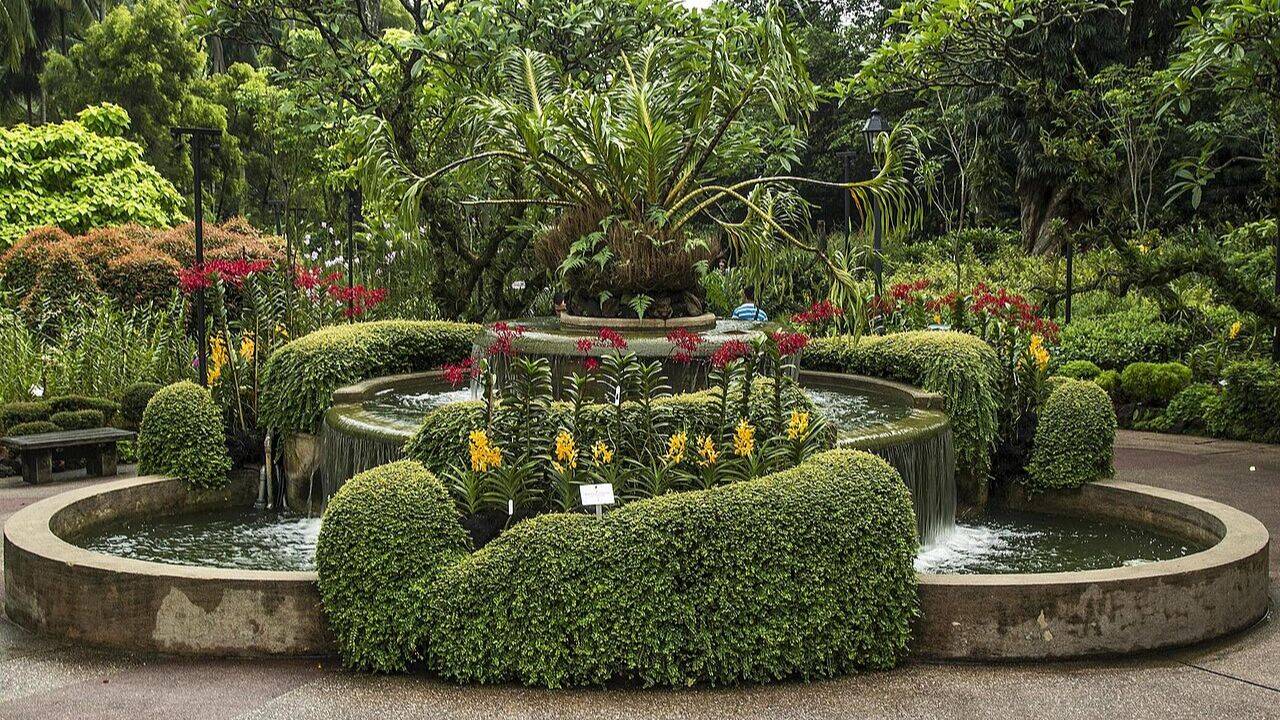
Singapore sits just off the southern tip of the Malay Peninsula in Southeast Asia. According to Singapore's Ministry of Foreign Affairs, the country covers roughly 710 square kilometres and is home to around five million people from diverse communities, including Chinese, Malay, Indian and Eurasian populations.The term "city-state" is often used for Singapore because the country's urban area and national territory are essentially the same.
There is no separate capital city in the way that countries such as Thailand or Japan have Bangkok and Tokyo. Singapore itself serves as both the nation and the city.That combination is exceptionally rare in the modern world. While history contains many examples of city-states, few remain today as fully sovereign countries. Singapore stands as the most prominent contemporary example.
Singapore's journey from colony to sovereign Nation
Singapore's path to statehood was far from straightforward. As per the World Atlas, British influence began in the early nineteenth century when the island became an important trading station. Over time, Singapore developed into a significant colonial port within the British Empire.The island experienced major political changes during the twentieth century. It came under Japanese occupation during the Second World War before returning to British administration after the conflict ended.
Self-government gradually expanded during the 1950s, reflecting growing local political aspirations.For a brief period, Singapore joined neighbouring Malaysia. That arrangement lasted only a few years. Political and economic tensions eventually led to separation, and on 9 August 1965, Singapore became an independent republic. The date remains one of the most significant moments in the country's modern history.
Singapore: A Nation spread across more than 60 islands
pc: wikipedia
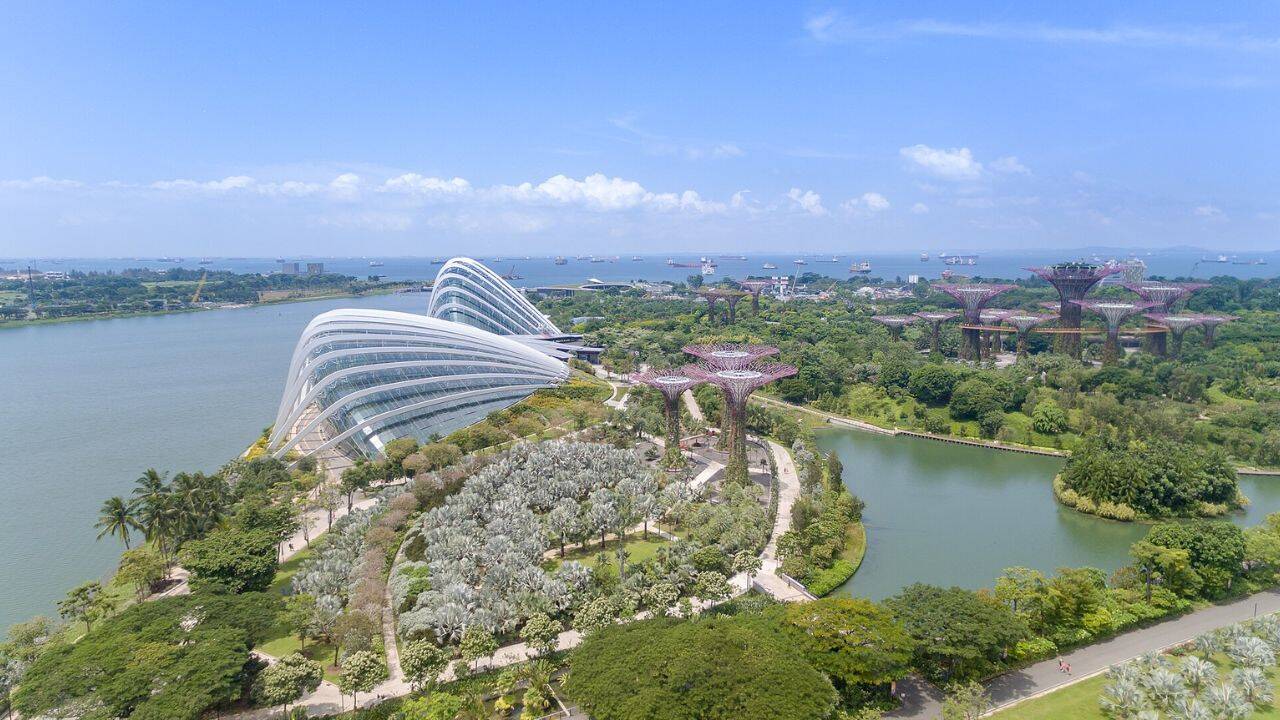
Many people imagine Singapore as a lone island, though the reality is slightly more complex. WorldAtlas notes that the country consists of more than 60 islands and smaller islets. The largest island, often referred to as Pulau Ujong, contains the vast majority of the population and economic activity.Despite its relatively small land area, Singapore has developed into one of Asia's most densely urbanised places.
Modern transport systems connect different parts of the island, while extensive land reclamation projects have gradually expanded its territory over the decades.Its position near the equator shapes everyday life. Temperatures remain warm throughout the year, and seasonal temperature swings are limited compared with countries farther north or south.
How Singapore functions as an independent nation
Singapore operates under a parliamentary system. The Ministry of Foreign Affairs states that the government is led by Prime Minister Lawrence Wong, while President Tharman Shanmugaratnam serves as Head of State.The structure reflects a model influenced by the Westminster parliamentary tradition. Executive authority is exercised through the cabinet, and elected representatives sit in parliament to make and amend laws.Although Singapore occupies a small geographical footprint, it functions in every respect as an independent nation. It maintains diplomatic relations around the world, participates in international organisations and manages its own domestic and foreign policies.
Singapore's unique identity as a city, country, and island nation
pc: wikipedia
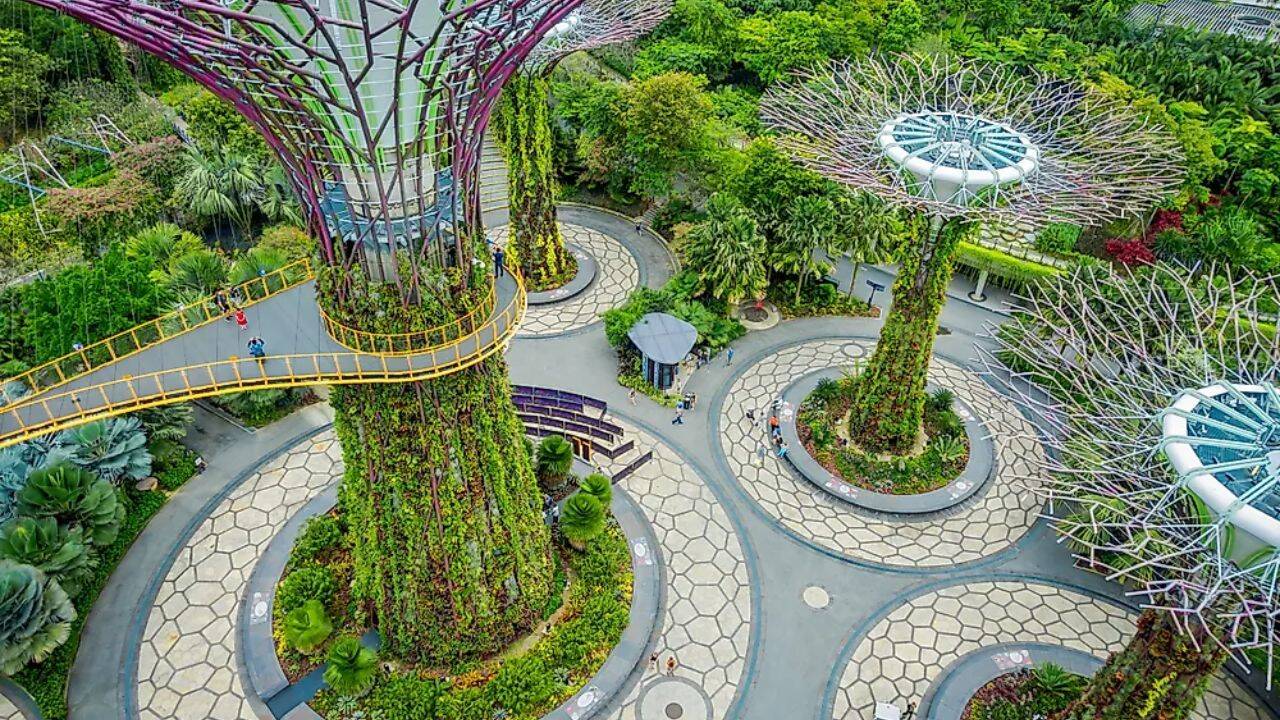
The reason Singapore is often used in geography quizzes and trivia questions is simple. Very few places can accurately be described as a city, a country and an island nation simultaneously.Its compact size can create confusion for visitors encountering it for the first time. Yet that uniqueness is precisely what makes Singapore distinctive. It is not merely a city within a country, nor simply an island governed by another state. It is a fully sovereign nation whose entire territory is organised as a single city-state.So when asked which place in Asia is both a city and a country, Singapore is the answer. Its unusual status, shaped by history and geography alike, has made it one of the world's most recognisable examples of a modern city-state.






 English (US) ·