

 1 hour ago
6
1 hour ago
6
ARTICLE AD BOX
Last Updated:June 22, 2026, 14:34 IST
A British Prime Minister mocked him as a 'black man' who could never win an election. Months later, he made history by becoming the first Indian elected to British Parliament
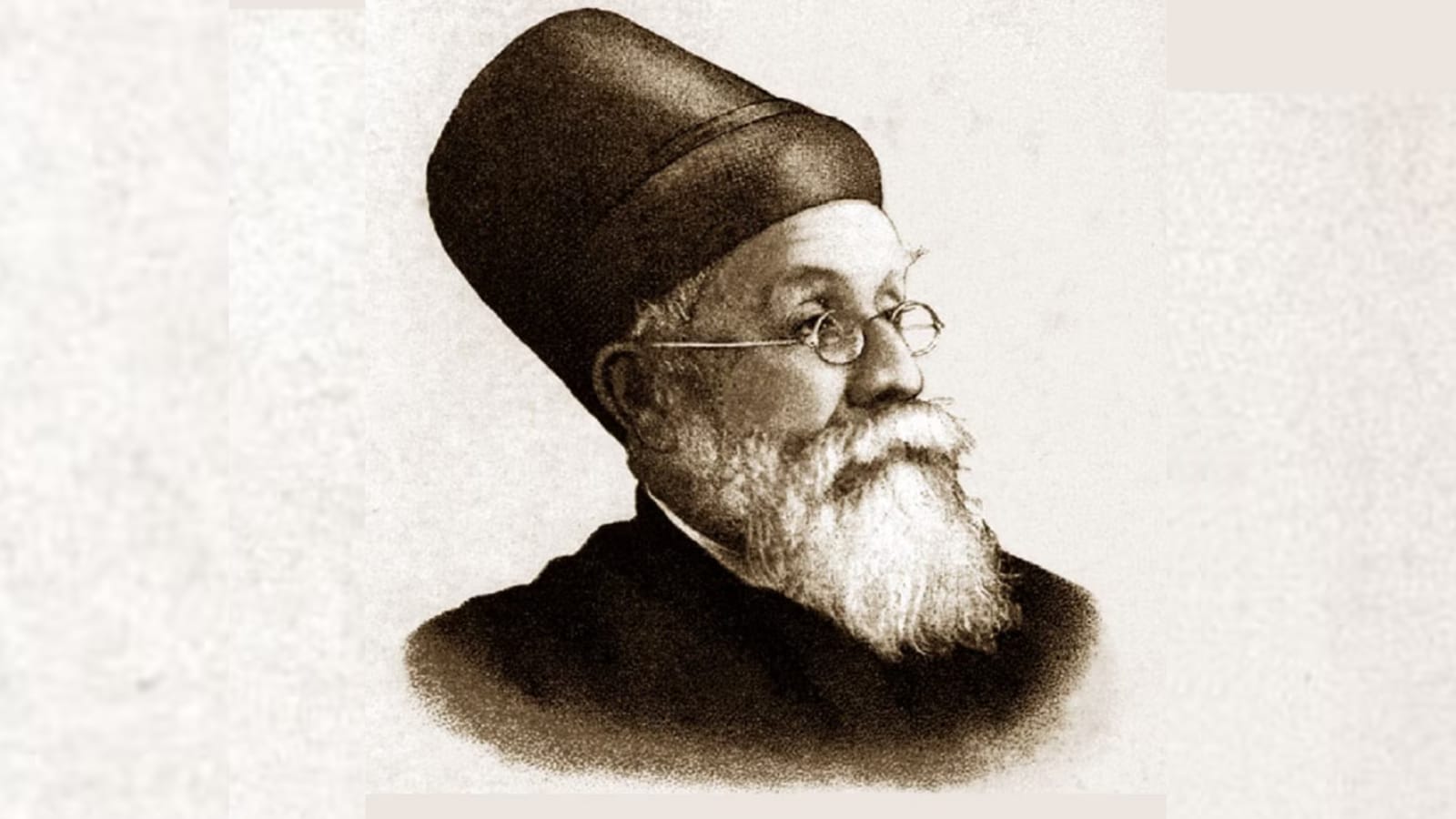
Today, people of Indian origin occupy some of the most influential positions in the United Kingdom. From business leaders to cabinet ministers and even a Prime Minister, the Indian diaspora has left an indelible mark on British public life. But decades before these achievements became possible, one man broke a barrier that many thought was impossible to cross. That man was Dadabhai Naoroji, who in 1892 became the first Indian elected to the British Parliament. His victory was remarkable not only because he was an Indian contesting elections in colonial Britain, but also because it came at a time when racial prejudice against non-white people was deeply entrenched in British society.
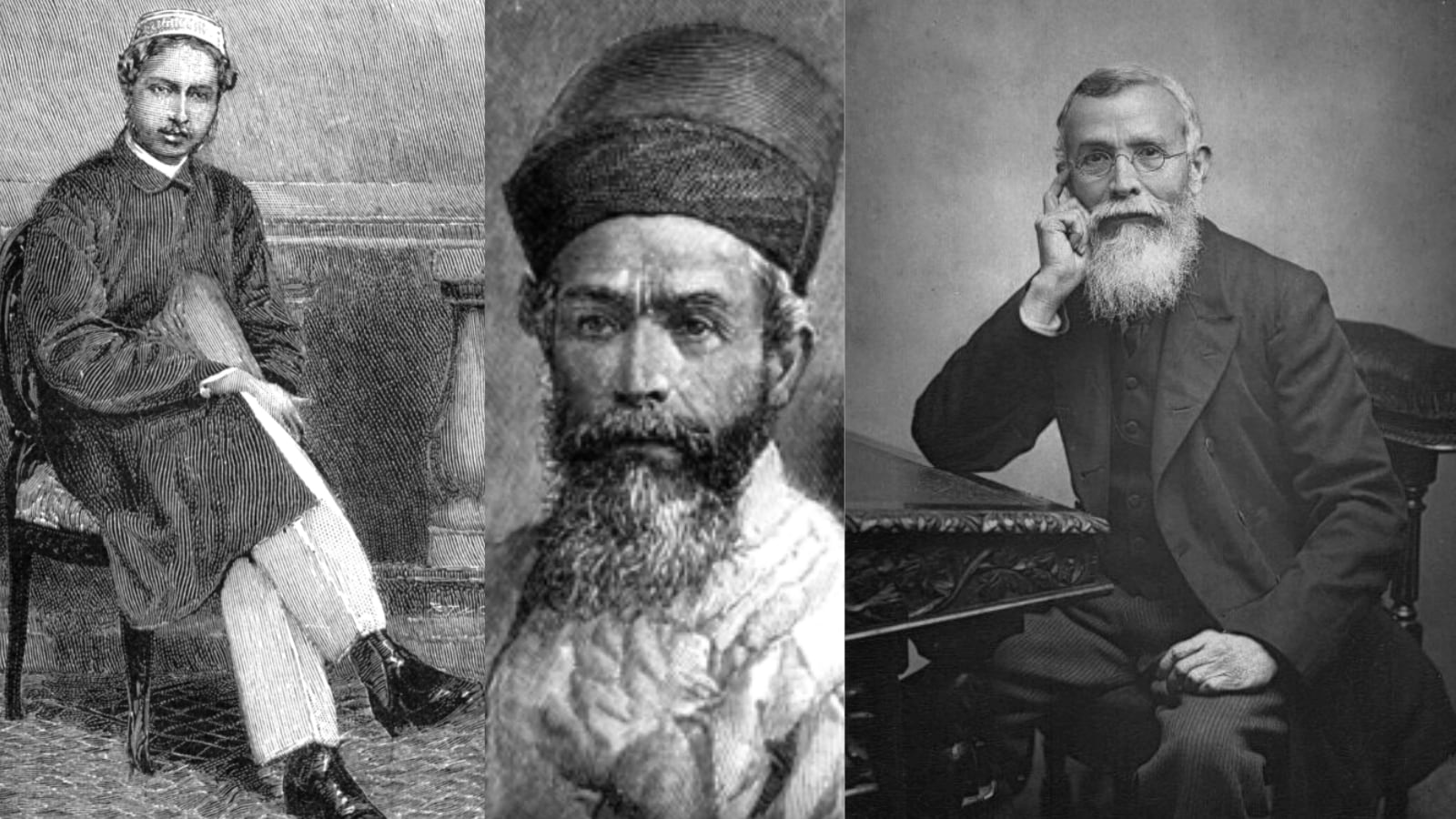
Born on September 4, 1825, into a modest Parsi family in Bombay, Dadabhai Naoroji excelled academically from a young age. His achievements earned him a place at Elphinstone College, where he became the first Indian professor of Mathematics and Natural Philosophy. At a time when Indians rarely held positions of authority in higher education, his appointment was considered a major milestone. In 1855, Naoroji moved to London as a partner in a business firm. While living there, he became increasingly convinced that India's widespread poverty was not a result of natural circumstances but of British colonial policies. Determined to expose these realities, he made London the centre of his political and intellectual work.
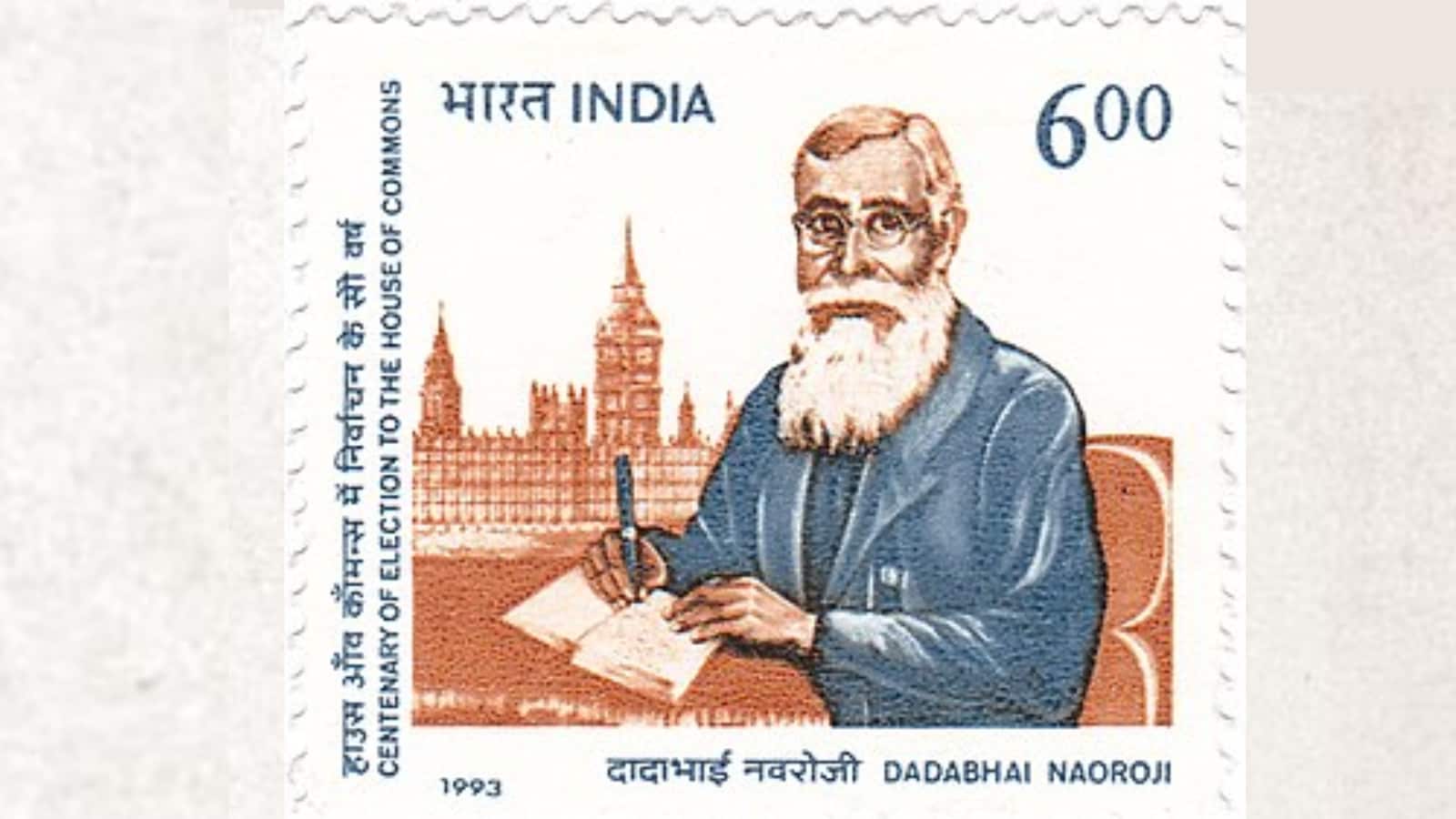
The Election That Changed History: Naoroji first entered British politics in 1886 when he contested the parliamentary election from Holborn. Although he lost, he refused to abandon his goal. Six years later, he contested again, this time from Finsbury Central in London as a candidate of the Liberal Party. The campaign unfolded amid intense racial discrimination. The then British Prime Minister, Lord Salisbury, publicly ridiculed Naoroji during an election meeting, suggesting that British voters would never send a "black man" to Parliament. The remark sparked widespread debate in British newspapers and generated sympathy among liberal sections of society. When votes were counted, Naoroji secured victory by an extraordinarily narrow margin of around three votes. The result made history, as he became the first Indian elected to the House of Commons and one of the first Asians ever to enter the British Parliament.
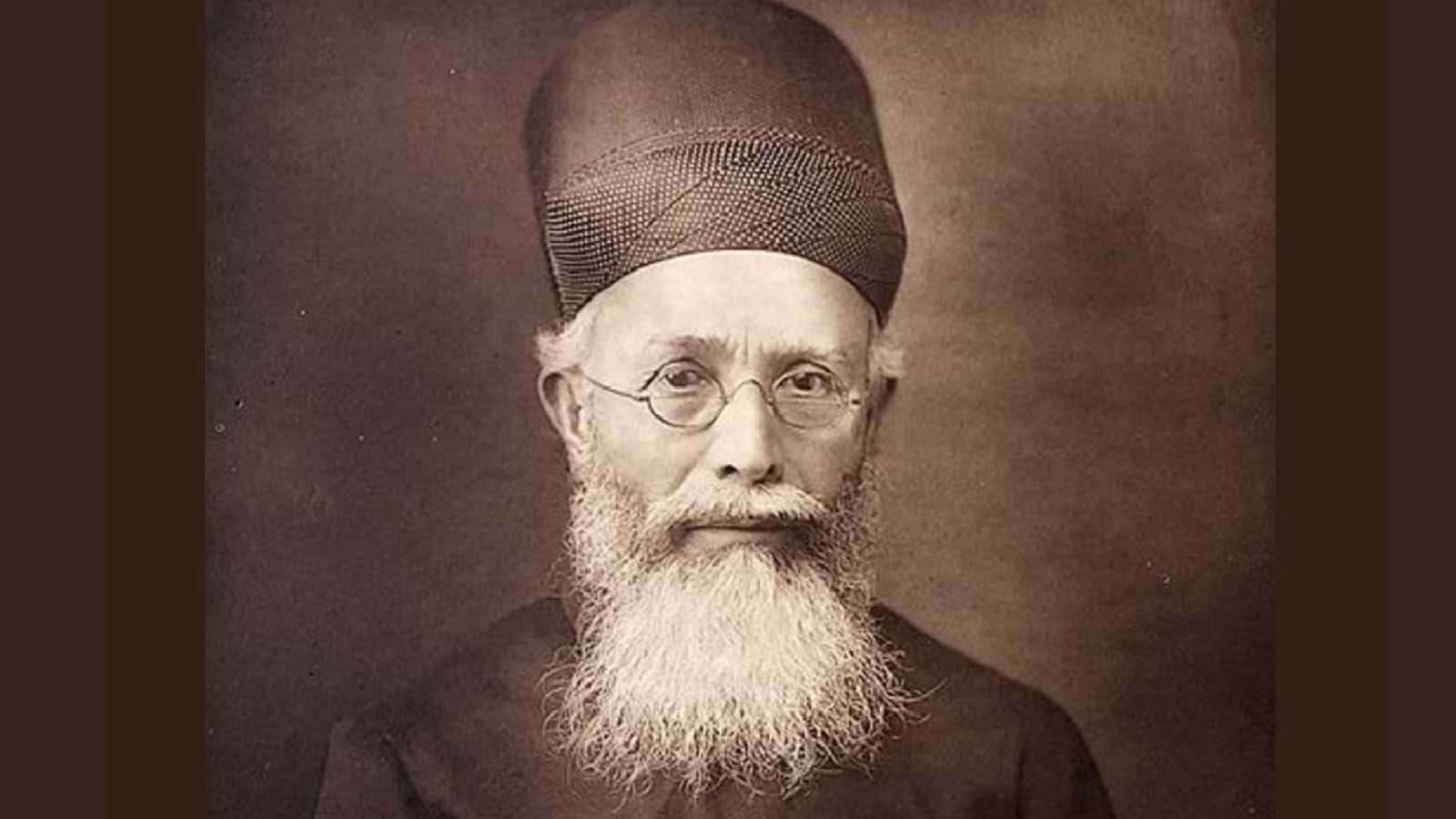
The Oath That Challenged Tradition: After winning the election, Naoroji found himself at the centre of another unprecedented moment. Under parliamentary rules at the time, newly elected MPs were expected to swear allegiance to the Crown by taking an oath on the Bible. As a devout Parsi, Naoroji objected to the requirement and insisted on taking the oath according to his own faith. Eventually, Parliament allowed him to swear on the Khordeh Avesta, a sacred Zoroastrian text. The decision marked a significant moment for religious inclusion in British political history and underscored Naoroji's determination to represent India without compromising his identity.
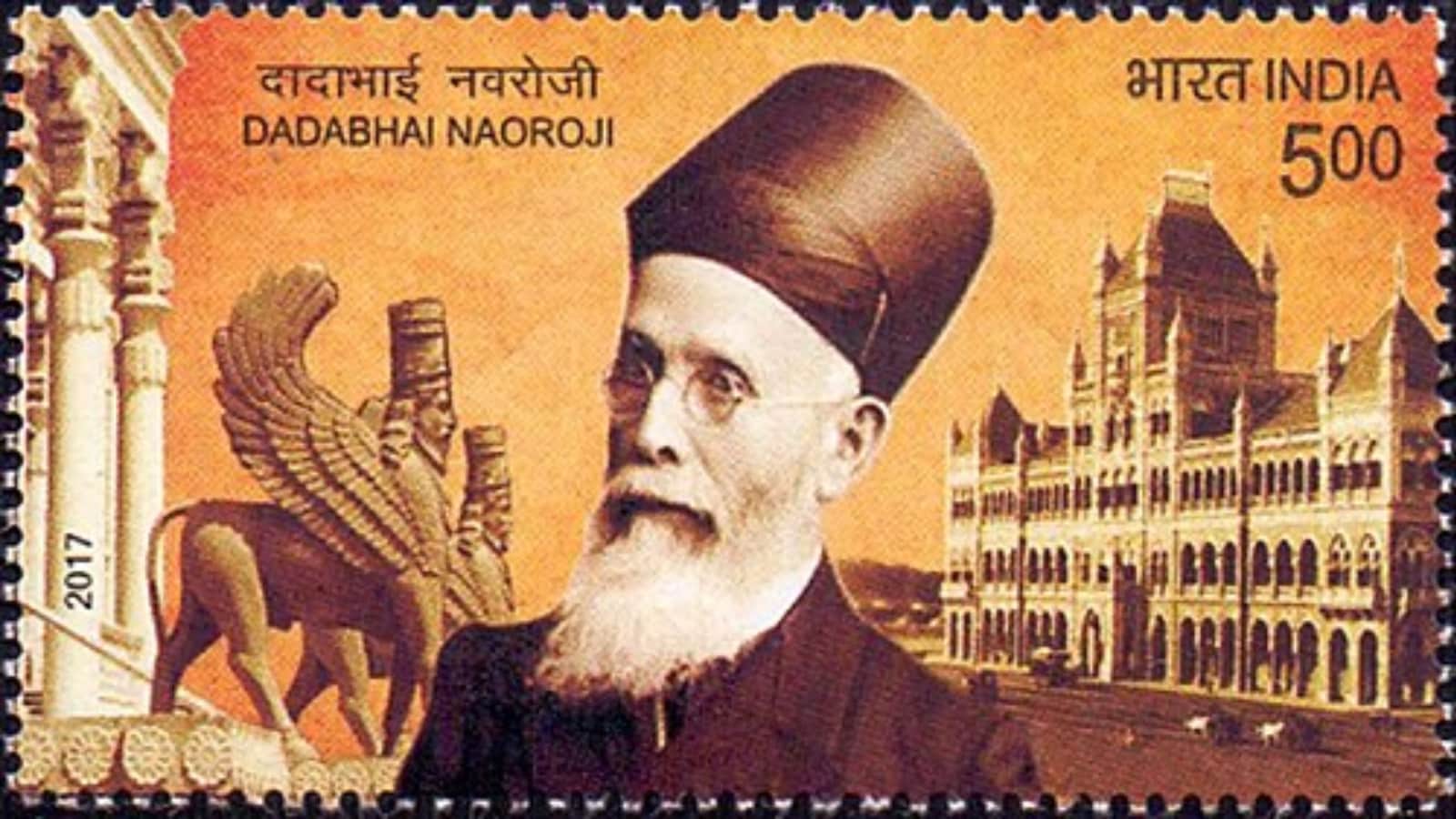
The Man Who Exposed Colonial Exploitation: Dadabhai Naoroji's most influential contribution was his famous 'Drain of Wealth Theory', which argued that Britain's colonial administration systematically transferred India's wealth to Britain. In his landmark book, Poverty and Un-British Rule in India, he used statistical evidence to demonstrate how Indian revenues, taxes and resources were being extracted without corresponding benefits for the people of India. His arguments transformed economic criticism of colonialism into a powerful political tool. Through speeches, writings and parliamentary interventions, he repeatedly highlighted the financial burden imposed on India by British rule. Naoroji also campaigned for greater opportunities for Indians within the colonial administration. One of his key demands was that the Indian Civil Service (ICS) examination should be conducted simultaneously in India and Britain rather than exclusively in London. His efforts contributed to Parliament approving the proposal in June 1893.
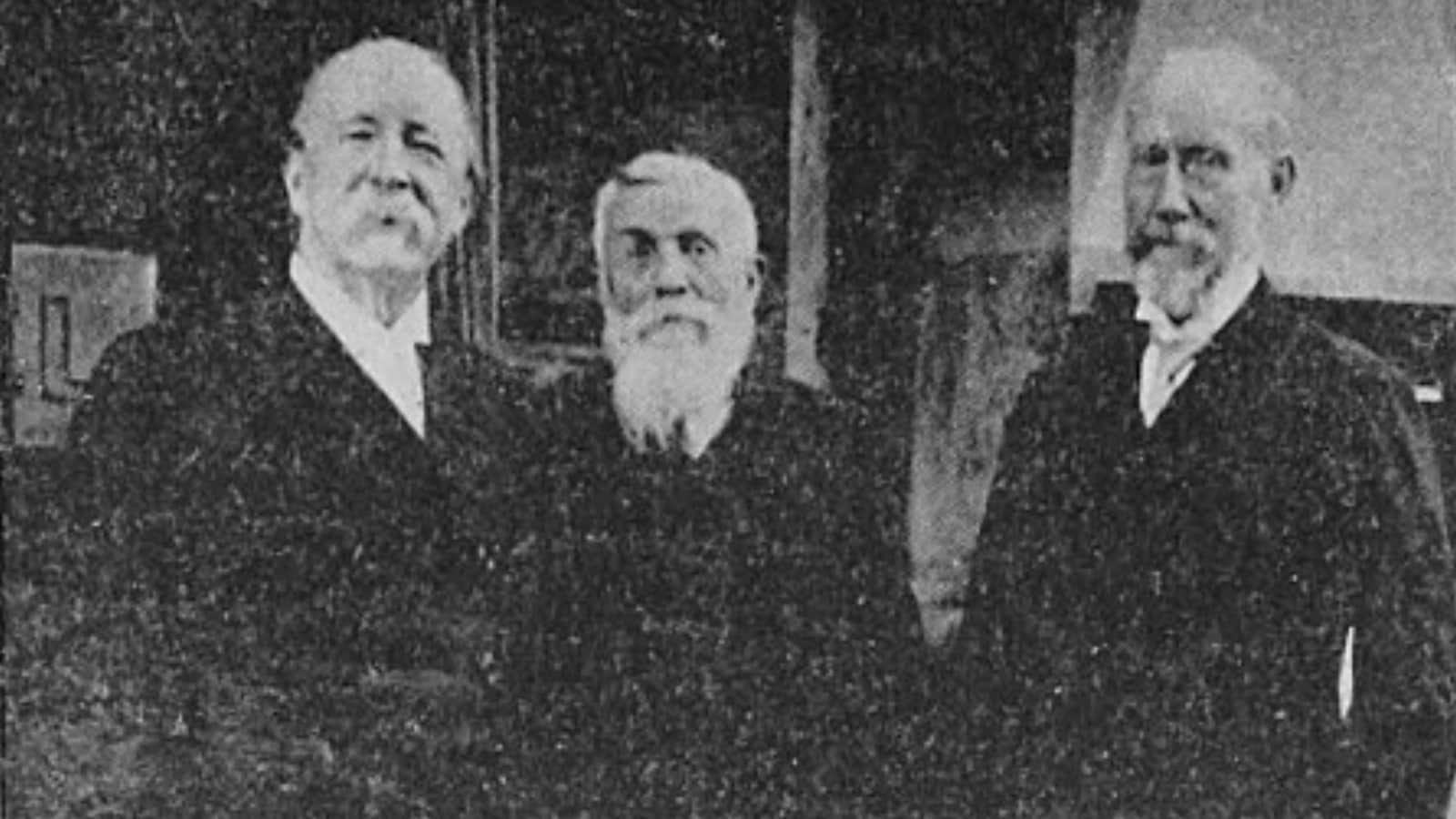
Beyond Parliament, Naoroji played a central role in India's emerging freedom movement. He was among the founding figures of the Indian National Congress in 1885, alongside AO Hume and Dinshaw Wacha. He went on to serve as Congress President three times: in 1886, 1893 and 1906. During the 1906 Congress session in Calcutta, Naoroji formally used the term Swaraj while addressing delegates, helping shape the ideological direction of the independence movement. His influence extended to future political giants. Mahatma Gandhi sought his advice through letters while confronting racial discrimination in South Africa. Muhammad Ali Jinnah, then a young lawyer in London, gained political experience while working as Naoroji's secretary.
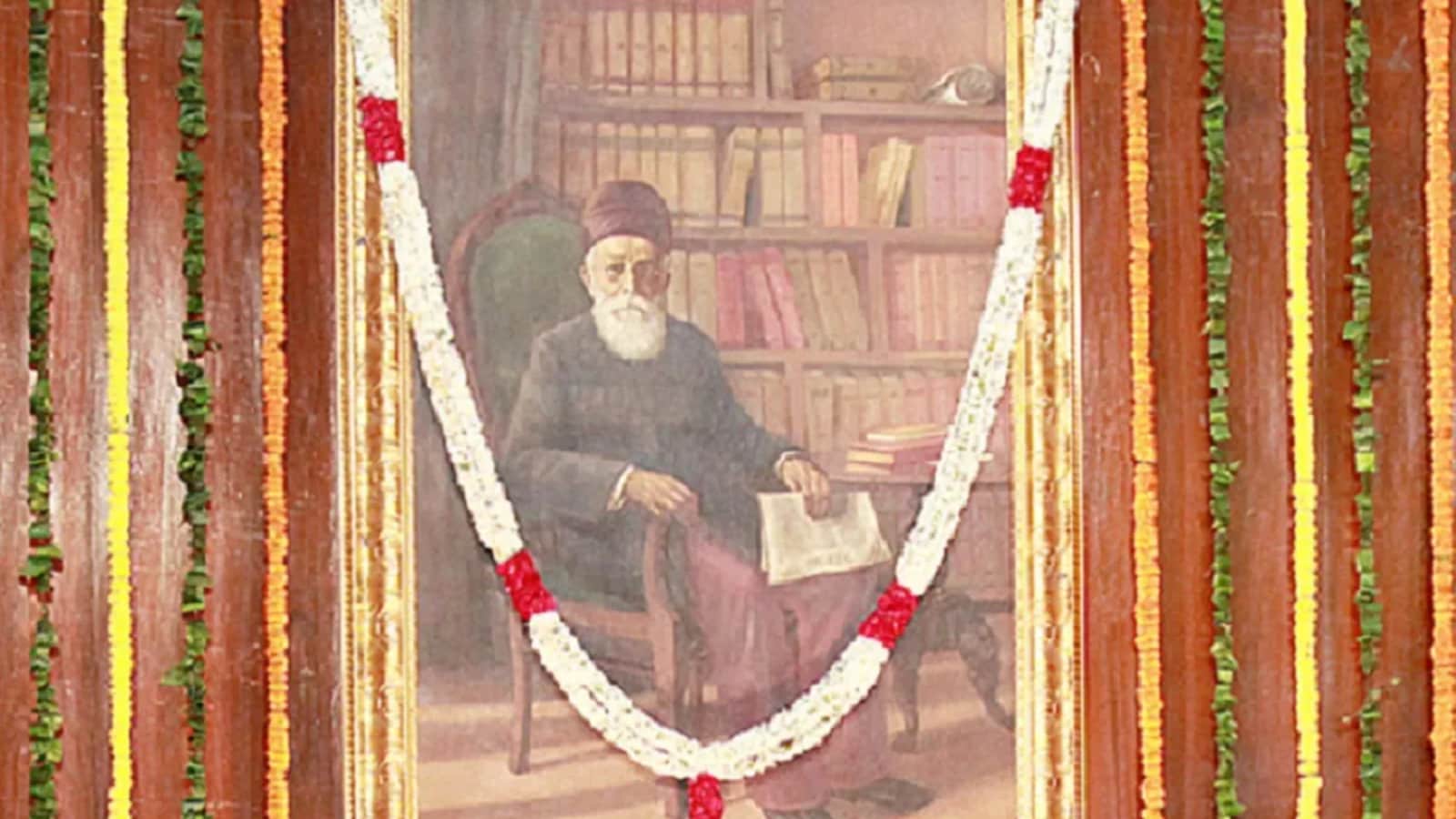
Often remembered as the 'Grand Old Man of India', Dadabhai Naoroji spent his life challenging injustice both within India and at the heart of the British Empire. He passed away on June 30, 1917, at the age of 91, leaving behind a legacy that would inspire generations of Indian nationalists.







 English (US) ·