

 2 hours ago
4
2 hours ago
4
ARTICLE AD BOX
Last Updated:April 17, 2026, 21:40 IST
The Bill received support from 298 MPs, while 230 voted against it. However, this was not enough for it to pass.


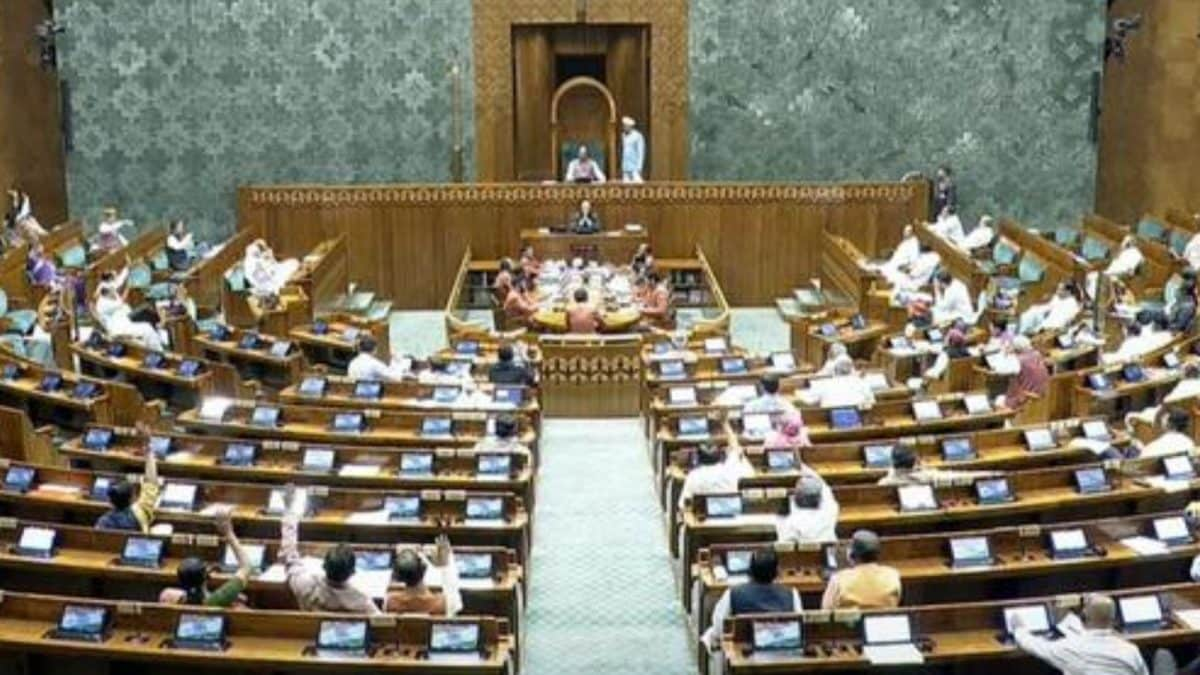
NDA MPs raise slogans during a protest amid rain during the Special session of Parliament, in New Delhi, Friday, April 17, 2026. (PTI Photo)
A Constitution Amendment Bill linked to delimitation and women’s reservation was defeated in the Lok Sabha on Friday, despite getting more votes in favour than against.
The Bill received support from 298 MPs, while 230 voted against it. However, this was not enough for it to pass. A total of 528 members voted, and the Bill required at least 352 votes to secure the mandatory two-thirds majority.
Lok Sabha Speaker Om Birla announced that the Bill did not pass as it failed to meet this requirement. Constitution Amendment Bills need a higher threshold than ordinary laws, meaning a simple majority is not sufficient.
ALSO READ: Delimitation Bill: How Women’s Reservation Can Help End 1971 Freeze Explained
What The Bill Proposed?
The proposed amendment aimed to increase the number of Lok Sabha seats from 543 to as many as 850. This expansion was meant to help implement 33 per cent reservation for women in Parliament and state assemblies from the 2029 elections.
The plan depended on a fresh delimitation exercise based on the 2011 Census. Delimitation involves redrawing constituency boundaries to reflect population changes and ensure fair representation.
The Bill also proposed increasing seats in state assemblies to accommodate women’s reservation.
Understanding The Voting Rules
Under Article 368 of the Constitution, any amendment Bill must be passed by a majority of the total strength of the House and by at least two-thirds of members present and voting. This makes it much harder to pass such laws compared to regular legislation.
Even after Parliament approval, some amendments must also be ratified by at least half of the state legislatures.
The political reaction was sharp. The government accused the Opposition of blocking women’s empowerment, while Opposition leaders said the Bill was flawed and claimed it had been defeated to protect constitutional principles.
Parliamentary Affairs Minister Kiren Rijiju launched a blistering attack on the Opposition, accusing them of “historic betrayal" against the women of India. He claimed the Opposition has exposed its “anti-women" bias by hiding behind technicalities of delimitation to stall a reform that has been pending for decades.
“The Opposition has today voted against the aspirations of the daughters of India," Rijiju told reporters outside the House.
On the other hand, Leader of Opposition Rahul Gandhi said the result was a defence of constitutional values, stating that the Opposition had “defeated this attack on the Constitution".
“We clearly said that this was not a women’s bill, but an attempt to change India’s electoral structure which we have stopped," he noted.
(With inputs from agencies)
Handpicked stories, in your inbox
A newsletter with the best of our journalism
First Published:
April 17, 2026, 21:40 IST
News politics Why Delimitation Bill Could Not Pass: Understanding Lok Sabha Voting Rules
Disclaimer: Comments reflect users’ views, not News18’s. Please keep discussions respectful and constructive. Abusive, defamatory, or illegal comments will be removed. News18 may disable any comment at its discretion. By posting, you agree to our Terms of Use and Privacy Policy.
Read More








 English (US) ·