

 1 week ago
14
1 week ago
14
ARTICLE AD BOX
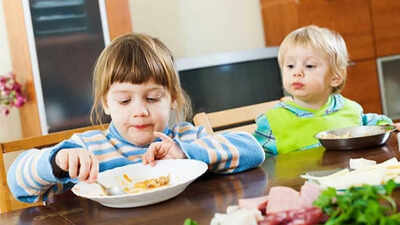
The birth of a new sibling is commonly viewed as a happy occasion, but for toddlers, it can be a subtle trigger for confusion, feelings of insecurity, and jealousy. Until the birth of the new sibling, the toddler has been enjoying undivided attention from their parents, a world where everything revolves around their needs and activities.
However, with the arrival of the new baby, the attention is now devoted to a new baby who needs to be constantly cared for. From the toddler’s point of view, this means loss, not gain. And recognizing the emotional basis for sibling jealousy enables parents to react to the toddler’s behavior with understanding rather than exasperation, ensuring that the toddler also feels loved, secure, and valued during this family change.Loss of exclusive attentionFor toddlers, parents are the focus of their feelings of security, love, and daily routines. With the arrival of the new baby, parents’ attention and time automatically turn to caring for the baby, feeding, comforting, and caring for the baby all the time. The toddler feels as if they are being rejected, which is not the case. They see less hugging, less looking into their eyes, or less playtime with them.
Since toddlers do not understand the needs of the baby, they feel as if their attention has been taken away from them.
This results in clingy behavior, tantrums, and regression, which are all indicators that the toddler is trying to reassure themselves that they still have a secure place in the family, which is unchanged.Developmental limitations in understandingEmpathy, impulse control, and perspective-taking are still in the developmental stages for toddlers.
They cannot understand that a baby is helpless and not a rival. Rather, they see a small person who gets endless attention and special treatment. Because they lack the cognitive ability to rationally understand what is happening, they react based on emotions. At this age, jealousy is not mean-spirited; it is confusion and fear of replacement.
Since toddlers think in concrete terms, they may believe that love comes in finite quantities.
If the baby gets more, then they must get less. This is a natural stage of development that makes sibling acceptance almost impossible without guided reassurance.Routines and feelings of securityYoung children feel secure in predictable routines. A baby changes all of these, including sleep patterns, meal times, caregiving, and even who gets to spend time with the toddler. Friends come to visit the baby, parents are exhausted, and regular routines are put on hold.
This creates a sense of insecurity in toddlers, who then feel like they are living in an emotionally unstable world. When the world they know turns upside down, they may act out in jealousy or anger at the sibling, not because of the baby, but because the baby represents change.
Going back to regular routines and spending one-on-one time with the toddler helps them feel secure again.Reassurance of belongingThe most basic emotional need of a toddler is to feel like they are irreplaceable in their parents’ love.
The arrival of a new baby threatens this feeling. Toddlers act out in ways that prove to their parents that they are still important. This happens through attention-seeking behavior, testing boundaries, or acting like a baby. Carrying them, feeding them, and babying them are common requests that come from a desire to feel close again.
Rather than manipulation, this is a cry for connection. When parents respond in a loving way, the toddler eventually understands that family love is not divided but multiplied, making it easier to accept siblings.Emerging identity and comparisonAt the toddler stage, children start developing their identity. They realize the differences: who gets to be held, who gets the praise, who gets the toys or attention. The newborn, of course, gets all the admiration and tender care, which the toddler notices. The toddler might compare themselves and feel less significant. This initial social comparison might cause jealousy or envy.
But by making the toddler feel capable and special as the big brother or sister, parents can help the toddler develop a healthy identity.
Feeling “big” and powerful might turn jealousy into pride and protective feelings later on.How parents can make the transition easierJealousy following the arrival of a sibling is normal and temporary if handled with understanding. Spending quality one-on-one time with the toddler, maintaining their routines, and involving them in baby care activities will help the toddler feel included and not rivalrous.
Just saying “You are special to me too” will help the toddler feel included. By not constantly comparing and understanding the toddler’s feelings without judgment, parents can teach the toddler emotional security.
By understanding and not dismissing the toddler’s jealousy, parents can teach the toddler that love is constant despite changes. With time and understanding, most toddlers will move from being rivalrous to curious and eventually to loving siblings.







 English (US) ·