

 1 hour ago
4
1 hour ago
4
ARTICLE AD BOX
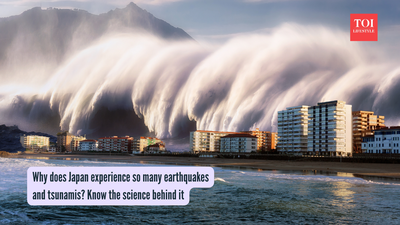
Japan's vulnerability to earthquakes and tsunamis stems from its location on the Pacific Ring of Fire. A recent magnitude 7.4 quake off Iwate Prefecture triggered a tsunami warning. The nation's preparedness, including regular drills and building designs, helps mitigate the impact of these frequent seismic events.
In Japan, the everyday sounds of life can suddenly be interrupted by a shrill beeping noise and text flashing across your TV screen, but this is not a technical glitch. It is a public alert warning you that an earthquake has just struck somewhere in the country.At the same time, an alarm or evacuation message may go out if there is a risk of a tsunami.A magnitude 7.4 earthquake struck northern Japan on Monday, prompting Japan’s Meteorological Agency (JMA) to issue a tsunami warning with estimated waves up to three metres (about 10 feet). The quake occurred at 4:53 pm local time in the Pacific Ocean off the coast of Iwate Prefecture in northern Japan. It was strong enough to shake tall buildings in Tokyo, hundreds of kilometres away. About 40 minutes after the quake, the JMA reported that an 80‑centimetre (approximately 31‑inch) tsunami wave reached a port in Kuji, Iwate.
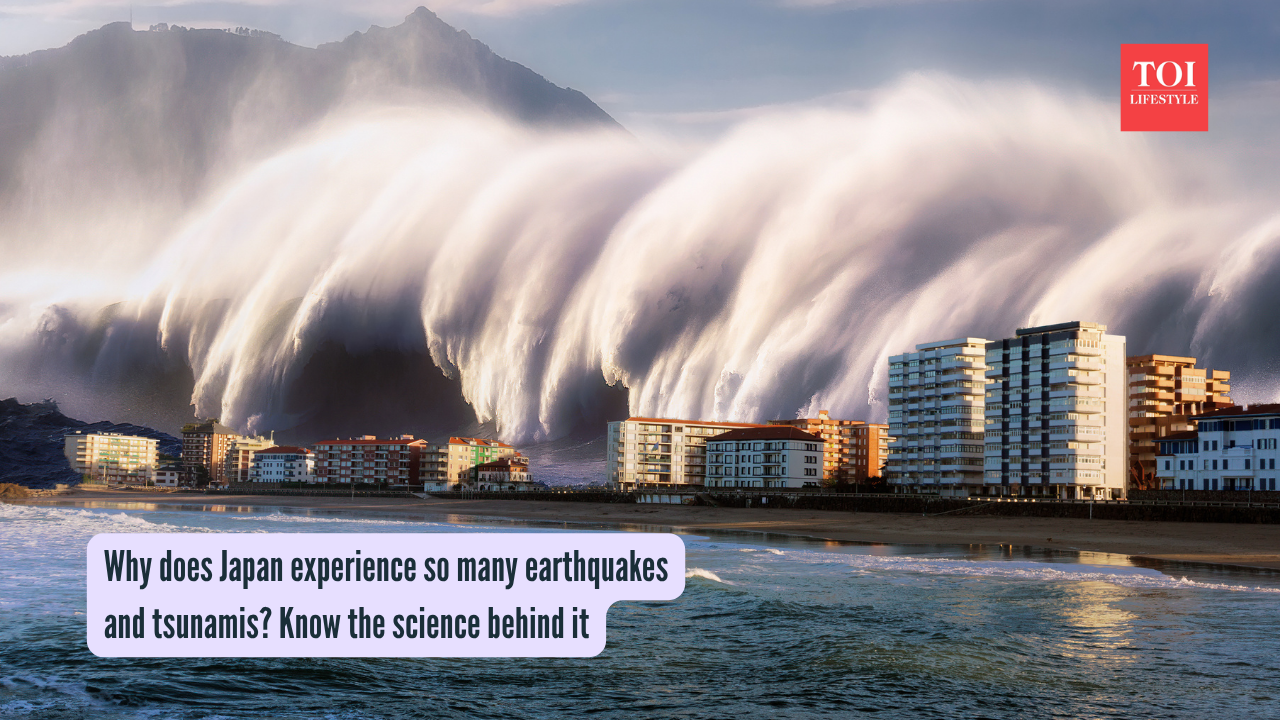
Representative Image
But have you ever thought why Japan is so highly prone to frequent earthquakes and in return tsunamis?
Why Japan is impacted by earthquakes so oftenly
Japan’s frequent experiences of earthquakes has a clear scientific reason, that the country sits along the “Pacific Ring of Fire,” the curved belt of volcanoes and fault lines that circles the Pacific Ocean.
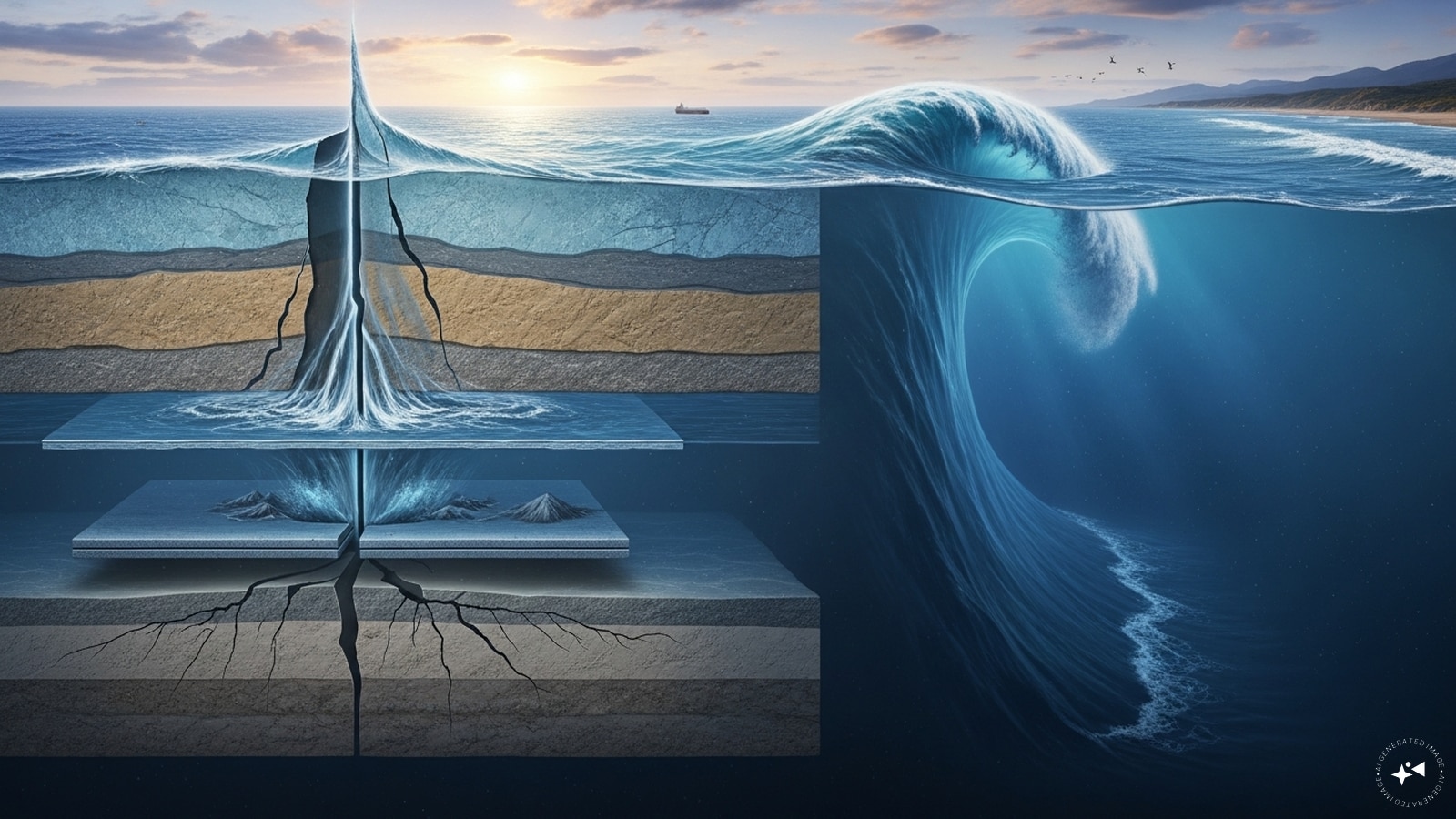
The area is notoriously active because several tectonic plates like the Pacific Plate and the Philippine Sea Plate, which push against, slide under, and grind past each other beneath Japan. When stress along these plates builds up and suddenly releases, it causes an earthquake.Because Japan is built right on top of this restless boundary, even big cities such as Tokyo can experience strong quakes that originate almost directly underneath them.According to the JMA, “Earthquakes can occur within a tectonic plate, thus occurring on land rather than in the sea and radiating outwards.” This is why engineers design buildings that can sway or absorb shaking, so that the structure moves with the earthquake instead of resisting it and collapsing.
How does Japan measure Earthquakes?
When an earthquake happens, two main numbers help people understand it: magnitude and seismic intensity. Magnitude measures the total energy released at the source of the quake, while the seismic intensity scale shows how strongly the shaking is felt at a particular location.
In Japan, these tremors are measured on a 10‑step scale from 0 to 7, with “lower” and “upper” levels in between, such as “lower 5” or “upper 6.
”The 2011 Great Tohoku Earthquake, with a magnitude of 9, remains the most powerful quake ever recorded in Japan and one of the strongest in the world since modern records began.
How Japan prepares its people for disasters
Because earthquakes are part of daily life, Japanese society has worked hard to turn fear into preparedness.
From an early age, schoolchildren regularly practice earthquake drills, hiding under desks when the alarm sounds.In workplaces and public spaces such as department stores, staff go through emergency drills so they can keep customers calm during shaking. Many homes secure tall furniture to the walls and keep emergency kits ready, including canned food and water. On November 19, Japan marks “Disaster Prevention Day,” when communities are reminded to restock emergency supplies and review evacuation plans.








 English (US) ·