

 1 week ago
14
1 week ago
14
ARTICLE AD BOX
There has been a paradigm shift in the way work places are looked upon in today's time. They are no longer the regular mundane places where office work is carried out, but vibrant spaces teeming wit opportunities.
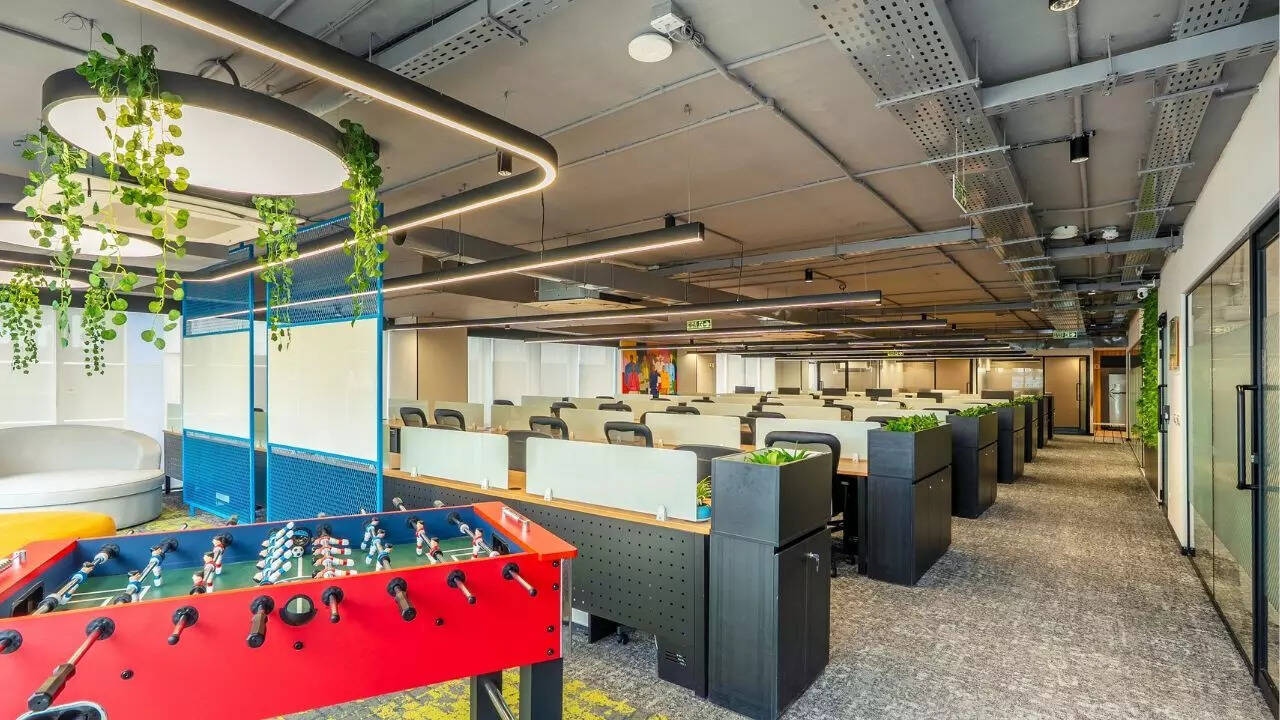
There is a massive change in the design element of workplaces. The design is transforming from being facility-driven to becoming more experience-led. In this context, flex spaces and coworking environments have emerged as the clearest catalysts of this transition. What initially emerged as a solution and concept of shared desks, flexible leases, and basic amenities has now grown into an experience-led environment that shapes productivity, collaboration and organisational culture. As the very nature of the work is changing, co-working spaces are no longer assessed on the basis of physical infrastructure but rather on the quality of experiences they create for businesses and their people. Factors driving the Rise in Demand The demand profile of flex spaces has also significantly transformed, which is largely being driven by enterprises, GCCs as multinational firms scale their India presence, and a structural shift toward flexible workspaces.
These organisations require secure digital networks, private work zones, compliance-ready systems, and a robust IT infrastructure. This shift can be seen the way India's real estate sector is being driven by coworking formats and Global Capability Centres (GCCs). As per the latest estimates these formats are expected to see almost three times growth in the next two years. Future-ready workplaces have emerged as a cornerstone of modern work culture, and coworking has evolved in direct alignment with this shift. According to Manas Mehrotra, Founder, 315Work Avenue, "Technology plays a significant role in today’s flexible workspace environment with the use of intelligent access systems as well as community engagement tools. However, for companies that operate a pan-city or global business, for instance, these tools have become an imperative requirement for a seamless customer experience. Collaboration has become the primary reason, and hence mentoring, innovation, and culture-building flourish when people come together in thoughtfully designed environments.
Coworking set ups have met this requirement by realigning space allocation. Lounge areas, conference rooms and breakout spaces have come to play a pivotal function in office space design and have come to define the office experience."
"Nobody earlier thought about sustainability while designing workplaces. It just had to be a place with a table, a chair, and a space for computers. But now more and more developers are focusing on a design that not just supports the health and mental well being of workers but also the environment.
Now workplaces are using energy systems, smart resource management, and eco-conscious materials, which are fast becoming baseline expectations.
Beyond environmental impact, sustainable design contributes directly to human experience," he adds.The new elements that have found priority are better air quality, natural light, biophilic elements, and ergonomic workstations support physical and mental wellbeing, reinforcing the office as a space that sustains performance rather than drains it.
This focus is increasingly influencing occupier decisions, with a strong preference for high-quality, green-certified buildings across major markets. New investment opportunityAccording to Rajesh Kumar Choudhary, investment banker and management consultant, "Co-working spaces have become a new investment opportunity, especially in fast-growing markets like India. There has been a change in the way people work and this has fuelled new investment opportunities.
Most orgaisations are now demanding flexible, fully managed offices over long-term traditional leases. Startups, small businesses, large enterprises, and Global Capability Centres (GCCs) all seek scalable spaces that reduce upfront costs and offer operational convenience.
Because of this shift, there has been a sharp rise in demand. India’s flexible workspace sector is expected to grow rapidly over the next few years, supported by hybrid work models and corporate expansion.
And this is going to be very different from the conventional real estate. The best thing about coworking spaces is that they generate revenue through multiple channels. From monthly memberships to private cabins, meeting rooms, event hosting, and value-added services, they create diversified and recurring cash flows. They can be an ideal real estate investment in terms of the fact that they deliver higher yields per square foot compared to standard office leasing.
For investors, the opportunity lies not only in owning physical assets but also in backing coworking operators, commercial REITs, or managed workspace platforms."The future of the office space is gradually being shaped by the concept of coworking and flexible workspaces that are designed around the needs of the employees and influenced by flexibility, intelligence, and purpose. Together, these trends signal a decisive new era as flex becomes part of a longer-term portfolio strategy.
The office is no longer a static asset; it is an adaptive, service-led product that must earn employee loyalty every day.
Providers who combine hospitality principles, intelligent design, and operational excellence will define the future of workplace evolution in India. Overall, the outlook for India's coworking sector is extremely positive, and it is poised to remain a powerful growth driver for India’s commercial real estate landscape.






 English (US) ·