

 1 week ago
10
1 week ago
10
ARTICLE AD BOX
Last Updated:June 08, 2026, 08:42 IST
Iran fired missiles towards Israel on Sunday after Israeli strikes in Lebanon, dramatically testing a ceasefire that US President Donald Trump had been trying to preserve.


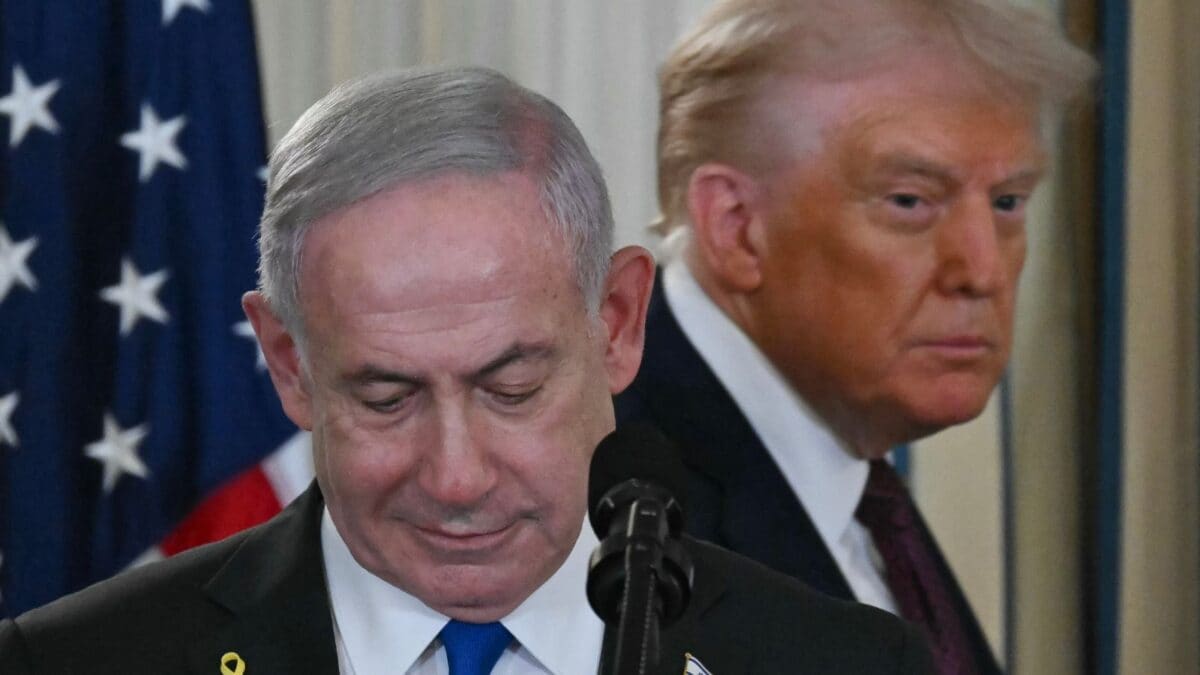
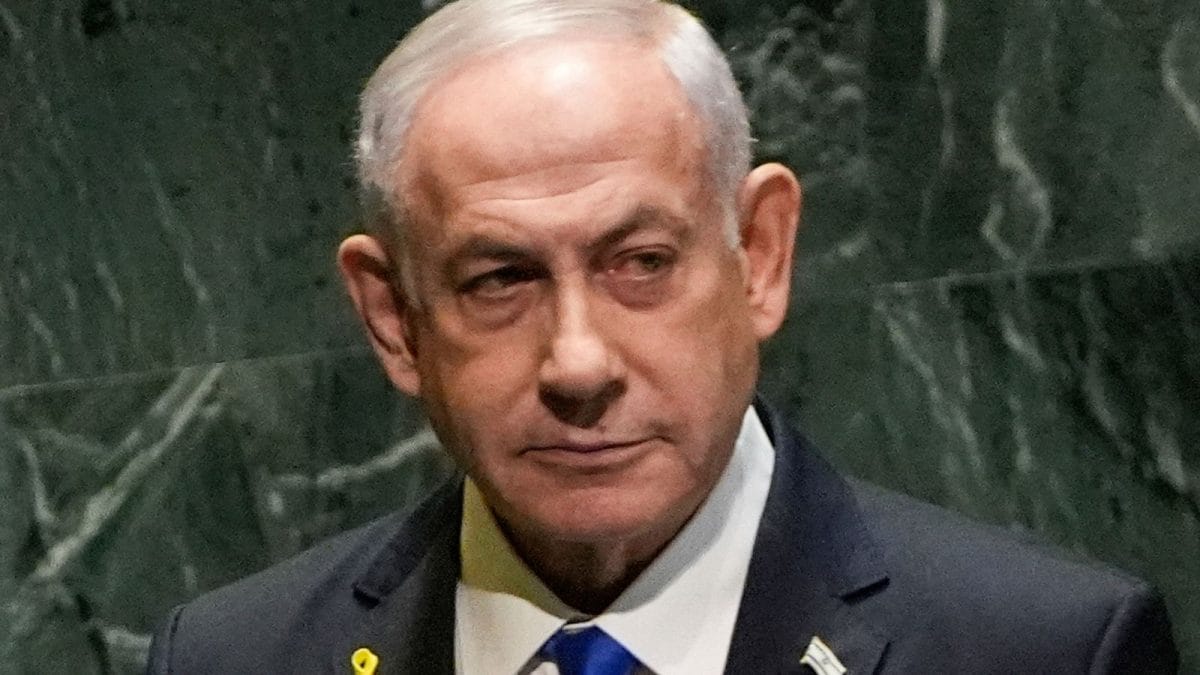
The latest flare-up came despite reports that Trump personally called Israeli Prime Minister Benjamin Netanyahu and urged restraint following Israeli attacks in Beirut and southern Lebanon. (AI generated image)
Just days after hopes emerged that a fragile Iran-Israel truce could pave the way for a broader US-Iran understanding, the Middle East is once again staring at renewed escalation. Iran fired missiles towards Israel after Israeli strikes in Lebanon, dramatically testing a ceasefire that US President Donald Trump had been trying to preserve.
Read More: Iran Fires Missiles Toward Israel After Vowing Response Over Lebanon Escalation
The latest flare-up came despite reports that Trump personally called Israeli Prime Minister Benjamin Netanyahu and urged restraint following Israeli attacks in Beirut and southern Lebanon. Instead of calming tensions, the exchanges have reinforced Tehran’s long-standing position: there can be no lasting peace deal with Washington if Israel continues military operations in Lebanon.
The developments underline how the regional crisis has evolved over the past two weeks. What initially appeared to be a pathway towards de-escalation between Iran and the United States has increasingly become entangled with Israel’s military campaign against Hezbollah in Lebanon, creating a diplomatic deadlock that neither side has yet managed to break.
Why Lebanon Has Become Central To Iran’s Demands
For Iran, Lebanon is no longer a side theatre. Iran views Hezbollah as its most important regional ally and a crucial component of what it calls the “Axis of Resistance". Israeli strikes targeting Hezbollah positions, commanders and infrastructure are therefore seen not merely as attacks on a Lebanese armed group but as direct challenges to Iran’s regional security architecture.
Over the past week, Iranian officials repeatedly warned that any peace arrangement with the United States would require a ceasefire “on all fronts", including Lebanon and Gaza. Tehran has argued that Washington cannot simultaneously pursue diplomacy with Iran while allowing Israel to continue military operations against Iranian allies.
This explains why Iran reacted strongly when Israel continued strikes in Lebanon despite ongoing diplomatic efforts. From Tehran’s perspective, a partial ceasefire confined to Iran and Israel would leave Hezbollah exposed while reducing Iran’s own leverage.
Why Lebanon Matters For Iran
For Iran, Lebanon’s importance dates back to the aftermath of the 1979 Islamic Revolution and was cemented during the Lebanese Civil War in the early 1980s. Following Israel’s 1982 invasion of Lebanon, Iran’s Revolutionary Guards helped create and train Hezbollah, which gradually evolved from a militant movement into the country’s most powerful armed and political force. Over the next four decades, Hezbollah became Tehran’s closest regional ally, serving as Iran’s frontline deterrent against Israel and a key pillar of its ‘Axis of Resistance’ network stretching across the Middle East.
The relationship deepened through conflicts such as Israel’s withdrawal from southern Lebanon in 2000, the 2006 Israel-Hezbollah war, and the Syrian civil war, where Hezbollah fighters backed the Iran-supported Bashar al-Assad government. As a result, Tehran sees Hezbollah not merely as an ally but as one of its most valuable strategic assets. Any attempt to weaken Hezbollah through sustained Israeli military action is therefore viewed in Tehran as an attack on Iran’s own regional influence and security architecture.
What Went Down The Past Two Weeks?
The current crisis traces back to a series of events that unfolded rapidly. After months of conflict, indirect US-Iran diplomacy gained momentum, with both sides signalling that a broader understanding could be within reach. Iran repeatedly stated that negotiations would remain viable only if regional hostilities were reduced, particularly in Lebanon.
In the meanwhile, Israel intensified operations against Hezbollah targets in Lebanon, including strikes around Beirut and southern Lebanese areas. Trump reportedly intervened directly, urging Netanyahu to avoid actions that could derail diplomacy with Tehran. Despite those efforts, Israeli strikes continued, prompting Iranian warnings that the ceasefire framework was being undermined.
Iran then launched missile attacks towards Israel, claiming it was responding to Israeli actions in Lebanon and ceasefire violations. The exchange has once again raised fears that the broader US-Iran peace process could collapse.
Why Trump Is Pushing For Restraint
The Trump administration believes it is closer to a diplomatic breakthrough with Iran than at any point since the current conflict began.
Trump publicly indicated that negotiations remained alive even after the latest missile exchanges and suggested that fresh strikes should not necessarily derail the process. Reports also indicate Washington has pressed Israel to avoid actions that could trigger another regional escalation.
However, the administration faces a difficult balancing act. Israel insists it must retain freedom of action against Hezbollah, while Iran insists precisely the opposite. The result is that Lebanon has become the biggest obstacle standing between a potential US-Iran agreement and another regional war.
How The Ceasefire Violation Hit Global Oil Markets
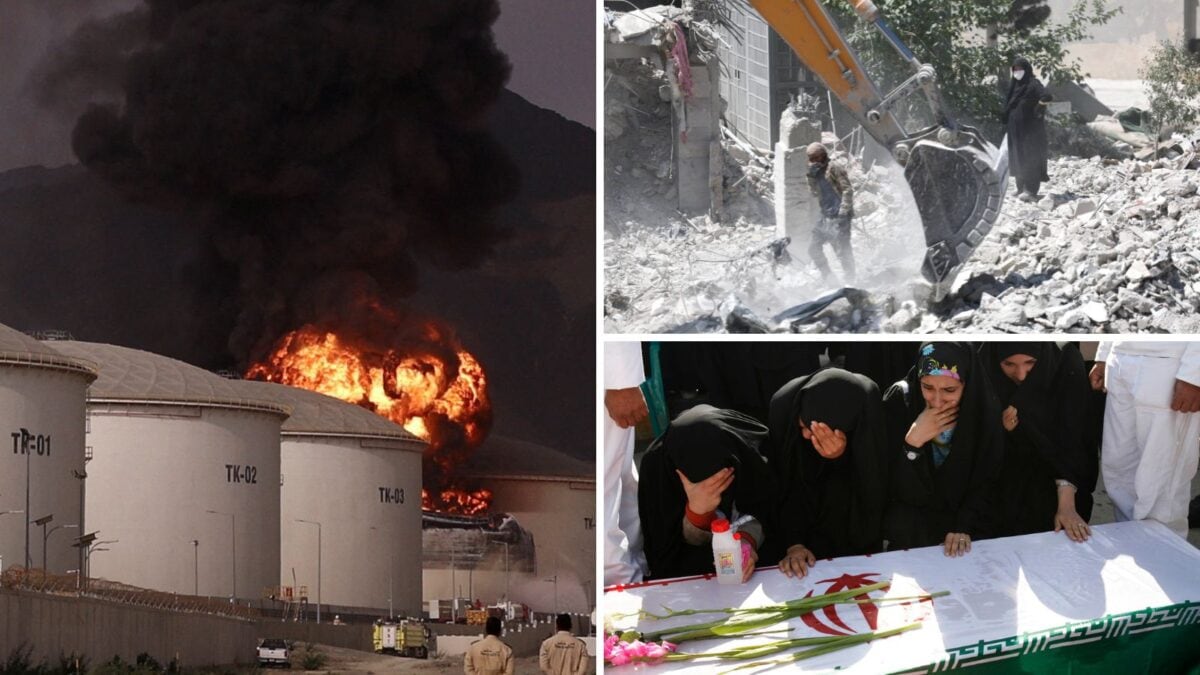
The latest exchange between Israel and Iran immediately rattled energy markets. Crude oil prices surged on June 8 as traders feared that renewed fighting could once again threaten shipping routes and energy supplies across the region. Brent crude climbed above $96 per barrel, while US benchmark WTI crude registered gains of around 4 per cent, reversing hopes that prices would stabilise after recent diplomatic progress.
Iran’s insistence on a complete ceasefire in Lebanon reflects a strategic calculation rather than a purely diplomatic demand. Tehran believes any agreement with Washington that leaves Hezbollah vulnerable would weaken Iran’s regional influence and reduce its bargaining power.
That is why the current negotiations are no longer just about Iran and the United States. They are also about Lebanon, Hezbollah, Israel and the wider balance of power in the Middle East. As the latest missile exchanges show, even a single strike in Lebanon can now threaten an entire diplomatic process – and send global oil prices sharply higher.
Handpicked stories, in your inbox
A newsletter with the best of our journalism
About the Author
Pragati is a News Editor at news18.com. Having headed the Business and Viral sections, Pragati now ideates, writes and edits long-form features and articles on national and global affairs. She ensures...Read More
News explainers Why Iran-US Peace Talks Take A Hit Every Time Israel Strikes Lebanon
Disclaimer: Comments reflect users’ views, not News18’s. Please keep discussions respectful and constructive. Abusive, defamatory, or illegal comments will be removed. News18 may disable any comment at its discretion. By posting, you agree to our Terms of Use and Privacy Policy.
Read More





 English (US) ·