

 1 hour ago
4
1 hour ago
4
ARTICLE AD BOX
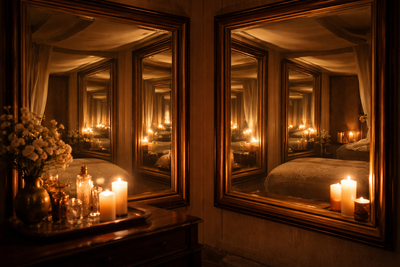
In many Indian homes, mirrors are placed with quiet caution. Not because of superstition alone, but because generations of lived experience have taught people that reflective surfaces subtly shape the energy of a space.
One of the strongest cautions in Vastu Shastra is this: two mirrors should never face each other inside a home. At first glance, it may sound excessive. After all, mirrors are just glass. But according to Vastu, mirrors are not passive décor objects. They are considered powerful energy amplifiers and when positioned incorrectly, they can disturb mental peace, sleep quality, and emotional balance within a household.
Scroll down to read more.
Your Home’s Energy Is At Risk | Shubham Sharma Shows Vastu Mistakes Destroying Your Prosperity
Mirrors as energy multipliers
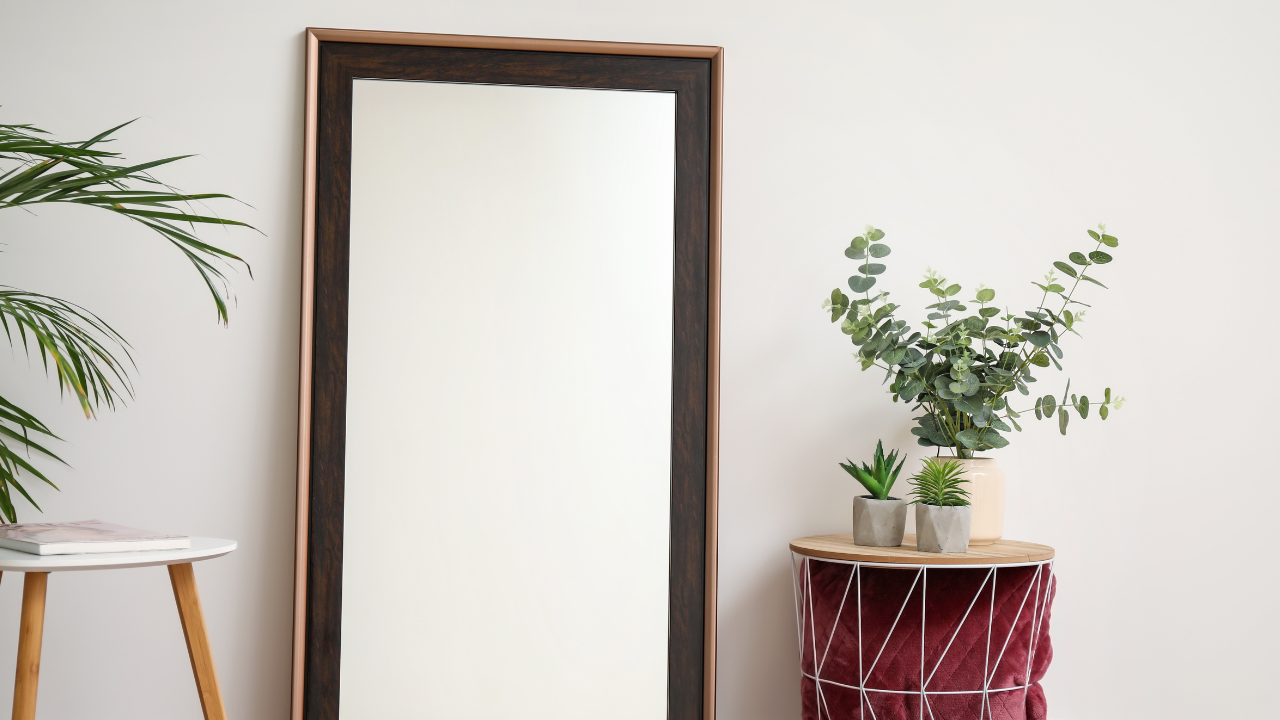
Vastu views mirrors as symbolic representations of water, an element associated with movement, emotions, and reflection. Unlike walls or furniture, mirrors do not merely occupy space; they duplicate it. Whatever energy exists in front of a mirror, light, movement, clutter, or calm is instantly multiplied.
When two mirrors face each other, this multiplication becomes endless. The reflections bounce back and forth, creating what Vastu describes as restless, looping energy.
There is no pause, no grounding, only repetition. In subtle-energy traditions, such continuous reflection is believed to agitate the mind rather than soothe it.
Psychological restlessness and overstimulation
Beyond spiritual explanation, there is a psychological layer that makes this advice surprisingly practical. Spaces where mirrors face each other can feel visually overwhelming without us consciously noticing why. The infinite tunnel effect created by opposing mirrors overstimulates the brain, especially in enclosed rooms. Over time, this visual chaos may manifest as restlessness, difficulty concentrating, irritability, or even disturbed sleep, particularly if such mirrors are placed in bedrooms or living areas where the mind is meant to relax. Many people report feeling uneasy in rooms with endlessly reflecting mirrors, even if they can’t articulate the reason. Vastu interprets this discomfort as the mind reacting to unanchored energy.
Why bedrooms are especially vulnerable
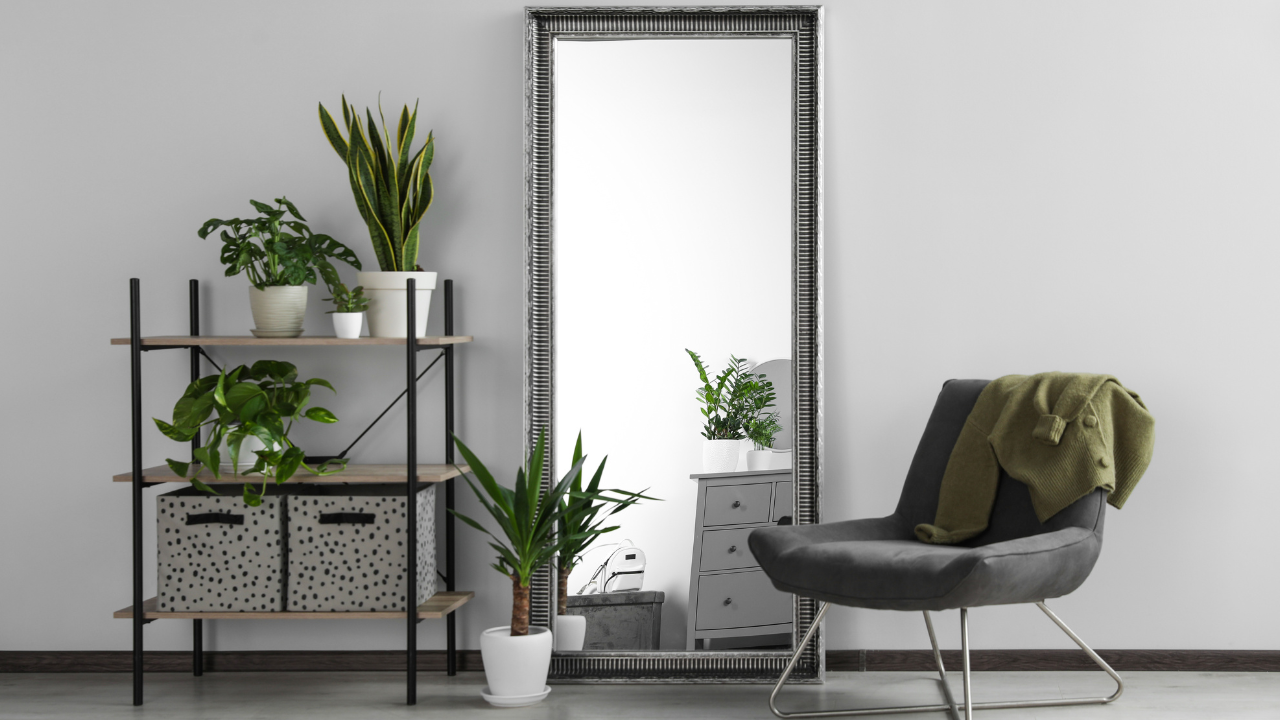
Vastu is particularly strict about mirrors in bedrooms, and doubly so when two mirrors face each other. The bedroom is considered a space of restoration, physically, emotionally, and mentally. When mirrors endlessly reflect each other, the room is never energetically “at rest.”This constant motion is believed to interfere with deep sleep and emotional intimacy. Some Vastu practitioners associate such placements with increased arguments between couples, anxiety, or a persistent feeling of fatigue upon waking. Even a single mirror reflecting the bed is discouraged, as it symbolically doubles the presence in the room. Two mirrors facing each other magnify this effect exponentially.
The symbolism of infinite reflection
In Vastu philosophy, infinity symbolizes imbalance when it lacks direction. Two mirrors facing each other create the illusion of endless space, but without purpose or grounding. This is believed to symbolise confusion, overthinking, and emotional looping, patterns where thoughts keep repeating without resolution. Homes are meant to support clarity and forward movement. When reflections endlessly mirror reflections, the energy is said to circle rather than flow. This stagnation can subtly affect decision-making, motivation, and emotional stability.
Impact on family dynamics
Vastu doesn’t separate physical space from human relationships. A disturbed environment is believed to realise itself through interpersonal tension. Mirrors facing each other are thought to amplify not just light, but also conflict. Minor disagreements may feel bigger. Emotions may escalate faster. Communication can begin to feel repetitive, as if the same issues keep resurfacing without resolution, much like the reflections themselves.
Canva
This is why traditional homes were designed to favor mindful mirror placement, often limiting mirrors to dressing areas and ensuring they reflected solid walls rather than other reflective surfaces.
Where mirrors should ideally face
Vastu does not discourage mirrors entirely. In fact, when placed correctly, they are considered beneficial. Mirrors facing north or east are believed to enhance clarity and prosperity. Reflecting clean spaces, natural light, or open areas is encouraged. The rule is simple: mirrors should reflect stability, not chaos and never each other. If a room layout makes opposing mirrors unavoidable, Vastu suggests keeping one mirror covered when not in use, especially at night.
A tradition rooted in awareness, not fear
It is important to understand that Vastu guidelines are not meant to create anxiety or rigid fear.
They evolved as analysed observational wisdom, patterns noticed over time and refined through lived experience. The caution against mirrors facing each other is ultimately about mindfulness. It asks us to analyse how our spaces make us feel: whether a home calms the senses or overstimulates them, and whether energy is encouraged to move forward rather than loop endlessly. In a world already filled with noise, screens, and constant reflection, Vastu quietly asks us to design spaces that allow the mind to rest. Sometimes, harmony begins with something as simple as turning a mirror away.








 English (US) ·