

 12 hours ago
4
12 hours ago
4
ARTICLE AD BOX
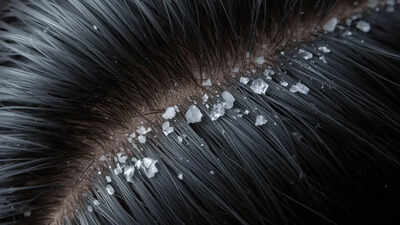
You are not the only one who might feel that your dandruff condition keeps reappearing after a couple of days, after you are treating it or after proper haircare. This is an issue that can be caused because you may have gone wrong on some levels.
This is because of an incomplete understanding. Many people think that dandruff is only due to dry scalp, lack of cleanliness or seasonal changes. But the truth is much more complex. Dandruff is associated with conditions that involve a biological ecosystem that reasons it all out under the surface. Your scalp is much more than under your hair. It has thousands of hair follicles and releases a natural fatty substance known as sebum, which is a mix of microorganisms essential to healthy scalp function.
It is usually balanced and helps in forming new skin cells and even acts as a barrier. But lots of things can upset the balance, like heat, humidity, pollution, sweat, hard water, stress and so on.These triggers can eventually become the root cause. We should examine how dandruff returns even after repeated applications and treatment, and the importance of Malassezia Globosa, which is a microorganism involved in causing the condition.
This article is all about understanding dandruff from the heart, and finding a solution that finally solves the problem to rest all at once. Let’s get to understand it in more detail.
Malassezia Globosa: The organism behind the flakes
Malassezia globosa is a lipophilic, i.e., fat-loving, yeast that is naturally present on the scalp. Under normal circumstances, it is entirely harmless; it doesn't do anything to your scalp, but rather gives protection to it from dirt and dust that can be washed away with shampoo.
But the problem begins when it overgrows; it increases due to some hormonal shift, dietary changes, stress, seasonal changes, or Malassezia fungi due to hair maintenance or genetic predisposition.
These are extremely irritating to the scalp’s skin barrier and cause inflammation. And this cycle is accelerated with dandruff, reducing the cycle due to cell shedding. Those shed clump together, forming white or yellowish flakes that give a lot of itch.
Treating dandruff effectively means addressing this process at its source, not simply washing away the visible end product.
Two faces of dandruff: Dry scalp vs normal scalp concerns
Dandruff does not look the same for everyone, nor do scalps. Knowing what kind you have will help you select the right treatment.Dry scalp dandruffDry scalp is characterised by small, white, powdery flakes that float down on clothes. A dry scalp is one that generates less sebum, making the skin barrier more delicate and susceptible to moisture loss.
An already weakened barrier translates as Malassezia exacerbates shedding in the scalp. Dry scalp dandruff sufferers tend to experience aggravating symptoms during the winter season when they are exposed to indoor heating and cold air, which can further dry the scalp out. They may feel constriction, sensitivity, and a sensation on the scalp, too. The trouble with dry scalp products is finding scalp products that are hydrating enough to allow you to wash off dandruff without drying out your scalp; in other words, harsh products must still leave the scalp with moisture.
Oily scalp dandruff If you have a normal or oily skin type, your dandruff looks very different. Oily excess formation here is favourable for the growth of Malassezia, and the resulting flakes are sticky, larger and yellowish, growing on the scalp instead of falling. Oily dandruff is called 'oily' or 'seborrhoeic dandruff'. In India's scorching and humid climate, it is a very favourable environment for this type of dandruff.
The oil in the scalp, sebum and sweat build up very quickly, resulting in dead skin cells, pollution, and Malassezia getting trapped on the surface of the scalp.
Is anti-dandruff shampoo the solution??
One true solution for any kind of dandruff is definitely a shampoo, especially an anti-dandruff shampoo. These target the specific concern more efficiently. However, most of their formulations use physical exfoliants or keratolytics like salicylic acid or zinc pyrithione that remove the flakes from the surface and slow down the skin shedding.
These show a lot of visible results in one to two days, but they don't solve the underlying problem, the problem of Malassezia.
However, today, dandruff management has evolved, and dermatologists have increasingly emphasised long-term solutions and inclusion of active ingredients.
Piroctone Olamine: What science says about the hero ingredient
Piroctone Olamine (PO) is a clinically studied antifungal and antimicrobial ingredient used in anti-dandruff shampoos. It targets Malassezia fungi, which are basically responsible for dandruff. This ingredient helps preserve the scalp’s natural microbiome, which is important for keeping the scalp healthy. It does not really disturb the whole microbial ecosystem. PO tends to be tied to dandruff control that lasts longer, not just some short-lived relief. Clinical studies have shown that using PO regularly can significantly lower Malassezia levels on the scalp. PO also has anti-inflammatory qualities that help ease itching, redness, and that general irritation people feel with dandruff.
When scalp inflammation is calmed down, it can support a more balanced setting for hair follicles, too. It is helpful for people dealing with hair fall that’s connected to scalp irritation and ongoing inflammation.
Piroctone Olamine works well for regular, ongoing use as part of a dandruff management routine, not something you have to switch on and off. It stays effective even with repeated use, and it does not need treatment breaks.
And because dandruff tends to come back, consistent use of products with PO can help keep symptoms from returning.
Head & Shoulders anti-dandruff shampoos that are scientifically backed to fight dandruff
Based on all this science, the Head & Shoulders Anti-Dandruff range has been created. It is one of the most trusted and highly recommended anti-dandruff brands containing the use of Piroctone Olamine as its key active ingredient that works on different levels, clearing dead skin and treating the biological processes leading to the formation of dandruff.
Almost all shampoos from their range penetrate 5 layers deep into the scalp and prevent it from recurring.
Among the two variants, the ones that are targeted towards the two most common dandruff profiles are the ones that are noteworthy.For oily scalp concerns:Head & Shoulders Deep Cleanse Anti-Dandruff Shampoo
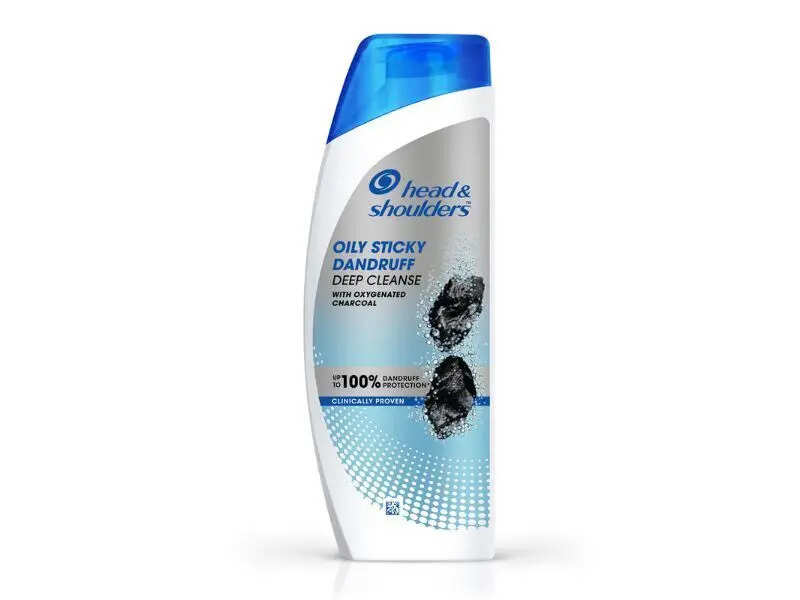
This deep cleanse shampoo contains the right combination of ingredients, namely Oxygenated Charcoal & Piroctone Olamine, that directly tackle the problem of oily and congested hair.
The great filtering and absorbing qualities of the activated charcoal are what remove all the impurities, excess sebum and product build-up which occur at the follicular level. This is what stops the recurrence of dandruff. This, combined with PO's anti-fungal activity, fights infection up to 5 layers into the scalp.
This leaves the scalp cleaner and makes the hair visibly less flaky and congested around hair roots, which allows for healthy hair to grow from the base.For dry & normal scalp concerns: Head & Shoulders 7-in-1 Anti-dandruff Shampoo
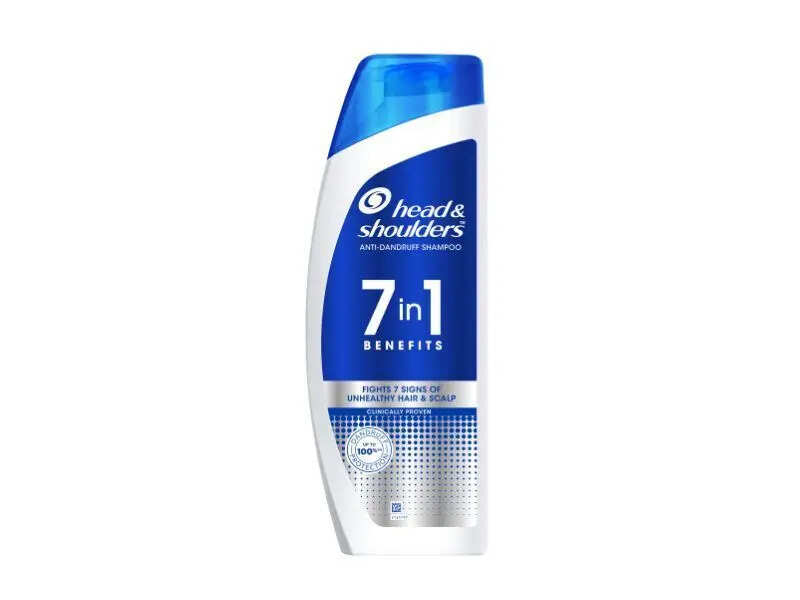
If you have dandruff, but it’s the kind that feels dry or not that intense, then this Head & Shoulders 7-in-1 shampoo should be pretty on point. It’s made to deal with dandruff and also to tackle 7 other scalp concerns, kind of in one go. The formula includes Piroctone Olamine, which is clinically proven to target dandruff-causing Malassezia right at the source. This works well if you end up using multiple products for different issues, and somehow those layers of care end up annoying or damaging your hair.
It’s dermatologically tested and pH-balanced, and it provides 100% dandruff protection with regular use. It’s suitable for both men and women and for all hair types too, so your hair looks better, and you get long-lasting defence against dandruff coming back again.
Conclusion
Dandruff is a chronic, biological condition and sometimes also a hygiene issue. And without the right formulation and consistent use, Malassezia can grow back again.
True scalp health means shifting from reactive flake-chasing to consistent, proactive care that keeps the scalp's microbiome balanced and its barrier intact. The scalp is the living foundation from which every strand of hair grows when it thrives; everything above it does too.
Science provides the tools; consistency is what makes them last.Disclaimer: The views and opinions expressed in the story are independent professional judgements of the doctors/experts, and TIL does not take any responsibility for the accuracy of their views. This should not be considered a substitute for medical advice. Please consult your treating expert for more details. This article has been produced on behalf of Head & Shoulders by Times Internet’s Spotlight team.









 English (US) ·