

 1 hour ago
6
1 hour ago
6
ARTICLE AD BOX
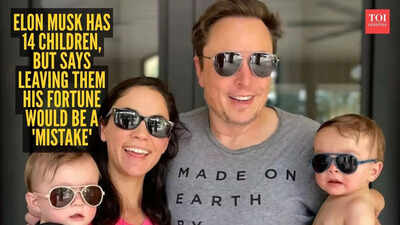
Most parents spend their lives trying to build something they can eventually pass on to their children.For some, it's a family home. For others, it's a small business, savings account, or a piece of land that's been in the family for generations.But what happens when you're one of the richest people on the planet? That's the question Elon Musk has found himself answering after once again speaking about what will happen to his massive fortune and business empire in the future.And surprisingly, his answer isn't what many people would expect.The billionaire recently suggested that simply handing over wealth or company control to children because they're family isn't necessarily the right thing to do.
In fact, he believes it can be a mistake.It's a view that has sparked plenty of debate online, especially because Musk is not just a billionaire - he's also a father to 14 children. For many people, inheritance is often seen as a parent's final gift to their children. But Musk appears to look at things differently.According to him, running companies like Tesla or SpaceX shouldn't come down to blood relations. Instead, leadership should go to people who genuinely have the skills, interest and ability to take those companies forward.
It's a philosophy that sounds simple enough on paper. But it also raises bigger questions about family, privilege and what parents actually owe their children. After all, if you spent your life building something extraordinary, would you automatically leave it to your kids?Or would you want the most capable person to take charge? It's a question families have wrestled with for generations, whether they're running a small family shop or a multinational company.
Musk's comments have also put the spotlight back on his complicated family life.Over the years, his relationships with some of his children have frequently made headlines. His daughter Vivian Jenna Wilson publicly distanced herself from her father and legally dropped his surname. The two have spoken openly about their strained relationship, making it one of the most discussed father-child rifts in recent years.There have also been public disagreements, custody disputes and legal battles involving some of the mothers of his children.And that's what makes this conversation interesting from a relationship perspective.Because money and family have always had a complicated relationship.Many parents believe giving their children financial security is one of the greatest acts of love. Others worry that enormous wealth can sometimes remove the very struggles that help people develop independence and resilience.
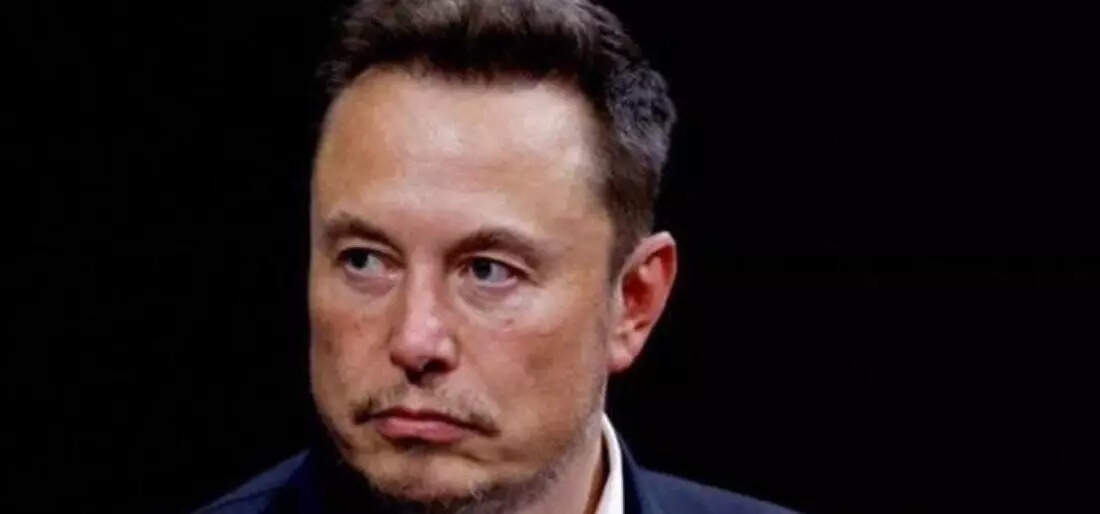
A signboard written in 'Bengali' at London's Whitechapel Station has come under scrutiny, with a UK MP demanding it be only written in English. The post caught the attention of the tech billionaire Elon Musk, which sparked debate; see here.
In Musk's case, the debate becomes even bigger because the numbers involved are almost impossible to comprehend. If his wealth were divided equally among all his children, each of them could end up with more money than most people could spend in several lifetimes.Yet Musk has repeatedly suggested that inheritance should not be automatic. For him, family ties alone don't seem to be enough reason to hand over control of companies he has spent decades building.
Whether people agree with that approach is another matter entirely.Some see it as a practical decision. Others feel parents should prioritise their children above everything else.The truth probably lies somewhere in the middle. At its heart, this isn't really a story about billions of dollars or company shares. It's about a question almost every parent thinks about at some point: What do I leave behind for my children?For most families, the answer isn't money. It's values, opportunities, education and the freedom to build a life of their own.And judging by Musk's comments, that may be exactly what he believes as well.





 English (US) ·