

 2 hours ago
5
2 hours ago
5
ARTICLE AD BOX

We often hear parents say, “She’s just a kid, she’ll be fine,” and it’s natural to assume that young girls are invincible. But the truth is, childhood and adolescence are critical windows for health, and what happens now can shape the rest of their lives.
Globally, India has the maximum number of adolescents. Adolescents constitute 16% of the global population, with an absolute number of 1.2 billion. India is home to 253 million adolescents, accounting for 20.9% of the country's population. “The transition from childhood to adulthood involves dramatic physical, sexual, psychological and social developmental changes, all taking place at the same time. In addition to opportunities for development this transition poses risks to their health and wellbeing. Contrary to popular perception that this is a health age group, the adolescents do have several public health issues,” says the World Health Organisation (WHO).As per a report, "Several adulthood diseases have their roots in adolescence; many of the premature adolescent mortalities are either preventable or treatable and in many cases, the adolescents may suffer from life-long chronic illnesses/ disabilities. Major health issues of the adolescents include nutritional deficiencies, mental-health problems, early pregnancy/ child-birth, HIV/ sexually transmitted infections, other infectious diseases, violence, unintentional injuries and substance abuse.
"As per WHO data, nearly 1.3 million adolescents die every year from preventable/ treatable illnesses.
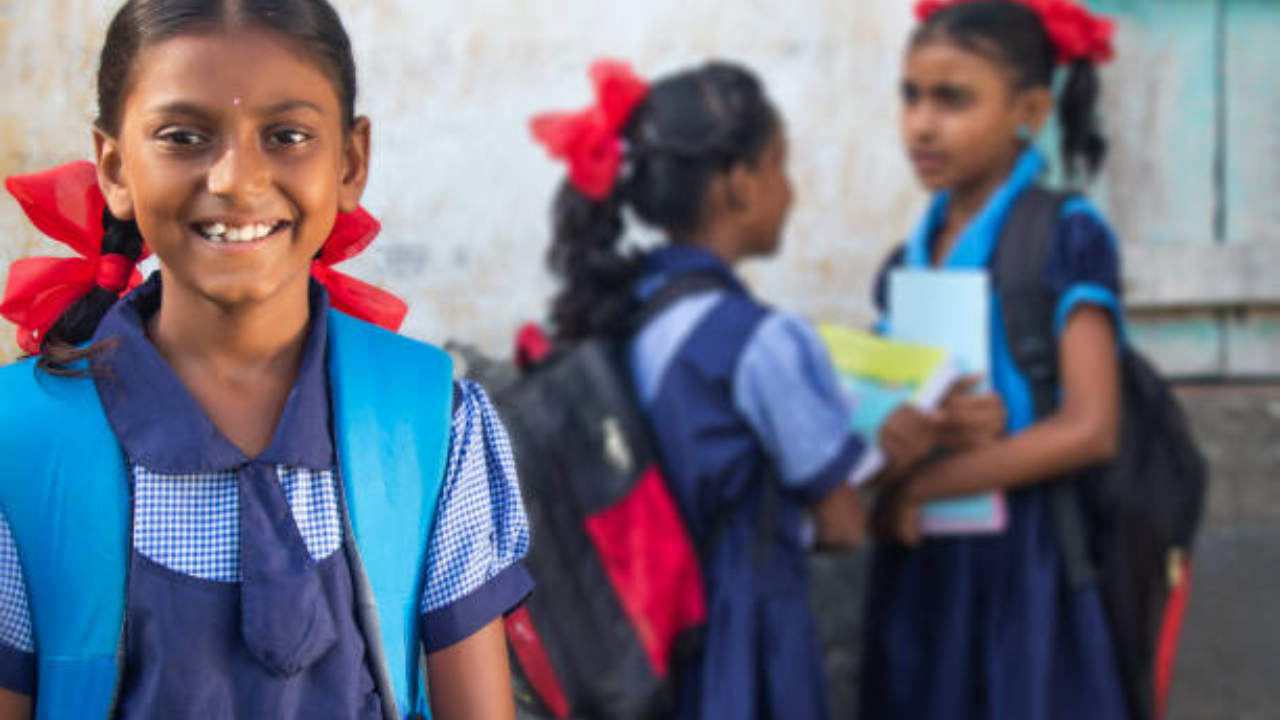
Taking girls’ health seriously today means fewer struggles tomorrow. And in a world that asks so much of young women, isn’t that one of the most important things a parent can do? To help parents and young women make informed decisions about their health, we spoke to Dr Niraj K Deepak, HOD, Paediatric and Neonatology, Sahyadri Hospitals Momstory, Pune.
The doctor explained the risks young girls might face, what are the contributing factors and what preventive measures will help.
What are the biggest health risks facing young girls today?
Dr Niraj K Deepak: Today, young girls are increasingly at risk for being obese, malnourished, experiencing early metabolic diseases, and struggling with mental health issues. Lifestyle diseases such as a sedentary lifestyle, unhealthy eating, academic pressures, and exposure to screens are some of the main factors.
Paediatricians are also witnessing cases of early puberty and hormonal disorders. These, if left untreated, can easily carry on into adulthood, leading to various health issues.
Are nutrition and eating habits a major factor in this emerging crisis?
Dr Niraj K Deepak: Yes, lack of proper nutrition is a major reason why health issues are prevalent in young girls. Consuming lots of processed foods, sugars, and carbohydrates, and very little of fruits, vegetables, and protein, leads to obese conditions, anaemia, and a poor immunity levels in the body.
Missed meals and irregular food habits in the body further impact the metabolic rate and production of hormones in the body.
How does screen time and digital lifestyle affect girls’ physical and mental health?
Dr Niraj K Deepak: Excessive screen time has adverse effects both physically and mentally for young girls. It makes them less active, leading to sleeping disorders, obesity, poor posture, and eye strain. Mental effects include elevated levels of anxiety, low esteem, poor concentration, and body image disturbance.
As a paediatrician, excessive digital screen time translates to replacing crucial activities such as playing outdoors, interacting with people, and sleeping.
Can lack of physical activity in childhood lead to long-term health problems?
Dr Niraj K Deepak: Yes, lack of exercise may cause potential lifelong health issues in childhood and adolescence. Sedentary lifestyle can potentially result in obesity, weak bones, weak muscles, and unfit heart and kidneys. Moreover, it can cause diabetes and arthritis later in life.
Paediatricians strongly recommend that kids should exercise because exercise can help kids grow well and remain physically as well as mentally fit all through their life.
How early should parents start monitoring their daughters for health issues like obesity or metabolic disorders?
Dr Niraj K Deepak: Parents must begin monitoring their children for potential health risks, specifically girls, from an early age. Through paediatric check-ups, health conditions, including heights, weight, and body mass indexes, can be assessed.
The early recognition of unhealthy weight indices, including risks for obesity and/or metabolic disorders, can give parents an early chance to adjust lifestyles. For child health specialists, early monitoring and early prevention are more effective than managing health conditions when girls hit adolescence.
What warning signs should parents never ignore?
Dr Niraj K Deepak: Parents should not neglect warning indicators like sudden increases in weight and appetite, perpetual fatigue, fluctuations in mood, problems with sleeping patterns, and lessened physical activities.
Also included within the list are early puberty onset, improper food intake, too much dependence on electronic devices, and retreat from any sort of social interaction. Their emphasis is that such manifestations can have nutritional deficiencies and mental illnesses as underlying causes.
What lifestyle changes can really make a big difference in long-term health?
Dr Niraj K Deepak: Adoption of healthy habits at an early age can significantly help in ensuring better outcomes in the long run.
Following healthy habits, such as proper diet, healthy exercise, sound sleep, and reduced screen time, can help in establishing good health. Promotion of outdoor activities, routines, and healthy eating practices can help in staying away from conditions such as obesity and metabolic syndrome.Medical experts consulted This article includes expert inputs shared with TOI Health by: Dr Niraj K Deepak, HOD, Paediatric and Neonatology, Sahyadri Hospitals Momstory, PuneInputs were used to explain why young girls are more prone to health issues and what can be done to prevent this.








 English (US) ·