

 1 hour ago
4
1 hour ago
4
ARTICLE AD BOX

Emerging health studies indicate that young Indians are grappling with intestinal discomfort, with microbiome analyses showing a concerning decline in butyrate levels—an essential short-chain fatty acid. This reduction, often attributed to contemporary eating habits, compromises gut integrity and general wellness.
Bloating, cramps, unpredictable gas and growing gut instability are pushing young Indians into microbiome testing like never before. And their results show a sharp drop in butyrate, a tiny short-chain fatty acid (SCFA) that fortifies the colon.
Abhishek Mukherjee, microbiologist and gut-microbiome specialist, whose Gut Lab at the Healing Hands Clinic, Pune processes thousands of stool samples from across India each year, tells Umesh Isalkar how tracking butyrate and SCFA levels may soon become as routine as checking cholesterol, and why understanding your gut ecosystem is not just about digestion but about overall resilience.What exactly is butyrate, and why does it matter? Butyrate is essentially fuel for your colon. If you imagine your gut lining as an engine, then butyrate is the high-quality petrol it runs on.
It is a naturally occurring SCFA, a tiny ‘good fat’ produced when your gut bacteria ferment dietary fibre. Without it, the gut lining weakens, inflammation rises, digestion slows, and the whole system, including metabolism, energy, and even mood, can falter. In simple terms, low butyrate means a sluggish, less resilient gut.
Declining SCFA levels weaken the gut barrier, disturb immunity, and disrupt metabolic balance, all of which may fuel rising cases of IBS, inflammatory issues, and metabolic diseases.
A 2022 study published in Clinical Nutrition investigated how gut microbes and their metabolites, especially butyrate, impact gastrointestinal health and disease. They found that butyrate is essential for maintaining gut barrier integrity, reducing inflammation, and supporting overall gastrointestinal health. Are we seeing a rise in butyrate deficiency among Indians? Very clearly, yes. In the past three months alone, we analysed about 15,000 stool microbiome samples.
Nearly 70% of adults over 40 had low butyrate, and most of these came from metro cities like Mumbai and Bengaluru. Acetate, another SCFA important for energy and metabolism, was low in about 65% of these cases. Propionate, which supports digestion and blood sugar balance, remained mostly stable, with only about 10% showing a dip.
Even younger adults in their 20s and 30s are showing early signs of disruption. Urban lifestyles with processed foods, high sugar intake, irregular meals, stress, and long work hours are leaving a clear footprint on the gut.
Tier II or tier III town populations tend to fare better, but urbanisation and convenience eating are rapidly narrowing that gap.
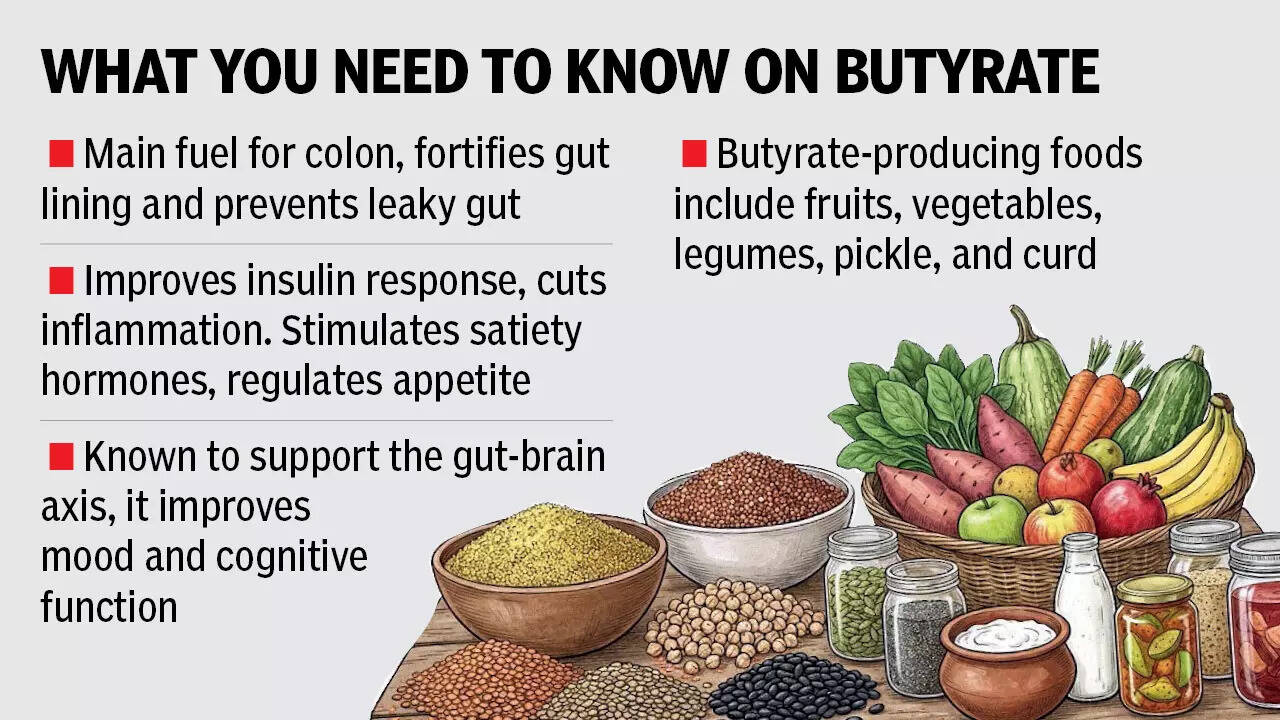
What does low butyrate indicate about a person’s gut ecosystem? It means either the butyrate-producing bacteria are dwindling, or the fibres that feed them are missing. Often, both are true. Even people who think they eat ‘healthy’ may not consume the right variety of fibres that these microbes need.
Low butyrate weakens the gut barrier and shifts microbial balance. That’s why people experience bloating, cramps, gas, urgency, or alternating bowel habits — problems that standard endoscopy or blood tests often miss because the gut looks structurally normal.
How has India’s gut microbiome changed over the last decade? Over seven years and thousands of evaluations, we have seen a steady decline in SCFA-producing bacteria.
Traditional diets rich in diverse fibres are being replaced by ultra-processed foods with very little for gut bacteria to ferment. Stress, irregular meals, frequent antibiotics, painkillers, acid-suppressing medications, and pollution all compound the problem. What symptoms might someone notice if the gut is low on butyrate? People usually feel it long before they know the cause. Persistent bloating, sluggish bowels or constipation, fatigue, brain fog, sugar cravings, and difficulty losing weight are common signs.
When the gut lining doesn’t get its fuel, digestion slows, metabolism lags, and energy dips; even mood can be affected. What are the main drivers of butyrate loss in Indian guts? The biggest culprit is the modern diet. Plates that once featured millets, greens, dals, and fermented foods have been replaced by low-fibre, high-sugar, ultra-processed meals eaten in a rush. Add stress, erratic sleep, and repeated antibiotic or painkiller use, and the bacteria that produce butyrate simply disappear.
It is like losing the factory workers who make your gut’s fuel. How do you rebuild butyrate? Diet is the first and most important step, but not just any fibre. Diversity matters. Include millets, legumes, seasonal vegetables, fruits, resistant starches, seeds, and fermented foods like curd and buttermilk. Everyday foods like bananas, onions, garlic, oats, and cooked-and-cooled rice act as natural prebiotics, the ‘fertiliser’ that feeds the right bacteria.
Targeted probiotics can also help replenish SCFA-producing bacteria.
Butyrate supplements ease symptoms temporarily; they do not rebuild the ecosystem. Once you feed the microbes again, they gradually start producing butyrate like restarting a dormant factory. How long does it take for the gut to recover? Minor improvements may appear within weeks, but meaningful, lasting restoration usually takes four months to a year, depending on how depleted the microbiome is and how consistently dietary changes are followed. Does India need a national fibre awareness drive? Absolutely. Improving fibre diversity across the population could do more for long-term gut, metabolic, and immune health than many medical interventions pursued later. Restoring butyrate isn’t just about fixing a deficiency. It is about reclaiming the wisdom of traditional, whole-food diets. Any advice for young adults? Start simple: bring back unprocessed dal, chawal, sabzi, a daily serving of fermented food, and a few servings of millets or whole grains each week. Include natural prebiotics in everyday meals. Feed your gut bacteria the variety they need, and they will, in turn, restore your gut’s gold.









 English (US) ·