

 3 days ago
6
3 days ago
6
ARTICLE AD BOX
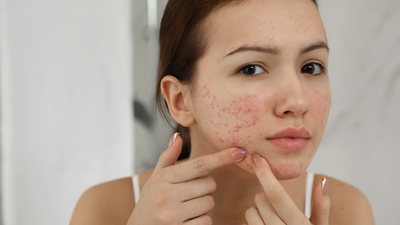
Many people spend years trying different creams, face washes, and treatments to fix stubborn skin issues, only to find that the problem keeps returning.
Skin is often treated as a separate part of the body. A breakout is seen as a skin problem. Redness is viewed as a skin problem. Dryness is blamed on weather or skincare products.But the body does not work in isolated compartments.The digestive tract, immune system, hormones, and skin constantly communicate with one another. When something is out of balance in one area, the effects can show up elsewhere. This is why dermatologists are paying closer attention to the gut when evaluating certain skin conditions.As Dr Ashwini KC, Consultant – Dermatology, Manipal Hospital Kanakapura Road, explained, “Your skin condition is a direct result of gut health.
The ‘gut-skin axis’ is a known biological pathway in which trillions of microorganisms in the gut can cause inflammation, hormonal imbalances, and skin-related conditions – all of which can manifest as skin disorders.”Scientists refer to this relationship as the gut-skin axis, a communication network linking the digestive system and the skin through immune responses, microbial activity, and inflammatory signals.
Research published through the U.S. National Library of Medicine has highlighted how changes in gut bacteria can influence skin diseases such as acne, rosacea, eczema, and psoriasis.
The trillions of tiny organisms living inside the gut matter more than most people realise
The human digestive tract contains trillions of microorganisms, collectively known as the gut microbiome. These bacteria, fungi, and other microbes are not simply passive passengers. They help digest food, produce certain nutrients, support the immune system, and maintain the gut barrier.The US National Institutes of Health-backed Human Microbiome Project has shown that these microbial communities play a major role in overall health and disease.When beneficial bacteria thrive, they help maintain balance. When harmful microbes begin to dominate, a condition known as gut dysbiosis can develop.This imbalance can trigger low-grade inflammation throughout the body. Unlike an obvious infection, this inflammation often remains hidden.
Yet it can influence organs far away from the gut, including the skin.According to Dr Ashwini KC, “Gut dysbiosis, or imbalanced bacteria in the gut, is responsible for systemic inflammation, which exacerbates skin conditions such as acne, rosacea, eczema, and psoriasis.”Researchers have found growing evidence that gut microbes can influence immune pathways and inflammatory responses linked to several chronic skin conditions.
Why acne, rosacea, eczema and psoriasis often have a gut component
Not every skin condition begins in the gut. Genetics, environment, hormones, and skincare habits all matter.However, the digestive system may be an important piece of the puzzle.Acne, for example, has been linked in some studies to increased intestinal permeability, often referred to as "leaky gut." This may allow bacterial components and inflammatory molecules to enter the bloodstream and contribute to skin inflammation.Rosacea has been associated with gastrointestinal disturbances, including small intestinal bacterial overgrowth (SIBO), in some patients.Eczema has also been connected to alterations in the gut microbiome, particularly reduced microbial diversity early in life.Scientists are still working to understand these relationships fully, but the overall pattern is becoming difficult to ignore. The skin and gut appear to influence each other through a shared network involving immunity and inflammation.This may explain why some people notice that skin flare-ups worsen during periods of digestive discomfort, poor eating habits, or prolonged stress.

The emerging science of the "gut–skin axis" suggests that the health of the gut microbiome can influence inflammation, immunity, and even hormonal balance, all of which play a role in how the skin looks and feels. Here is what experts want people to understand about this fascinating connection.
Modern life may be disrupting both gut health and skin health
One of the most striking aspects of the gut–skin connection is how closely it mirrors modern lifestyle habits.Many daily behaviours that harm gut bacteria can also worsen skin health.Dr Gajendra R, Consultant - Medical Gastroenterology, explained, “Processed food high in refined sugar promotes harmful bacteria and suppresses good bacteria.
Stress increases cortisol levels, affecting gut movements and altering the microbiome. Overuse of antibiotics can also eliminate protective bacteria, causing flare-ups that may last for months.”This is particularly important because many people focus heavily on external skincare while overlooking internal health.A diet dominated by ultra-processed foods may reduce microbial diversity. Chronic stress can alter gut function and inflammatory responses.
Poor sleep may affect hormone regulation. Repeated, unnecessary antibiotic use can disrupt beneficial bacteria.Over time, these seemingly unrelated habits can create a chain reaction that reaches the skin.
Healthier skin often starts with everyday gut care
There is no miracle food that guarantees clear skin. Likewise, no probiotic can replace medical treatment for serious skin disorders.Yet evidence increasingly suggests that supporting gut health may benefit skin health as part of a broader approach.Dr Gajendra R noted, “Clinical studies reveal that probiotics, especially lactobacillus and bifidobacterium, improve skin hydration and reduce acne symptoms. Fermented foods like yoghurt, kimchi, and kefir naturally support microbial diversity.”Research exploring probiotic interventions and microbiome-targeted therapies has shown promising results, although experts continue to study which strains and approaches work best for specific conditions.
Doctors generally recommend:
- Eating a variety of fibre-rich fruits, vegetables, legumes, and whole grains
- Limiting ultra-processed foods and excessive added sugars
- Getting adequate sleep
- Managing stress through physical activity, mindfulness, or relaxation techniques
- Using antibiotics only when medically necessary
- Considering doctor-guided probiotic use when appropriate
The goal is not perfection. Rather, it is creating an environment where beneficial gut bacteria can thrive.When that happens, the benefits may extend far beyond digestion.Medical experts consultedThis article includes expert inputs shared with TOI Health by:Dr Ashwini KC, Consultant – Dermatology, Manipal Hospital Kanakapura Road.Dr Gajendra R, Consultant - Medical Gastroenterology.Inputs were used to explain how gut health influences skin health, why digestive imbalances can contribute to conditions such as acne, eczema, rosacea and psoriasis, and what doctors recommend to support a healthier gut–skin connection.









 English (US) ·