

 51 minutes ago
7
51 minutes ago
7
ARTICLE AD BOX
Last Updated:July 13, 2026, 16:29 IST
Here are the top major controversies from the biggest ever FIFA World Cup being co-hosted by Mexico, Canada and USA.


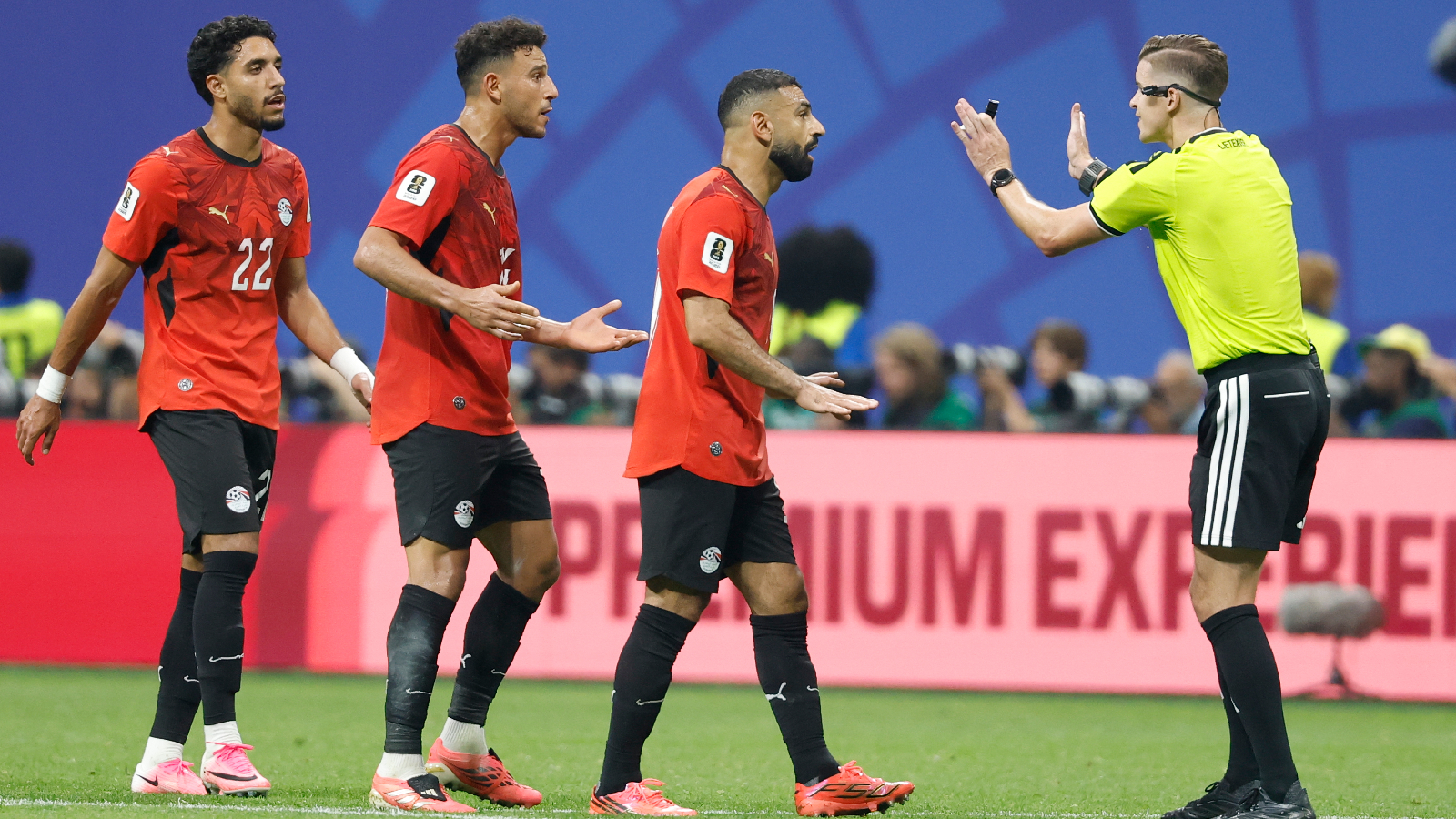
The Egypt-Argentina clash ended concluded in a controversial fashion. (AFP Photo)
What’s a world cup without controversy?
The ongoing FIFA World Cup, the largest in history, has given countless memories, memes and iconic moments. Long before the kick-off, the marquee event had already started creating buzz thanks to FIFA’s decision to expand the number of participants from 32 to 48 with cynics wondering whether it will dilute the overall competitiveness of the tournament. However, teams like Cape Verde, Norway among others allayed those fears giving historic performances.
There was a lot of good alright but not without its share of some unpleasantness. Here we take a look at the 10 major controversies from the 2026 edition
USA, the world cup co-host, at war with participating nation Iran
USA and Iran are at war. It created a strange scenario. The competition is being co-hosted by USA and Iran were scheduled to play their group matches in USA.
No surprises for guessing Iran’s participation was overshadowed by numerous issues including visa restrictions, team basing its training camp in Mexico despite playing matches in USA, the strict travel instructions requiring the team to fly in and out of USA short time windows.
Irked by the hurdles, Iran coach Amir Ghalenoei called his team as the “most oppressed team in the whole World Cup."
Sporting equipment theft
England’s World Cup preparations suffered a minor disruption which, though, raised serious security concerns as valuable team equipment got stolen right before the tournament. Boots, shirts and other items reportedly worth thousands of dollars were taken before the squad’s first training session, forcing officials to deal with an unexpected logistical problem.
Later, at England’s Kansas City base, another breach saw an intruder entering the media centre carrying a wrench.
Somalian referee denied entry
Somali referee Omar Abdulkadir Artan may have been eagerly awaiting a chance of a lifetime to officiate at a FIFA World Cup. However, his dream was crushed after being denied entry into the United States despite being selected by FIFA as a match official.
Artan, who was set to become the first Somali referee at a World Cup, was stopped after arriving at Miami International Airport. The decision, it was widely reported, was taken due to the USA’s strict vetting processes.
Almiron’s historic red card
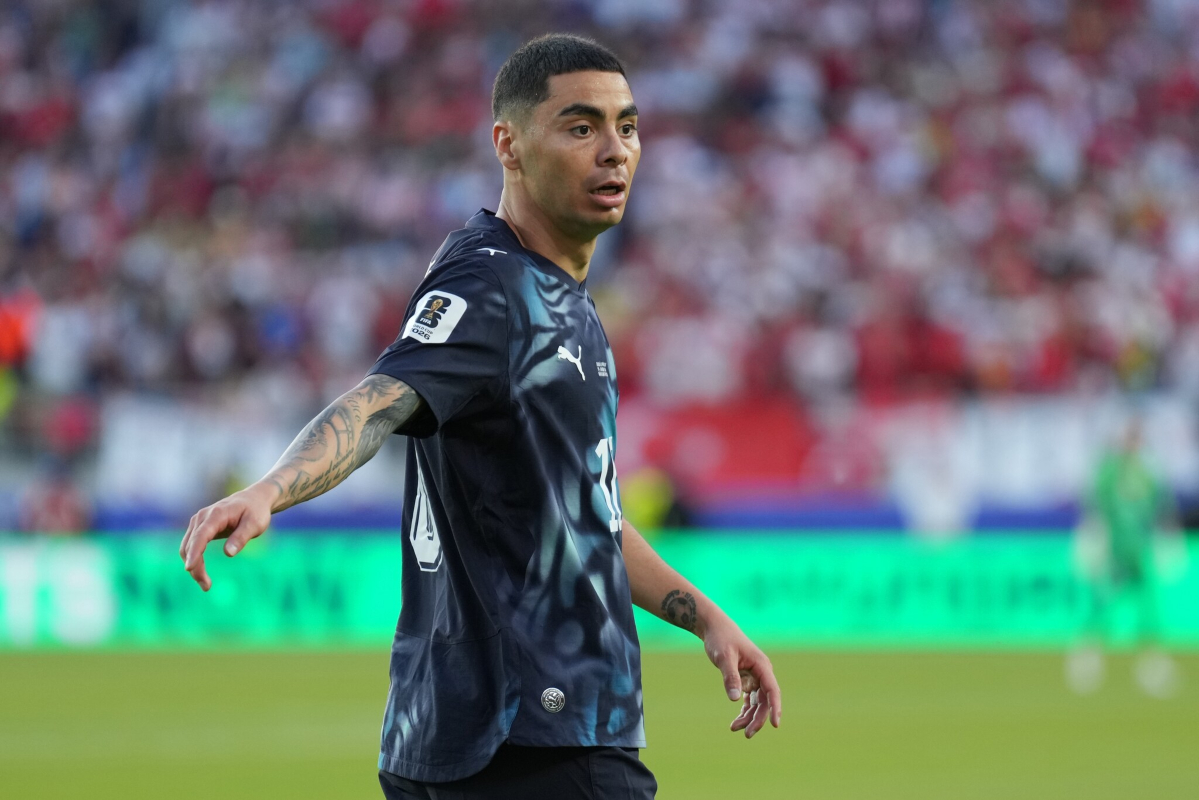
Miguel Almiron’s dismissal became one of the most eye-catching disciplinary moments of the tournament after the Paraguay forward received a red card for speaking after covering his mouth. It was part of FIFA’s new mouth-covering rule.
The incident happened during Paraguay’s 1-0 victory over Turkey with the referee producing a straight red card after a VAR review.
The hydration breaks
With player welfare in mind, FIFA introduced mandatory three-minute hydration breaks midway through each half of every match, regardless of weather conditions, describing the measure as a protection for players’ health. It was done to counter North America’s summer conditions.
The decision though, invited criticism from fans and some coaches, who questioned whether the stoppages disrupted match rhythm and whether commercial interests were involved. FIFA president Gianni Infantino rejected claims that the breaks were financially motivated. Fans could regularly be heard showing their displeasure with loud booing whenever a referee blew the whistle for the hydration break.
The astronomical ticket prices
Ticket affordability was a major off-field controversy. Fans criticised the rising cost of attending matches across the United States, Canada and Mexico. It was feared that the expensive tickets, combined with high travel and accommodation costs, could result in the event being accessible only to wealthy fans. FIFA though defended the pricing strategy arguing that there is a strong demand while noting near-capacity crowds.
Argentina’s controversial comeback
Argentina staged a dramatic 3-2 win over Egypt in a round of 16 clash. However, the Egyptian players and officials expressed their anger over several refereeing decisions with winger Ziko Mostafa claiming the tournament was “fixed".
Egypt had a goal ruled out following a VAR review that would have doubled their lead and potentially put them on the path of historic win. A late incident saw Egypt appealing for a penalty, which was rejected before Argentina scored the winner. Egypt coach Hossam Hassan claimed his team suffered “injustice" and vowed to not watch the remainder of the tournament.
The Spider-Cam impact
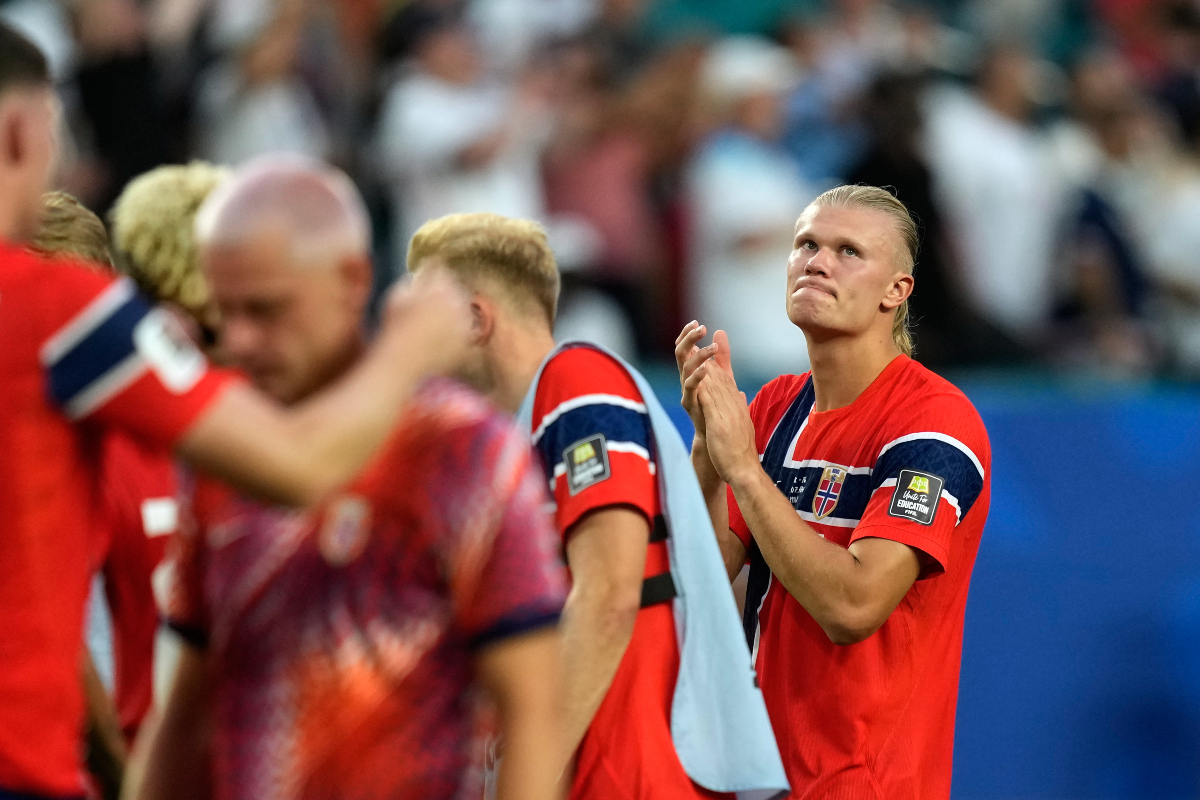
Technology again became the centre of red-debate during England’s quarter-final victory over Norway thanks to a disputed goal involving the stadium’s spider-cam system.
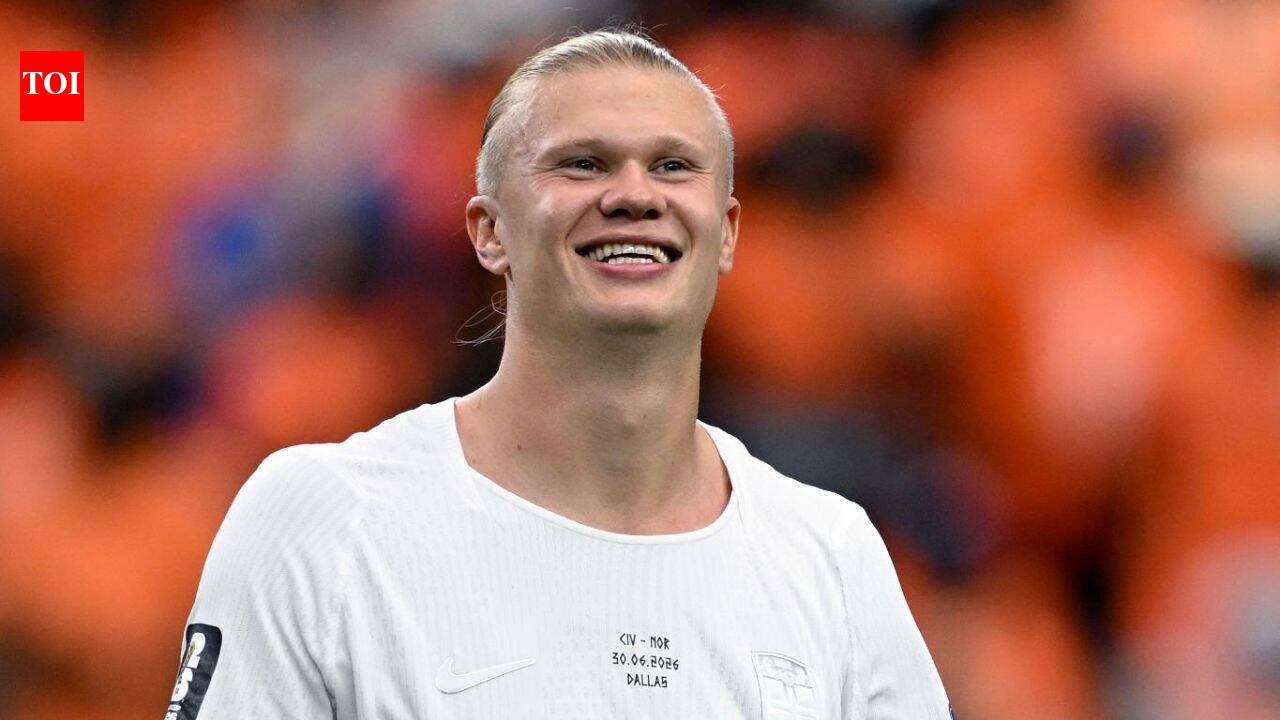
Norway players argued that the ball struck an overhead camera cable in the build-up to Jude Bellingham’s equaliser right before the first half. The incident should have resulted in a stoppage and restart under the laws of the game. However, FIFA rejected the claims, saying Connected Ball Technology showed “no evidence" of contact with the cable.
Suspension reversal after Trump intervention
Folarin Balogun’s suspension became one of the most controversial disciplinary decisions of the 2026 World Cup. The United States striker was sent off against Bosnia and Herzegovina after VAR review for a challenge on Tarik Muharemovic.
It resulted in a one-match ban. FIFA later suspended the enforcement of the punishment under Article 27 of its disciplinary code, allowing Balogun to play against Belgium. Later it was revealed that USA President Donald Trump had lobbied for the ban to be suspended.
Racis attack on Mbappe
French superstar Kylian Mbappe was the target of a racism controversy with remarks made by Paraguayan senator Celeste Amarilla drawing international condemnation. The comments led to calls for accountability from human rights organisations and football authorities.
A United Nations human rights spokesperson condemned the remarks, saying public figures had a responsibility to oppose discrimination. Mbappe responded on social media with Amarilla refusing to apologise.
Handpicked stories, in your inbox
A newsletter with the best of our journalism
About the Author
Feroz Khan has been covering sports for over 12 years now and is currently working with Network18 as Principal Correspondent. He embarked on his journey in 2011 and has since acquired vast experience ...Read More
News sports football 10 Biggest Controversies That Rocked The FIFA World Cup 2026
Disclaimer: Comments reflect users’ views, not News18’s. Please keep discussions respectful and constructive. Abusive, defamatory, or illegal comments will be removed. News18 may disable any comment at its discretion. By posting, you agree to our Terms of Use and Privacy Policy.
Read More




 English (US) ·