

 6 days ago
5
6 days ago
5
ARTICLE AD BOX
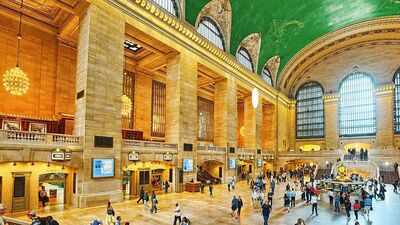
Rail travel in the United States has long been about more than getting from one city to another. While aircraft have taken over long-distance journeys and motorways connect almost every corner of the country, many railway stations remain destinations in their own right.
Built during an era when public buildings were expected to impress, these terminals combine architecture, history and local identity under one roof. Some continue to serve thousands of passengers each day, while others have found new life as museums and community spaces. Whether crowned by soaring domes, lined with marble halls or framed by distinctive towers, each offers a glimpse into a different chapter of American rail history.According to WorldAtlas, check the list of the 10 most beautiful train stations in America.
America's most beautiful train stations that still capture the golden age of rail
1. Grand Central Terminal, New York City
pc: Worldatlas
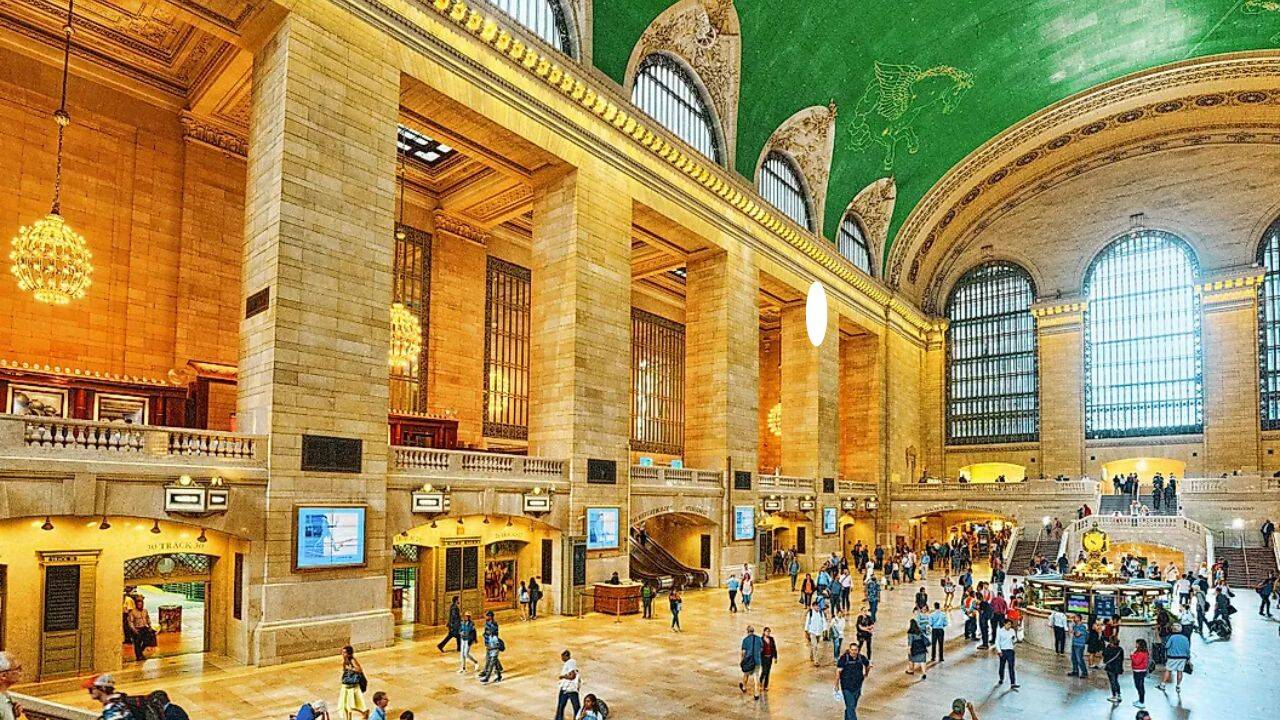
Grand Central Terminal has become one of New York City's defining landmarks since opening in 1913. Designed in the Beaux-Arts style, the building was created to match the city's growing ambition during the early twentieth century. Inside, the vast Main Concourse is recognised for its painted celestial ceiling, where the constellations appear in reverse.
The famous four-faced clock above the information booth remains one of the city's best-known meeting points.
Beyond the architecture, the terminal functions as a lively public space filled with restaurants, shops and regular events, while its extensive network of platforms continues to handle one of the busiest commuter rail systems in the world.
2. Barstow Harvey House, Barstow
pc: Worldatlas
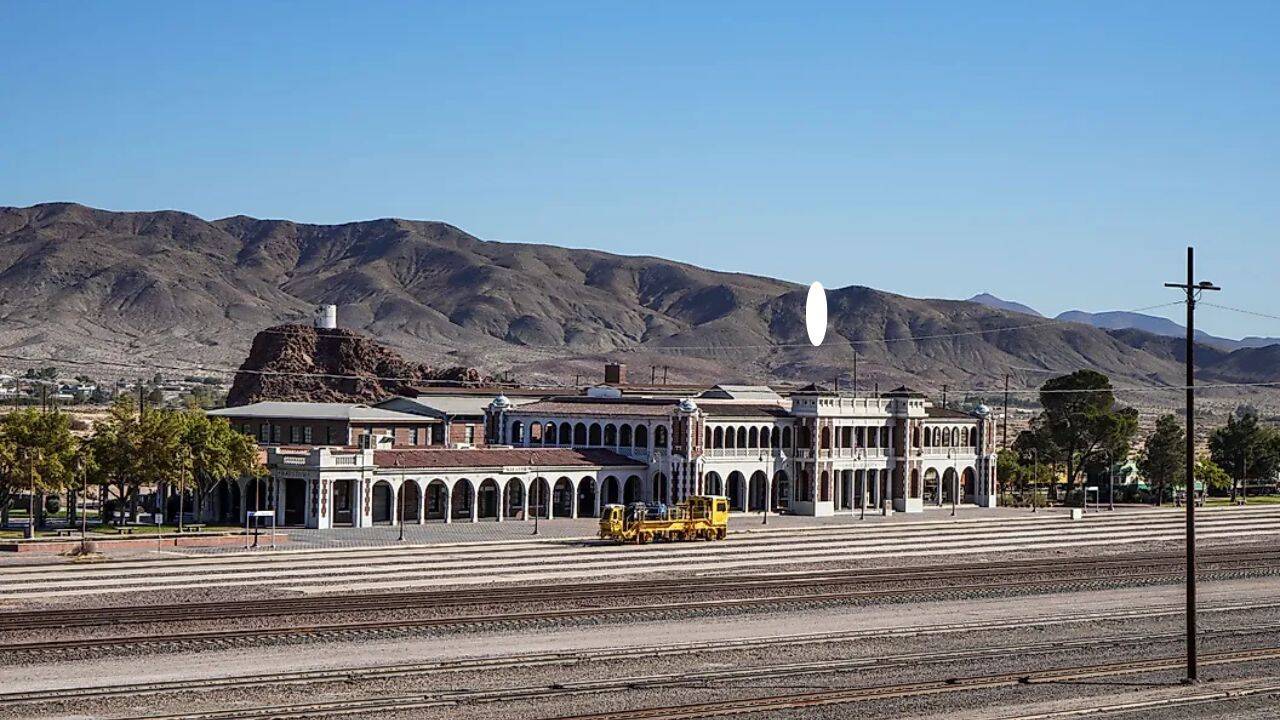
Standing beside the railway in California's Mojave Desert, the Barstow Harvey House reflects a period when long-distance train journeys depended on reliable places to rest and eat.
The present structure dates from 1911, replacing an earlier depot destroyed by fire. It operated as one of the famous Harvey Houses, which transformed railway hospitality across the American West. Today, the building is known as Casa del Desierto and serves several purposes beyond rail travel.
Visitors can explore railway history at the Western America Railroad Museum, learn about the legendary Route 66, or simply admire a carefully preserved station that remains closely tied to Barstow's past.
3. Union Station, Washington, D.C.
pc: worldatlas
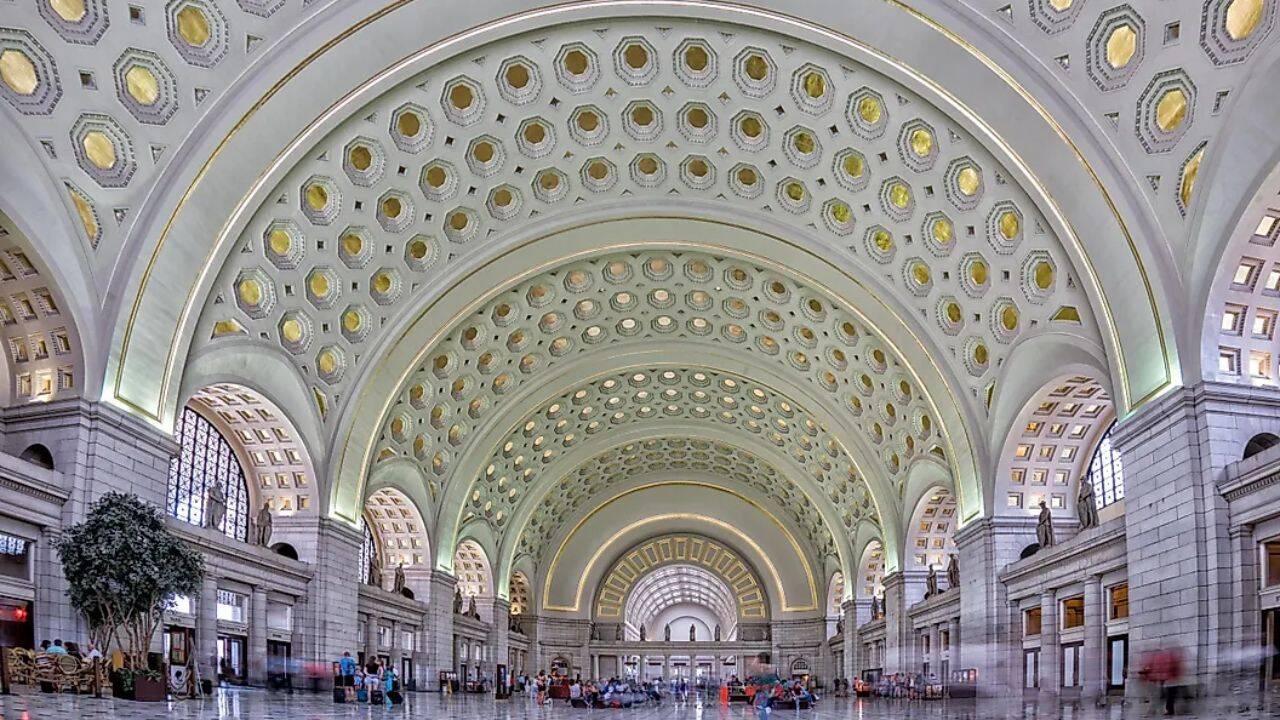
Washington's Union Station blends grand architecture with the everyday rhythm of the nation's capital. Opened in 1907, its monumental design reflects the civic confidence of the era, with expansive halls and elegant classical details welcoming travellers arriving in the city. The station experienced decades of decline during the twentieth century as rail travel lost popularity, but extensive restoration returned it to prominence.
Today it serves both transport and commercial purposes, combining railway services with shopping, dining and public spaces. Its designation as a National Historic Landmark recognises not only its architecture but also its enduring role in Washington's transport network.
4. Cincinnati Union, Cincinnati
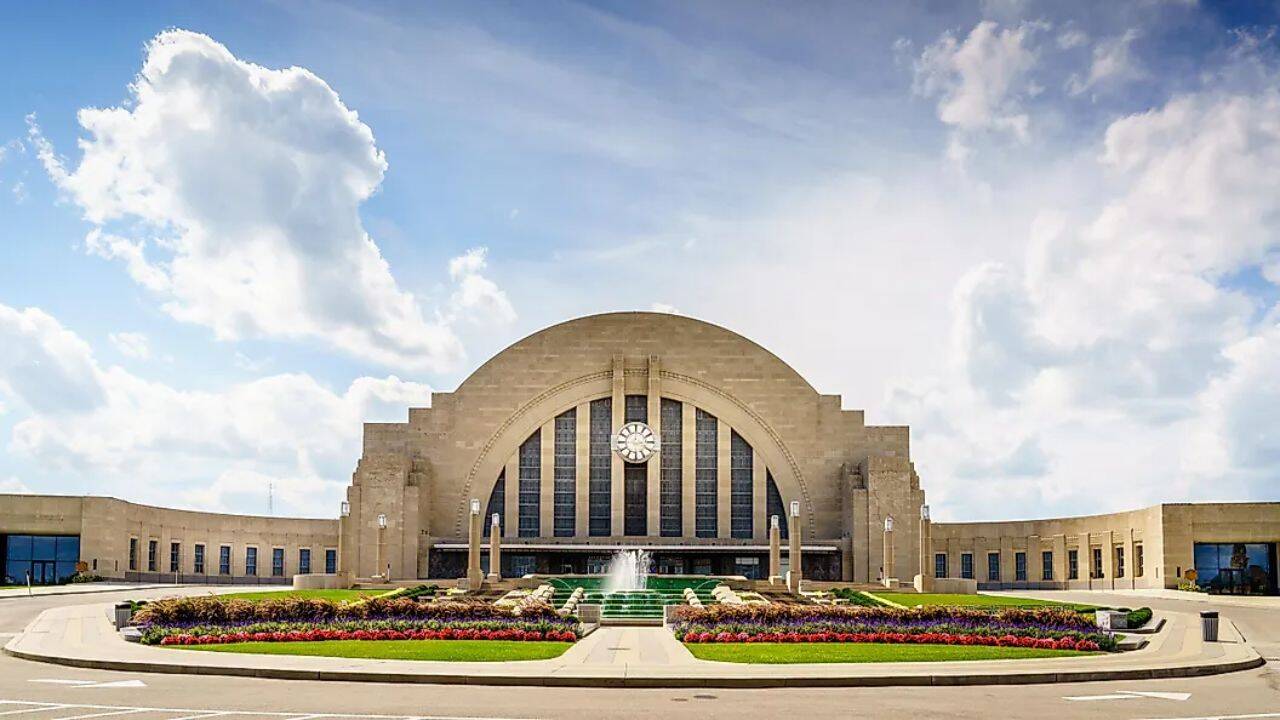
pc: worldatlas
Completed in 1933, Cincinnati Union Terminal is widely regarded as one of America's finest examples of Art Deco architecture. Its enormous semi-circular façade immediately catches the eye, while the interior features colourful mosaics created by artist Winold Reiss, celebrating the city's industrial heritage.
Although passenger rail still operates from the station through Amtrak services, much of the building has been transformed into the Cincinnati Museum Centre.
Museums, exhibition galleries, an OMNIMAX theatre and historical collections now occupy spaces once filled with railway passengers. The result is a landmark that continues welcoming visitors, even if many arrive without a train ticket.
5. San Juan Capistrano Depot, San Juan Capistrano
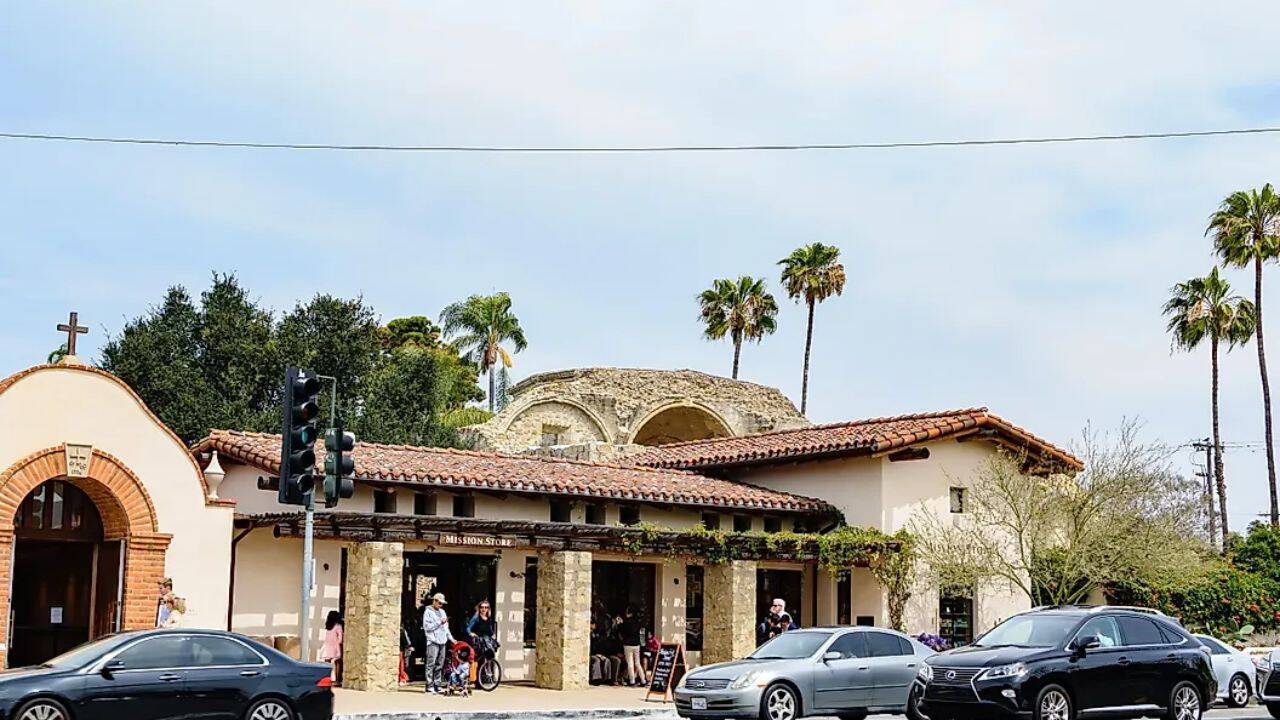
pc: worldatlas
Unlike the vast city terminals found elsewhere, the San Juan Capistrano Depot offers a quieter glimpse into California's railway history.
Built in 1894, the station reflects Mission Revival influences through its brick construction, graceful arches and distinctive bell tower crowned by a white dome. Its modest scale complements the historic surroundings, particularly the nearby mission that inspired its appearance.
Despite its age, the depot continues to serve rail passengers while preserving much of its original character. Walking through the station feels less like entering a transport hub and more like stepping into a carefully protected piece of Southern California's past.
6. Main Street Station, Richmond
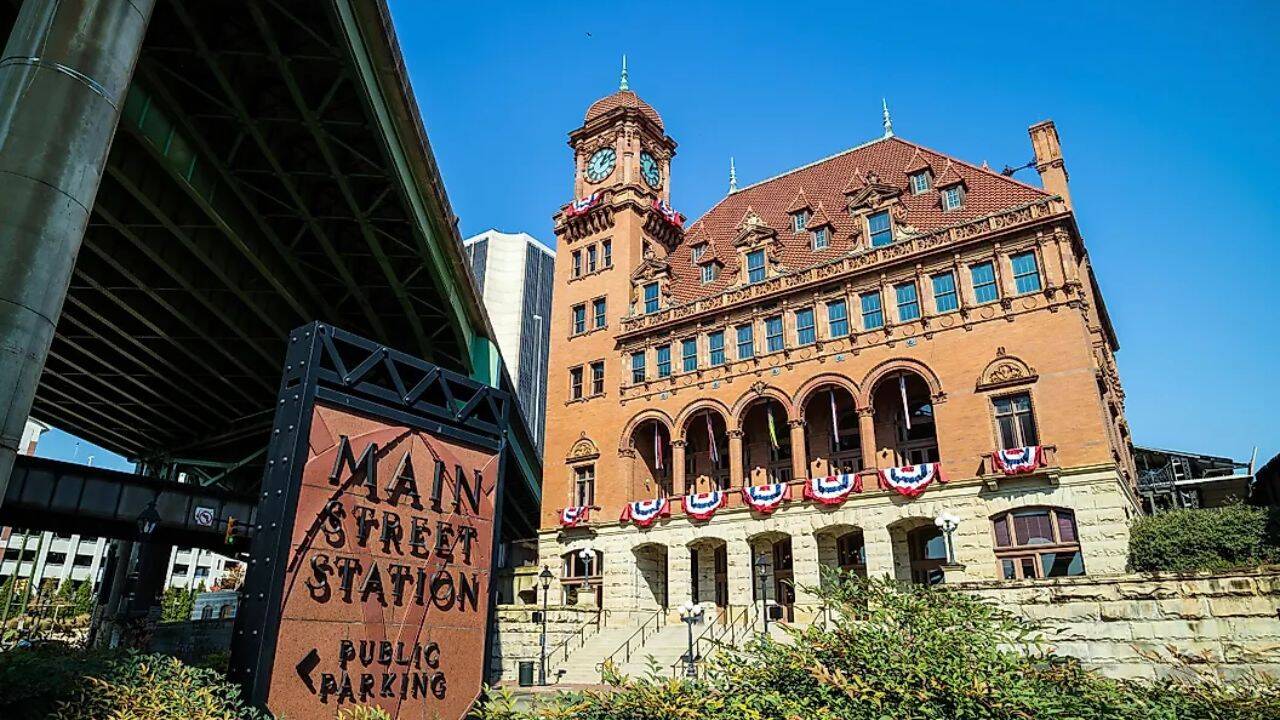
pc: worldatlas
Main Street Station has watched Richmond change for well over a century. Opened in 1901, the Renaissance Revival building quickly became one of Virginia's busiest railway gateways before years of flooding, declining rail traffic, and neglect threatened its future. A major restoration completed in the early twenty-first century returned many of its original architectural details while adapting the station for modern use.
Its striking clock tower still dominates the surrounding skyline, reminding visitors of the city's railway heritage. Travellers arriving here step into a station where historic craftsmanship and present-day transport exist comfortably alongside one another.
7. Union Station, Kansas City
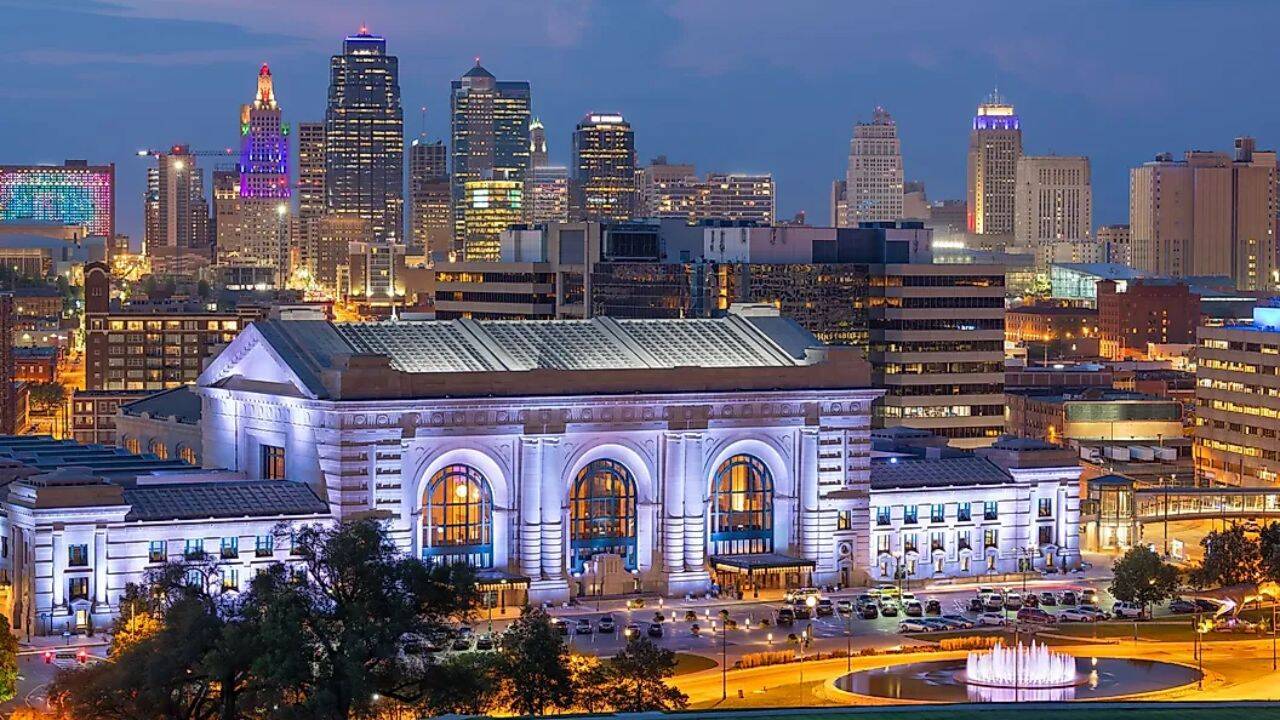
pc: Worldatlas
Kansas City's Union Station reflects the scale and confidence of early twentieth-century American rail travel. Completed in 1914, the Beaux-Arts landmark is especially admired for its Great Hall, where high vaulted ceilings and enormous chandeliers create an impressive first impression.
Passenger trains continue to use part of the building, although much of the station now houses attractions including Science City, a planetarium, theatres and exhibition spaces.
The station is also remembered for the 1933 Kansas City Massacre, a violent event that forms part of its long history. Today,y it stands as both a transport hub and one of Missouri's best-preserved public buildings.
8. King Street Station, Seattle
pc: worldatlas
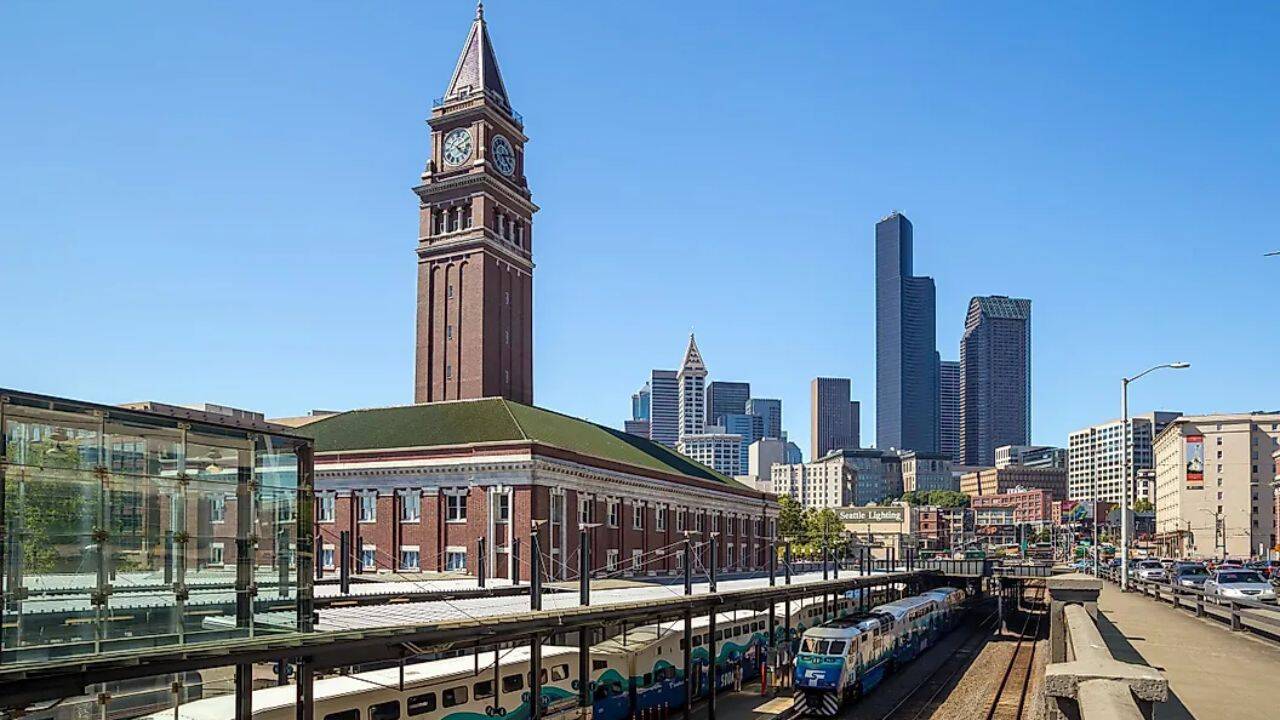
King Street Station has welcomed travellers to Seattle since 1906 and remains one of the city's most recognisable historic buildings.
Its tall clock tower was inspired by Venice's famous Campanile di San Marco, giving the station a distinctive appearance unlike most railway terminals in the United States. Years of neglect left much of the interior hidden or damaged, but careful restoration during the 2010s revealed elegant plaster ceilings, decorative mouldings and Corinthian columns that had been concealed for decades.
The station once again reflects the craftsmanship of its original design while continuing to serve Amtrak and regional rail passengers.
9. Santa Fe Depot, San Diego
pc: worldatlas
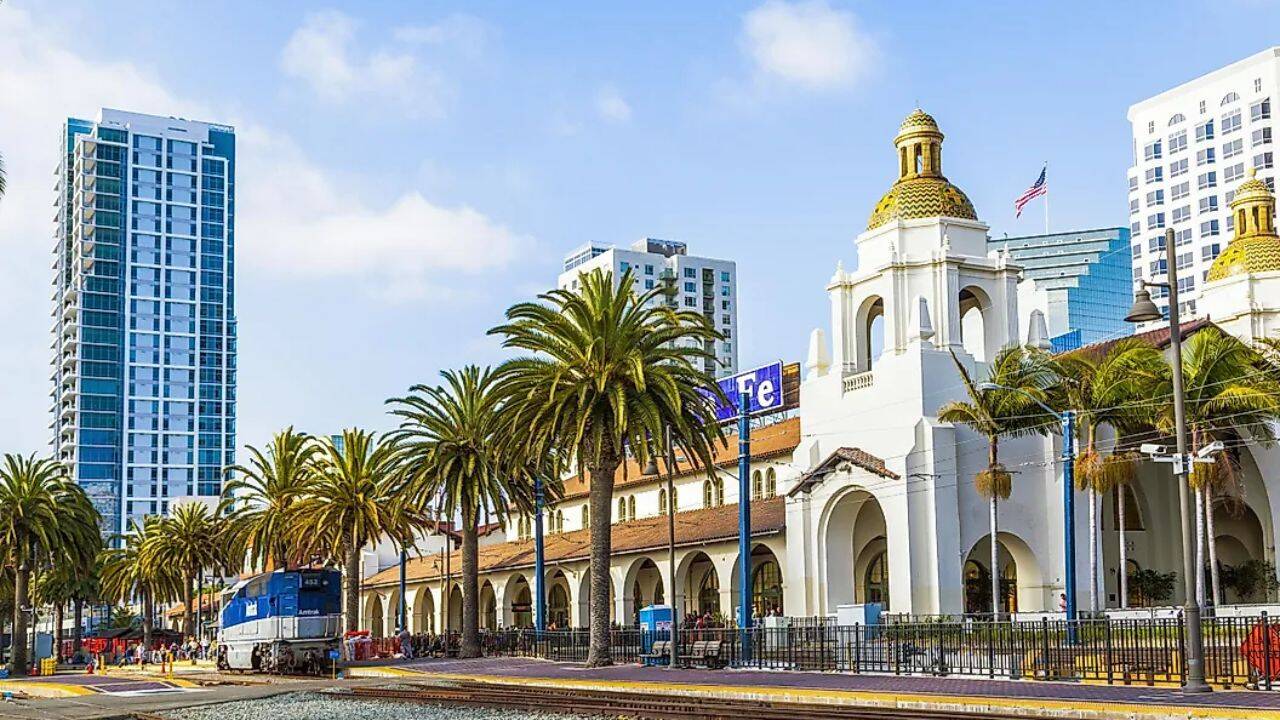
Santa Fe Depot captures the architectural character that defines much of historic Southern California. Completed in 1915, the station was built in time for visitors attending the Panama-California Exposition and follows the Spanish Colonial Revival style with white stucco walls, red-tiled roofs and decorative domes. Although it remains an active railway station, the surrounding neighbourhood has developed into a lively district filled with cafés, markets and public spaces.
The depot continues to connect travellers arriving by Amtrak and regional services, while its carefully preserved exterior makes it one of San Diego's most recognisable historic landmarks.
10. 30th Street Station, Philadelphia
pc: worldatlas
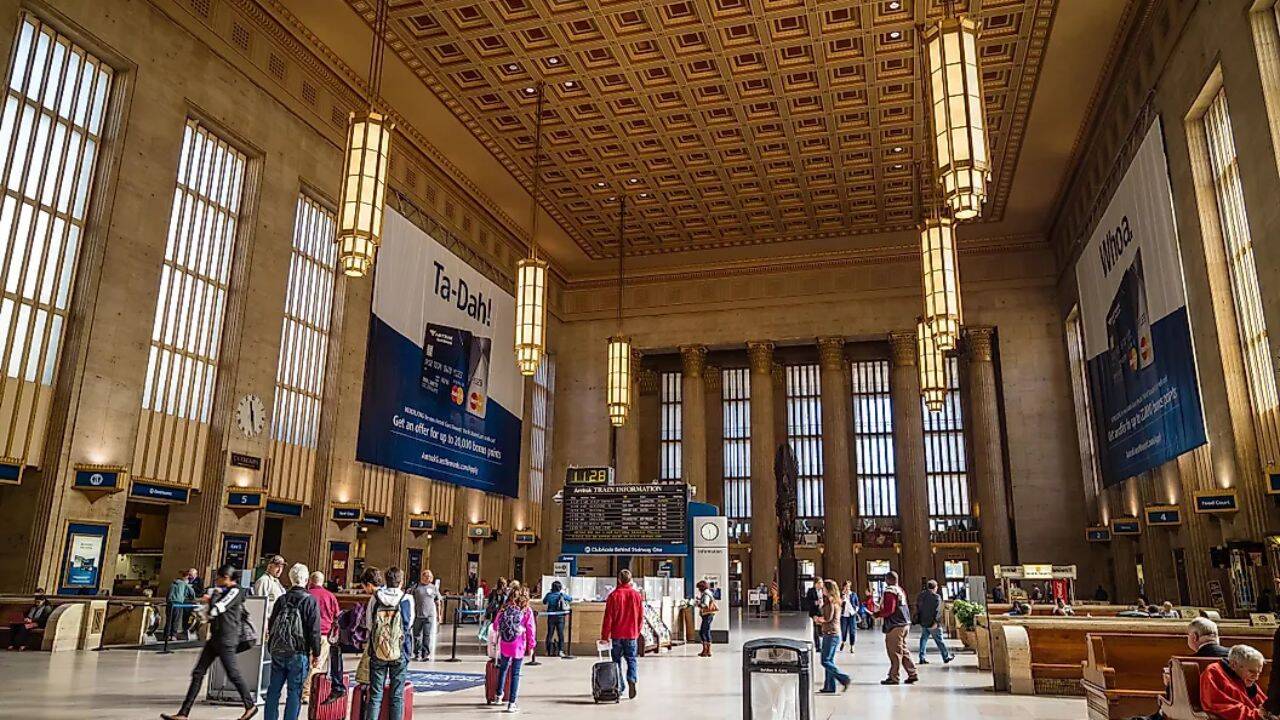
Philadelphia's 30th Street Station ranks among the largest and most impressive railway terminals in the United States. Opened in 1933 for the Pennsylvania Railroad, the Neoclassical building is distinguished by massive Corinthian columns and an expansive marble concourse that still carries thousands of passengers each day. Inside stands the bronze sculpture Angel of the Resurrection, created as a memorial to Pennsylvania Railroad employees who lost their lives during the Second World War.
The station remains one of Amtrak's busiest hubs, balancing everyday commuter traffic with architectural features that continue to reflect the grandeur of America's railway age.









 English (US) ·