

 1 week ago
5
1 week ago
5
ARTICLE AD BOX
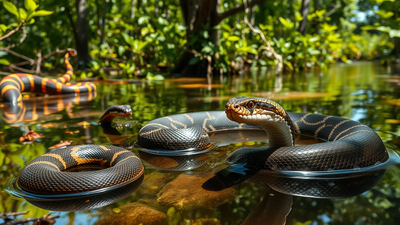
If you've ever spotted a snake in your garden and wondered whether it's a cause for alarm or just a neighbourhood regular, the answer often depends on where you live. Snake populations in the US are concentrated heavily in the South and Southwest, where warm climates, diverse habitats, and abundant prey create ideal conditions for dozens of species to thrive.
Across the country, an estimated 7,000 to 8,000 people are bitten by venomous snakes every year, but fatalities remain rare, hovering below 10 annually, largely because most snakes encountered in residential settings are harmless and want nothing to do with humans. The bigger picture is this: snakes are ecologically vital, keeping rodent and insect populations in check, and most of the ones turning up in gardens are doing you a quiet favour. But knowing your state and your species still matters.
10 US states where you're most likely to encounter snakes near your home
Texas:76 species
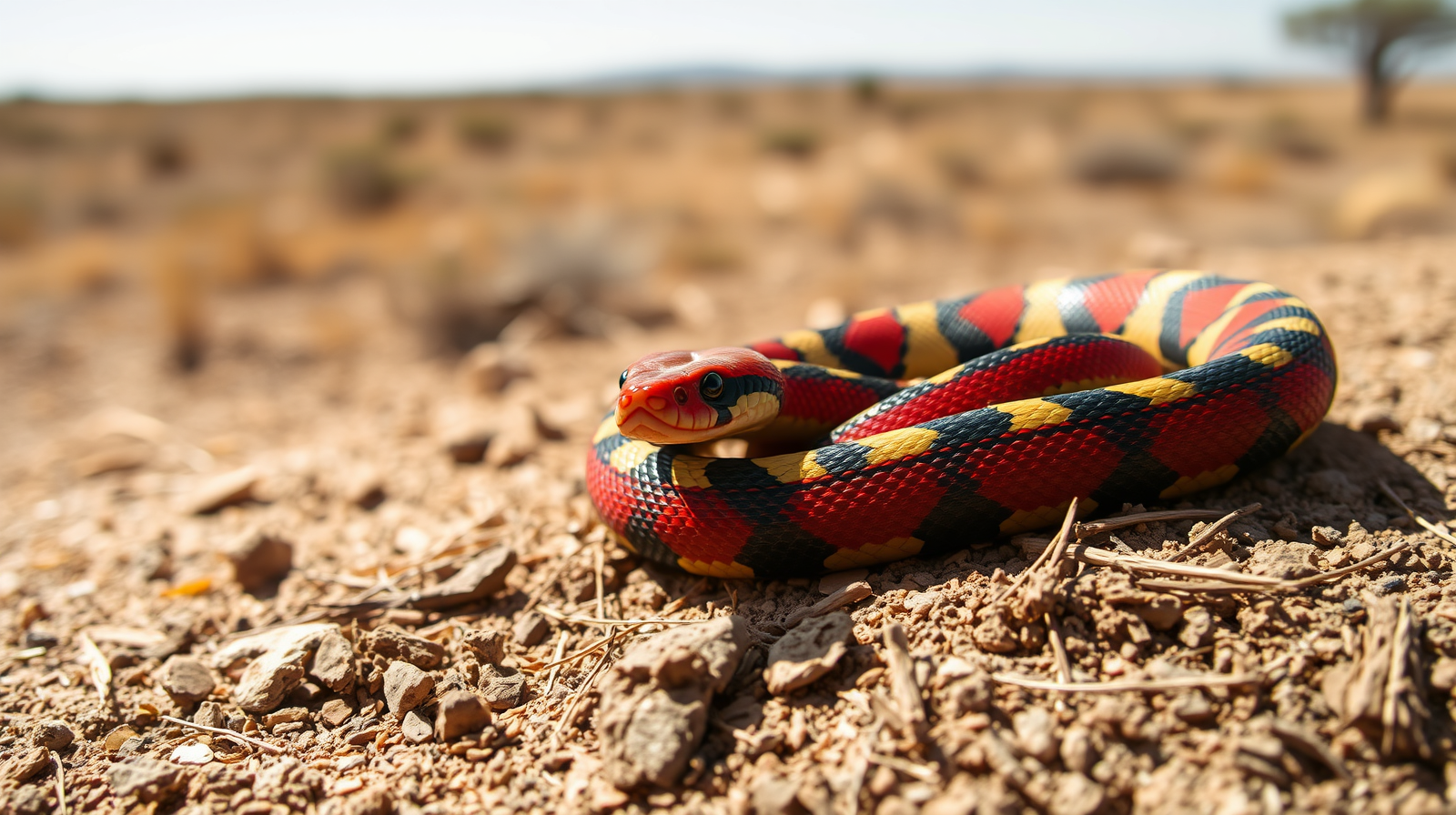
Texas is in a category of its own. According to Texas Parks and Wildlife, the state hosts 76 species of snakes and when subspecies are included, the total climbs to over 115, the highest in the United States. Central Texas is the densest zone, with its mix of hilly plateaus, woodlands, prairies, and river systems. Only 15 of these are potentially dangerous to humans, as noted by TPWD's venomous snake guidance. Garden visitors, you're most likely to encounter: the Texas rat snake (large, non-venomous, excellent at controlling rodents), the western coachwhip, and the checkered garter snake.
Venomous species present include the western diamondback rattlesnake, the copperhead, the cottonmouth, and the Texas coral snake.
Mississippi:55 species
Mississippi's Department of Wildlife, Fisheries, and Parks confirms the state is home to 55 different kinds of snakes, of which only six are venomous. The state's extensive wetlands, bayous, and river systems make it one of the most snake-rich environments on the East Coast. Garden species to know: the eastern garter snake, the grey rat snake, and DeKay's brown snake, a small, shy species that feeds on slugs and earthworms and rarely exceeds 12 inches.
Venomous species include the copperhead, cottonmouth, eastern diamondback rattlesnake, and eastern coral snake.
Arizona: 52 species
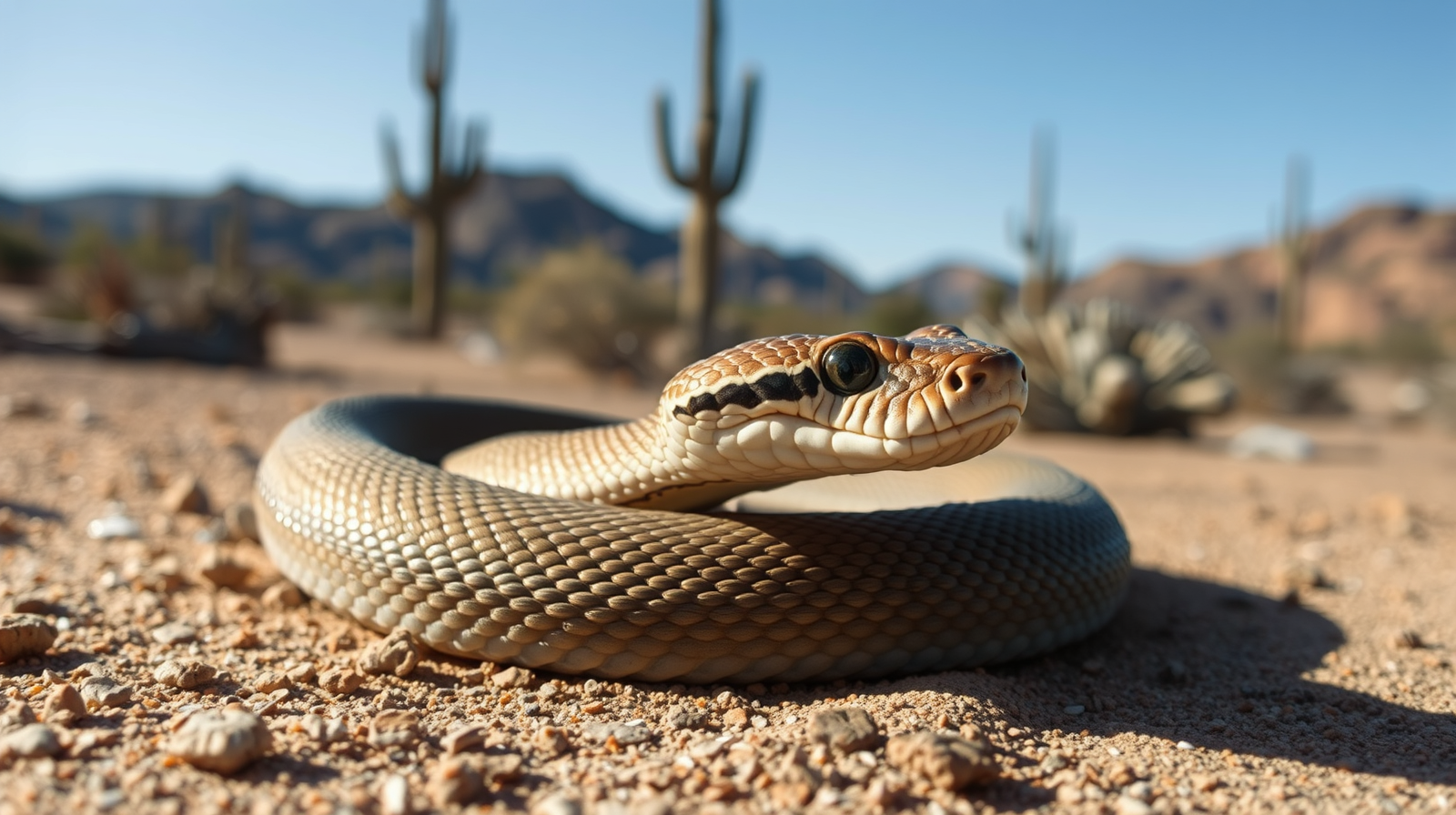
Arizona holds an unusual distinction: it has more rattlesnake species than any other US state. Of its 52 species, 14 are venomous. The Phoenix metropolitan area, particularly Gold Canyon and north Scottsdale, is considered one of the highest-density snake zones in the entire country. Garden species likely in residential areas: the Sonoran gopher snake (often mistaken for a rattlesnake due to similar patterning), the western kingsnake, and various garter snake species.
Venomous species to know include the Mojave rattlesnake, the Arizona black rattlesnake, and the Sonoran coral snake.
Georgia: 46 species
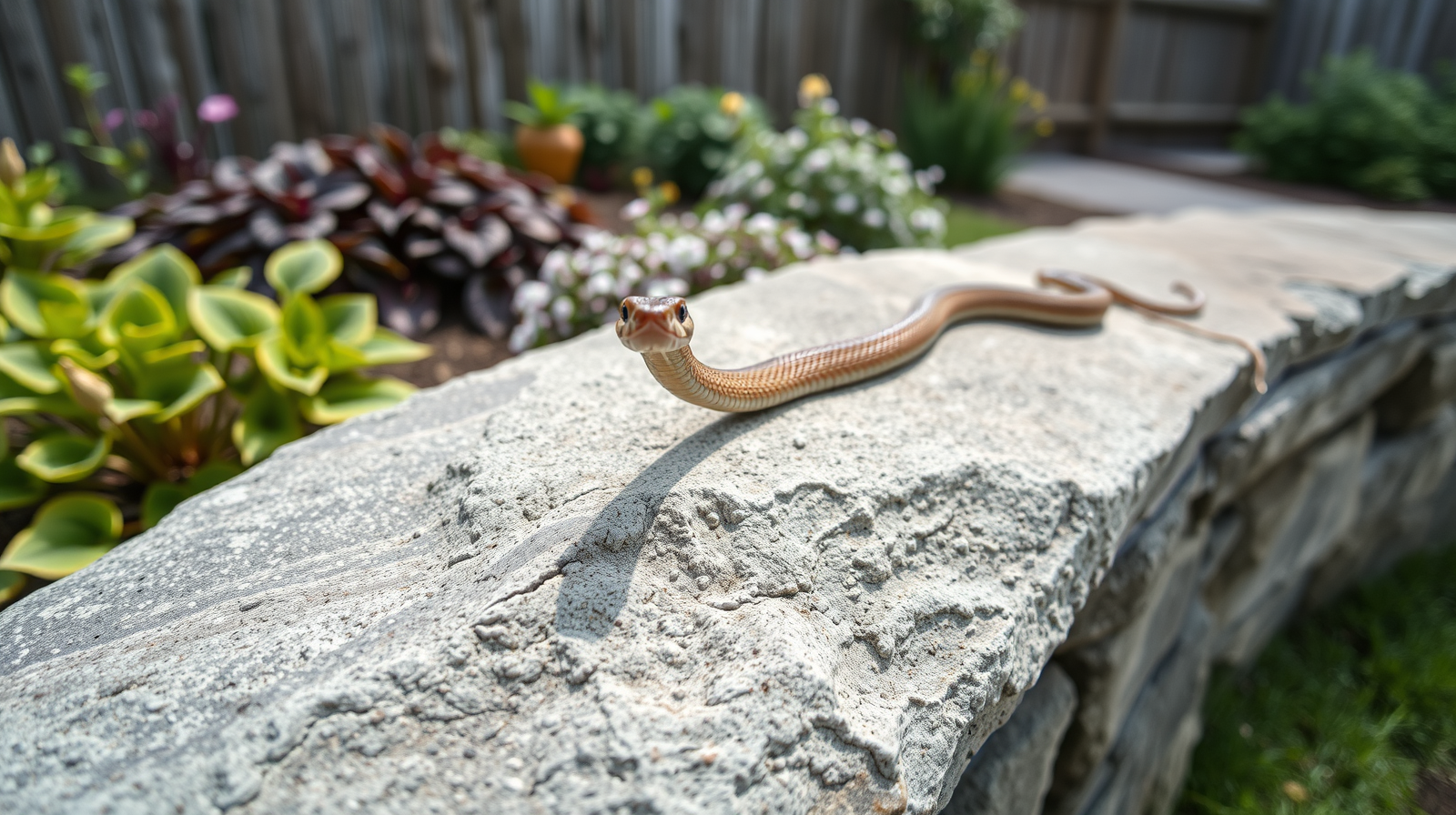
The state has 46 native snake species, making it one of the most biodiverse states in the country. Snakes are found everywhere from the Blue Ridge Mountains to the Atlantic barrier islands. Only six of Georgia's species are venomous, and notably, it is illegal under state law to kill any non-venomous snake in Georgia. Garden visitors most commonly seen: the DeKay's brown snake, the common watersnake, and the eastern garter snake.
The copperhead is the one venomous species most likely to appear in suburban areas.
Oklahoma: 46 species
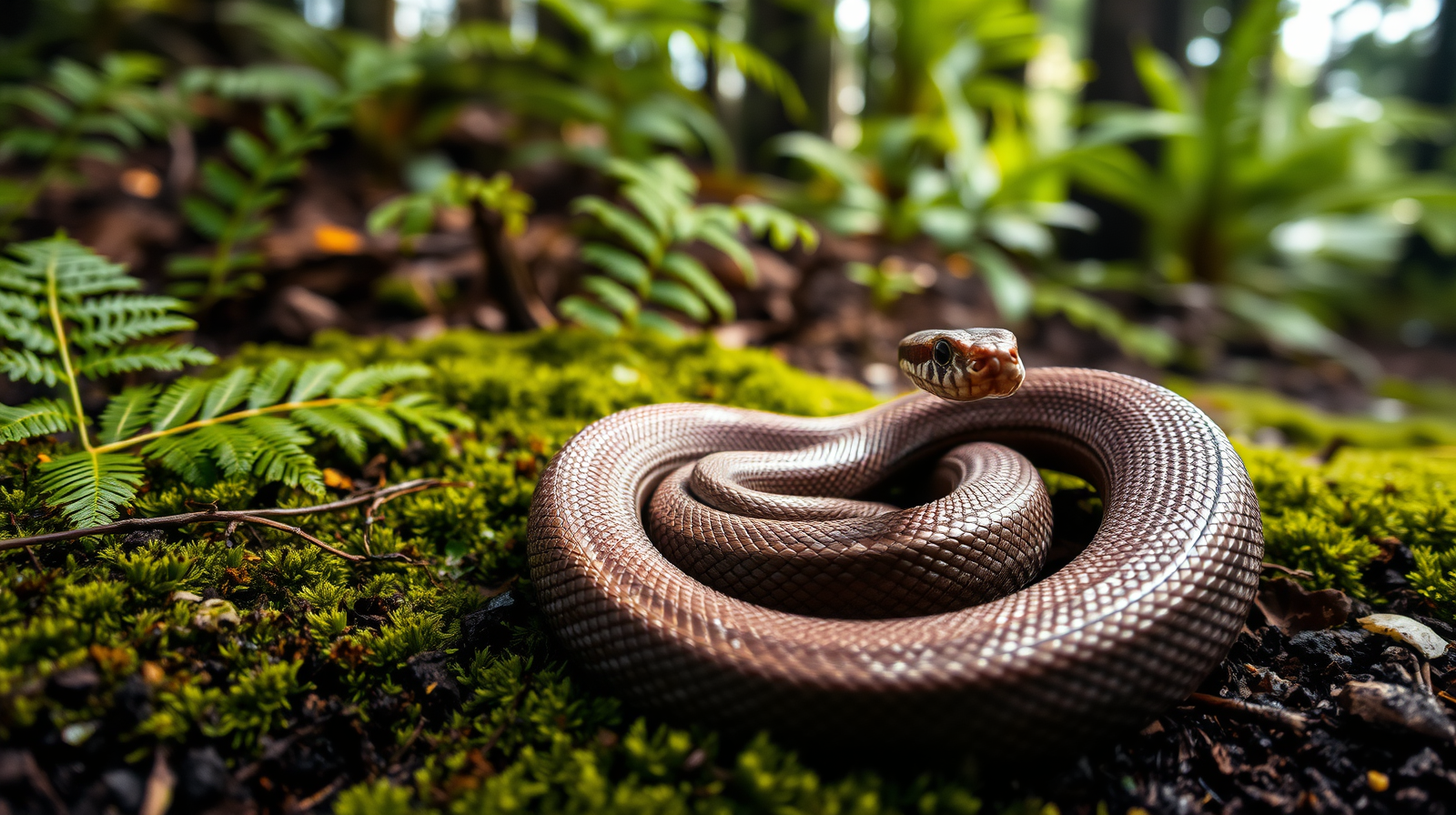
Oklahoma's 46 species include 7 venomous ones, yet the state records only around 61 snakebites per million people per year, twice the national average, but lower than you'd expect given the diversity. The state's farmland creates ideal rodent habitat that in turn draws large numbers of rat snakes and bull snakes into garden settings. Garden species: the Great Plains rat snake, the plains hognose snake (harmless but dramatic when threatened), and the eastern garter.
Venomous garden-edge species include the western diamondback rattlesnake and the copperhead.
Florida: 46–50 species
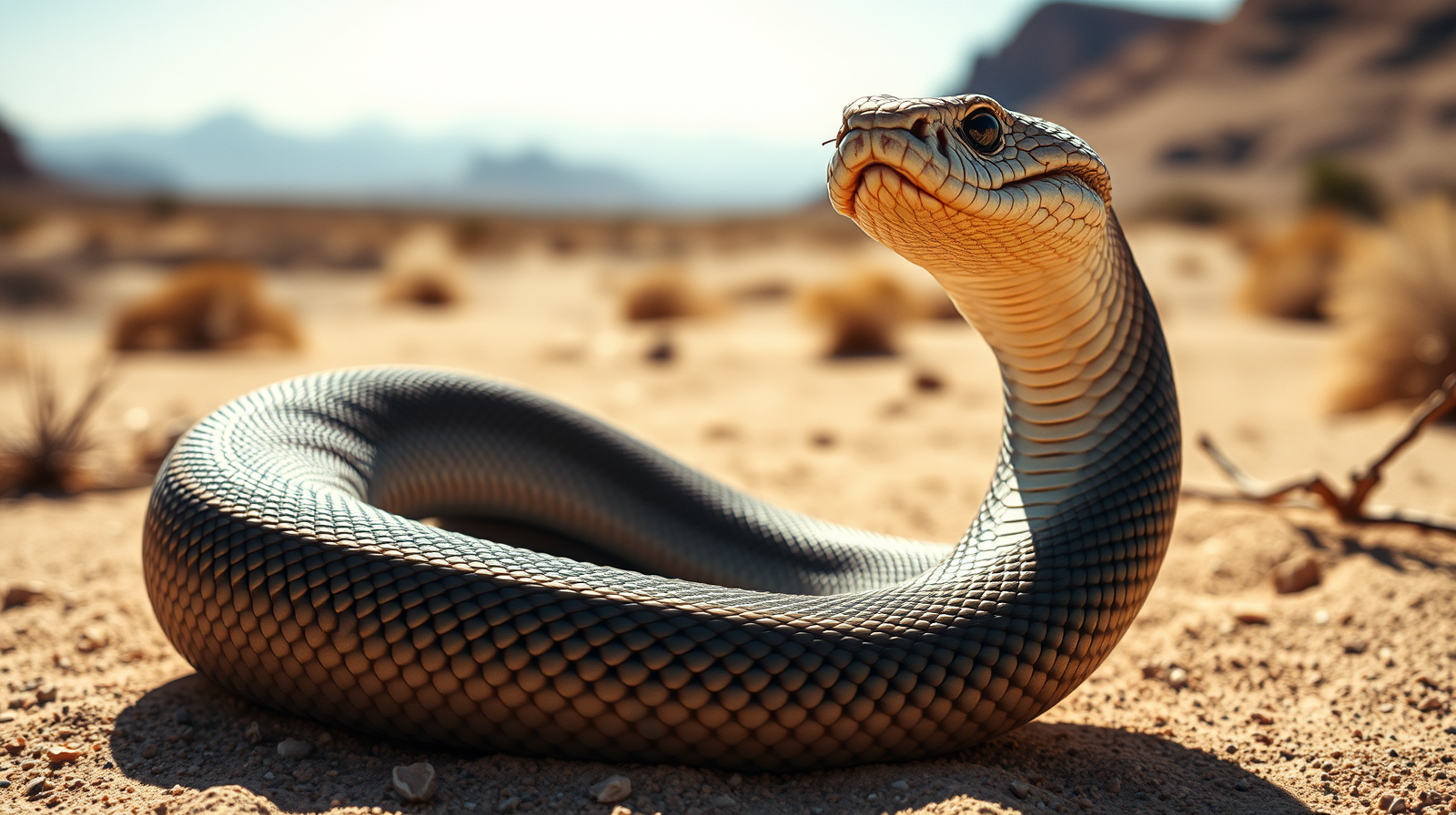
Florida's native snake count sits between 44 and 50, depending on the source, with Florida Fish and Wildlife documenting 44 native species, while the University of Florida puts the number at approximately 50. The state is also home to a well-documented population of invasive Burmese pythons in the Everglades, an ecological crisis that has altered predator-prey dynamics across the region.
Six species are venomous. Garden species: the Florida brown snake, the ring-necked snake, and the eastern garter snake. Venomous species present include the cottonmouth, copperhead, eastern diamondback rattlesnake, dusky pygmy rattlesnake, coral snake, and timber rattlesnake.
Alabama: 49 species
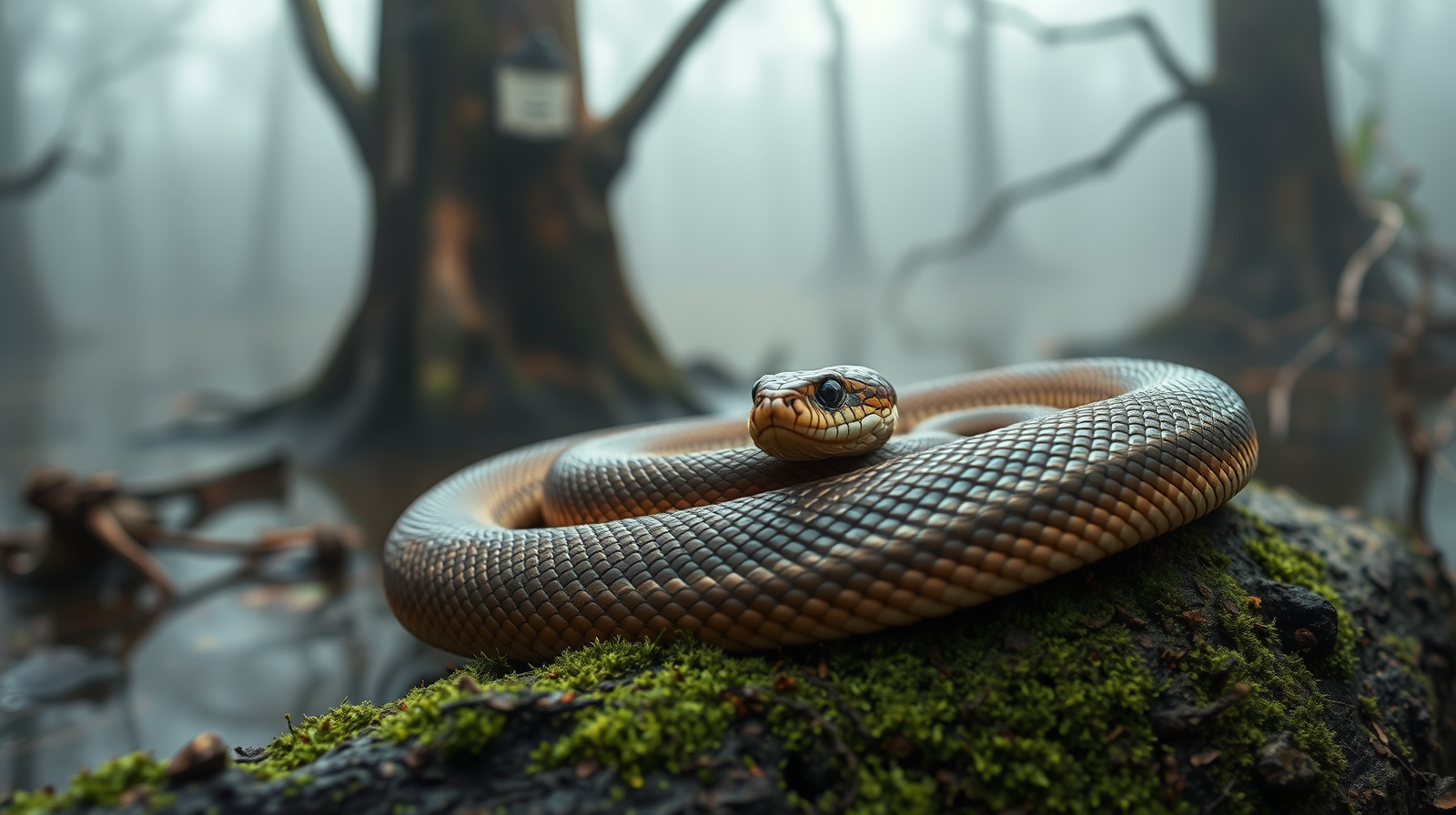
Alabama is home to 49 species of snakes spread widely across the state and records more than 100 snakebites per year. Both urban and rural gardens regularly see snake activity.
Garden species: the eastern kingsnake, the eastern garter snake, and the rough green snake, a slender, vivid green snake that hunts insects and is completely harmless. Six of Alabama's species are venomous, with the copperhead and timber rattlesnake being the ones most likely to turn up near human habitation.
North Carolina: 37 species
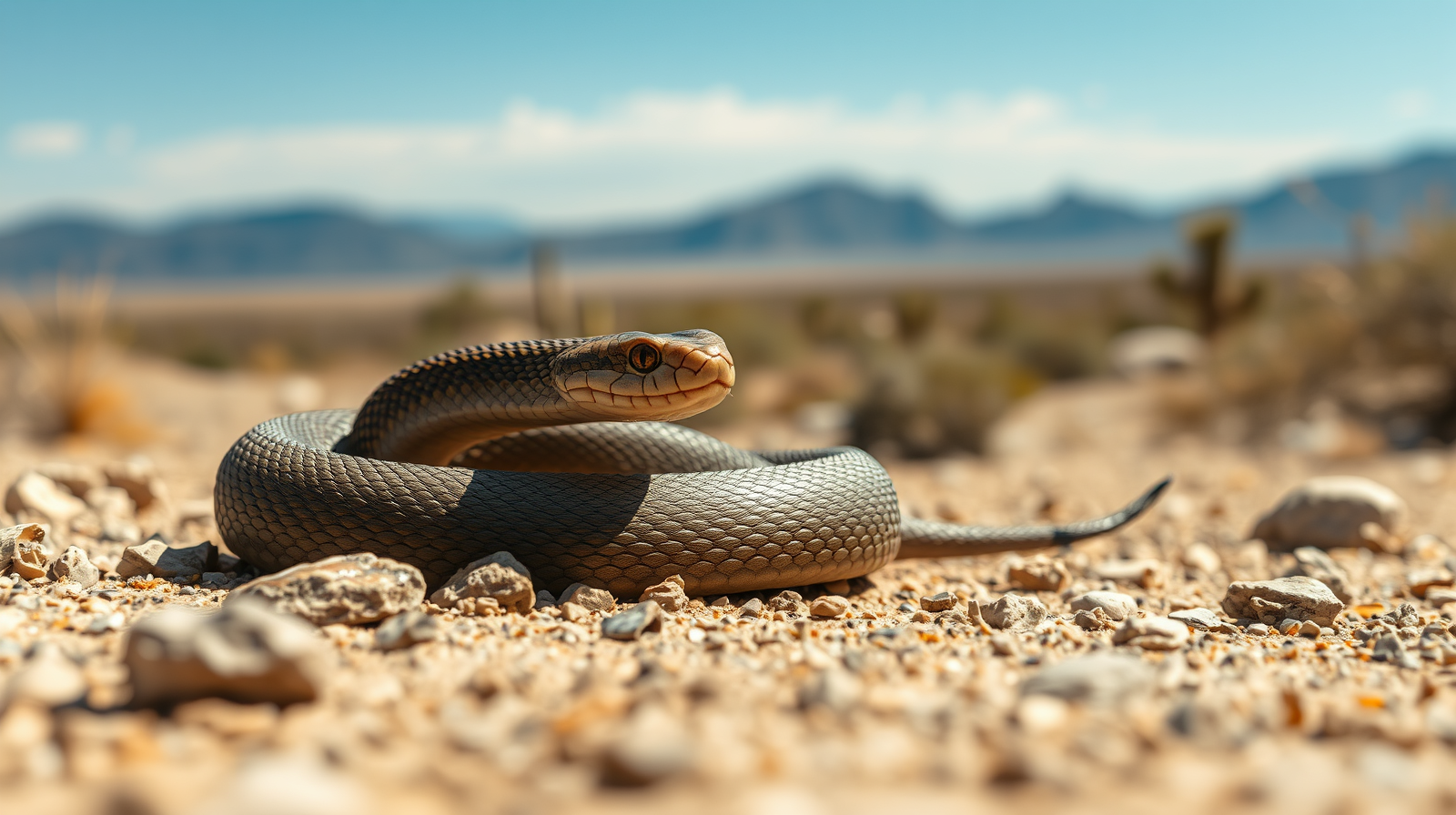
North Carolina has the highest rate of venomous snakebites in the entire country at 157.8 bites per million people per year, roughly five times the national average. North Carolina Wildlife Resources Commission confirms 37 species in total, six of them venomous. Garden species: the eastern garter snake, the rough earth snake, and the black racer. Venomous species encountered near homes include the copperhead, the most commonly seen venomous snake in the state, along with the cottonmouth and, in more rural forested areas, the timber rattlesnake and pygmy rattlesnake.
New Mexico: 46 species
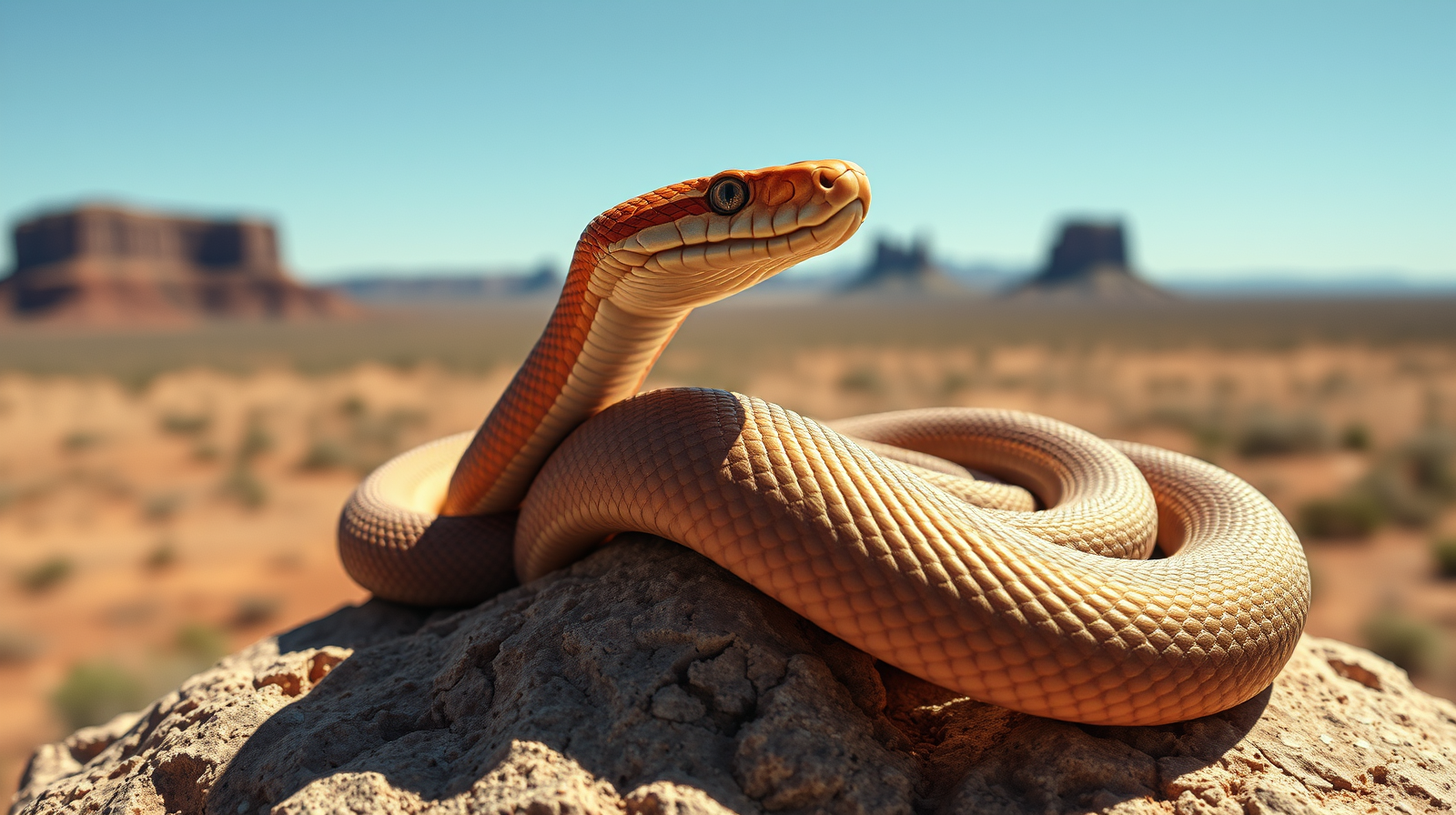
New Mexico's 46 species include 8 venomous ones more than most states.
The Chihuahuan Desert region alone hosts over 20 species. Garden and yard visitors: gopher snakes, coachwhips, and the common kingsnake. Venomous species include multiple rattlesnake species, with the western diamondback being the most frequently encountered near residential areas. New Mexico also has a Sonoran coral snake population, though it's rare in populated areas.
Arkansas: 39 species
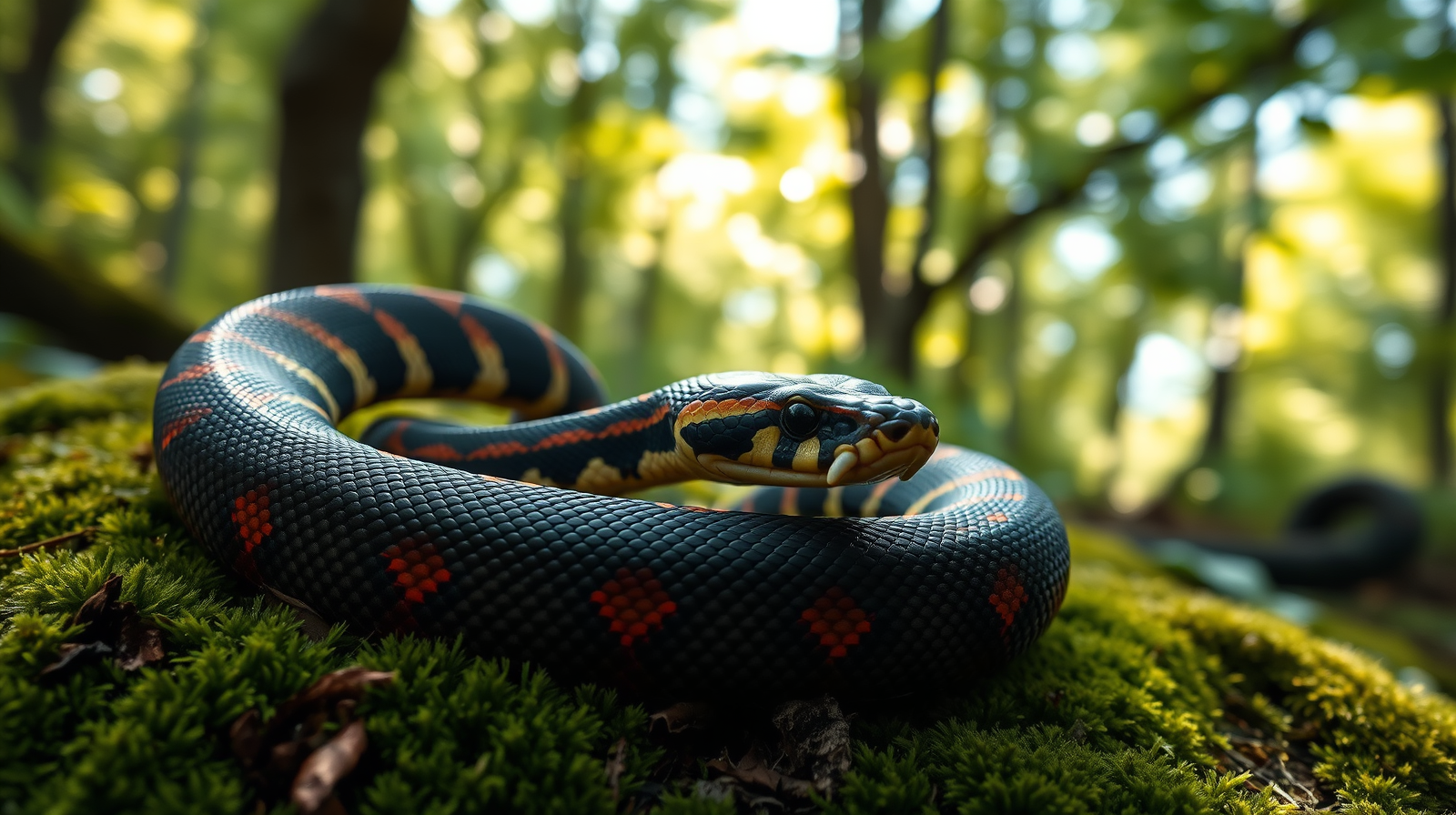
Arkansas has 39 species, six of them venomous, and records 92.9 snakebites per million people annually three times the national average. The state's mixed forests, rocky outcrops, and river bottomlands drive high snake density.
Garden species: the rat snake, the western worm snake, and the ring-necked snake. Venomous garden-edge species include the copperhead the most common venomous snake in the state and the cottonmouth near water sources.
What to do if you find a snake in your garden
The standard advice from wildlife authorities is consistent: leave it alone. The overwhelming majority of garden snakes are non-venomous, and even venomous species are unlikely to strike unless stepped on, cornered, or handled. Give the snake space and it will move on. If you're unable to identify the species and it's in a high-traffic area where children or pets might encounter it, contact your local wildlife authority rather than attempting to remove it yourself.
As TPWD notes, the majority of bites result from people taking unnecessary risks with snakes, not from unprovoked attacks.









 English (US) ·