

 15 hours ago
3
15 hours ago
3
ARTICLE AD BOX
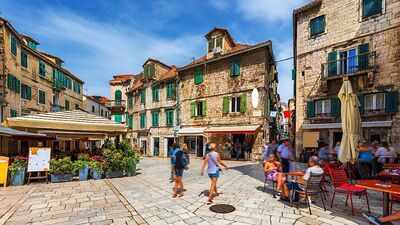
Retirement in Croatia can take many different forms depending on where you choose to settle. Some people are drawn to the Adriatic coast, where old stone streets meet the sea and everyday routines include walks along waterfront promenades.
Others prefer inland cities with leafy parks, lively markets and a calendar filled with cultural events. Across the country, historic architecture sits comfortably beside modern life, while reliable transport links make exploring nearby islands, rivers and nature reserves relatively straightforward. Whether the appeal lies in Roman monuments, medieval fortresses or peaceful green spaces, Croatia offers a wide range of places where daily life can remain active, social and closely connected to history without feeling rushed.According to WorldAtlas, check the list of the 11 best cities to retire in Croatia.
Croatia's best cities to retire for a peaceful Mediterranean lifestyle
1. Split
pc: worldatlas
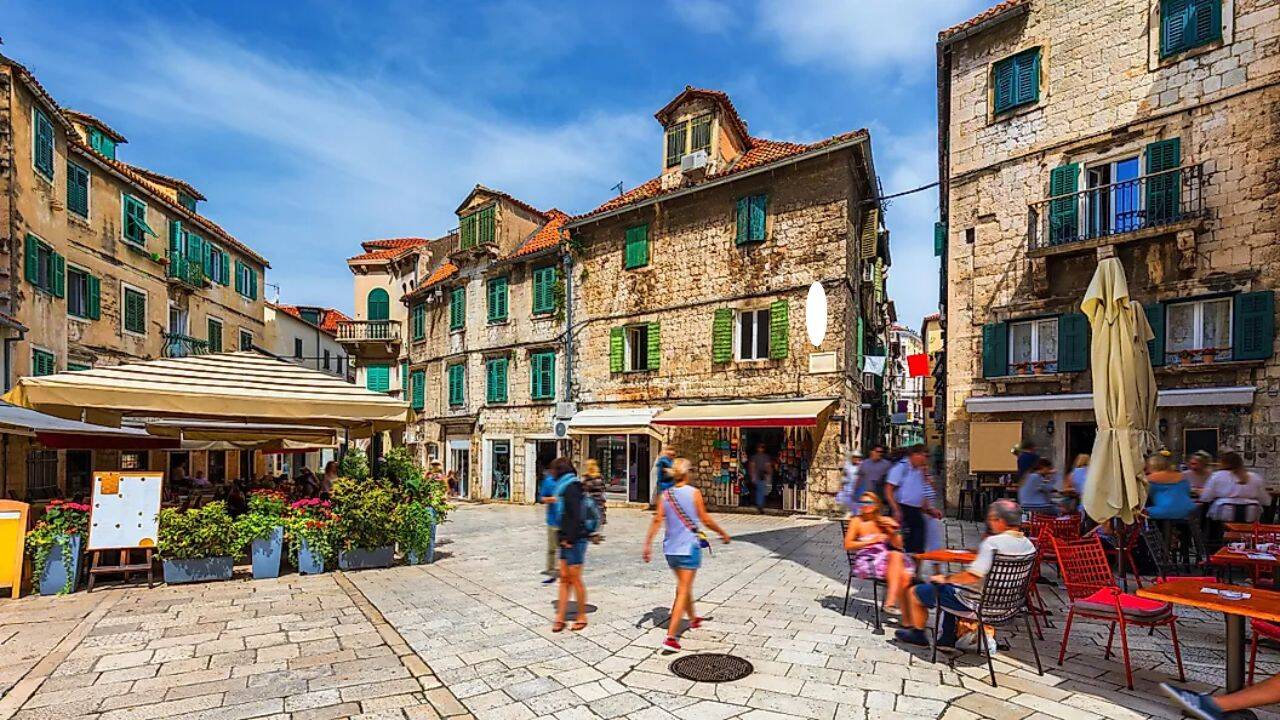
Split blends the energy of a busy coastal city with a setting shaped by nearly two thousand years of history. Life revolves around Diocletian's Palace, yet the ancient Roman complex is far from a museum. Homes, cafés, bakeries and neighbourhood shops occupy its narrow lanes, making it part of everyday life rather than a place reserved for visitors.
Away from the old streets, Marjan Forest Park offers walking trails beneath pine trees with sweeping views across the Adriatic. The Riva waterfront remains one of the city's favourite meeting places, where cafés stay busy throughout the day. Ferries also make it easy to spend time on Brač, an island known for quiet beaches, fishing villages and scenic coastal walks.
2. Zagreb
pc: wikipedia
Croatia's capital provides the widest variety of activities throughout the year, making it attractive for those who enjoy city life without giving up access to parks and open spaces.
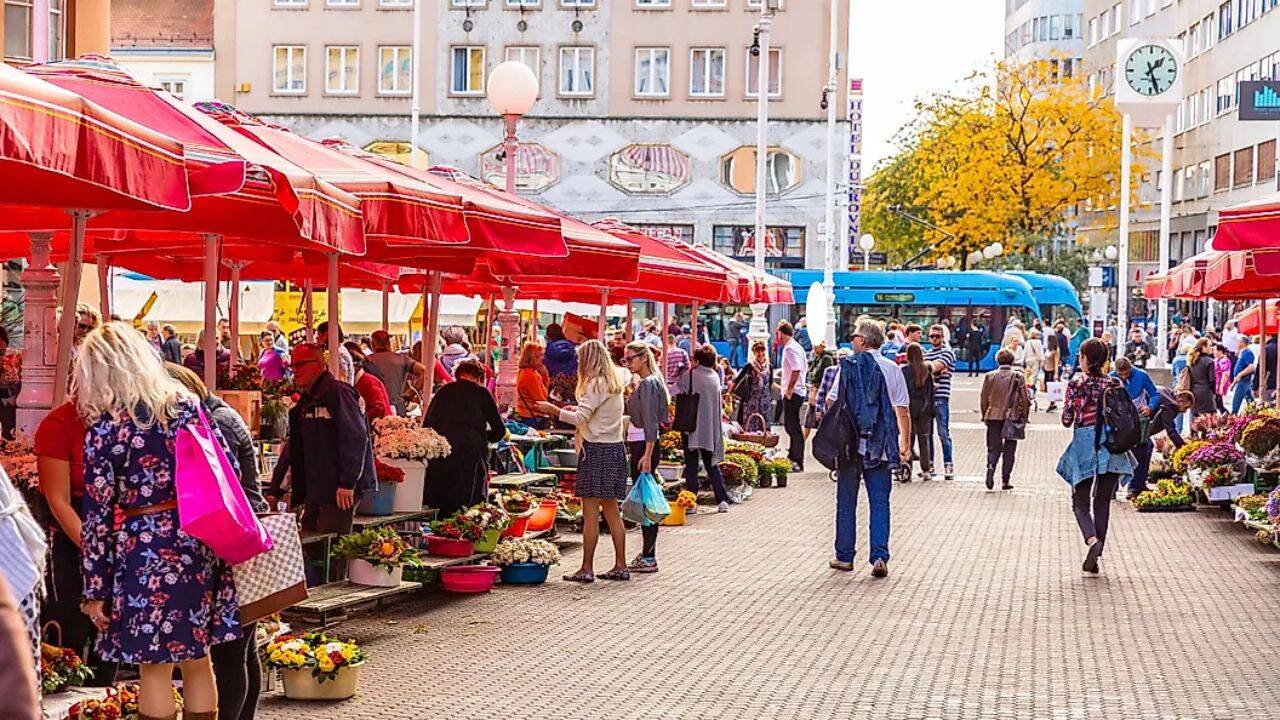
Much of the centre can be explored on foot, linking museums, public squares and cultural venues within comfortable walking distance.Dolac Market has long been a fixture of daily life, where stalls beneath its familiar red umbrellas sell fruit, vegetables, cheeses, meat and flowers. Nearby, the Green Horseshoe connects landscaped parks across the city centre. Zagreb also has a distinctive cultural side, from the unusual Museum of Broken Relationships to evenings at the Croatian National Theatre, where opera, ballet and stage productions continue to draw audiences.
3. Rijeka
pc: worldatlas
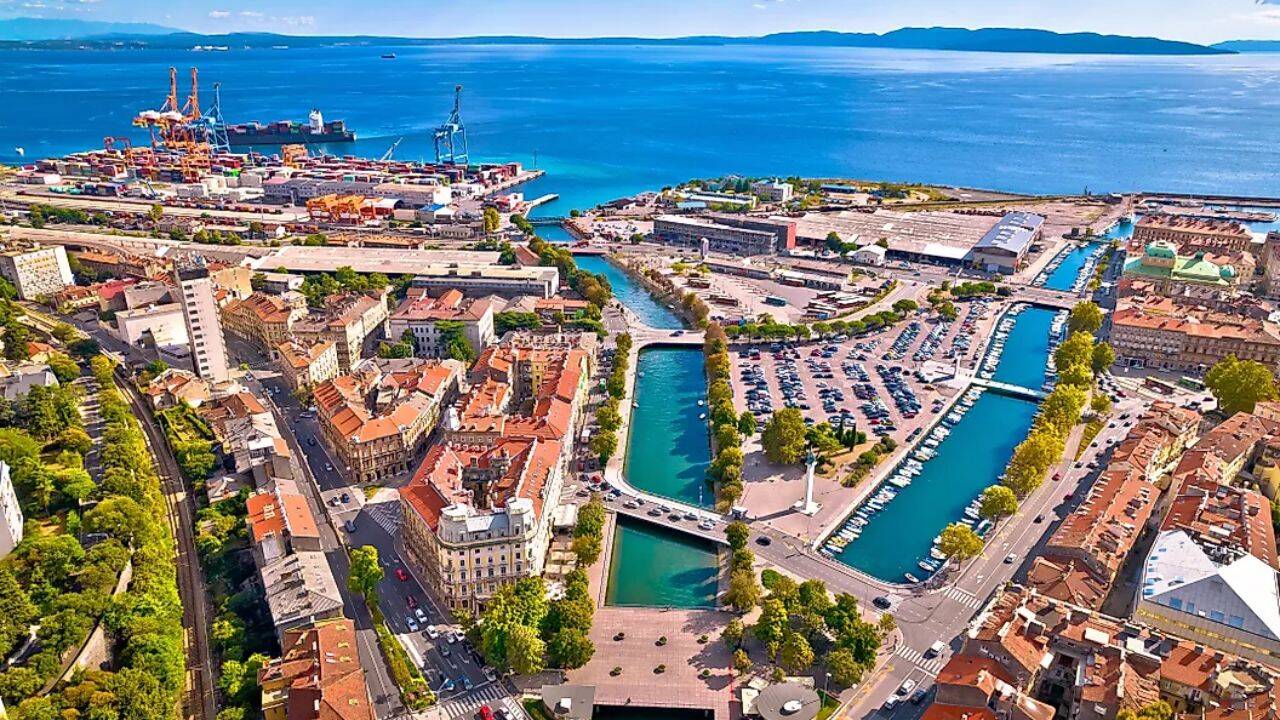
Rijeka has a different atmosphere from many Croatian coastal destinations. Rather than focusing on tourism, it remains a working port with an active cultural life. Korzo, the city's pedestrian promenade, is lined with historic buildings, cafés and shops, making it one of the busiest gathering places in the city.Above the waterfront stands Trsat Castle, whose elevated position overlooks Kvarner Bay and connects with nearby walking routes leading towards an important pilgrimage site.
The Maritime and History Museum documents Rijeka's long relationship with the Adriatic, while winter brings one of Croatia's biggest annual celebrations as the Rijeka Carnival fills the streets with colourful costumes, performances and public festivities.
4. Osijek
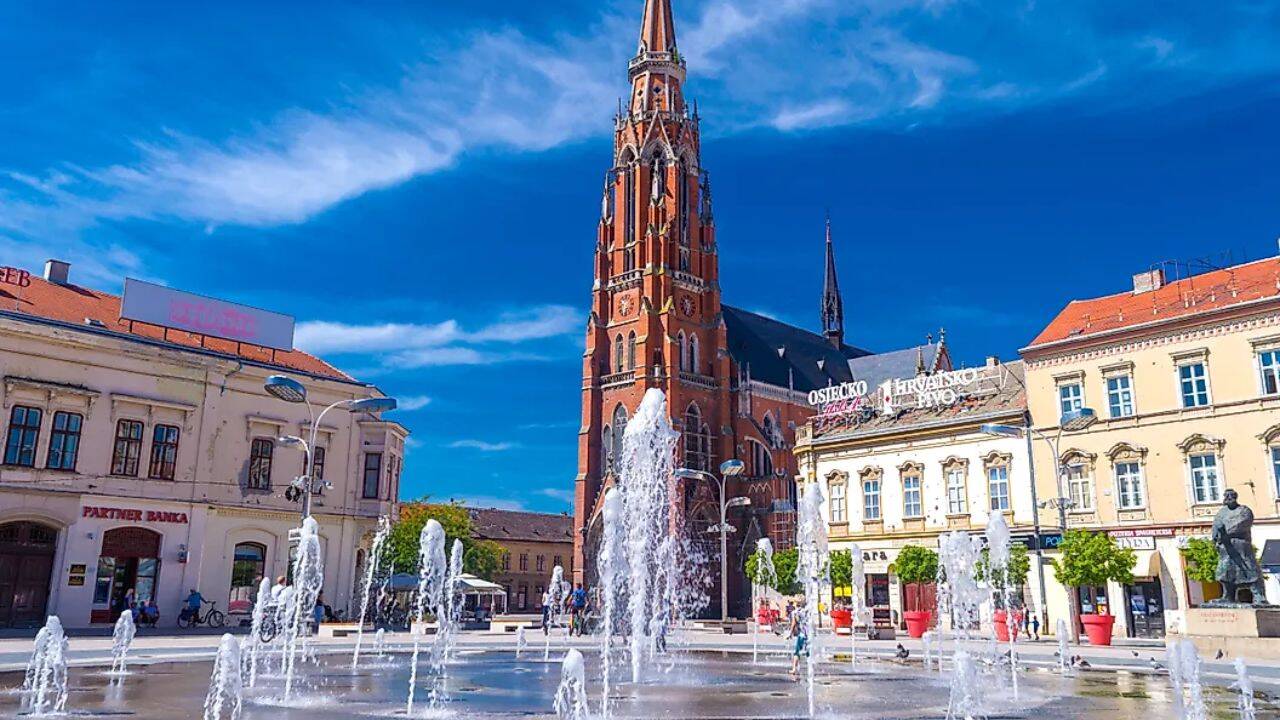
pc:worldatlas
Set beside the Drava River, Osijek moves at a gentler pace than many of Croatia's larger cities. The riverside promenade stretches for several kilometres, giving residents plenty of space for walking and cycling while staying close to the water.Its historic heart is Tvrđa, an eighteenth-century Habsburg fortress that now houses galleries, museums, cafés and restored Baroque buildings. Beyond the city, Kopački Rit Nature Park attracts visitors with its vast wetlands, where guided boat trips pass through habitats supporting deer, eagles, herons and wild boar. Back in the centre, the Museum of Fine Arts and Sakuntala Park add further opportunities to enjoy both culture and green space.
5. Zadar
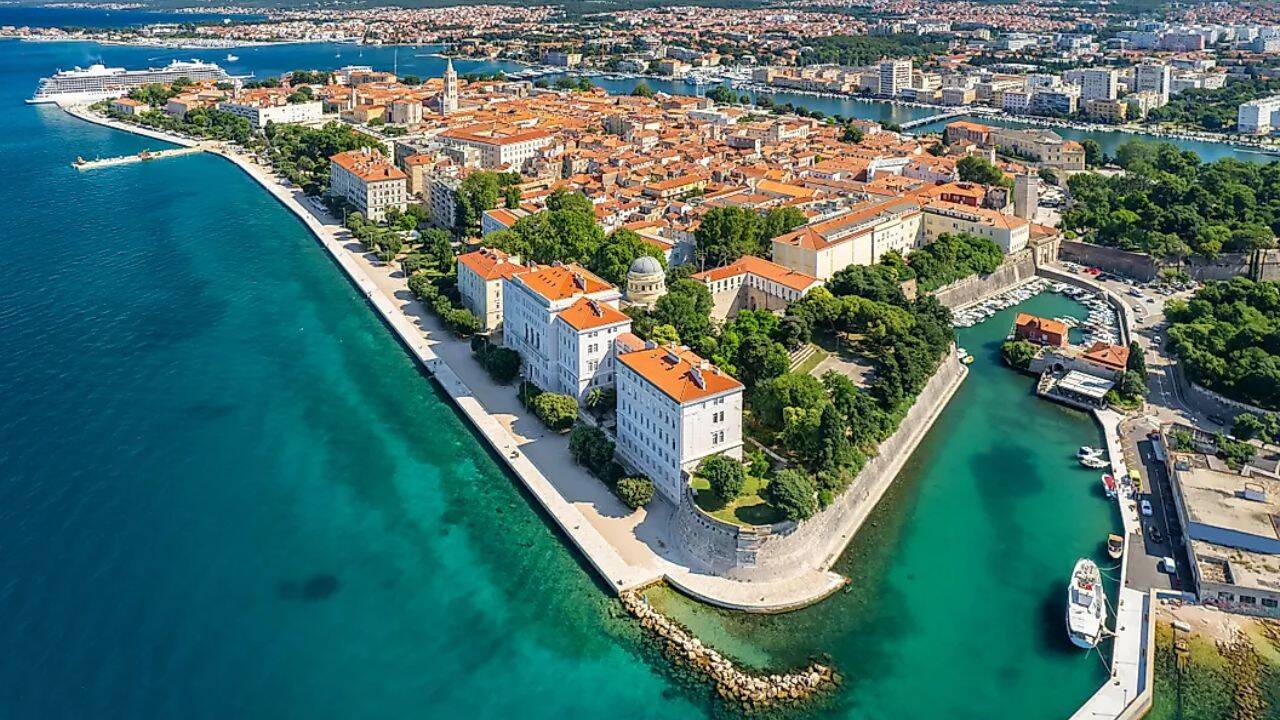
pc: worldatlas
Life in Zadar often centres on its waterfront, particularly during the evening when the shoreline becomes a popular place for a walk. The city's Sea Organ produces changing musical sounds using the movement of the waves, while the nearby Greeting to the Sun transforms stored solar energy into colourful illuminated displays after sunset.The historic centre remains compact enough to explore comfortably on foot.
The circular Church of St. Donatus has stood since the ninth century and remains one of Croatia's best-known medieval landmarks. Just a short distance away, the remains of the Roman Forum offer another reminder of the city's long history, preserving the foundations of what was once ancient Zadar's civic centre.
6. Pula
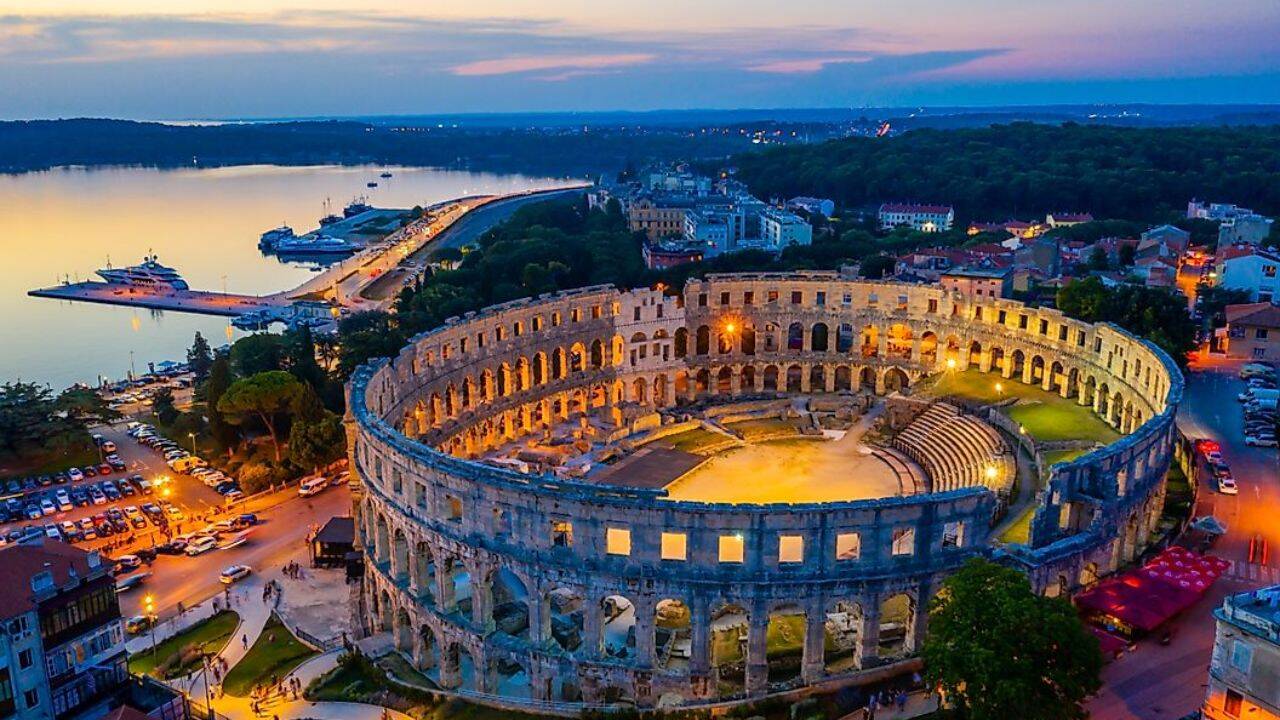
pc: worldatlas
Pula is shaped by its Roman past, although many of its historic landmarks continue to serve modern purposes.
The city's best-known monument is the Pula Arena, one of the world's best-preserved Roman amphitheatres. Rather than standing as a silent archaeological site, it still hosts concerts, film screenings and cultural events throughout the year, keeping the ancient structure closely tied to local life.A short walk away, the Temple of Augustus survives as another reminder of the city's Roman heritage. Beyond the historic centre, the Verudela Peninsula offers coastal paths, beaches and cafés overlooking the Adriatic.
Nearby Brijuni National Park, spread across a group of islands, combines Roman remains, landscaped gardens, archaeological sites and protected wildlife within easy reach of the city.
7. Dubrovnik
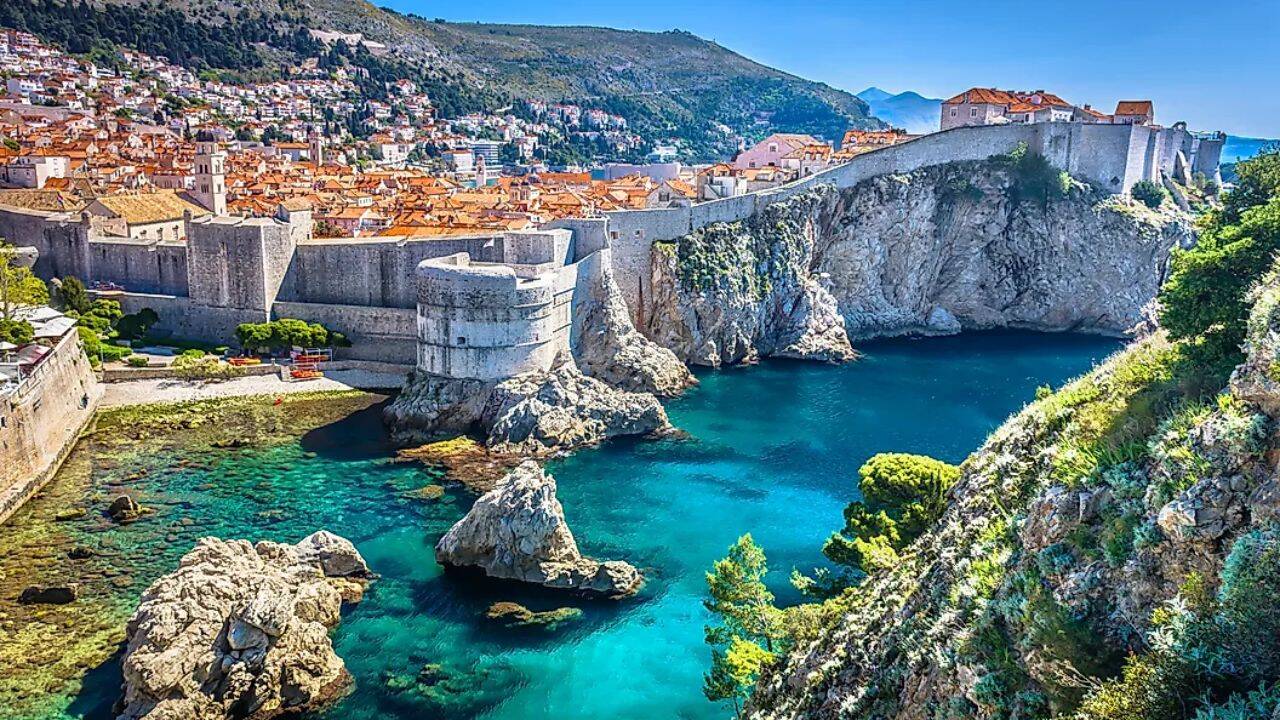
pc: worldatlas
Although Dubrovnik is recognised worldwide for its historic appearance, residents experience far more than its famous skyline. The stone City Walls surround the old centre, offering elevated views across tiled rooftops, churches and the Adriatic Sea.
Early morning walks along the fortifications provide a quieter atmosphere before the busiest hours begin.Just offshore, Lokrum Island offers a peaceful escape with pine woodland, botanical gardens, walking trails and rocky swimming spots. Inside the Old Town, Rector's Palace preserves the history of the former Republic of Ragusa through period interiors, portraits and historical collections. During July and August, the Dubrovnik Summer Festival fills courtyards, squares and historic buildings with theatre, music and dance performances.
8. Šibenik
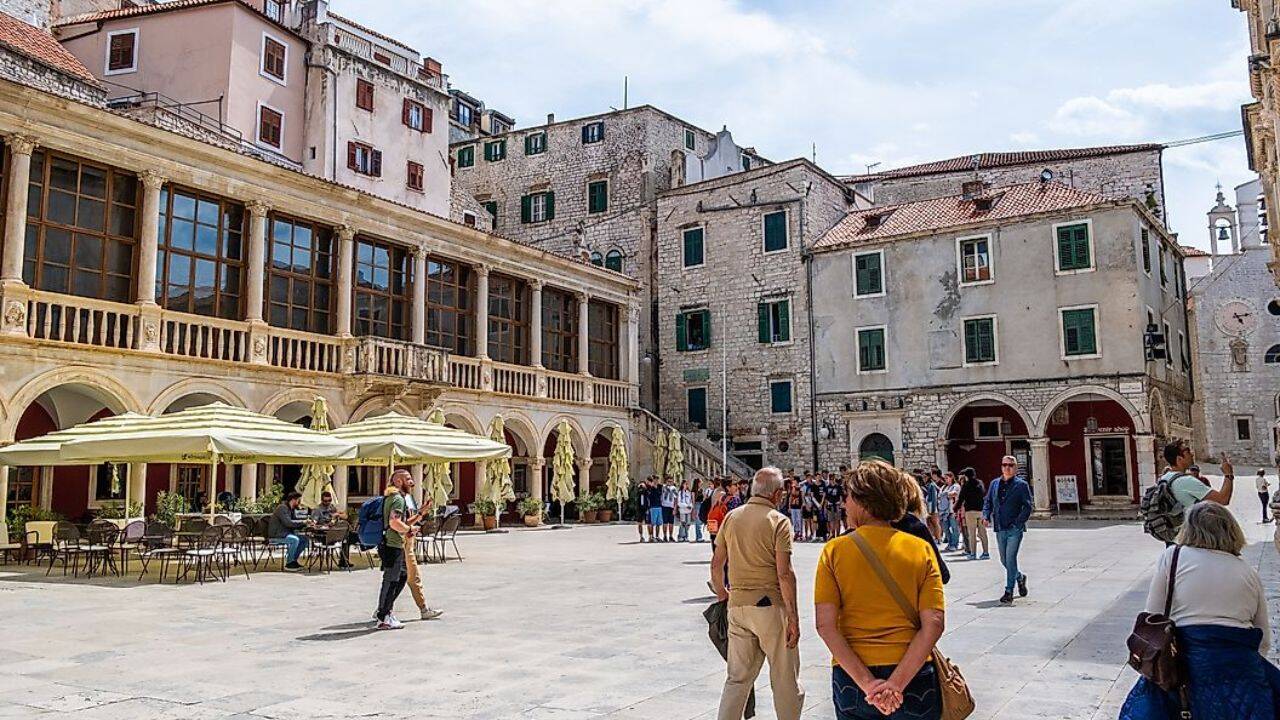
pc: worldatlas
Šibenik provides many of the attractions associated with Croatia's Adriatic coast while maintaining a calmer atmosphere than some of the country's larger seaside destinations. The Cathedral of St. James dominates the historic centre and is recognised as a UNESCO World Heritage Site, admired for its stone construction, Renaissance design and detailed carvings.St. Michael's Fortress rises above the old town and becomes an open-air concert venue during the summer.
Nearby, Barone Fortress combines historical displays with broad views across the city and surrounding islands. A short journey from Šibenik leads to Krka National Park, where wooden walkways wind through forests beside rivers and waterfalls, making regular visits easy for nature lovers.
9. Varaždin
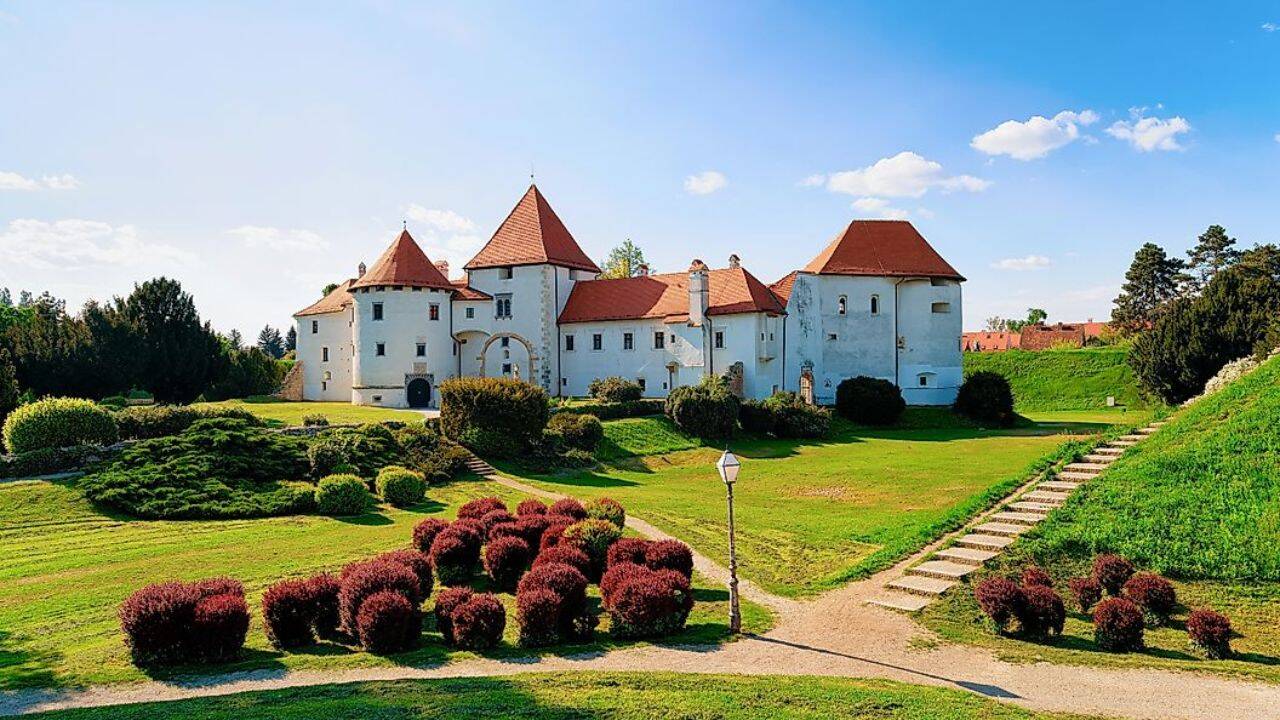
pc: worldatlas
Varaždin is often regarded as one of Croatia's finest inland historic cities. Baroque buildings, colourful façades and landscaped public squares give the centre a distinctive character, while pedestrian streets encourage slow walks through the old town.Stari Grad Castle remains the city's main landmark. Surrounded by gardens and a moat, the medieval fortress now houses the Varaždin City Museum, where exhibitions cover local history, archaeology and art. King Tomislav Square continues to serve as a lively gathering place lined with cafés and historic buildings. Towards the end of summer, Špancirfest brings musicians, artists, performers and food stalls into the streets, while the Gallery of Old and Contemporary Masters displays artwork from different periods.
10. Karlovac
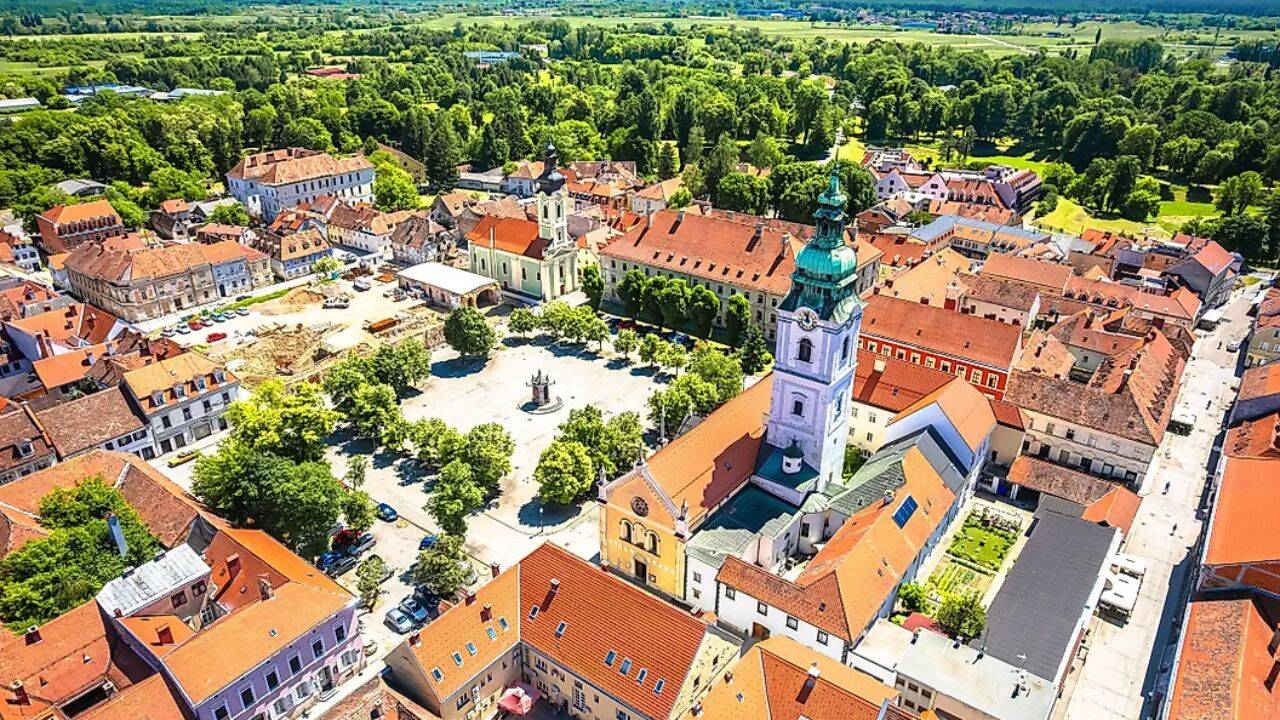
pc: worldatlas
Karlovac is closely connected with its rivers. The Kupa, Korana, Mrežnica and Dobra all pass through or near the city, creating opportunities for walking, cycling, swimming, fishing and kayaking throughout much of the year.Aquatika Freshwater Aquarium introduces visitors to the fish and river ecosystems found across Croatia. Dubovac Castle overlooks the Kupa River from a wooded hill and remains one of the country's best-preserved medieval fortresses.
In the city centre, the historic Star district still follows its original six-pointed Habsburg design, with cafés, churches, shops and public squares forming part of daily life.
During warmer weather, Foginovo Beach becomes a popular riverside meeting place.
11. Slavonski Brod
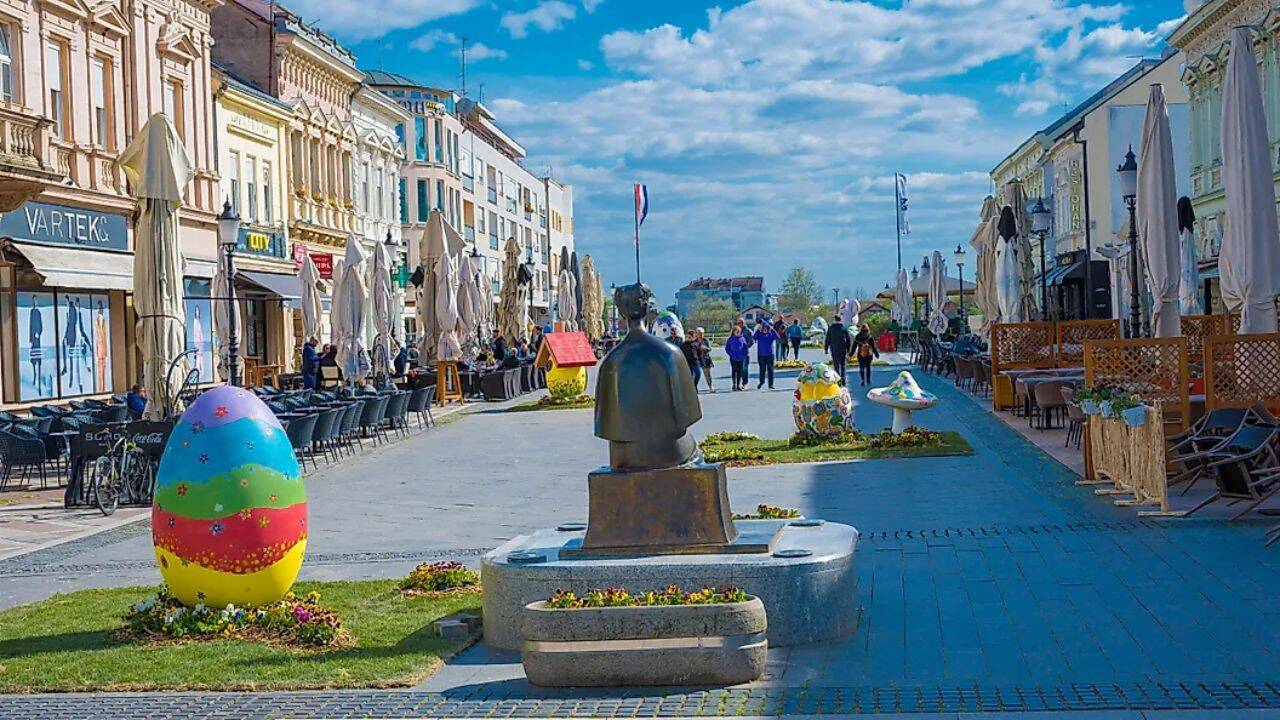
pc: worldatlas
Slavonski Brod offers a quieter pace while still providing plenty to do throughout the year. Brod Fortress, built during the eighteenth century, is among the largest surviving Habsburg defensive complexes in southeastern Europe.
Today it hosts exhibitions, community gatherings and cultural programmes instead of military activity.The Kej promenade follows the Sava River, giving residents pleasant riverside walks with views towards neighbouring Bosnia and Herzegovina. Ivana Brlić-Mažuranić Square remains the city's social centre, where cafés, seasonal markets and public events bring people together. Those interested in local heritage can also spend time at the Brod Posavina Museum, whose collections range from archaeology and ethnography to fine art and regional history.









 English (US) ·