

 1 hour ago
3
1 hour ago
3
ARTICLE AD BOX
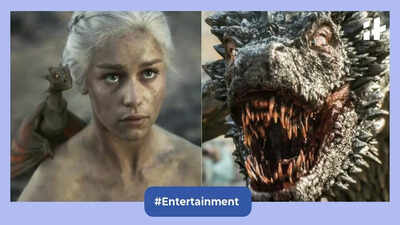
It’s been exactly 15 years since the Game of Thrones first aired on HBO on April 17, 2011. The rest is history – but it’s a history still unfinished. Author George RR Martin has yet to deliver the final two books of his magnum opus, A Song of Ice and Fire, alas. In the meantime, the fantasy television landscape the show revolutionized, has boomed. In the last decade, Game of Thrones proved that audiences would embrace complex, dark fantasy, justifying massive, cinematic production budgets – often exceeding $15–20 million per episode. Streamers invested heavily in sprawling worlds, including, The Lord of the Rings: The Rings of Power, the most expensive television series ever made. Total costs for the first season estimated at roughly $715 million to $1 billion.
Just to understand the scale better, production alone for season one cost approximately $465 million! The now cancelled-The Wheel of Time (seasons 1 and 2) had an estimated total budget exceeding $260 million.
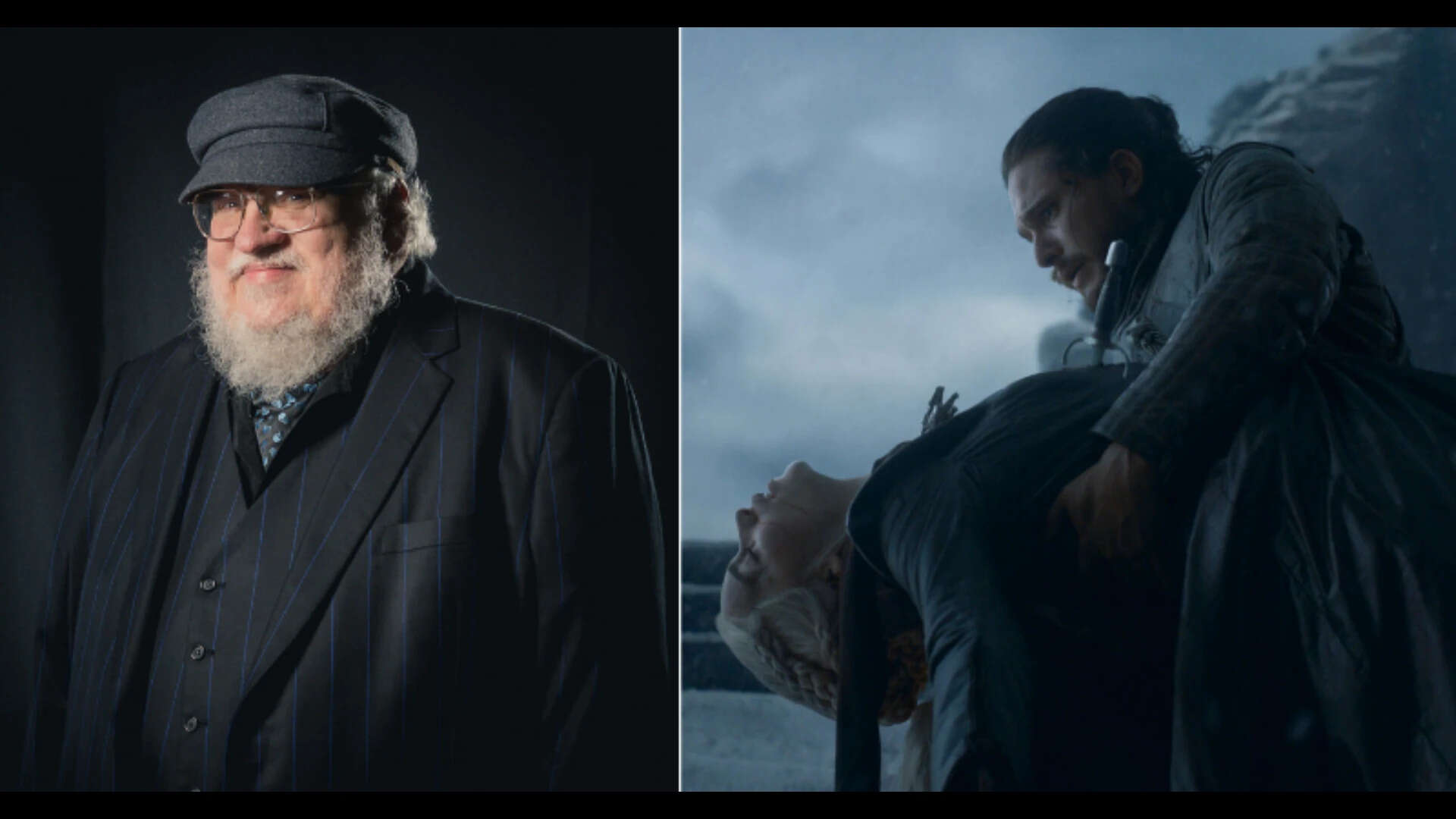
Aghast by the TV ending, author George RR Martin recently said that Game of thrones books will not have the same ending as the show
Thrones-like formula
In the next decade that followed the debut of Game of Thrones, quite a few things worked for the industry to go for the “Thrones-like formula. A generation that grew up on Harry Potter, were suddenly introduced to the same fantasy world.
But this one came with sex, violence and gore to the extent that had not been mainstreamed till the mega success of GoT. These were all complex political, gritty, violence-laden shows with adult themes.
The series made epic fantasy feel adult, sophisticated, and culturally significant without descending into juvenile escapism. It wasn’t merely dragons and swords. It was brutal politics, layered betrayals, the corrupting nature of power, and the heavy weight of consequence.
Death wasn’t cheap; choices carried permanent scars. Characters like Ned Stark, Tyrion Lannister, and Daenerys Targaryen felt richly human amid the spectacle.On television, audiences had not watched the high standards of special effects, detailed costumes, and immersive world-building, all of which became the standard for modern fantasy.
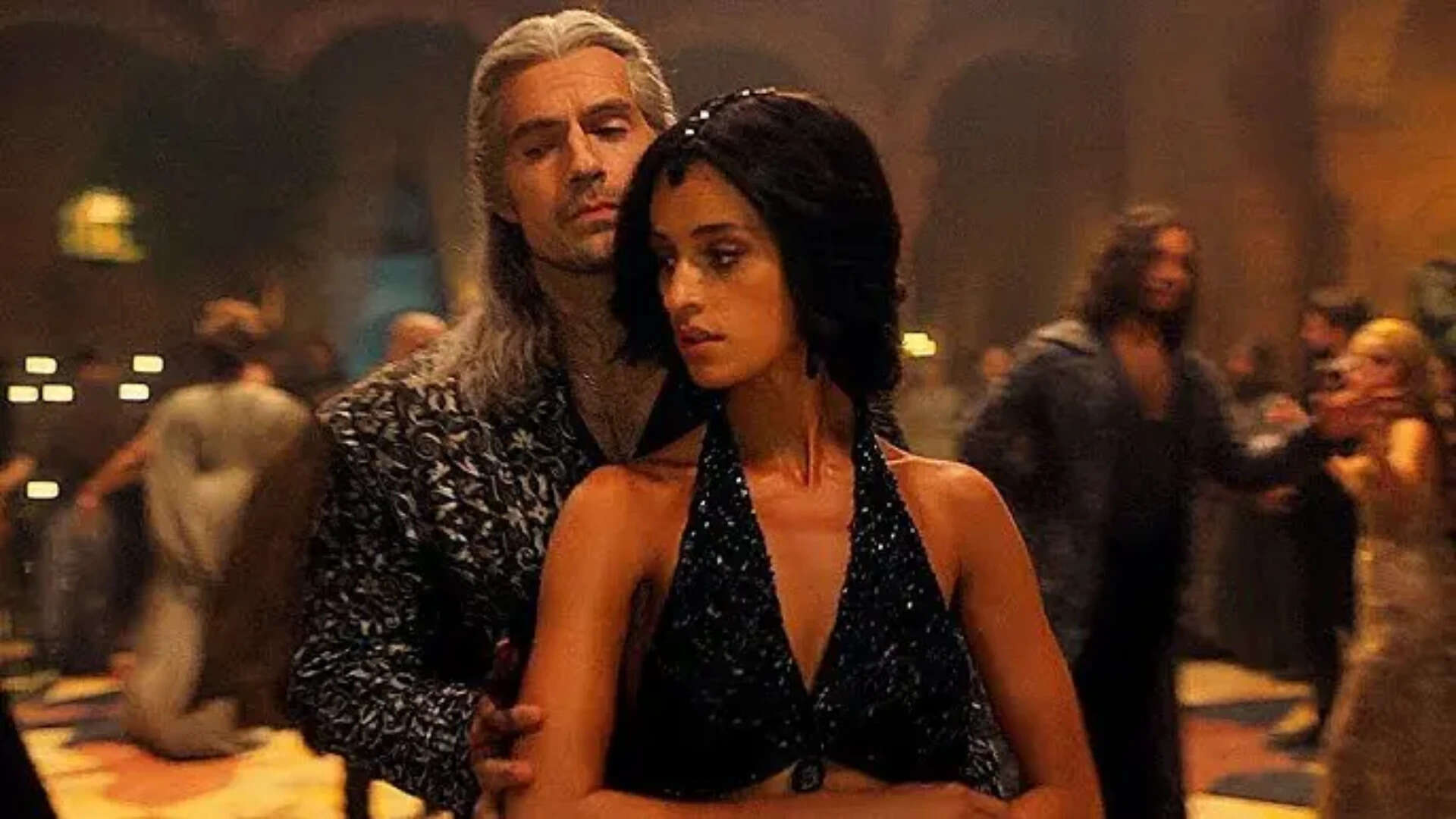
Andrzej Sapkowski, author of The Witcher, has repeatedly thrown passive barbs at the TV version of his book
The mainstreaming of sex, violence, and spectacle
Game of Thrones didn’t invent explicit content in prestige drama per se, but it did normalize it within the fantasy genre on an unprecedented scale.
And for a time, this felt liberating – a rejection of the sanitized, often childish fantasy that preceded it. 'The Red Wedding' wasn’t mere gore; it was a devastating narrative gut-punch that shattered viewer expectations and underscored the story’s themes of fragile alliances and cyclical vengeance.
This blueprint influenced a wave of successors (Wheel of Time, The Witcher, Shadow and Bone, The Rings of Power) often with diminishing returns. Many equated “mature” fantasy with gratuitous explicitness rather than emotional or philosophical complexity.
The result was visually impressive but emotionally thinner storytelling.
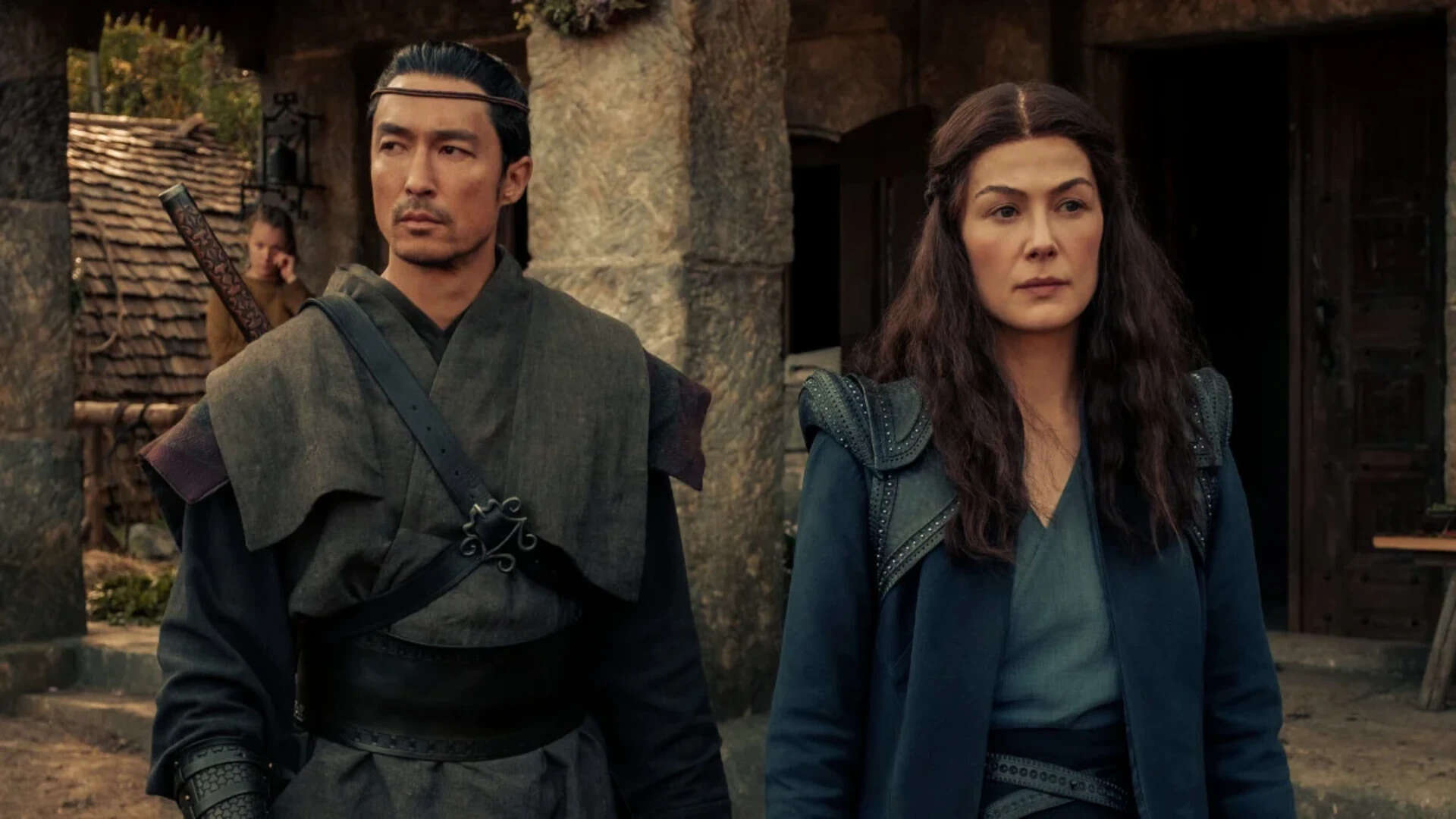
Brandon Sanderson, co-author of The Wheel of Time, has said of the TV show: Fans deserved better.
Fractured fandom, waning audience
Cut to 2026, while we are celebrating 15 years of Thrones, the fantasy fandom has become too fractured. There are a few reasons for the change in the fandom. Recent commentary from authors highlights a troubling trend: many high-profile adaptations have drifted from their source material, turning into studio-driven projects rather than faithful interpretations. From Martin to Andrzej Sapkowski (author of The Witcher) and Brandon Sanderson (co-author of The Wheel of Time) have grown increasingly vocal about unfaithful changes.Sanderson, recently said: “I had my problems with the show… it had a fan base that deserved better” The creator of the God of War video game, David Jaffe, took apart a first-look photo from the upcoming television adaptation. Sapkowski, who has repeatedly thrown passive barbs at the TV version of his book, The Witcher, said: (the streamer “never listened to me” and “I cannot praise the show, it wouldn’t be decent). Martin, after years of silence about that Game of Thrones later seasons "he wasn’t thrilled with" , unleashed his anger about the direction Condall took in House of the Dragon, which is based on his book, Fire and Blood. He said in an interview to The Hollywood Reporter: “We got into season two, and [Condal] basically stopped listening to me. I would give notes, and nothing would happen.”
These critiques underscore a broader pattern. Adaptation is never pure transcription—changes are inevitable for the medium—but when source material becomes a loose suggestion rather than a guiding star, the soul of the story risks dilution. As Martin has argued elsewhere, the best adaptations (like director Peter Jackson’s Lord of the Rings films) make smart changes that ultimately serve and enhance the core narrative.There was a time when seeing dragons on screen felt extraordinary. Today, they are almost expected in big-budget fantasy. Post-Game of Thrones, ambitious projects promised interconnected universes and world-ending stakes. But oversaturation has consequences. Audiences, once hungry for the genre, now feel overwhelmed by similar-sounding epics. Viewership data reveals nuance in this fatigue. House of the Dragon Season 2 saw respectable but declining numbers compared to its debut.
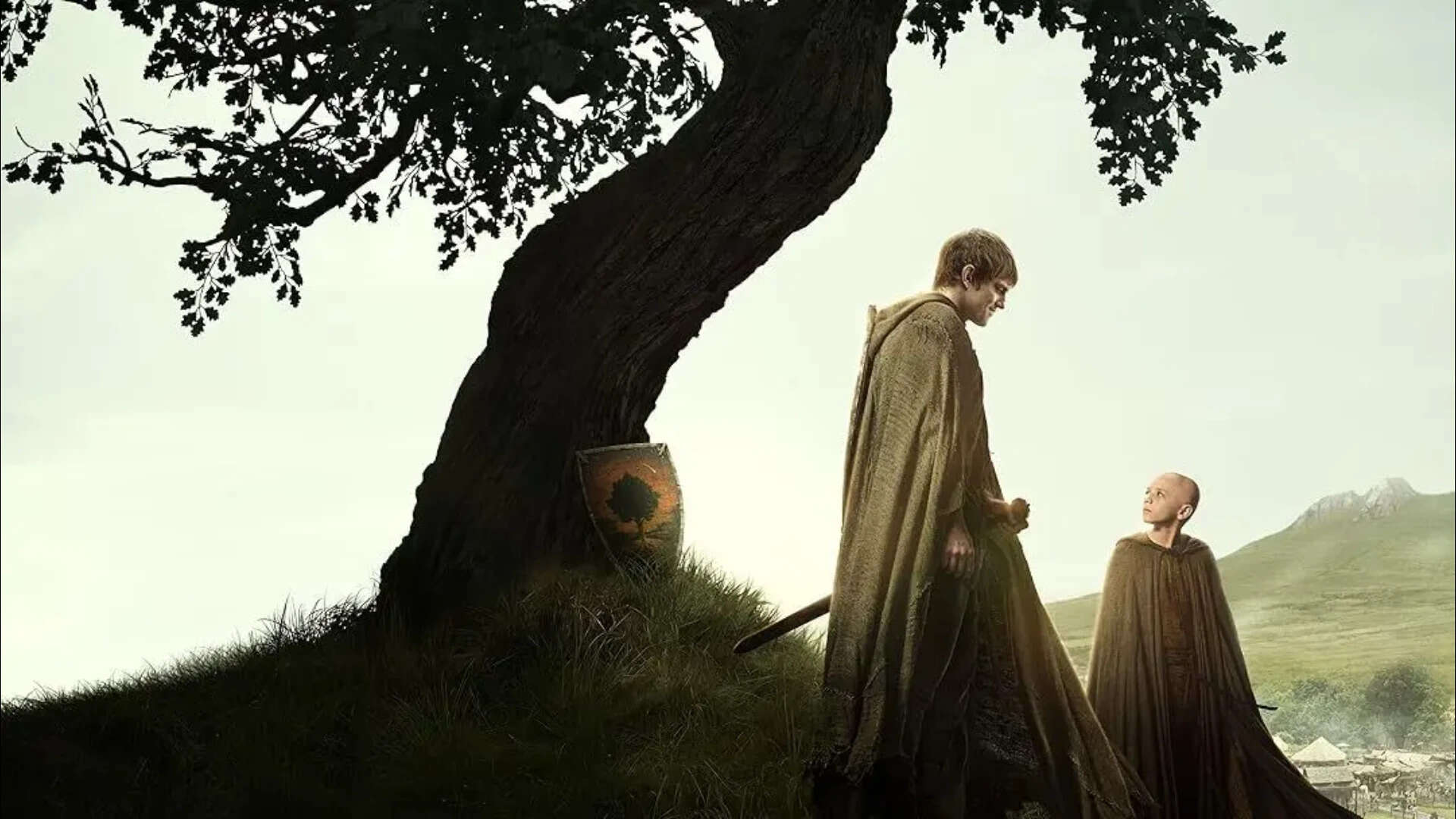
TV show A Knight of the Seven Kingdoms, taken from Martin's Dunk and Egg novellas has done well not because of a massive budget but its focus on storytelling.
In contrast, A Knight of the Seven Kingdoms—a smaller-scale, more grounded series based on Martin’s Dunk and Egg novellas—has performed strongly, averaging nearly 13 million US viewers per episode and over 24-26 million globally. Good show, but it’s no Game of Thrones-style success. There’s an exhaustion that has set in. A genre that once felt expansive, imaginative, and narratively daring has, in many of its modern adaptations, narrowed into something predictable, sensational, and often less faithful to its literary roots.This isn’t mere nostalgia for an era when dragons felt rare and magic felt earned. It’s about how a genre built on slow world-building, moral ambiguity, and intricate politics became synonymous with shock value, where sex and violence shifted from powerful narrative tools to obligatory selling points. And now, the question feels unavoidable: has the audience moved on, or has the genre simply stopped evolving in meaningful ways?
The early seasons (especially the first four) respected Martin’s pages. Dialogue often lifted directly from the books carried authentic weight because it was grounded in deep character psychology and moral grayness. Those seasons remain benchmarks for literary adaptation on television – ambitious yet disciplined. That is not the case anymore.
The peculiar ‘streaming’ problem
Then there’s that factor called streaming, which brings its own sets of challenges. Almost all platforms crave constant content, pressuring productions into rushed development. Here’s what they don’t understand: Epic fantasy thrives on patience: intricate plots, slow-burn character arcs, and immersive lore don’t lend themselves to assembly-line pacing. Early Game of Thrones trusted viewers to engage deeply. Many modern entries prioritize immediacy and bingeability, often at the cost of coherence. So, the rise of digital platforms has transformed the production and consumption of fantasy, but almost always at the expense of narrative quality and depth. Viewers now feel “rushed through”. Plus, since streaming platforms face a relentless demand for content, it has led to a “quantity over craft” approach. To meet the constant need for new material, studios often lean on familiar tropes and "boxes to tick" (read explicit content or predictable ‘epic stakes’) to maintain cultural relevance. This makes different fantasy worlds feel interchangeable, as they are built following a "guaranteed formula" rather than unique artistic vision.
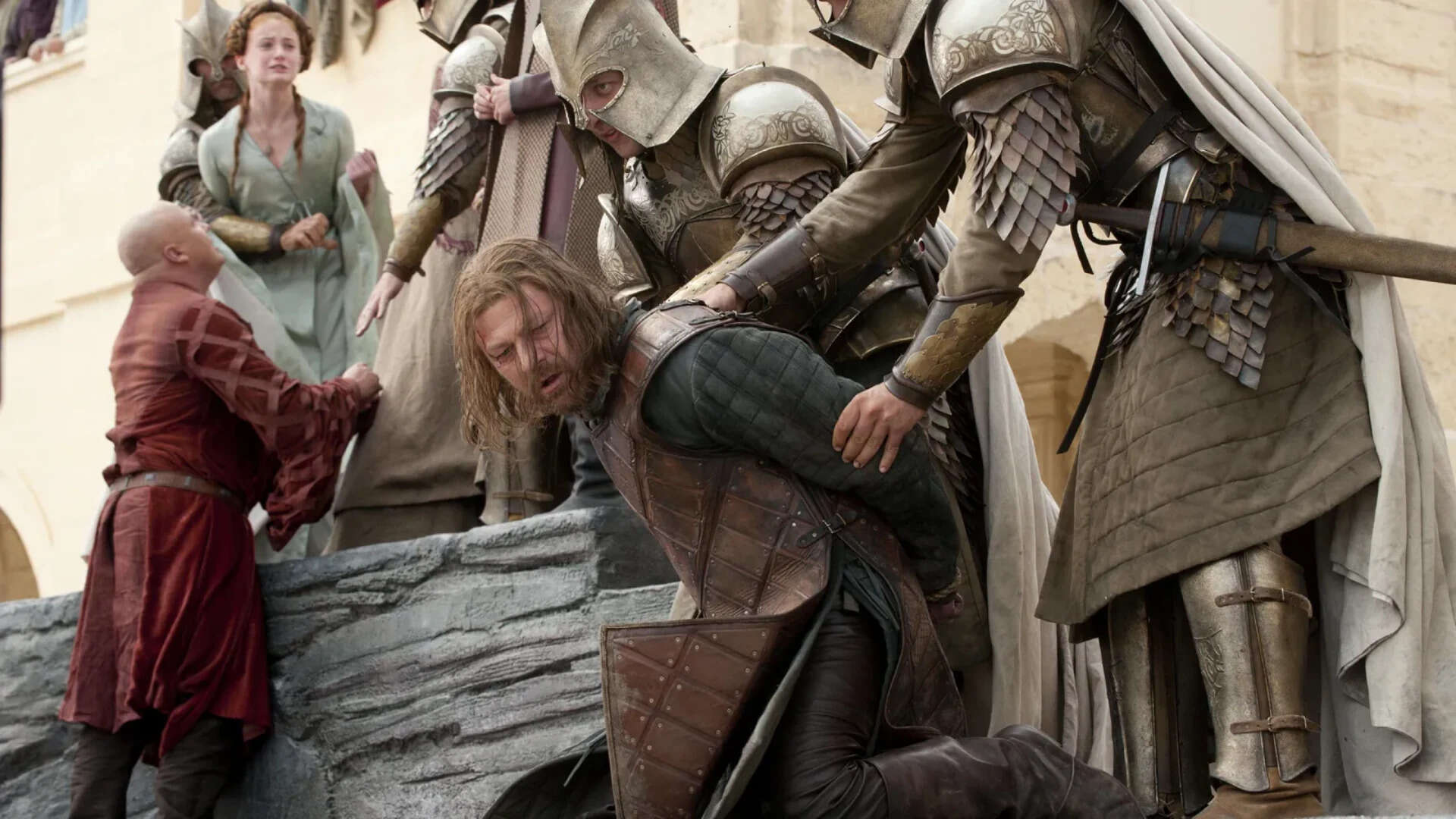
The unforgettable ending of Game of Thrones Season 1, which altered audience's perception of what the fantasy genre is all about
Early Game of Thrones had also mastered restraint. Battles were infrequent but devastating when they arrived; horror and wonder were built gradually, not thrown at the audience's face “just for effect”. But the streaming effect has created an "emotionally thin" world where immersive world-building has been sacrificed for speed, scale and spectacle and shock value.
Fidelity over shock value
This has fueled a wider reckoning. Fantasy authors, empowered by social media and passionate readerships, are adaptations of their work as mere IP fodder. The algorithm game is not sitting pretty with them. It’s ironic because the streaming era’s longer formats should have ideally allowed greater source material-fidelity (eight- or ten-hour seasons that could preserve nuance that films sacrifice) yet too often, “challenging” elements are smoothed for broader appeal.Positive counterexamples do exist. JK Rowling’s active involvement as executive producer in the new Harry Potter TV series, to be released this December, has fans optimistic about faithfulness. A Knight of the Seven Kingdoms demonstrated that grounded, character-focused storytelling within the Westeros universe can still captivate without relying on endless dragons or gore. Today, viewers approach new fantasy entries with healthy skepticism rather than blind enthusiasm. They want coherence, respect for the source, and stories that reward investment.
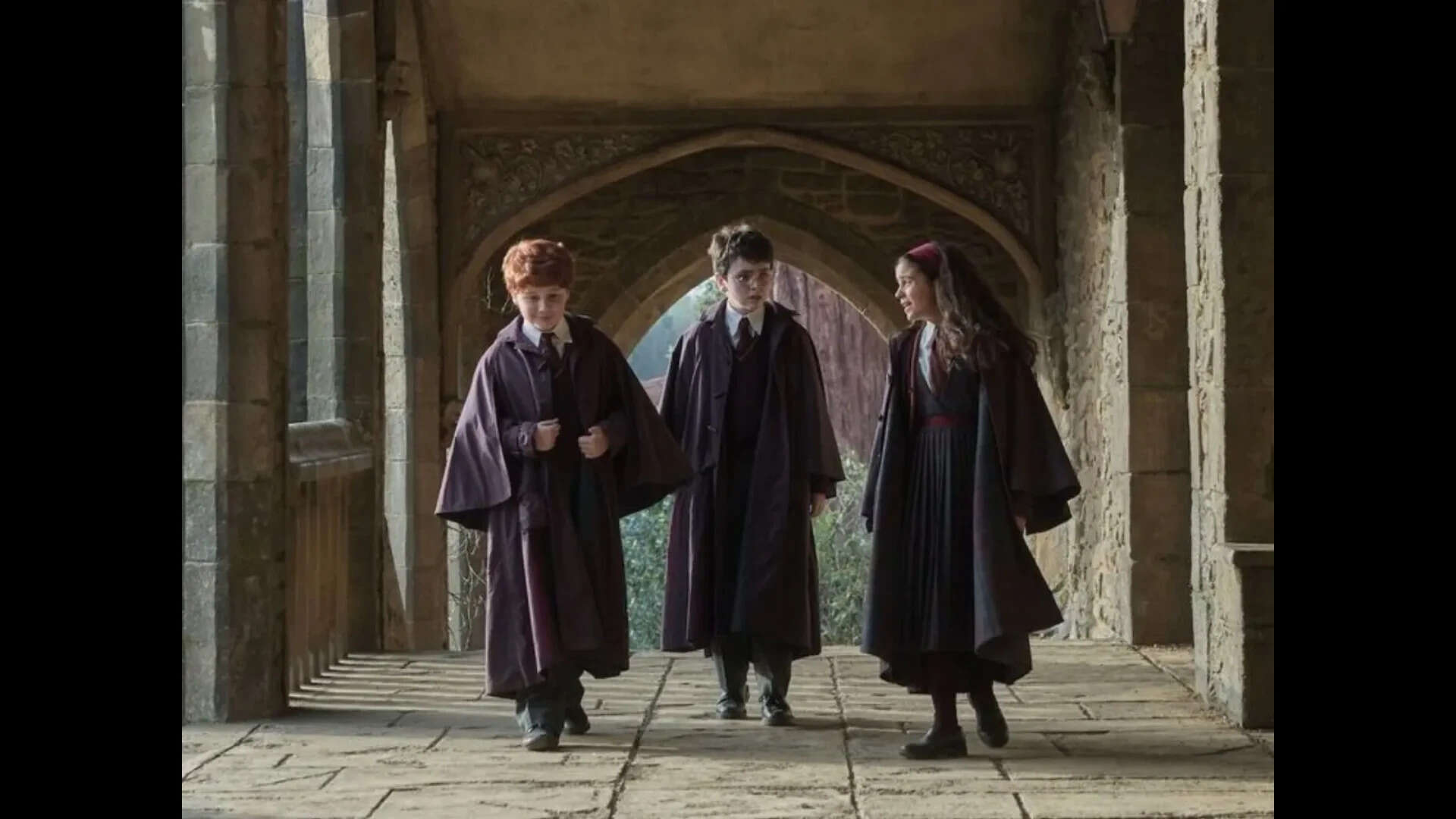
JK Rowling's Harry Potter, the TV series, will have eight episodes each season, and promises to be a faithful adaptation of the books
This demand isn’t a death knell for the genre; it’s a maturation. Signs of a potential reset are visible: projects doubling down on visual scale alongside quieter efforts recapturing literary depth. Upcoming entries—like continued House of the Dragon seasons and potential new Westeros tales, like the movie Aegon’s Conquest—will test which path prevails.
The end of an era, or a mature reset?
Audiences crave what made early Game of Thrones (and great fantasy literature) compelling: strong writing, morally complex characters, immersive worlds built with discipline and patience—not louder dragons or more gratuitous shocks. If the genre sometimes feels like it’s waning, the fatigue may not be with fantasy itself, but with poorly told or overly reinvented versions of it. The distinction is crucial.The past 15 years offer a clear lesson: treat source material as gospel rather than a disposable framework. Source material-fidelity isn’t creative limitation, rather it’s the bedrock of genuine immersion and emotional resonance. Authors like Martin, Sapkowski, and Sanderson remind us that the best adaptations honor the text while thoughtfully translating it.Right now, fantasy stands at a crossroads. Creators and studios can continue down paths of ego-driven reinvention and trend-chasing, or they can recommit to the literary roots that made the genre enduringly powerful over years, sometimes a century. The dragons may have landed spectacularly, but the real magic was always in the words on the page – the intricate plots, the human truths wrapped in myth and the slow-burn wonder.





 English (US) ·