

 5 days ago
10
5 days ago
10
ARTICLE AD BOX
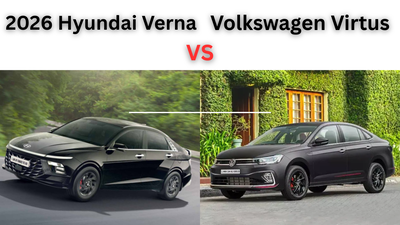
Hyundai India recently launched the updated 2026 Hyundai Verna facelift sedan in the Indian market. This marks the first facelift for the sedan since its 2023 launch and brings cosmetic upgrades, new features, added safety, and more.
Interested customers can book the sedan online or at their nearest dealership; deliveries are expected to begin soon. The sedan continues to compete with the Honda City, the VW Virtus, and the Skoda Slavia. In this article, let’s compare the 2026 Hyundai Verna with the Volkswagen Virtus.
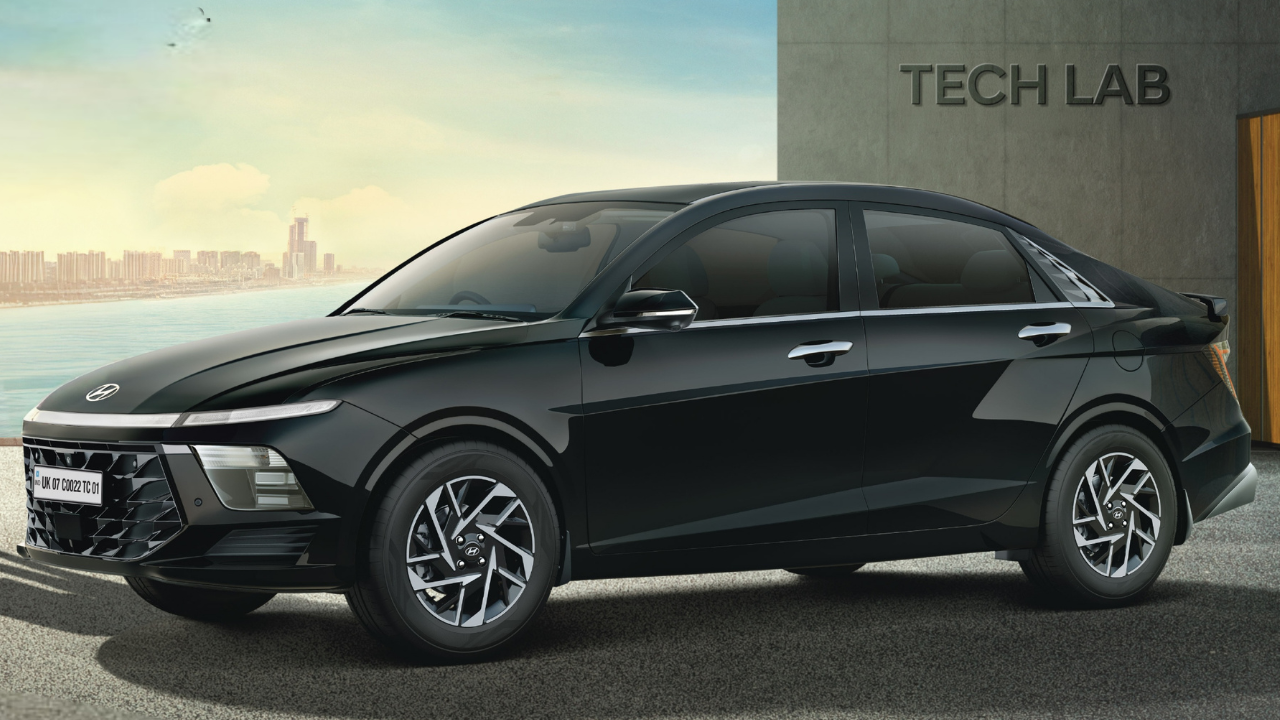
2026 Hyundai Verna vs Volkswagen Virtus: Price, Variants The 2026 Hyundai Verna is offered in six variants - The updated Verna also receives new variant names and is offered in six variants - HX2, HX4, HX6, HX6+, HX8, and HX10.
Prices for the new Verna range between Rs 10.98 lakh and Rs 18.25 lakh (both prices ex-showroom). The Volkswagen Virtus is offered in seven variants - Comfortline, Highline, Highline Plus, GT, GT line, topline and GT Plus. The sedan is priced between Rs 10.5 lakh and Rs 19 lakh (both prices ex-showroom).
The Hyundai Verna is Rs 0.48 lakh more expensive at the base (Rs 10.98 lakh vs Rs 10.5 lakh) but Rs 0.75 lakh cheaper at the top end (Rs 18.25 lakh vs Rs 19 lakh) compared to the Volkswagen Virtus, while the Virtus also offers one additional variant (7 vs 6).
Mercedes-Benz CLA Electric India Plans: In Conversation with Santosh Iyer | TOI Auto
2026 Hyundai Verna vs Volkswagen Virtus: Engine options The Hyundai Verna is offered with two petrol engine options - a 1.5 litre NA petrol with 113 hp of power and 144 nm torque, gearbox options include a 6-speed manual or a CVT automatic. Another engine option is a 160 hp, 253 nm 1.5-litre turbo petrol with a 6-speed manual or a 7-speed DCT. Talking about the Virtus, it’s offered with two petrol engine options - a 1.0-litre, 3-cylinder, turbo petrol with 114 hp of power and 178 km torque, gearbox options include a 6-speed manual or a 6-speed torque converter automatic.
Another engine is a 1.5-litre, 4-cylinder, turbo petrol with 150 hp, 250 mm, gearbox options include only a seven-speed DSG automatic. The turbo-petrol engine in the Hyundai Verna produces 160 hp and 253 Nm, giving it an advantage of 10 hp and 3 Nm over the Volkswagen Virtus’ 1.5-litre turbo petrol unit, which delivers 150 hp and 250 Nm. The base engines are closely matched, with the Verna producing 113 hp and the Virtus 114 hp.
However, the Virtus has more torque.
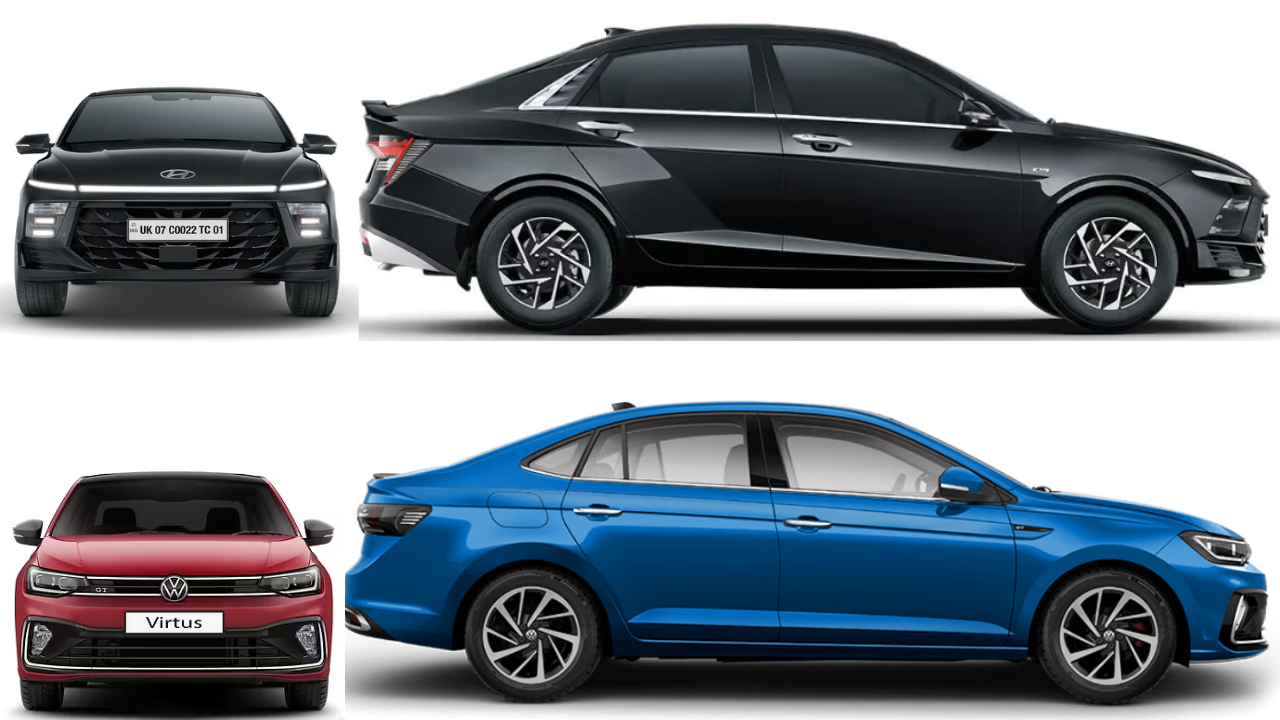
2026 Hyundai Verna vs Volkswagen Virtus: Dimensions Comparing dimensions next, the Hyundai Verna measures 4,565 mm in length, 1,765 mm in width and 1,475 mm in height, with a wheelbase of 2,670 mm. It has a ground clearance of 165 mm and 528 litres of boot space. The Volkswagen Virtus measures 4,561 mm in length, 1,752 mm in width and 1,507 mm in height, with a wheelbase of 2,651 mm, a ground clearance of 179 mm and a boot space of 521 litres.
The Hyundai Verna is 4 mm longer, 13 mm wider and has a 19 mm longer wheelbase than the Volkswagen Virtus.
The Virtus, however, is 32 mm taller and offers 14 mm more ground clearance. The Verna also provides slightly more boot space at 528 litres, compared with 521 litres in the Virtus.2026 Hyundai Verna vs Volkswagen Virtus: FeaturesThe 2026 Hyundai Verna features dual 10.25-inch screens - one for infotainment another for digital cluster, 8-way power driver seat adjust, connected car tech, rain-sensing wipers, a 4-way powered front passenger seat, powered boss mode for the front passenger seat, front parking sensors, auto-dimming IRVM, push-button start, height-adjustable front seatbelts, LED projector headlamps, rear window sunshades, wireless phone charger, ambient lighting and electrically foldable ORVMs, an 8-speaker Bose sound system, front seat ventilation, electric sunroof, wireless Apple CarPlay and Android Auto, automatic climate control and more.
Safety features include seven airbags, hill start assist, ABS, EBD, ESC, a 360-degree camera, a blind view monitor, a dash cam, level 2 ADAS and more.
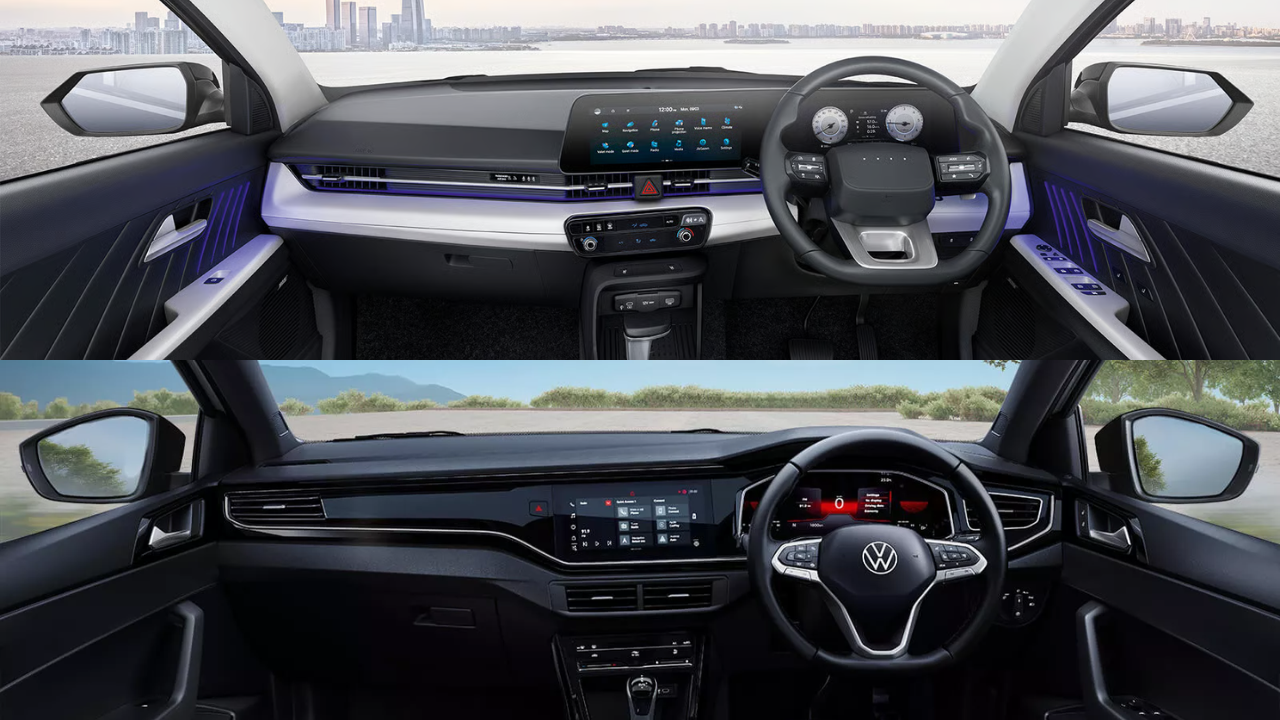
Talking about the features in the Virtus, it gets a 10.1-inch touchscreen infotainment system and an 8-inch digital instrument cluster, along with wireless Apple CarPlay and Android Auto. Other features include ventilated front seats, an electric sunroof, automatic climate control, push-button start, a wireless phone charger, cruise control, rain-sensing wipers, an auto-dimming IRVM, electrically foldable ORVMs, LED headlamps and tail lamps, ambient lighting and an eight-speaker sound system.
Safety equipment includes six airbags, ABS, EBD and electronic stability control. It also gets hill hold control, rear parking sensors, a rear-view camera, a tyre pressure monitoring system and ISOFIX child seat mounts.








 English (US) ·