

 1 hour ago
3
1 hour ago
3
ARTICLE AD BOX
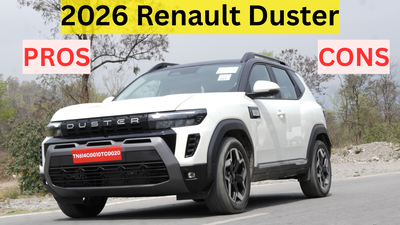
Renault India recently launched the new 2026 Renault Duster SUV in the Indian market. Pre-bookings for the new Duster are already underway. Interested customers can book the SUV online or at their nearest dealership.
The SUV is offered in five variants - authentic, evolution, techno, techno plus and iconic with prices ranging from Rs 10.29 lakh to Rs 18.09 lakh (both prices ex-showroom). The starting price of Rs 10.29 lakh is applicable for customers who pre-book their cars by March 2026; after that, the standard price starts from Rs 10.49 lakh (ex-showroom).
Watch
Renault Duster Drive Review: Sukhoi SU-30 MKI of Indian SUVs! | TOI Auto
Originally introduced in 2012, the Duster was a pioneer that reshaped India’s compact SUV segment, laying the foundation for what would become one of the fastest-growing categories, now representing nearly one-fourth of the country’s passenger vehicle market.
And now, the 2026 Renault Duster is set to reignite one of the most celebrated nameplates in India’s SUV landscape. In this article, let’s take a look at the pros and cons of the new Renault Duster.
Pros Rugged design with true SUV proportions The new Renault Duster comes across as a proper SUV, with a rugged design and well-defined proportions. It has a more upright stance, a stronger road presence and a boxier silhouette, all of which give it a more authentic SUV character rather than a raised hatchback look.
The company has also made specific design changes to better suit the SUV for the Indian market while retaining the overall silhouette of the third-generation global model.
The India-spec SUV gets redesigned headlamps with eyebrow-shaped LED daytime running lights that also function as turn indicators. It features a revised grille with prominent Duster badging, replacing the Renault logo, along with a front bumper that uses a protruding silver surround and pixel-style fog lamps.
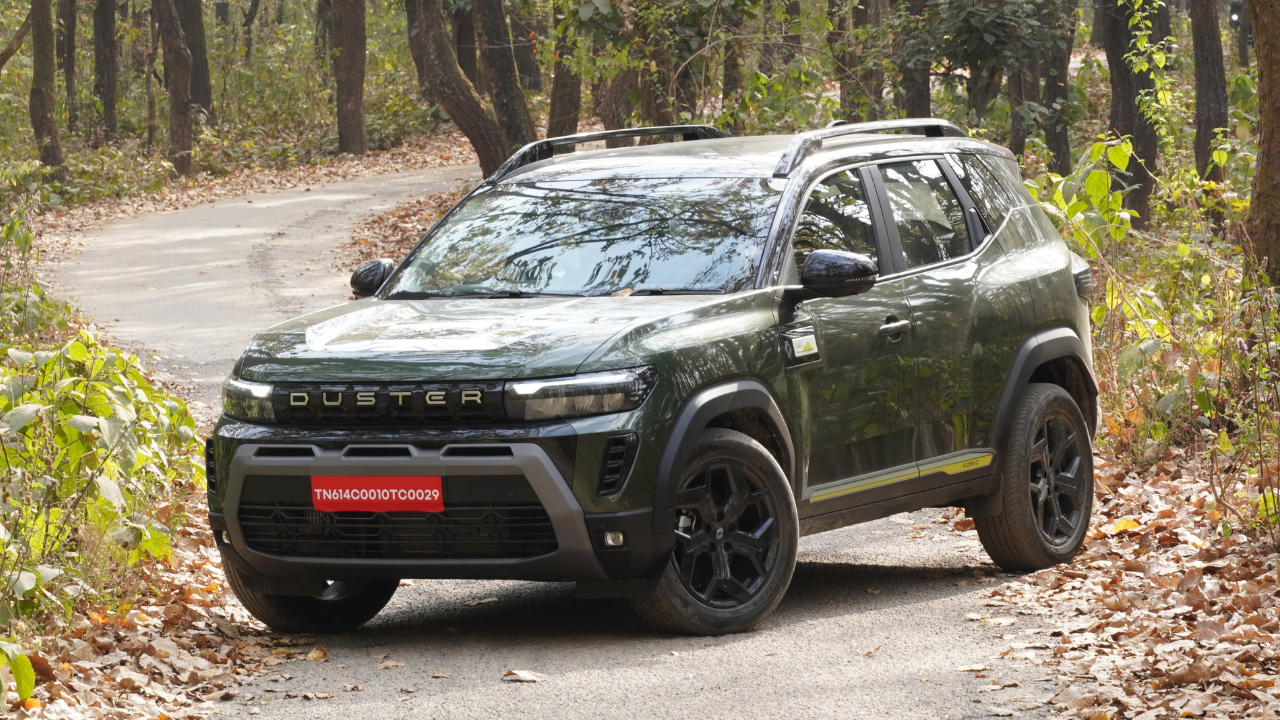
From the side, the Duster carries black cladding over the wheel arches and lower body, C-pillar-mounted rear door handles, and functional roof rails. At the rear, triangular tail-lamps are linked by an LED light bar not seen on the global version. Additional changes include a roof-mounted spoiler, a textured licence plate housing and a black rear bumper with a silver insert.Punchy turbo-petrol engine The new Duster is offered in three engine options - a 1.0-litre, 3-cylinder turbocharged petrol engine with 100 PS power and 160 nm torque paired with a 6-speed manual gearbox.
Another engine is a 1.3-litre, 4-cylinder, turbocharged petrol with 163 PS power and 280 nm torque paired with a 6-speed DCT or a 6-speed manual. There’s also a bigger 1.8-litre strong hybrid petrol engine with 109 hp paired with a 49hp electric motor and a 20hp hybrid starter generator (HSG), paired with a 1.4kWh (280V) battery.
Together, this configuration delivers a combined system output of 160hp and 172Nm.
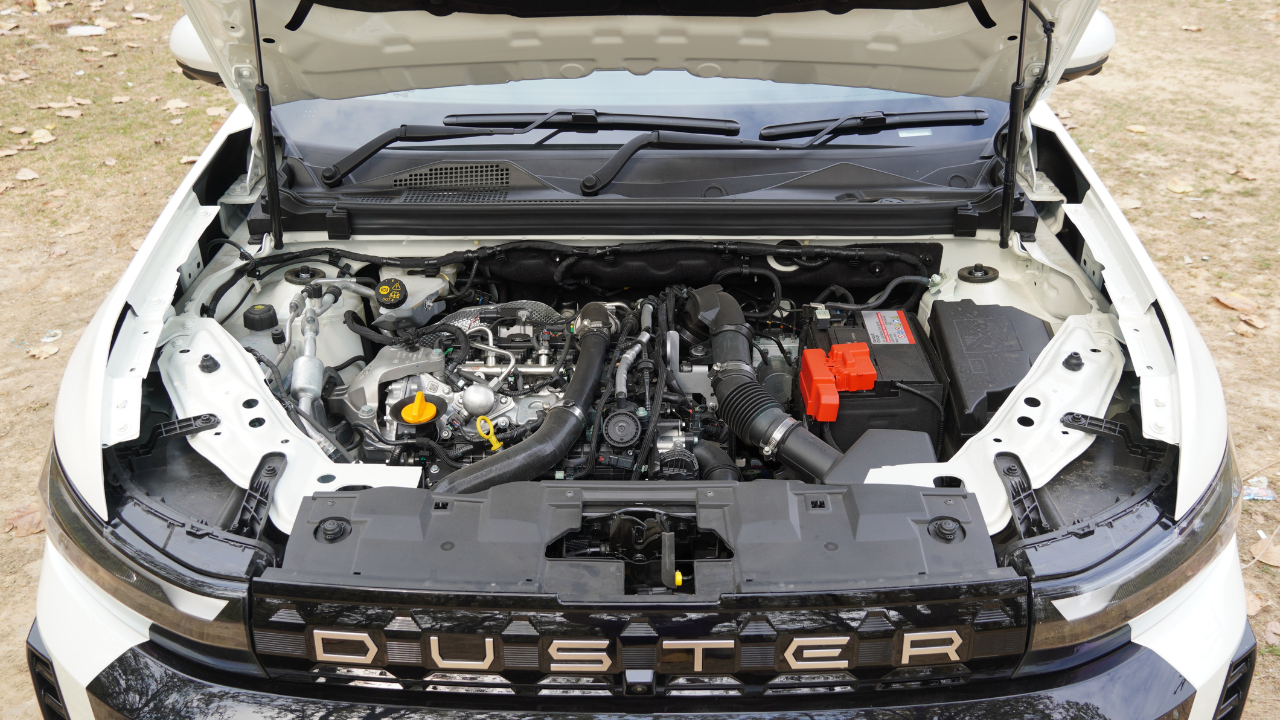
The 1.3-turbo petrol engine developed in collaboration with Daimler (Mercedes-Benz) has a strong performance with segment-leading 163 hp power and 280 nm torque.
The engine delivers strong and smooth performance, with a clear surge of power during acceleration. The mid-range remains robust, aiding drivability. It also gains speed quickly, requiring attention to speed levels.Solid build quality and good ride comfortThe Duster features a robust body structure, with well-fitted panels and a solid feel in operation. The construction emphasises durability, with materials chosen for strength and long-term use.
Surfaces across the exterior and cabin appear hard-wearing, indicating a focus on reliability rather than lightness. Overall, the build quality highlights durability and sturdiness. Inside, the cabin appears well assembled, with minimal rattling and a focus on durability.
Overall, the SUV prioritises strength and robustness, offering a stable and dependable driving experience.The Duster delivers a comfortable ride, with a suspension setup that manages rough roads effectively.
It absorbs bumps well, reducing the impact of uneven surfaces on occupants. The vehicle remains stable across conditions, providing a smooth experience in both urban and highway driving. Overall, the focus is on maintaining ride comfort over different road surfaces.
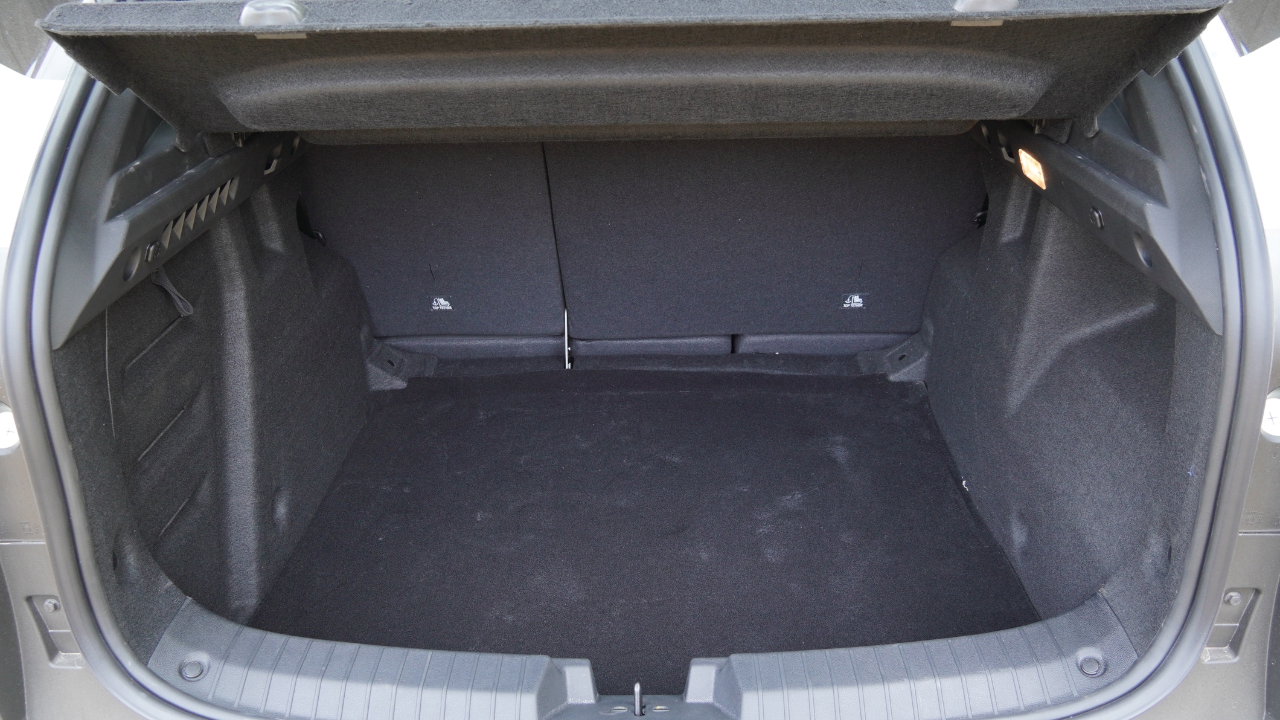
Best boot space in its segmentThe Duster offers a 518-litre boot up to the parcel shelf, among the largest in its segment. The space is well-shaped and supports carrying multiple or larger items.
It also features a practical layout with a wide opening and a flat loading area, improving ease of use. Overall, the design focuses on usability for both daily needs and longer journeys.Backed by a 7-year/1,50,000 km warranty The 2026 Renault Duster is offered with a 7-year or 1,50,000km warranty under the Renault Forever programme, combining a standard 3-year cover with a 4-year extended plan. The additional warranty is linked to scheduled servicing at authorised workshops and is transferable to subsequent owners, supporting long-term ownership.Cons No diesel engine on offer The earlier Duster offered a diesel engine, which contributed to its demand in India. Diesel options remain relevant in this segment, with several rivals continuing to offer them due to their efficiency and suitability for long-distance use. The new Duster replaces this with a strong hybrid powertrain. While the hybrid offers efficiency and lower emissions, it may not meet the expectations of buyers who prefer diesel for higher running needs.
The absence of a diesel option could affect the model’s market position, as demand for diesel SUVs remains strong in India.
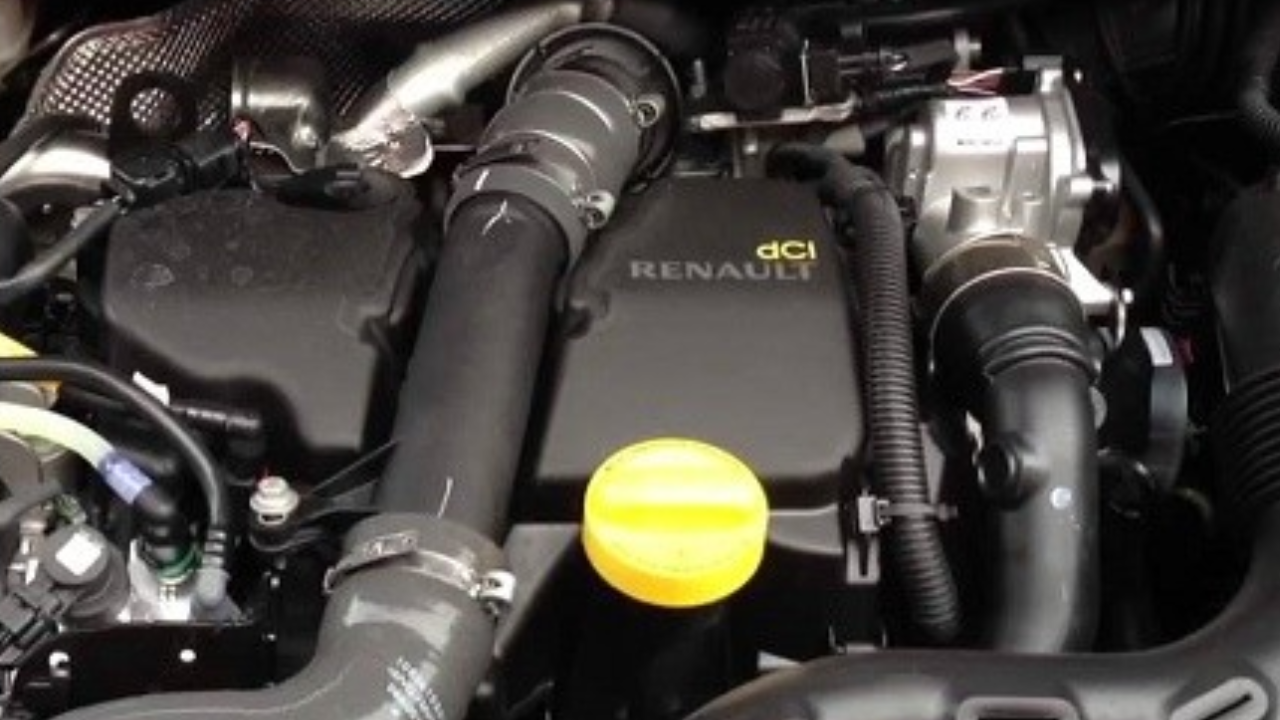
No AWDThe earlier Duster offered an all-wheel-drive option, strengthening its appeal as a capable SUV for varied driving conditions. AWD remains relevant in this segment, with some rivals continuing to offer it for improved traction and versatility. The new Duster does not feature an all-wheel-drive system, which may limit its appeal for buyers seeking better performance on challenging surfaces.
The absence of AWD could affect its positioning, as capability continues to be a consideration for some buyers in this segment.
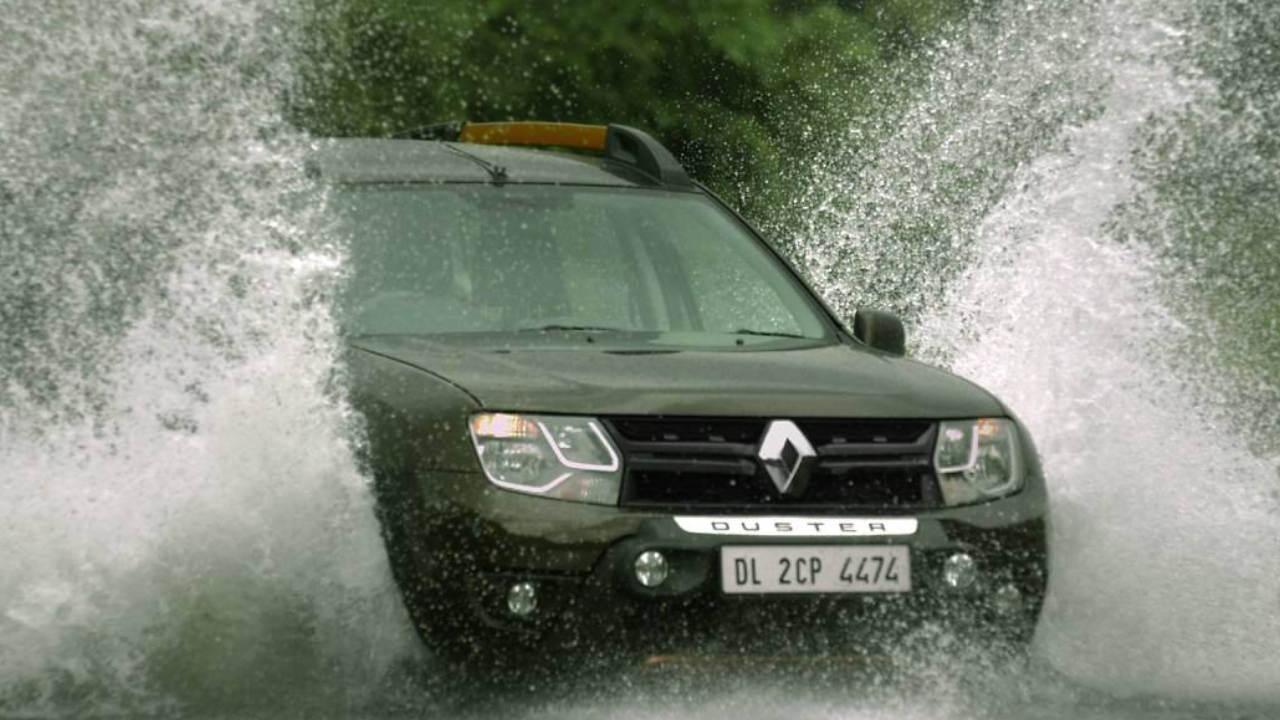
Misses out on a standard spare wheel The Duster does not include a spare wheel as standard and instead comes with a tyre puncture repair kit. While this reduces weight and may improve space efficiency, it may not be practical in all conditions. The kit is suited for minor punctures but may not be effective in cases of major tyre damage.
This could be a concern for users driving on long routes or poor road surfaces. The absence of a spare wheel may affect convenience, especially in markets where road conditions vary, making it a potential drawback for everyday use.
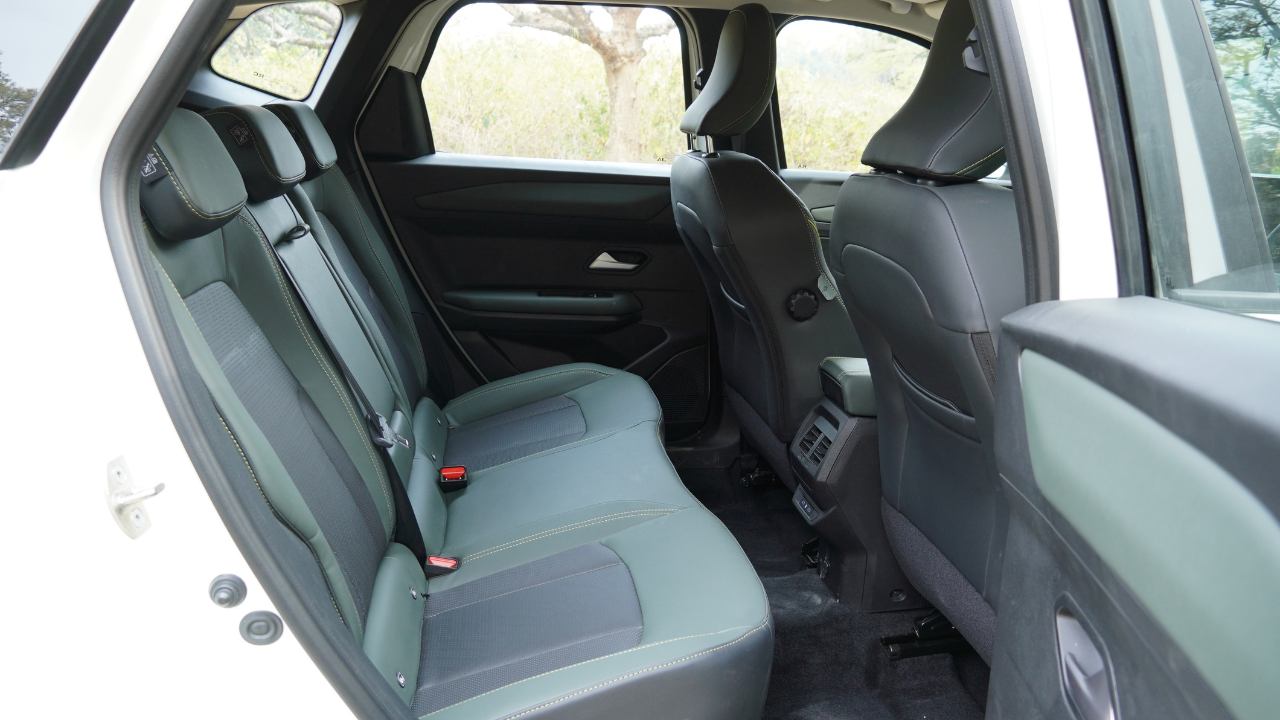
The rear seat space could have been better.The Duster offers adequate rear seat space for daily use but falls short of segment expectations. Legroom and knee room are limited, particularly for taller passengers. The constraint becomes more evident on longer journeys, where comfort may be lower than some rivals.
While seat support is sufficient, the overall space does not stand out. Rear-seat comfort remains a key consideration in this segment, and this is an area where the Duster could have improved.
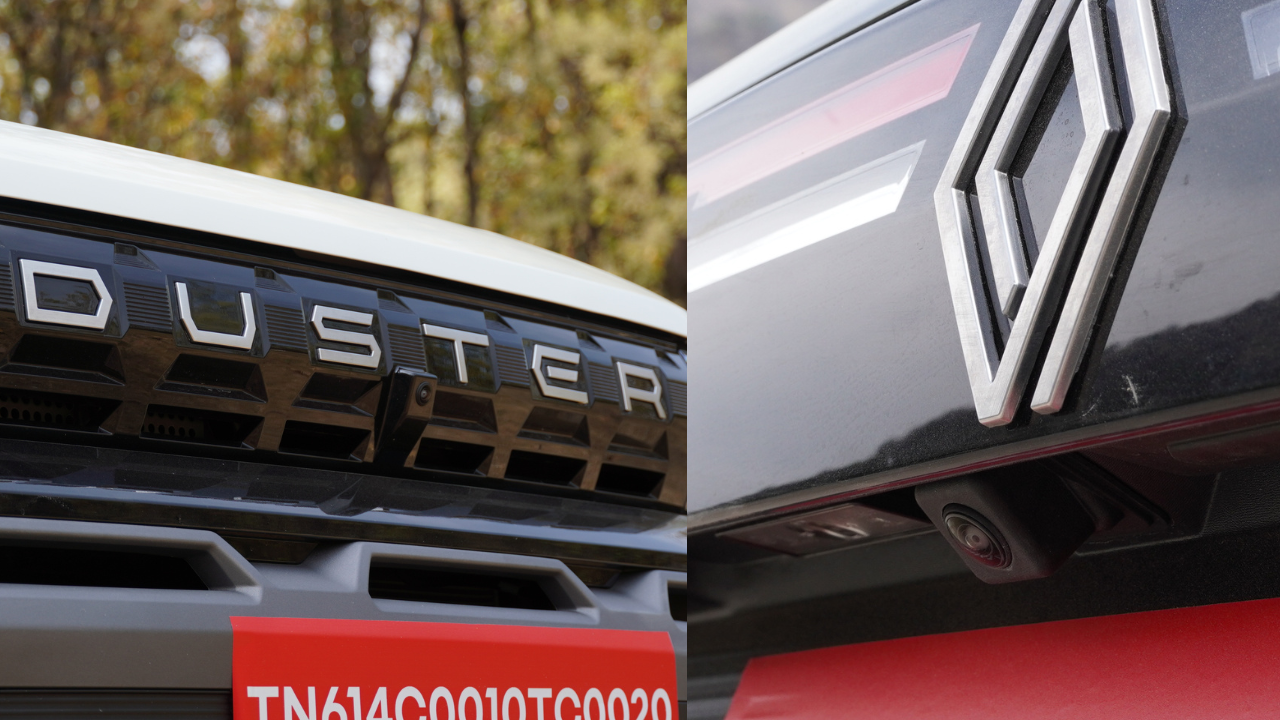
The 360-degree camera resolution could have been betterThe Duster’s 360-degree camera aids visibility for parking and tight manoeuvres, particularly given its larger size. It helps reduce blind spots and improves ease of use. However, the camera’s resolution and clarity are lower than some rivals, making it harder to judge distances accurately. This remains an area where competitors offer better image quality.








 English (US) ·