

 32 minutes ago
2
32 minutes ago
2
ARTICLE AD BOX

Raising children today can feel like a race against noise, schedules and screen time. Parents are trying to do everything at once: feed well, teach well, protect well and prepare well.
But some of the most important lessons children absorb do not come from big speeches or grand gestures. They come from the small rhythms repeated every day. A calm morning, a shared meal, a little movement, a predictable bedtime and a home where feelings are spoken aloud can quietly shape the kind of person a child becomes. These habits do more than make children disciplined. They help them feel emotionally secure, socially confident and mentally steady in a fast-moving world.
Childhood is shaped less by perfection and more by consistency. The homes children remember most are often the ones where they felt heard, guided and emotionally safe. In a culture that rewards busyness and constant stimulation, balanced daily habits quietly become the foundation of a happier and more grounded childhood. Here are five balanced daily habits that can help raise happy and well-rounded kids.A steady morning rhythmChildren do best when the day begins with a sense of order. A rushed, chaotic morning can leave them dysregulated before school even begins, while a predictable routine gives them a feeling of control.
This does not need to be elaborate. Waking up at roughly the same time, washing up, dressing without a frantic rush and sitting down for a simple breakfast can make a real difference. A calm start helps children transition into the day with less stress and more focus.
It also teaches an important life lesson: structure can be comforting, not restrictive. When mornings feel steady, children carry that steadiness into the classroom, the playground and the rest of the day.Meals that are shared, not just served
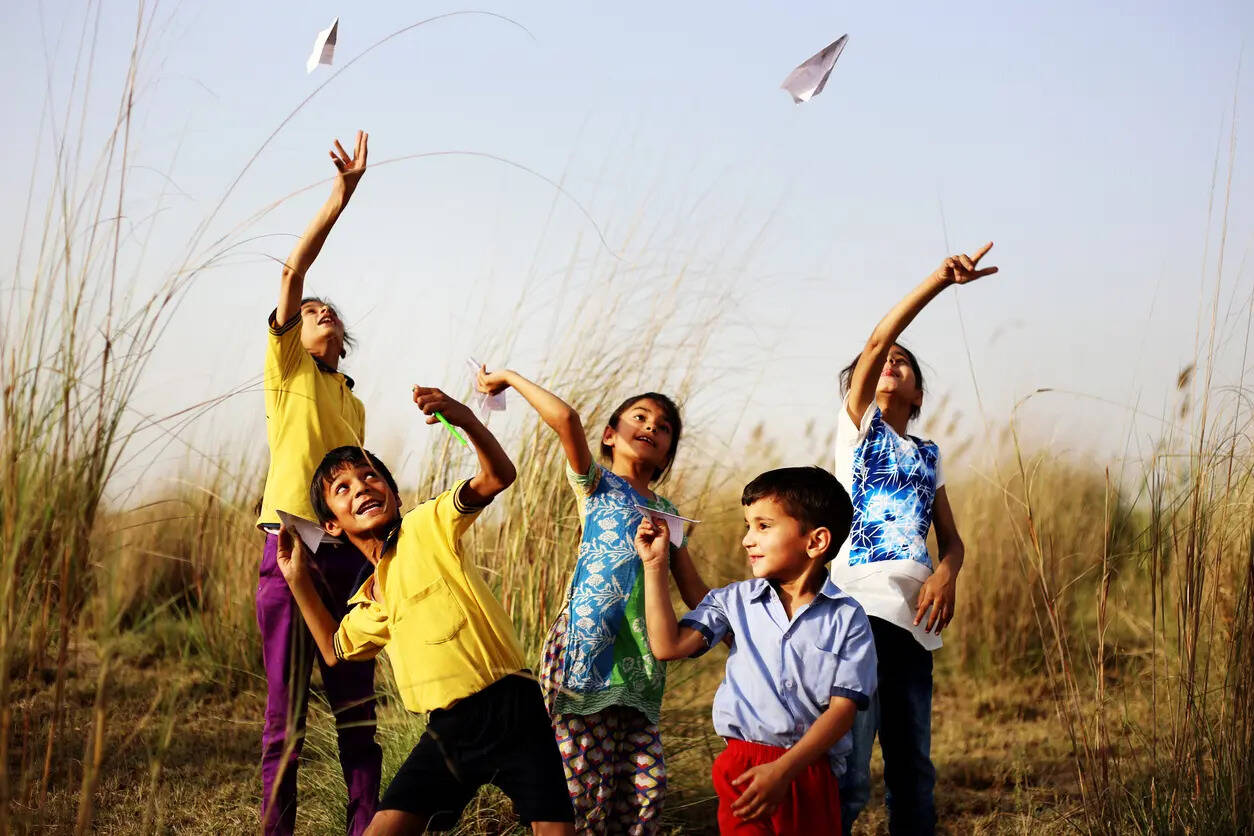
Food is not only about nutrition. It is also one of the most powerful daily settings for connection. Families that make space to eat together, even for one meal a day, often create a stronger emotional anchor for children. Shared meals invite conversation, eye contact and a pause from the rush of the day. They give children a chance to talk about what happened at school, what excited them, what bothered them or what they are quietly wondering about.
That kind of everyday conversation builds trust. It also helps children develop healthier habits around food itself, because they learn that eating is part of family life, not something to do in isolation and speed.Movement that feels naturalChildren do not need to be pushed into exercise as if it is punishment. They need movement woven into ordinary life. A walk after dinner, cycling in the evening, dancing in the living room or playing outside after school all count.
Movement helps children release energy, strengthen their bodies and improve concentration, but it also supports emotional health in a deeper way. Physical activity can reduce irritability, lift mood and help children sleep better.
More importantly, when families treat movement as a joyful part of the day rather than a chore, children learn that caring for the body is part of caring for the self. That mindset can last for years.Screen boundaries with space for real life
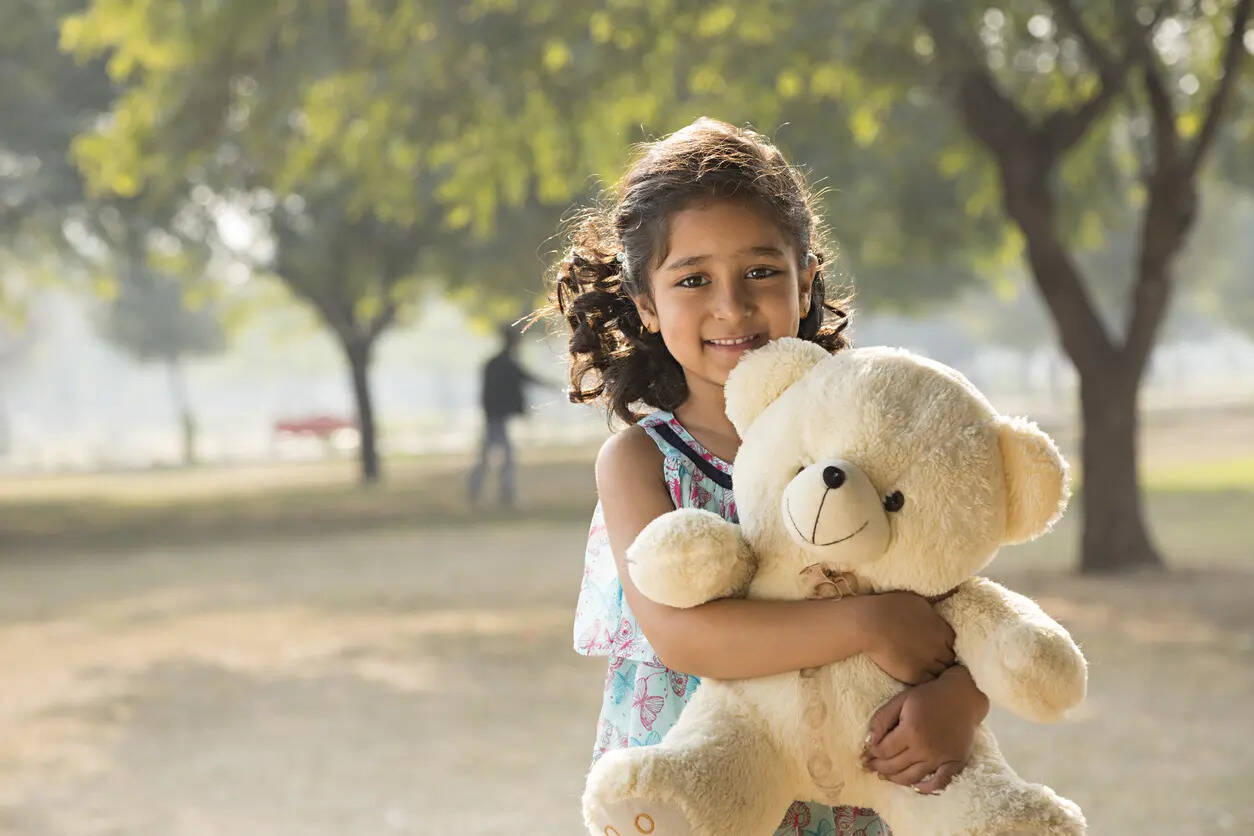
Screens are part of modern childhood, but they should not run the household. When children spend too much time staring at devices, they often lose time for play, creativity, conversation and boredom, which is where imagination quietly grows. Healthy boundaries around screen use help children stay connected to the real world. That might mean no phones at the dinner table, no devices during homework or a clear time when screens go off each evening.
The goal is not to create fear around technology. It is to prevent it from crowding out everything else. Children need time to build with blocks, draw, ask questions, get messy and invent their own games. Those experiences shape problem-solving and independence in ways no screen can match.A home where feelings are named
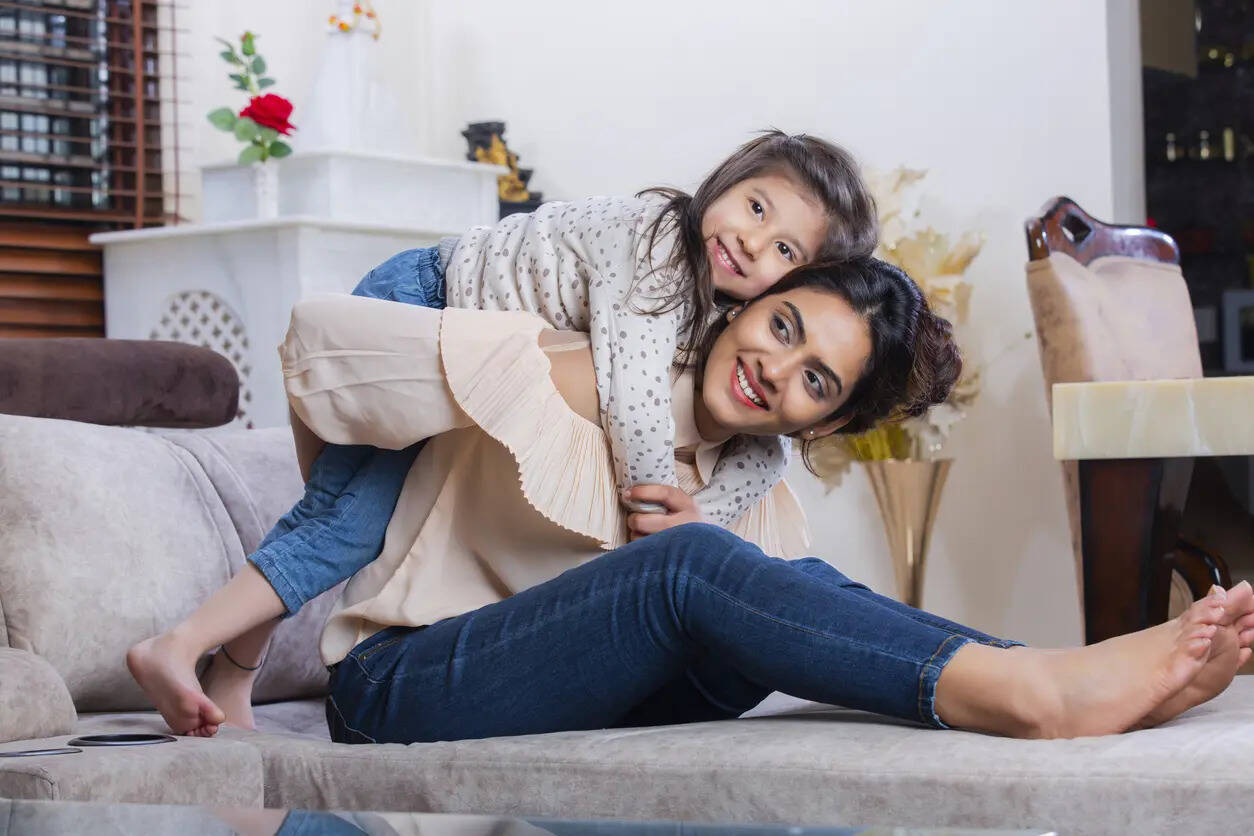
One of the greatest gifts a child can receive is the ability to understand what they feel. In homes where emotions are brushed aside, children often learn to hide them or express them through anger and withdrawal.
But when parents talk openly about feelings in simple, age-appropriate ways, children learn emotional literacy. Saying things like “You seem frustrated” or “That made you sad, didn’t it?” helps children connect words to inner experiences.
It also teaches them that emotions are not dangerous. They are manageable. Over time, this creates resilience. Children who can name what they feel are better able to ask for help, recover from disappointment and relate more kindly to others.








 English (US) ·