

 1 hour ago
6
1 hour ago
6
ARTICLE AD BOX
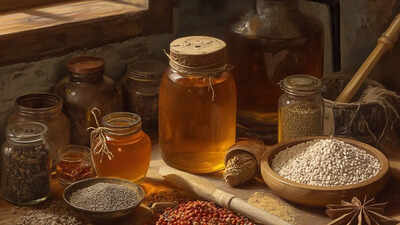
Have you ever thought that each time you walk down the aisles of a modern grocery store, it is easy to assume that everything we eat is a product of recent times? But little do we know that the reality is much more fascinating, as many of these staples have been sitting in the kitchen now and were once consumed by humans thousands of years ago.
This may sound surprising, but from the grains that fueled ancient empires to simple preservation tricks that kept our ancestors alive, these foods have survived the rise and fall of civilizations virtually unchanged. Here’s a closer look at the history behind these everyday ingredients; we can better appreciate how they managed to stand the test of time to remain a core part of our modern diets.HoneyHoney is easily one of the oldest foods known to humanity. Archaeologists digging in Egyptian tombs have actually discovered pots of honey that are over 3,000 years old—and it is still completely edible.
Because honey has almost zero moisture and high natural acidity, bacteria simply cannot grow in it. This unique property made it an incredibly valuable asset to ancient people who had no other way to preserve food.
Long before refined sugar was ever invented, cultures around the globe used honey as their primary sweetener, a medicinal salve for wounds, and even a form of currency. Cave paintings in Spain dating back 8,000 years clearly depict humans climbing trees to harvest wild honeycombs.
However, today, whether you drizzle it into your morning tea or use it to glaze a meal, you are tasting the exact same substance enjoyed by the pharaohs.
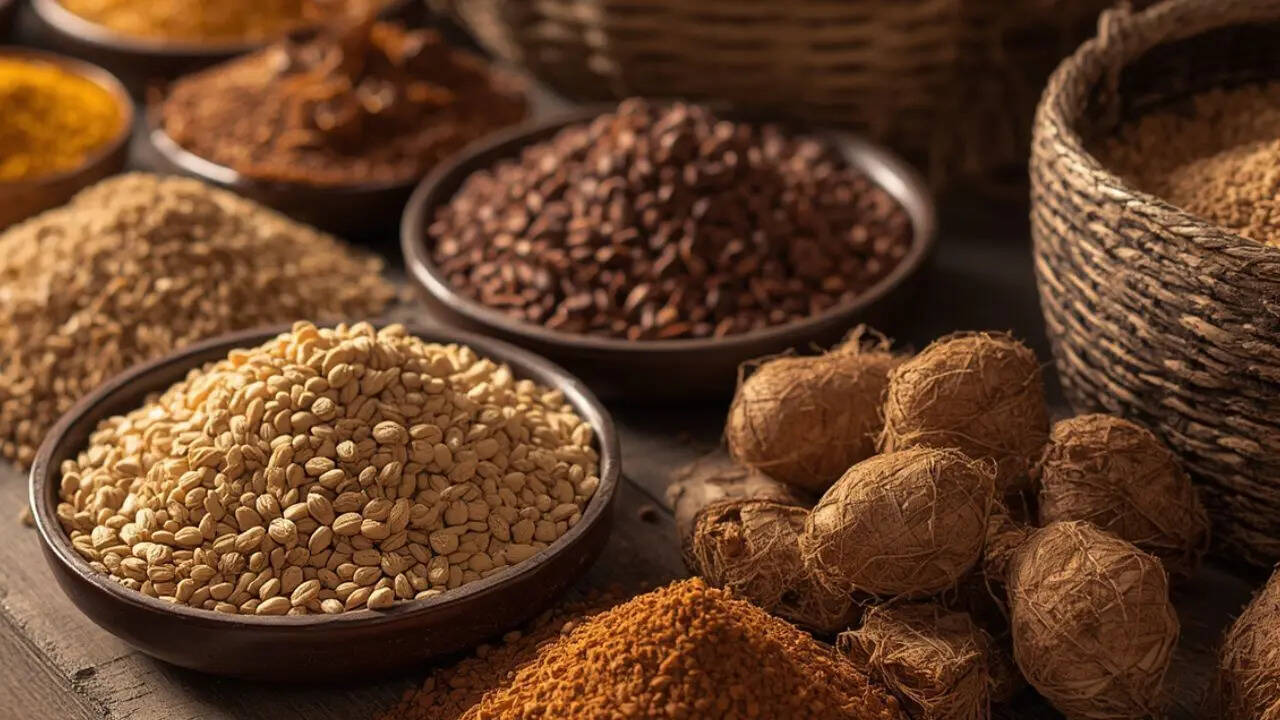
Read on: Ancient Indian foods once eaten by warriors for strengthFlatbreadsLong before loaves of sliced sandwich bread filled grocery shelves, flatbread was the universal foundation of human meals. The origins of flatbread stretch back more than 14,000 years, actually predating the birth of structured agriculture itself.
Early humans gathered wild grains, crushed them, mixed the powder with water, and baked the paste directly on hot stones over open fires. Almost every major culture on Earth eventually developed its own version of this simple staple.
The Greeks and Middle Eastern cultures perfected the pita, Central Americans relied on corn tortillas, and communities across South Asia created chapati and naan. Because they required no complex ovens or yeast to rise, flatbreads were incredibly efficient to make.
They remain one of the most widely consumed foods across the globe today.Olive OilOlive oil has been a bedrock of Mediterranean cooking for at least 6,000 years. Ancient Greeks and Romans absolutely revered the olive tree, and the poet Homer famously referred to its extracted oil as "liquid gold." It was used for far more than just cooking; it served as fuel for lamps, a base for cosmetics, and a sacred substance for religious ceremonies.
The basic process of making olive oil hasn't changed since antiquity.
Olives are harvested, crushed into a paste, and pressed to separate the precious oil from the water and solids. While modern production uses advanced machinery to keep things ultra-hygienic, the extra virgin olive oil you pour onto your salad today is practically identical to the oil that fueled the Roman Empire.YogurtDo you know what happened to yogurt before refrigerators existed? Fresh milk would spoil within hours in the summer heat.
To stop this food from going bad, people who moved around with their animals in Central Asia and the Middle East figured out how to make milk last around 5,000 years ago. They found out that when they stored milk in bags made from animal stomachs, good bacteria got in and this made the milk turn into an sour paste, which is what we call yogurt.
This simple thing completely changed the way people lived because it made milk okay to eat for grown ups who could not eat milk before since the bacteria break down the sugars in milk that are hard to digest.
Ancient people saw that yogurt was good for the stomach and lasted a long time. Today people over the world love to eat yogurt because it is healthy and you can use it in many different recipes.LentilsLentils are a type of food that is related to beans and peas. They were one of the foods that people grew on purpose. Lentils started being grown in the Near East over 10,000 years. They became an important source of protein and iron for people who worked hard and did not have much money to buy meat. Because lentils are highly drought-resistant and store incredibly well when dried, they were the perfect safety net crop against famine.
They fueled the laborers who built the pyramids of Egypt and became a foundational comfort food across India in the form of dal.









 English (US) ·